
Tag: west vancouver pet grooming

  • Hypoallergenic Shampoos and Skin-Sensitive Pets

    Hypoallergenic Shampoos and Skin-Sensitive Pets

    Hypoallergenic Shampoos and Skin-Sensitive Pets
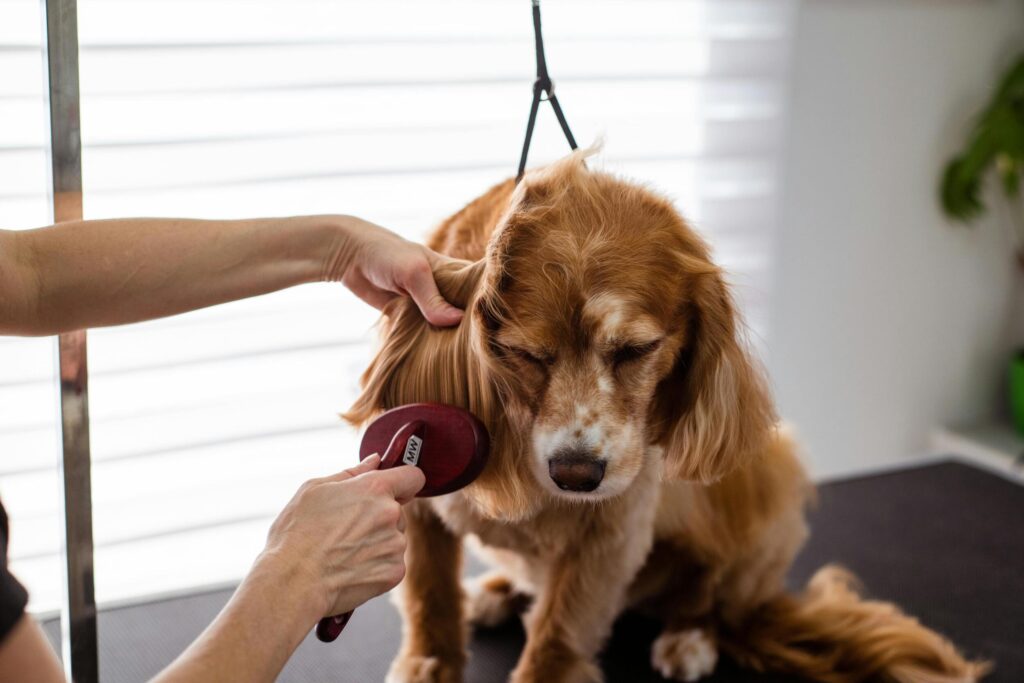
    Many pet owners today are increasingly concerned about skin irritation, allergic reactions, and dermatological sensitivities in dogs and cats, especially breeds prone to conditions like atopic dermatitis, seborrhea, or contact allergies. Hypoallergenic shampoos for pets are specifically formulated using mild surfactants, non-sensitizing botanical extracts, and pH-balanced ingredients to minimize immune system reactions while effectively cleansing the coat. Whether you are booking a premium Downtown Vancouver grooming for sensitive dogs and cats or visiting a specialized pet grooming spa in West Vancouver, choosing the right dermatologically safe shampoo can make all the difference in your pet’s long-term skin health.

    Feature Hypoallergenic Pet Shampoo Conventional Shampoo
    pH Level Pet-specific (6.5–7.5) Often too acidic or alkaline
    Surfactants Mild (e.g., decyl glucoside, coco-glucoside) Harsh (e.g., sodium lauryl sulfate)
    Fragrances Fragrance-free or essential oils (lavender, chamomile) Synthetic perfumes, dyes
    Allergen-Free Certification Often labeled as “veterinary tested” or “allergy-safe” Rarely tested for allergens
    Preservatives Minimal, paraben-free, no formaldehyde-releasing agents May include parabens or methylisothiazolinone
    Skin Conditions Supported Atopy, contact dermatitis, dry/flaky skin May aggravate allergic or compromised skin
    Coat Maintenance Nourishes and moisturizes skin and coat May strip natural oils
    Ideal For Sensitive, allergic, senior pets, short-hair breeds, cats with dermatitis General cleaning, non-sensitive pets

    In veterinary dermatology, allergic skin responses in pets can be categorized into three major types: environmental allergies (like dust mites or pollen), food-based sensitivities, and contact allergies. Hypoallergenic shampoos target the latter by creating a neutral barrier and soothing inflammation at the follicular level. Active ingredients like colloidal oatmeal, aloe vera extract, ceramides, and panthenol (Vitamin B5) are clinically proven to hydrate and protect the epidermis while avoiding the use of sulfates and phosphates, which are known to degrade the lipid layer of the skin. For breeds like Bulldogs, Westies, or Persian cats, frequent cleansing with such formulations can prevent secondary bacterial or yeast infections, especially when professionally groomed at a trusted Downtown Vancouver pet grooming studio.

    Choosing hypoallergenic grooming products becomes even more essential in high-humidity regions like the West Coast, where pets are exposed to mold spores, damp conditions, and urban pollutants. This is why many residents prefer certified West Vancouver dog and cat spa services that use sulfate-free, soap-free shampoos paired with emollient rinses and antifungal conditioners. When used in a scheduled grooming program—every 3–4 weeks for sensitive breeds—these shampoos support dermal regeneration and reduce the likelihood of skin flare-ups. Additionally, formulations containing chlorhexidine or miconazole can be prescribed by veterinarians to manage Malassezia dermatitis or staph pyoderma, while micellar water technology is gaining popularity for daily, no-rinse cleansing in pets with extreme hypersensitivity.

    Pet grooming isn’t just cosmetic—it’s preventive healthcare. A properly tailored shampoo protocol can reduce itching (pruritus), improve skin barrier function, and enhance coat quality, which is vital for breeds like Poodles, Shih Tzus, and Sphynx cats that require year-round grooming. Using a grooming service that prioritizes skin-health products, such as downtown Vancouver’s hypoallergenic grooming experts or a West Vancouver skin-sensitive grooming salon, ensures your pet is protected from allergens and chemical irritants. Beyond ingredients, attention to water temperature, drying techniques, and even post-grooming balms (like shea butter or coconut oil-based products) can play a vital role in long-term skin integrity. Regular consultations with groomers trained in dermatologic grooming—especially for allergy-prone pets—can help you build a maintenance routine tailored to your companion’s specific skin condition.

  • De-shedding Treatments: Are They Worth It?

    De-shedding Treatments: Are They Worth It?

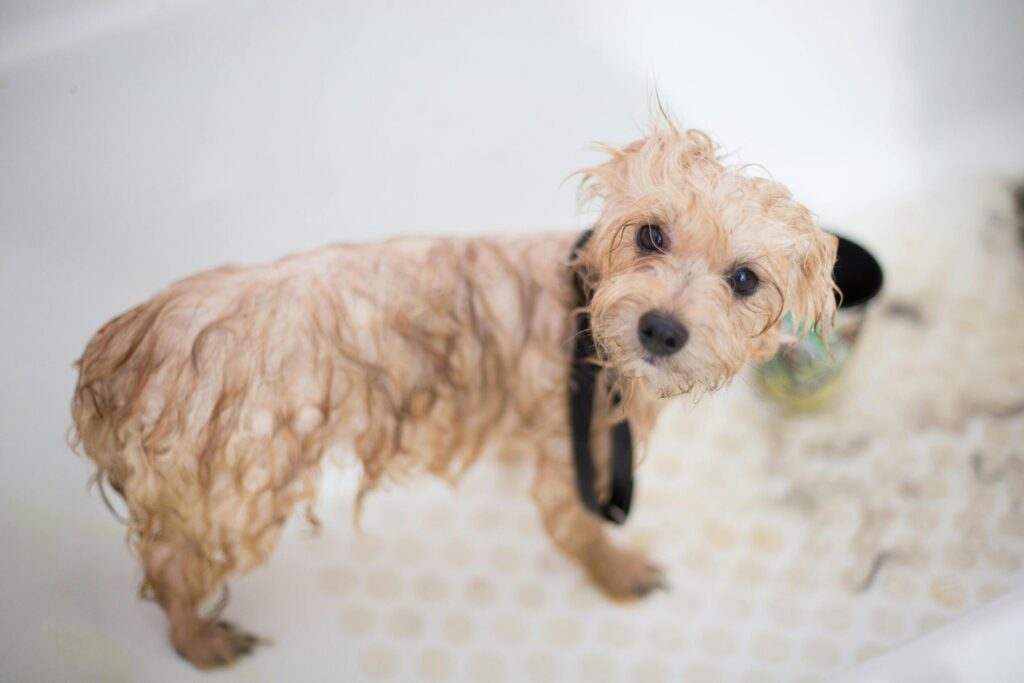
    For pet parents constantly battling fur tumbleweeds across floors and furniture, professional de-shedding treatments offer a scientifically backed solution that goes far beyond regular brushing. These treatments target the dense undercoat—especially prominent in double-coated breeds like Huskies, German Shepherds, and Maine Coons—using high-velocity drying systems, specialized de-shedding rakes, and coat-loosening shampoos. The primary goal is to remove dead hair from the undercoat before it sheds, minimizing loose fur, preventing matting, and improving overall coat and skin health. When performed by certified experts such as those at Downtown Vancouver Dog and Cat Grooming, the treatment also enhances thermal regulation, allowing pets to better cope with seasonal changes, particularly during coat-blow seasons. Cats, especially long-haired breeds like Ragdolls and Persians, benefit from reduced hairballs and matting, while dogs experience reduced fur buildup, fewer tangles, and improved hygiene.
    Deshedding Component Technical Purpose Ideal Application
    Degreasing Shampoo Breaks down oil buildup that traps shedding hair Prepares coat for effective undercoat lift
    High-Velocity Drying System Blasts away loose hairs without damaging topcoat Reduces drying time, removes dander
    Undercoat Rake & Blade Tools Extracts dense dead fur from the underlayer Used for double-coated or long-haired pets
    Coat Analysis & Skin Check Identifies irritations or hotspots before deshedding Ensures pet safety during deep grooming
    Hypoallergenic Coat Conditioners Rehydrates skin and strengthens remaining hair Prevents post-treatment itchiness

    The technical advantage of professional de-shedding lies in its layered approach to coat care. At advanced salons specializing in dog and cat grooming in the West Vancouver area, deshedding is more than a one-step solution. It begins with a detailed coat analysis, allowing groomers to determine whether the pet is in the anagen (growth), catagen (transitional), or telogen (resting/shedding) phase of the hair cycle. Once the phase is understood, groomers use tailored tools to remove fur effectively without compromising healthy strands. For breeds prone to seborrhea or dermatitis, such as Labrador Retrievers or Himalayan cats, deshedding can help prevent bacterial buildup beneath the coat by allowing the skin to breathe. Unlike home brushing, which may only skim the surface, professional deshedding addresses both the topcoat and the undercoat—removing up to 90% of loose hair in a single session. Groomers trained in downtown Vancouver grooming services also understand how to work around sensitive areas like the belly, behind the ears, and the tail base, where matting typically begins.

    One of the most overlooked benefits of professional de-shedding is its impact on indoor air quality and allergen control. With consistent visits to pet salons offering advanced coat care in West Vancouver, pet owners report less airborne fur, cleaner furniture, and reduced allergy flare-ups. Deshedding also supports temperature regulation, especially for pets living in climates with dramatic seasonal changes. By thinning out the dense undercoat, pets feel cooler in the summer and more comfortable in indoor heated environments during winter. Additionally, this treatment minimizes the frequency of hairballs in cats, as less fur is ingested during self-grooming. For those living in high-traffic areas like Coal Harbour or Ambleside, scheduling regular deshedding at nearby salons offering Vancouver grooming solutions helps maintain a pet’s hygiene and comfort between full grooming sessions. The treatment also allows groomers to detect early signs of skin infections, parasites, or abnormal lumps that would otherwise be hidden beneath a thick coat.

    While at-home maintenance remains important, it’s rarely a match for the power and technique offered by professional services. Tools like undercoat rakes or slicker brushes help, but they often fail to penetrate deep enough, especially in double-coated or long-haired breeds. In contrast, salons using industrial-grade dryers and coat analysis tools can remove undercoat buildup efficiently while maintaining coat integrity. For active breeds or pets who spend time outdoors, consistent deshedding can prevent painful matting and improve odor control. Pet grooming experts near the West Vancouver shoreline districts and in central Vancouver grooming salons often recommend integrating de-shedding into your pet’s schedule every 6 to 8 weeks, with higher frequency during peak shedding seasons like spring and fall. The result is a healthier pet, cleaner home, and a coat that not only looks better but also performs its protective function more effectively.

  • Understanding Double-Coated Dogs

    Understanding Double-Coated Dogs

    Understanding Double-Coated Dogs: Grooming Needs, Coat Structure, and Seasonal Care

    Double-coated dogs possess a unique fur structure consisting of two distinct layers: a dense, soft undercoat that provides insulation and a coarse, protective topcoat (guard hairs) that shields against external elements like water, dirt, and UV rays. Breeds such as Huskies, Golden Retrievers, German Shepherds, and Border Collies are classic examples, thriving in colder climates due to their thermoregulatory fur system. Understanding the technical aspects of their coat is critical to maintaining their health—improper grooming, especially shaving, can disrupt their natural insulation, hinder temperature regulation, and lead to issues like heatstroke, alopecia, or even permanent damage to hair follicles. Seasonal shedding, known as “blowing coat,” typically occurs in spring and fall, driven by hormonal responses to daylight length rather than temperature. During this phase, the undercoat sheds heavily and must be professionally removed using specialized grooming tools such as undercoat rakes, high-velocity dryers, and de-shedding shampoos. For pet parents in Vancouver, leveraging local services like Downtown Vancouver Dog and Cat Grooming ensures breed-specific grooming that aligns with coat integrity and skin health, while those in the North Shore benefit from professional West Vancouver Dog and Cat Grooming that addresses seasonal changes with precision.

    Grooming Component Technical Details Recommended Frequency Professional Tip
    Undercoat Removal De-shedding tools, high-velocity dryer Every 4–6 weeks during shedding Avoid shaving to maintain coat insulation
    Bathing Use of hypoallergenic, coat-safe shampoo Every 4–8 weeks Dry thoroughly to avoid trapped moisture in dense coat
    Brushing Pin brush and undercoat rake combo 2–3 times weekly Start from legs and move inward to prevent matting
    Trimming Sanitary trim, paw pad cleanup Monthly Never clip topcoat unless medically necessary
    Blow-Drying After baths using high-velocity dryer Post-bath Essential for drying thick double coat completely

    Caring for double-coated dogs requires an informed approach backed by dermatological and grooming science. Their double-layered coats act as a thermal barrier, meaning shaving them during summer can paradoxically make them more prone to overheating, not less. The undercoat traps air, which cools the skin as the dog moves, and the topcoat reflects sunlight, creating a cooling system far more effective than a single-layered coat. Proper maintenance involves regular brushing to reduce shedding and matting, targeted undercoat removal, and controlled bathing using pH-balanced, moisturizing shampoos to protect natural skin oils. Services like canine grooming in Vancouver’s downtown utilize de-matting and forced-air drying to support coat health and prevent secondary infections such as hot spots or yeast overgrowth, which are common in damp, matted coats. A tailored grooming schedule not only enhances comfort and appearance but also mitigates allergens and fur accumulation in the home environment.

    Furthermore, the natural shedding process should not be confused with fur damage or illness. Double-coated breeds “blow their coat” in response to photoperiod changes, not temperature fluctuations. During these intense shedding phases, a significant amount of the undercoat is released within a few weeks. This necessitates focused attention from groomers who can deploy high-powered dryers, coat splitting techniques, and layered combing to remove dead hair efficiently without stressing the skin. Grooming salons in the Westside region, like North Shore pet grooming experts, are equipped to deal with this high-volume shed cycle using pet-safe tools and ergonomic techniques, ensuring the coat regrows correctly and uniformly. Missteps—such as amateur shaving or aggressive brushing—can impair the hair cycle, weaken the dermal layer, or trigger chronic skin inflammation.

    While DIY grooming may seem feasible, the intricacy of double-coated dog maintenance is often underestimated. Professional groomers understand follicular density, guard hair alignment, and breed-specific coat patterns—insights necessary for preserving coat structure over time. They also monitor signs of dermatological distress such as seborrhea, hyperkeratosis, or seasonal alopecia. Pet owners in the greater Vancouver area benefit from access to multiple localized grooming solutions—from the tailored care of downtown Vancouver’s pet salons to the precision grooming available at West Van pet care specialists. Whether managing the heavy shedding of a Samoyed or the seasonal matting of a Bernese Mountain Dog, professional grooming ensures coat health, comfort, and long-term vitality for these beautifully built breeds.

  • What Makes PetLux a Pet Spa?

    What Makes PetLux a Pet Spa?

    What Makes PetLux a Pet Spa?

    PetLux redefines grooming by blending luxury with clinical precision, offering more than just a haircut or bath. With advanced equipment, breed-specific grooming techniques, certified groomers, and spa-style pampering, PetLux transforms every visit into a therapeutic session. Whether you’re seeking premium care in the heart of Downtown or exploring holistic options near the shores of West Vancouver, PetLux stands out as a trusted grooming sanctuary.

    Feature Description
    Certified Groomers Each staff member is trained in dermatology, breed-specific coat management, and pet behavior.
    Hydrotherapy Baths Massaging jets promote circulation, relax muscles, and relieve joint stiffness.
    Hand Scissoring Precision trimming for breed standards and creative grooming styles.
    Natural Products Hypoallergenic, pH-balanced shampoos, free from parabens and sulfates.
    De-shedding Systems High-velocity dryers and coat release tools reduce 90% of seasonal shedding.
    Aroma Therapy Calming essential oils help pets with anxiety or noise sensitivity.
    Climate-Controlled Facilities Temperature and humidity are optimized for coat drying and pet comfort.
    Wellness Assessment Skin, coat, and paw evaluations with every session.
    Personalized Styling Tailored services based on breed, coat type, and pet temperament.
    Downtown and West Vancouver Reach Full-service coverage in both Downtown Vancouver and West Vancouver.

    Why PetLux Feels Like a Spa Retreat for Pets

    PetLux offers more than traditional grooming. At its Downtown Vancouver location, the spa integrates hydrotherapy baths and advanced brushing stations that reduce undercoat buildup and matting. These Downtown Vancouver grooming services are designed to address stress, coat health, and post-groom relaxation. Unlike standard salons, PetLux provides a calm environment with filtered air, relaxing music, and aromatherapy diffusers that help pets stay relaxed during their visit. This holistic approach mirrors a human spa experience—built around wellbeing.

    In West Vancouver pet grooming, PetLux elevates the standard by offering personalized consultations. Groomers assess each pet’s skin condition, coat density, and shedding pattern before treatment begins. This allows precise treatment, whether it involves dead-hair removal through de-shedding tools or soothing oatmeal baths for pets with dermatitis. Additionally, PetLux’s brushing routines and combing methods are carefully chosen to prevent follicular damage. Pet parents who seek a premium level of care in West Coast grooming facilities consistently rank PetLux among their top choices.

    Beyond Grooming: Therapeutic Benefits and Tailored Services

    What truly makes PetLux a pet spa is its integration of wellness-focused services. In Downtown Vancouver pet salons, the grooming experience includes muscle-relaxation massage during shampooing, detox rinses, and coat-rejuvenating masks. Pets with joint conditions benefit from warm water therapy, particularly senior dogs and large breeds that are prone to hip dysplasia or arthritis. This makes Vancouver grooming boutiques an ideal choice for pet owners looking for proactive health support.

    Meanwhile, West Vancouver dog & cat care integrates grooming with health monitoring. From ear inspections to pad conditioning and claw health checks, every service is a chance to catch potential health concerns early. Customized treatments, such as blueberry facials and hypoallergenic conditioning, cater to pets with allergies or sensitive skin. Additionally, the precision of hand-scissoring allows for breed-standard trims or show-quality looks—perfect for pet parents interested in professional styling.

    Why PetLux is the Preferred Choice in West and Downtown Vancouver

    From dog grooming in West Vancouver that mimics a spa session to Downtown Vancouver pet salons with advanced coat treatments, PetLux has redefined pet care. The facility is recognized for combining luxury, veterinary-grade hygiene, and behaviorally aware techniques. Temperature-regulated tables, calm lighting, and tailored aromatherapy create a soothing ambiance for anxious pets.

    Each appointment includes a wellness check—scanning for skin abnormalities, parasites, and coat deterioration. PetLux in Downtown grooming districts also supports coat restoration through structured maintenance plans, especially helpful for double-coated breeds. In West Vancouver grooming salons, dog and cat lovers benefit from monthly programs that track coat health and seasonal transitions. Every detail—from tools sanitized between clients to individual pet records—reflects a meticulous commitment to excellence.

  • Grooming Myth vs. Fact

    Grooming Myth vs. Fact

    Grooming Myth vs. Fact: Debunking Common Misconceptions in Pet Grooming

    Grooming your dog or cat is more than just an aesthetic routine—it’s a vital part of their health and well-being. Yet, the internet and casual pet circles are filled with grooming myths that can mislead even the most caring pet owners. From frequency of baths to shaving practices, misinformation can lead to skin infections, coat damage, or stress in pets. In this comprehensive guide, we separate grooming myths from facts using industry-backed knowledge, technical terminology, and insights from certified groomers working in both West Vancouver Dog and Cat Grooming salons and Downtown Vancouver Dog and Cat Grooming studios. Whether you’re dealing with double-coated breeds, felines with matted fur, or hypoallergenic dogs, this guide helps you make informed grooming decisions supported by veterinary dermatology and grooming science.

    Myth Fact
    Shaving a dog in summer keeps them cool For double-coated breeds, shaving disrupts thermoregulation and can lead to sunburn
    Cats groom themselves and don’t need professional grooming Cats need regular brushing and sanitary trims, especially long-haired breeds prone to matting
    Frequent bathing causes dry skin Using a pH-balanced pet shampoo preserves the lipid barrier and supports healthy skin
    Human shampoo is safe for pets Pets require species-specific pH formulations to avoid irritation and dermatitis
    Only long-haired dogs need grooming Short-haired dogs also require deshedding, ear cleaning, and nail trimming
    Nail trims can be skipped if dogs walk on pavement Nail trimming is essential regardless of terrain to prevent joint stress and splaying
    Tear stains are only cosmetic Tear stains may indicate underlying health or dietary issues that need medical evaluation
    Clippers are better than scissors for trimming all pets Tool choice depends on coat type—scissors offer control for precise trimming on anxious pets
    Sedation is necessary for anxious animals Professional groomers use desensitization techniques, gentle handling, and aromatherapy
    Grooming once a year is sufficient Regular grooming, every 4-6 weeks, prevents matting, infections, and coat deterioration

    Modern grooming isn’t a one-size-fits-all process—it involves an understanding of breed-specific requirements, coat types, and skin conditions. For instance, double-coated dogs such as Golden Retrievers or Siberian Huskies should never be shaved, as their undercoat regulates temperature and shaving can result in post-clipping alopecia, a condition where the fur fails to grow back properly. Instead, professional undercoat removal techniques like HV blow drying and coat raking should be applied. At our cat and dog grooming studio in West Vancouver, our certified groomers utilize force-free handling and customized grooming plans for pets with special coat needs or sensitive skin. Similarly, skin-safe de-shedding tools, hypoallergenic shampoos, and coat-conditioning treatments are used to maintain skin barrier integrity and reduce allergens for both pets and their owners.

    Cats, especially long-haired breeds like Persians or Maine Coons, are often victims of the myth that they self-maintain their hygiene. While cats do groom themselves instinctively, they are prone to sebaceous gland overproduction, especially in areas like the tail base and underarms, leading to stud tail, oily build-up, and eventual matting. Regular brushing with a slicker brush and comb-out treatments not only prevents painful knots but also reduces hairball formation. For felines in high-humidity areas like coastal Vancouver, particularly in neighborhoods serviced by Downtown Vancouver cat grooming experts, matting becomes a year-round concern. Our team recommends sanitary trims, nail capping, and paw pad grooming for optimal feline hygiene. These treatments are not just cosmetic—they support mobility, reduce odor, and prevent urine or feces from clinging to fur, especially in senior cats.

    One of the most dangerous myths is that dogs and cats only need grooming when they “look dirty”. In reality, by the time coat issues are visible, underlying problems such as pyoderma, yeast overgrowth, or hot spots may have already developed. For pets with skin conditions like atopic dermatitis, frequent but gentle grooming helps remove allergens from the coat and supports medical treatments. Our grooming team servicing the greater West Vancouver pet care community specializes in medicated baths, tear stain removal, and ear flushing protocols that are recommended by dermatological veterinarians. Likewise, in Vancouver grooming clinics for dogs and cats, pets with anxiety or trauma histories benefit from positive reinforcement grooming methods, which include slow introduction to tools, low-noise clippers, and aromatherapy using lavender and chamomile essential oils.

    Ultimately, professional grooming is an essential extension of veterinary care—not a luxury. Responsible grooming schedules (every 4–8 weeks depending on coat type), combined with home maintenance like daily brushing and monthly nail trims, lead to long-term health benefits. Dispelling common myths allows pet parents to make evidence-based decisions. Whether you need seasonal grooming services in West Vancouver or are searching for urban grooming solutions in Downtown Vancouver, always choose certified professionals who apply dermatologically tested products, understand the anatomy of various breeds, and use fear-free techniques. Consistent grooming protects against matting, reduces vet bills, and ensures your pet looks and feels their best every day.

  • Seasonal Grooming Needs in West Vancouver

    Seasonal Grooming Needs in West Vancouver

    Seasonal Grooming Needs in West Vancouver: A Comprehensive Guide for Pet Owners

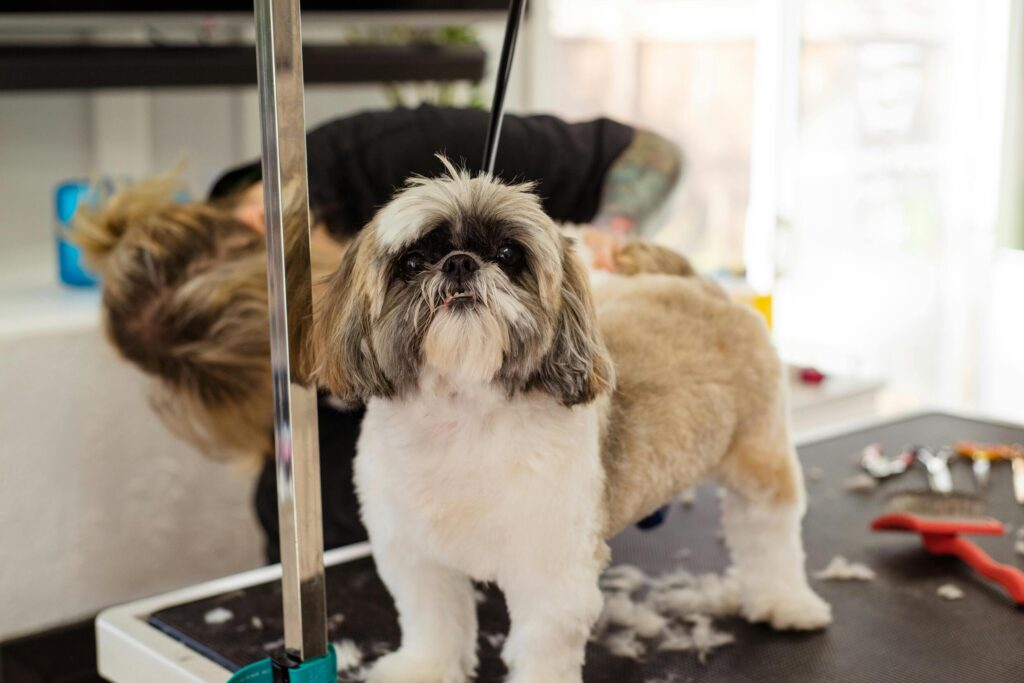
    Maintaining a consistent grooming routine throughout the year is vital for your dog or cat’s health, comfort, and coat quality. In areas like West Vancouver dog and cat grooming and Downtown Vancouver pet grooming, where seasonal weather changes can be extreme, adapting your pet’s grooming schedule to each season helps prevent matting, skin infections, coat shedding issues, and discomfort. This guide walks you through the seasonal grooming essentials for both dogs and cats in the Vancouver region, integrating professional grooming insights and highlighting how regular care supports overall wellness.

    Seasonal Grooming Matrix for West & Downtown Vancouver Pets

    Season Key Grooming Focus Technical Needs Benefits for Cats & Dogs
    Winter Coat protection De-matting, paw pad trimming, anti-salt wash Prevents salt burn, improves insulation
    Spring Shedding control De-shedding tools, flea check, sanitary trim Reduces fur buildup, supports allergy prevention
    Summer Heat relief Light trimming, ear cleaning, paw pad conditioning Promotes airflow, prevents overheating
    Fall Coat preparation Undercoat brushing, deep cleaning, conditioning bath Preps for winter coat growth, removes dead fur

    Why Seasonal Grooming is Essential for Your Pet’s Health

    Pet owners in Vancouver often overlook how much the climate shifts impact their animals’ grooming needs. West Vancouver’s moist winters and warm, dry summers require specific coat maintenance to support pet comfort and skin health. In winter, dampness can lead to matting, especially in double-coated breeds like Golden Retrievers and Huskies. Without regular pet grooming services in West Vancouver, trapped moisture can cause hotspots and yeast infections.

    As spring arrives, dogs and cats begin shedding their winter coats. At this stage, frequent brushing using undercoat rakes and professional de-shedding tools helps reduce excess fur accumulation and dander around the home. Downtown Vancouver pet grooming salons often recommend a professional bath and blowout every 4–6 weeks during shedding season to manage fur and detect ticks or skin irritations early.

    In summer, lighter trims, especially around the face, ears, and paw pads, are critical to prevent overheating. Long-haired cats and flat-faced dog breeds like Pomeranians and Shih Tzus benefit from cooling grooms. Professionals at Vancouver’s cat and dog grooming clinics typically advise owners to condition paw pads and clean ears regularly to prevent yeast buildup in the heat.

    By fall, it’s time to prepare for the colder months again. Deep conditioning treatments, undercoat removal, and coat strengthening shampoos are key. Regular appointments with experienced groomers in West Vancouver grooming centers help prep your pet’s coat to grow in evenly, insulating them properly through winter.


    West & Downtown Vancouver-Specific Grooming Tips per Season

    Winter Grooming Essentials

    In coastal BC winters, snow and street salt are serious concerns. The sodium chloride used on sidewalks can irritate or burn your dog’s paws. Protective balms, regular paw hair trimming, and rinsing after walks are essential. Using a de-matting comb and scheduling monthly grooms at trusted West Vancouver grooming boutiques ensures moisture doesn’t get trapped under the fur, causing matting.

    Cats may develop static in dry indoor air, leading to coat dryness and dandruff. Anti-static sprays and omega-rich conditioners applied by professionals in Downtown Vancouver grooming salons can help restore coat balance.

    Spring Grooming Maintenance

    Spring is shedding season. Double-coated dogs lose their insulating undercoat, which can clog brushes and coat the house in fur if not managed. Pet owners should invest in weekly undercoat raking at home and bi-weekly professional de-shedding at a Vancouver pet spa.

    Long-haired cats are also prone to spring shedding. Regular brushing combined with professional sanitary trims and light belly shaves at West Vancouver cat grooming locations help prevent hairballs and matting in hard-to-reach areas.

    Summer Grooming Strategies

    Heatstroke in pets is a real risk during BC summers. Keep your dog’s coat trimmed but never shaved completely, especially for breeds like Malamutes or Collies, whose double coats provide insulation against heat. Paw pad trims and ear cleaning are crucial. The professional staff at Downtown Vancouver pet groomers often recommend applying paw wax and trimming fur around the feet to help with heat dissipation.

    For cats, summer grooming involves brushing more frequently and checking for ear mites and flea activity. A professional bath every two months, especially with hypoallergenic shampoo, helps. A session at West Vancouver dog and cat grooming experts can help diagnose skin dryness caused by increased sun exposure.

    Fall Grooming Routines

    Fall is the ideal time to begin prepping your pet’s coat for winter. Conditioning shampoos and blowouts help remove debris and dead fur, encouraging healthier winter growth. Groomers in Vancouver grooming clinics suggest introducing omega-rich sprays and scheduling monthly appointments for coat health.

    Long-haired breeds benefit from early undercoat removal, helping avoid painful matting later. Cats especially need fall grooming since indoor heating may dry out their skin. Consider professional grooming from West Vancouver grooming professionals to support their skin’s transition into colder conditions.


    How Often Should You Groom in Each Season?

    While frequency varies by breed, here’s a general seasonal guide:

    • Winter: Every 4–6 weeks for dogs, every 6–8 weeks for long-haired cats

    • Spring: Every 2–4 weeks for shedding breeds, every 4–6 weeks for cats

    • Summer: Every 4 weeks, with added emphasis on paw and ear care

    • Fall: Every 4–5 weeks, including conditioning and de-shedding treatments

    Whether you visit a Downtown Vancouver grooming facility or opt for a home-based West Vancouver pet grooming session, following this cycle supports optimal health.


    Final Thoughts on Seasonal Grooming in Vancouver

    Pet grooming isn’t just about appearance—it’s essential for maintaining your pet’s comfort, hygiene, and long-term health throughout the changing seasons. From salt-burn prevention in winter to managing coat density in spring and avoiding heat stress in summer, seasonal grooming requires a strategic and professional approach.

    Using expert services from West Vancouver pet grooming salons or Downtown Vancouver cat and dog grooming professionals ensures that your pet receives the right treatment at the right time of year. With proper seasonal maintenance, your dog or cat will not only look good, but feel great year-round.

  • Flea and Tick Prevention Through Grooming

    Flea and Tick Prevention Through Grooming

    Flea and Tick Prevention Through Grooming

    Fleas and ticks pose significant health risks to dogs and cats, particularly in urban and coastal regions like Vancouver, where humidity and animal activity increase parasite exposure. These ectoparasites can transmit diseases such as Lyme disease, ehrlichiosis, and flea allergy dermatitis, making preventative grooming essential for responsible pet ownership. Routine grooming not only enhances coat condition and skin health but also provides an effective frontline defense against infestations. Professional grooming services often include flea comb-outs, anti-parasitic baths, and meticulous inspections that help detect early signs of infestation. In West Vancouver dog and cat grooming salons, certified groomers utilize veterinary-grade products like pyrethrin shampoos, lime-sulfur dips, and fipronil-based sprays to eliminate parasites without harming pets’ delicate skin. Meanwhile, Downtown Vancouver grooming for pets emphasizes frequent brushing and clipping to reduce flea habitats in long coats, especially for breeds like Persian cats or Golden Retrievers. As urban parasites become more resistant, integrated pest management (IPM) approaches that include topical treatments, environmental control, and regular grooming are now considered best practice in pet parasite prevention.

    Grooming Method Function Frequency Effectiveness Against Fleas & Ticks
    Flea Comb Inspection Physically removes adult fleas and eggs from coat 2–3 times per week Moderate (especially for detection)
    Anti-Flea Shampoo Bath Kills live fleas and ticks on contact with insecticidal agents Every 2–4 weeks High (especially when combined with combing)
    Hair Trimming/De-shedding Reduces parasite hiding spots in dense or matted fur Monthly or seasonally High (especially for long-haired pets)
    Tick Check Post-Walk Manual inspection of armpits, ears, paws, and tail base After outdoor activity High for tick prevention
    Environmental Cleaning Advice Prevents reinfestation from bedding, furniture, and carpets Weekly vacuuming Critical (part of complete treatment)

    Consistent grooming, particularly by professionals trained in parasitic detection, is one of the most reliable forms of preventative flea and tick control. Expert pet groomers in West Vancouver’s grooming studios for pets typically inspect common parasite-prone zones such as the groin, underarms, tail base, and behind the ears. These areas often go unnoticed by pet owners at home but are hotspots for embedded ticks and flea clusters. Salons also integrate advanced grooming tools like high-speed dryers to dislodge fleas and magnifying lamps to reveal larvae and flea dirt. In addition, specialized flea shampoos formulated with permethrin (for dogs only), essential oils like neem and eucalyptus, and insect growth regulators (IGRs) such as methoprene are commonly used to halt the life cycle of parasites during the grooming session. By choosing Downtown Vancouver’s cat and dog grooming solutions, pet owners benefit from parasite-specific protocols that reduce the need for systemic chemicals, promoting holistic pet wellness through dermal defense.

    Flea and tick prevention must be viewed as a comprehensive care plan, not a one-time fix. Pet owners often overlook that grooming also involves educational guidance, and professional groomers can advise clients on appropriate follow-up treatments such as monthly spot-ons (e.g., selamectin or imidacloprid), oral preventives (like afoxolaner), and natural repellents for sensitive pets. Many pet care providers offering grooming services in Vancouver neighborhoods include seasonal updates on flea outbreaks and tick season maps, empowering owners to groom strategically based on regional parasite activity. Environmental management is another key component—bathing your pet won’t help if fleas are breeding in the home. Thus, West Coast groomers often extend services to include bedding sanitation tips, carpet treatment referrals, and advice on using diatomaceous earth around the home. These additional layers of prevention are seamlessly integrated into the grooming cycle, creating a robust barrier against infestations in high-risk seasons like spring and summer.

    Ultimately, preventative grooming is more than a cosmetic routine—it’s a vital part of your pet’s parasite control program. With rising temperatures and longer tick seasons reported across British Columbia, proactive grooming care in areas like West Vancouver’s high-end dog and cat grooming centers and Downtown Vancouver grooming shops ensures your furry companions remain safe, clean, and pest-free. Whether it’s a targeted anti-flea treatment during a deshedding session or an all-natural tick rinse post-hike, trained groomers play an irreplaceable role in detecting and disrupting parasite activity before it escalates into serious health issues. By integrating regular grooming into your pet’s healthcare plan, you’re not only enhancing their comfort and appearance but also defending them from the dangers of vector-borne diseases in a safe, chemical-conscious way. For best results, pair routine grooming with vet-recommended preventives and a clean home environment—and make sure to schedule seasonal appointments with trusted grooming professionals in your local area.

  • Grooming for Active/Outdoor Dogs

    Grooming for Active/Outdoor Dogs

    Grooming for Active/Outdoor Dogs: Keep Your Adventurous Pet Healthy and Happy

    Dogs who love hiking trails, forest adventures, or beach playdays often face grooming needs far beyond indoor pets. Active dogs accumulate more dirt, allergens, and skin irritants, making tailored grooming essential for their health. Proper coat maintenance, paw care, and parasite control are crucial. Whether you’re seeking expert help in dog grooming near West Vancouver or personalized treatment from Downtown Vancouver grooming salons, the right services ensure your pup stays adventure-ready without compromising comfort or cleanliness.
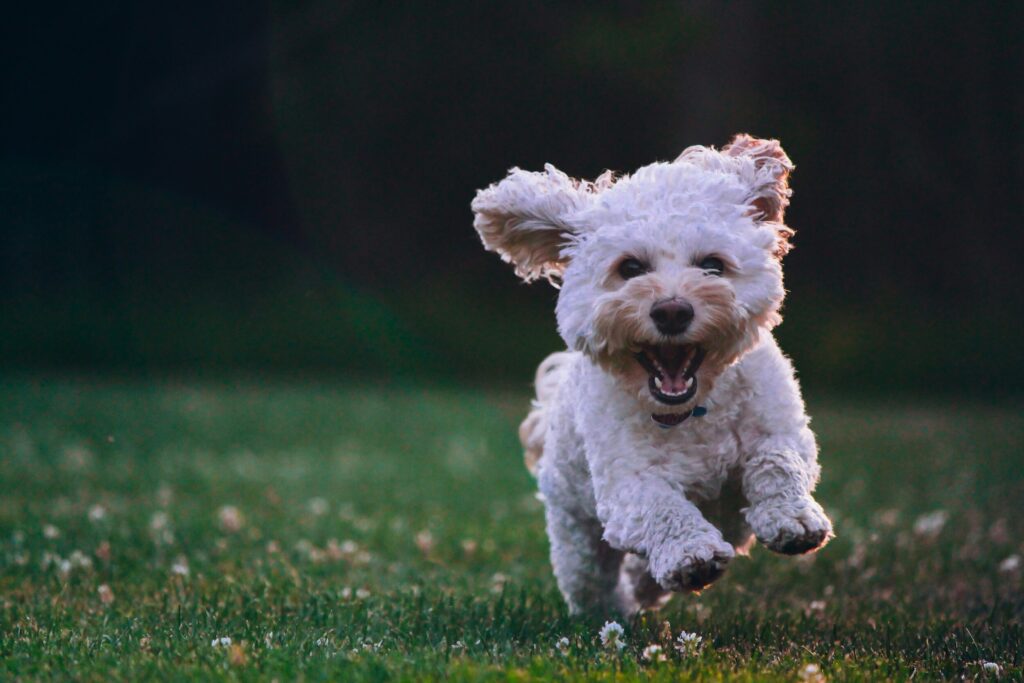
    Grooming Requirements for Active/Outdoor Dogs

    Grooming Area Needs for Active Dogs Grooming Tips
    Coat Maintenance Dirt, mud, debris, and allergens frequently embed in long or double coats. Weekly brushing, dematting treatments, and professional de-shedding from West Vancouver grooming studios.
    Paw & Nail Care Paws endure harsh terrain; nails wear unevenly. Can develop cuts, burns, or ice-ball buildup. Paw balm, routine trims, and debris checks. Use services offered by Vancouver pet groomers.
    Ear Cleaning Swimming or dirt buildup increases ear infections. Weekly ear checks, cleaning solutions, and deep ear grooming support from West Van pet salons.
    Parasite & Skin Health High exposure to ticks, fleas, and mites in grassy or wooded areas. Flea baths, medicated shampoos, and skin inspections from Downtown Vancouver grooming experts.
    Bathing Frequency Frequent activity necessitates more regular washes—ideally every 1-2 weeks depending on terrain exposure. Use hypoallergenic shampoos. Get assistance from West Van pet grooming professionals.

    The Science Behind Grooming Outdoor Dogs

    Outdoor dogs face environmental stressors such as UV rays, dust, mold, road salt, and bacteria. Their coat acts as the first line of defense but needs active upkeep to remain effective. For instance, long-coated breeds like Golden Retrievers or Bernese Mountain Dogs are prone to matting and debris entrapment, while short-coated dogs like Labs benefit from oil-regulation and coat shine when groomed properly. Moreover, moisture-retaining areas such as armpits and groin can cause fungal infections if not properly cleaned and dried after outdoor play.

    Weekly grooming helps control the dog’s skin microbiome and prevents hot spots, dermatitis, and yeast infections. This becomes especially important in humid environments like coastal B.C., where moisture and debris can worsen skin conditions. Professional Downtown Vancouver grooming services offer treatments with anti-fungal shampoos, skin-soothing conditioners, and targeted brushing for coat type and condition.

    Advanced coat care treatments—like blow-outs, undercoat raking, or enzymatic deodorizers—are also key services available in West Vancouver grooming clinics for dogs regularly exposed to nature. These reduce allergen retention, minimize odors, and improve coat insulation for colder hikes or mountain adventures.

    Grooming Schedule for Outdoor Dogs by Activity Level

    Every dog’s grooming frequency should match its activity level. Dogs walking 2–5 km daily on concrete require less maintenance than dogs running in wooded trails, snow, or off-leash parks. Here’s a guideline:

    • Low-Activity Urban Dogs (1–3 km walks)
      Grooming Frequency: Every 4 weeks
      Focus: Nail trims, paw cleaning, light brushing

    • Moderate Outdoor Dogs (daily 5–10 km hikes or park runs)
      Grooming Frequency: Every 2–3 weeks
      Focus: Full coat brushing, ear & paw cleaning, anti-parasite wash

    • High-Activity Dogs (trail running, camping, beach/swimming dogs)
      Grooming Frequency: Weekly
      Focus: Bathing, dematting, tick/flea treatment, paw balm application

    Custom grooming plans, especially for these high-energy pets, are available through Downtown Vancouver pet grooming experts and trusted West Vancouver animal grooming providers. These facilities also track skin/coat changes and adjust grooming protocols over time.

    Why Choose a Professional Groomer for Active Dogs?

    DIY grooming can only go so far. Active dogs require not only cosmetic care but also therapeutic grooming. Ticks hidden under the armpits, mats forming under the belly, or burrs embedded in paw pads can cause long-term discomfort. Trained pet stylists in Vancouver’s downtown grooming salons use coat-type-specific brushes (e.g., rake combs for double coats, slicker brushes for poodles) and non-irritating shampoos to remove dirt and pests.

    Many West Vancouver grooming specialists also use blow-drying techniques that prevent bacteria buildup and offer paw soaks that detoxify and hydrate. Additionally, they provide preventive care advice, such as waterproof coat sprays or pre-hike grooming routines that reduce post-adventure damage.

    Clients using professional services report 40% fewer skin issues and more manageable coats, particularly in breeds like Huskies, Border Collies, and Doodles. For dogs with sensitive skin or allergy-prone breeds, groomers often use oatmeal baths or hypoallergenic conditioners that go beyond what over-the-counter products offer.

    Expert Tips to Groom Your Outdoor Dog at Home

    While regular visits to Vancouver grooming salons or West Vancouver grooming centers are crucial, home routines between appointments matter:

    1. Use a high-velocity dryer after baths to fully dry the undercoat—moisture causes fungal buildup.

    2. Inspect paws and ears daily after hikes—remove debris and apply dog-safe antiseptic if needed.

    3. Invest in a deshedding tool like the Furminator to manage coat shedding in heavy-shedding breeds.

    4. Check for ticks and fleas using a flea comb, especially during spring and summer.

    5. Apply paw wax or balm to protect against hot pavement and icy conditions.

    Incorporate these into a weekly routine and supplement with professional Downtown Vancouver dog spa appointments to cover deep-cleaning needs.

    Final Thoughts

    Grooming is not just about appearances—it’s integral to your dog’s overall well-being, especially if they lead an active, outdoor lifestyle. With consistent coat care, paw maintenance, and professional grooming support, your furry companion can fully enjoy the great outdoors without discomfort. Whether you’re near Ambleside, Coal Harbour, or Stanley Park, reputable grooming services in West Vancouver and Downtown Vancouver are ready to support your pet’s adventurous journey. Give them the care they deserve—inside and out.

  • Why Teeth Brushing Matters

    Why Teeth Brushing Matters

    Why Teeth Brushing Matters: The Key to Your Pet’s Oral and Overall Health

    Daily teeth brushing is not just a human habit—it’s a crucial part of your dog or cat’s grooming routine. Dental care directly impacts your pet’s quality of life, longevity, and even behavioral well-being. While professional cleanings at trusted Downtown Vancouver dog grooming specialists or West Vancouver grooming salons for cats and dogs are recommended regularly, what you do at home matters most. Brushing your pet’s teeth can reduce the risk of periodontal disease by over 80%, enhance their comfort, and minimize expensive vet visits. In this blog, we dive deep into why brushing your pet’s teeth is a vital part of responsible grooming, how to do it properly, and the role of professional groomers in oral health support.

    Understanding the Impact of Dental Hygiene on Pet Health

    Factor Effect Without Brushing Benefit of Regular Brushing
    Bacterial Load in Mouth Increased plaque and tartar in <3 days Up to 80% reduction in plaque within 30 days
    Periodontal Disease Risk Affects 85% of dogs and 70% of cats by age 3 Delay or prevent periodontal disease entirely
    Bad Breath (Halitosis) Noticeable in 90% of pets without brushing Fresher breath noticeable in 1–2 weeks
    Systemic Disease (Heart/Kidney) Bacteria enter bloodstream from infected gums Oral care helps prevent systemic bacterial infections
    Cost of Treatment Frequent scaling, extractions, medications Preventive care reduces long-term veterinary and dental procedures

    The Science Behind Brushing: Why It’s Not Optional

    Veterinary dentists emphasize that dental disease starts invisibly—below the gum line. Plaque begins to form within hours of eating. When it mineralizes into tartar, it harbors harmful bacteria that attack gum tissue and bones. Brushing physically disrupts this process. Enzymatic toothpaste formulated for pets further neutralizes bacteria. By brushing your dog’s or cat’s teeth at least 3–4 times per week, you reduce the formation of biofilm and suppress inflammatory cytokines that lead to oral tissue degradation.

    Unfortunately, only about 7% of dog owners brush their pet’s teeth daily. As a result, dental cleanings become more frequent, and extractions become unavoidable. But through daily brushing and periodic visits to pet grooming experts in West Vancouver or Downtown Vancouver pet hygiene professionals, you can keep your pet’s mouth clean, healthy, and pain-free for years.

    Groomers are trained not just to clip nails and style coats, but also to detect oral abnormalities. When your furry friend visits a Downtown Vancouver grooming center for dogs and cats, the staff often check the mouth, teeth, and gums as part of the routine. Similarly, a visit to a West Vancouver pet grooming specialist can provide early detection of dental issues that owners may miss at home.


    How Professional Grooming Supports At-Home Dental Care

    Incorporating dental checks during grooming sessions complements your at-home brushing routine. At a Downtown Vancouver dog grooming facility, groomers can spot red flags like gingival redness, plaque buildup, or halitosis and recommend veterinary follow-up. Some pet salons even offer teeth-cleaning add-ons using vet-approved gels and brushes.

    At-home brushing should begin early. Start when your pet is a puppy or kitten to make oral care a natural part of their life. Use a soft-bristled toothbrush or finger brush and apply a pea-sized amount of pet toothpaste—never human toothpaste, which is toxic to animals. Brush using small circular motions, especially along the gumline. Aim for consistency over perfection: brushing every day yields the best protection, but even every other day is significantly better than none.

    Pairing this routine with a scheduled visit to a West Vancouver dog & cat grooming studio every 6–8 weeks helps maintain overall hygiene and reinforces oral cleanliness. These visits are not only for beautification—they’re a chance to reinforce health routines that protect your pet long-term.

    Whether you’re visiting a dog grooming salon near Downtown Vancouver or scheduling a checkup at a West Vancouver pet care facility, both complement your brushing efforts. A comprehensive grooming session gives professionals a chance to examine your pet’s mouth closely, which can be especially helpful for pets with thick coats or stubborn temperaments that resist brushing at home.


    Final Thoughts: Oral Health Is a Lifelong Commitment

    Oral health should never be treated as optional. Just like grooming your dog’s coat or trimming your cat’s nails, brushing their teeth should be a staple of their wellness regimen. Ignoring it leads to painful consequences—not just for your pet but also for your wallet.

    By brushing your pet’s teeth regularly and combining it with expert grooming support from West Vancouver grooming professionals for cats and dogs or Downtown Vancouver pet grooming experts, you’re investing in their comfort, health, and happiness.

    Commit today to a dental care routine, and use each visit to a Downtown Vancouver grooming salon or West Vancouver grooming clinic for pets as an opportunity to reinforce this essential aspect of care. After all, a healthy mouth means a healthier, more joyful pet—and a more peaceful home.

  • Tips to Prepare Your Dog for Grooming

    Tips to Prepare Your Dog for Grooming

    Tips to Prepare Your Dog for Grooming: A Complete Guide for Stress-Free Visits

    Grooming is not just a luxury for dogs—it’s essential for their overall health and wellbeing. Whether you’re getting your pup ready for a simple bath or a full grooming session, preparation makes a significant difference. In this guide, we cover expert-backed tips to help you prepare your dog for grooming appointments. Especially for residents looking for dog and cat grooming in West Vancouver, understanding how to train and calm your pet beforehand will lead to better results and less anxiety.


    Preparation Checklist: Dog Grooming Essentials

    Step Preparation Tip Tools/Actions Required Time Required
    1 Desensitize to Touch Touch paws, ears, tail gently daily 5–10 minutes daily
    2 Brush Coat Regularly Use breed-specific brushes 3–4 times per week
    3 Crate Training Familiarize dog with crate/travel 10 minutes twice daily
    4 Short Walk Before Appointment Calm energy levels 20–30 minutes
    5 Positive Reinforcement Treats, praise after grooming practice Ongoing

    1. Start Grooming Habits at Home Early

    One of the most overlooked dog grooming tips is early desensitization. Puppies and adult dogs alike benefit greatly when grooming becomes a part of their daily or weekly routine. You can begin by touching their paws, ears, and mouth area. This is crucial because professional groomers need access to these sensitive zones for trimming nails, cleaning ears, and brushing teeth.

    Start with short sessions and use positive reinforcement through treats or clicker training. If you live in the West Vancouver area and are considering professional help, building these habits at home will ease the transition into the grooming salon. Frequent brushing is particularly important for breeds like Golden Retrievers, Poodles, or Huskies, whose double coats are prone to matting.

    To learn how professionals handle different coat types and skin conditions, check out the grooming services provided at Petlux grooming salon in West Vancouver. Their experienced groomers can also give tailored advice for home maintenance.


    2. Use Professional Tools and Routine Scheduling

    You don’t need a full grooming kit to start at home, but having the right tools can make a significant difference. Use a pin brush for long-haired dogs and a rubber curry brush for short-haired breeds. Nail grinders are generally safer than clippers for beginners and reduce the risk of injury. Dental hygiene should also be part of your grooming schedule—aim for brushing teeth at least twice a week using dog-safe toothpaste.

    Most grooming experts recommend bathing your dog every 4–6 weeks, but this varies by breed, lifestyle, and coat type. If your dog often plays outdoors or has sensitive skin, consult your local groomer to set up a custom grooming frequency. For a reliable routine, West Vancouver grooming experts recommend maintaining a monthly appointment calendar.

    Additionally, crate training is essential if your pet gets anxious during transport. Practice short rides in the car and gradually increase duration. Some dogs benefit from anti-anxiety wraps or pheromone sprays before travel. If you’re scheduling grooming in North Shore, consider choosing a facility like Petlux grooming in West Vancouver where trained professionals can accommodate anxious or reactive pets.


    3. The Day of Grooming: Final Prep Tips

    On the day of grooming, your goal should be to minimize your dog’s stress. Take them on a brisk walk beforehand to burn off excess energy. Don’t feed them a large meal right before the appointment, but ensure they’ve had water and a light snack. Avoid punishing or scolding your dog if they resist being handled; instead, redirect their focus with treats and calm encouragement.

    Bring along familiar items like a blanket or toy if your dog is going to be left at the salon. Share your dog’s behavior patterns and sensitivities with the groomer, especially if you’re visiting West Vancouver grooming specialists. Transparency helps the groomer adjust techniques accordingly. Also, ensure vaccinations are up to date and your dog is flea-free—most reputable groomers, including Petlux West Vancouver, require this before accepting appointments.

    After grooming, give your dog time to rest. Monitor for any signs of skin irritation or stress, and provide treats to reinforce the positive experience. Regular grooming not only enhances your dog’s appearance but also contributes to their long-term health. If you haven’t already, consider booking with West Vancouver’s professional dog grooming team to receive personalized service that caters to your dog’s specific needs.