Tag: dog desensitization grooming

  • Puppy’s First Grooming Session

    Puppy’s First Grooming Session

    Puppy’s First Grooming Session: What to Expect, Technical Insights, and Tips for a Stress-Free Experience

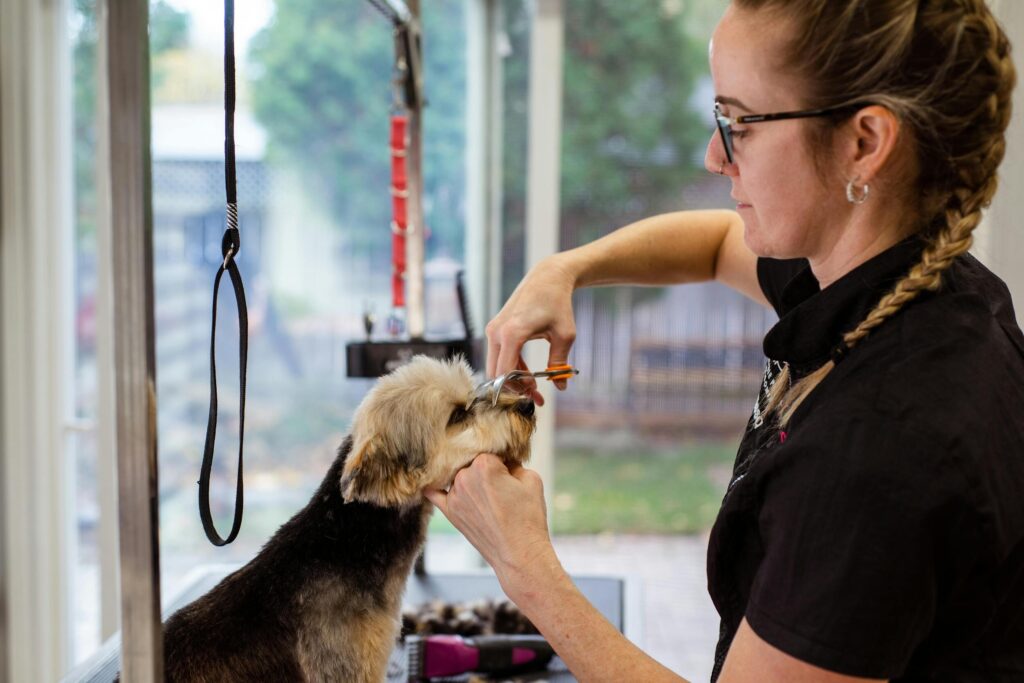
    Your puppy’s first grooming session is more than a simple bath and brush—it’s a foundational experience that sets the tone for a lifetime of healthy coat care, proper hygiene, and positive grooming behavior. Grooming a puppy involves a detailed understanding of canine dermatology, coat types (from single to double-coated breeds), and the integration of desensitization techniques to prevent future grooming anxiety. Professional groomers begin by assessing the puppy’s temperament and physical condition, including checking for matting, skin sensitivity, and breed-specific grooming needs. Depending on breed and age, a first-time session may include a warm hydro-massage bath with pH-balanced puppy shampoo, gentle blow-drying using low-noise, low-heat dryers, nail trimming with rotary grinders to prevent splintering, ear cleaning using veterinary-approved solutions, and sanitary trimming for hygiene. Early grooming introduces your puppy to tools like clippers, slicker brushes, grooming tables, and restraint loops—all handled with gentle reinforcement and positive rewards. Many experts recommend starting grooming between 10 and 12 weeks, after the first round of vaccinations, to avoid behavioral issues later. In areas like West Vancouver’s premium pet salons, groomers are trained to deliver age-appropriate services, with a focus on minimizing stress and creating a calm, puppy-safe environment.
    Grooming Service Puppy-Safe Procedure Technical Benefit
    Bath & Blow-Dry Warm water bath with tear-free puppy shampoo, towel dry, followed by low-noise blow drying with adjustable airflow Maintains coat integrity, removes allergens, and prevents mat formation
    Nail Trimming & Filing Use of safety clippers and nail grinders, avoiding quick exposure in translucent puppy nails Promotes proper paw structure and prevents splaying or trauma
    Ear Cleaning Non-invasive ear wipe or gentle solution irrigation, depending on breed ear shape Reduces risk of otitis externa and buildup of bacteria
    Face, Feet & Sanitary Trim Rounded tip shears for facial hair, paw pads, and rear trimming, designed to minimize movement discomfort Encourages hygiene, especially in toy breeds or long-coated puppies
    Desensitization & Handling Gradual introduction to clippers, brushes, grooming tables, and hand scissoring through positive reinforcement and short duration exposure Builds trust and reduces future grooming fear or aggression

    As your puppy enters the grooming table for the first time, certified stylists focus on controlled exposure to grooming tools. A first grooming is not about perfection, but about association—ensuring the pup connects grooming with safety, comfort, and positive socialization. If your puppy is a breed that requires regular grooming like a Poodle, Bichon Frise, or Maltese, early exposure to trimming and coat conditioning can prevent trauma later. Downtown Vancouver grooming experts prioritize this early experience by tailoring services to both the dog’s coat density and emotional response. Key terms like “clipper familiarity,” “ear desensitization,” and “grooming loop tolerance” may sound technical, but they represent measurable steps in your dog’s grooming development plan. Puppies with high grooming needs benefit from an early schedule of 4-6 week intervals to create coat consistency and avoid matting, which can cause painful skin pulling. Whether you’re in the heart of Vancouver’s urban core or seeking puppy grooming specialists in West Van, choosing a salon familiar with stress-reducing techniques and breed-specific protocols ensures your puppy’s wellbeing.

    Most puppy coats transition around 6 months from soft, downy hair to their adult coat, which can range from wiry and short to dense and curly. This is the optimal time for introducing undercoat rakes, pin brushes, and coat-specific conditioning products. Puppies prone to matting, such as Doodles or Cockapoos, should be trained early to accept gentle line brushing—a method where the groomer brushes section by section close to the skin, removing tangles without irritating the epidermis. High-quality grooming in pet-friendly Downtown salons often includes feedback on coat health, early signs of skin allergies, and even behavioral notes for pet parents. If you’re considering a luxury grooming routine, consider booking your sessions with salons in North Shore grooming boutiques that offer full coat management plans, coat-product compatibility testing, and breed-standard grooming schedules. Each of these small grooming choices in a puppy’s early life affects long-term coat quality, health maintenance, and even your pet’s confidence. Investing in professional grooming early is not only a cosmetic decision, but a preventative health strategy that aligns with holistic pet care.

    Whether you’re scheduling your puppy’s first appointment at a boutique spa near West Van’s waterfront grooming centers or a modern pet salon in Downtown Vancouver’s grooming studios, the foundation you lay now determines how your dog will tolerate grooming for the next 10 to 15 years. Look for facilities that provide fear-free handling certification, puppy-specific session durations (typically 60–75 minutes), and a customizable grooming schedule tailored to coat type and lifestyle. A structured grooming environment, combined with positive training reinforcement at home, can make a measurable difference in long-term comfort and health. Especially in climates like British Columbia where wet weather encourages coat dampness and skin irritants, regular grooming with blow-drying and undercoat management is essential. Trust your puppy’s care to specialists in West Vancouver’s tailored dog salons or experienced stylists in Downtown Vancouver’s puppy-friendly grooming facilities who understand that first grooming isn’t about aesthetics—it’s about education, bonding, and creating a healthy foundation for your furry companion.

  • Tips to Prepare Your Dog for Grooming

    Tips to Prepare Your Dog for Grooming

    Tips to Prepare Your Dog for Grooming: A Complete Guide for Stress-Free Visits

    Grooming is not just a luxury for dogs—it’s essential for their overall health and wellbeing. Whether you’re getting your pup ready for a simple bath or a full grooming session, preparation makes a significant difference. In this guide, we cover expert-backed tips to help you prepare your dog for grooming appointments. Especially for residents looking for dog and cat grooming in West Vancouver, understanding how to train and calm your pet beforehand will lead to better results and less anxiety.


    Preparation Checklist: Dog Grooming Essentials

    Step Preparation Tip Tools/Actions Required Time Required
    1 Desensitize to Touch Touch paws, ears, tail gently daily 5–10 minutes daily
    2 Brush Coat Regularly Use breed-specific brushes 3–4 times per week
    3 Crate Training Familiarize dog with crate/travel 10 minutes twice daily
    4 Short Walk Before Appointment Calm energy levels 20–30 minutes
    5 Positive Reinforcement Treats, praise after grooming practice Ongoing

    1. Start Grooming Habits at Home Early

    One of the most overlooked dog grooming tips is early desensitization. Puppies and adult dogs alike benefit greatly when grooming becomes a part of their daily or weekly routine. You can begin by touching their paws, ears, and mouth area. This is crucial because professional groomers need access to these sensitive zones for trimming nails, cleaning ears, and brushing teeth.

    Start with short sessions and use positive reinforcement through treats or clicker training. If you live in the West Vancouver area and are considering professional help, building these habits at home will ease the transition into the grooming salon. Frequent brushing is particularly important for breeds like Golden Retrievers, Poodles, or Huskies, whose double coats are prone to matting.

    To learn how professionals handle different coat types and skin conditions, check out the grooming services provided at Petlux grooming salon in West Vancouver. Their experienced groomers can also give tailored advice for home maintenance.


    2. Use Professional Tools and Routine Scheduling

    You don’t need a full grooming kit to start at home, but having the right tools can make a significant difference. Use a pin brush for long-haired dogs and a rubber curry brush for short-haired breeds. Nail grinders are generally safer than clippers for beginners and reduce the risk of injury. Dental hygiene should also be part of your grooming schedule—aim for brushing teeth at least twice a week using dog-safe toothpaste.

    Most grooming experts recommend bathing your dog every 4–6 weeks, but this varies by breed, lifestyle, and coat type. If your dog often plays outdoors or has sensitive skin, consult your local groomer to set up a custom grooming frequency. For a reliable routine, West Vancouver grooming experts recommend maintaining a monthly appointment calendar.

    Additionally, crate training is essential if your pet gets anxious during transport. Practice short rides in the car and gradually increase duration. Some dogs benefit from anti-anxiety wraps or pheromone sprays before travel. If you’re scheduling grooming in North Shore, consider choosing a facility like Petlux grooming in West Vancouver where trained professionals can accommodate anxious or reactive pets.


    3. The Day of Grooming: Final Prep Tips

    On the day of grooming, your goal should be to minimize your dog’s stress. Take them on a brisk walk beforehand to burn off excess energy. Don’t feed them a large meal right before the appointment, but ensure they’ve had water and a light snack. Avoid punishing or scolding your dog if they resist being handled; instead, redirect their focus with treats and calm encouragement.

    Bring along familiar items like a blanket or toy if your dog is going to be left at the salon. Share your dog’s behavior patterns and sensitivities with the groomer, especially if you’re visiting West Vancouver grooming specialists. Transparency helps the groomer adjust techniques accordingly. Also, ensure vaccinations are up to date and your dog is flea-free—most reputable groomers, including Petlux West Vancouver, require this before accepting appointments.

    After grooming, give your dog time to rest. Monitor for any signs of skin irritation or stress, and provide treats to reinforce the positive experience. Regular grooming not only enhances your dog’s appearance but also contributes to their long-term health. If you haven’t already, consider booking with West Vancouver’s professional dog grooming team to receive personalized service that caters to your dog’s specific needs.