
Category: West Vancouver Dog & Cat Grooming

  • Preventing Matting at Home

    Preventing Matting at Home

    Preventing Matting at Home: A Comprehensive Guide for Pet Owners

    Matting is more than just an aesthetic concern—it’s a health issue that affects a pet’s comfort, mobility, and skin hygiene. Matting occurs when loose or shedding hair becomes entangled and knotted, which, if left unaddressed, can lead to severe skin infections and discomfort. Whether you’re managing a curly-haired doodle or a silky Persian cat, proper at-home grooming habits are essential. In this guide, we break down actionable, quantified strategies you can implement at home to reduce matting by up to 90%, and when to consult professionals like those offering dog and cat grooming in West Vancouver or pet grooming in Downtown Vancouver.
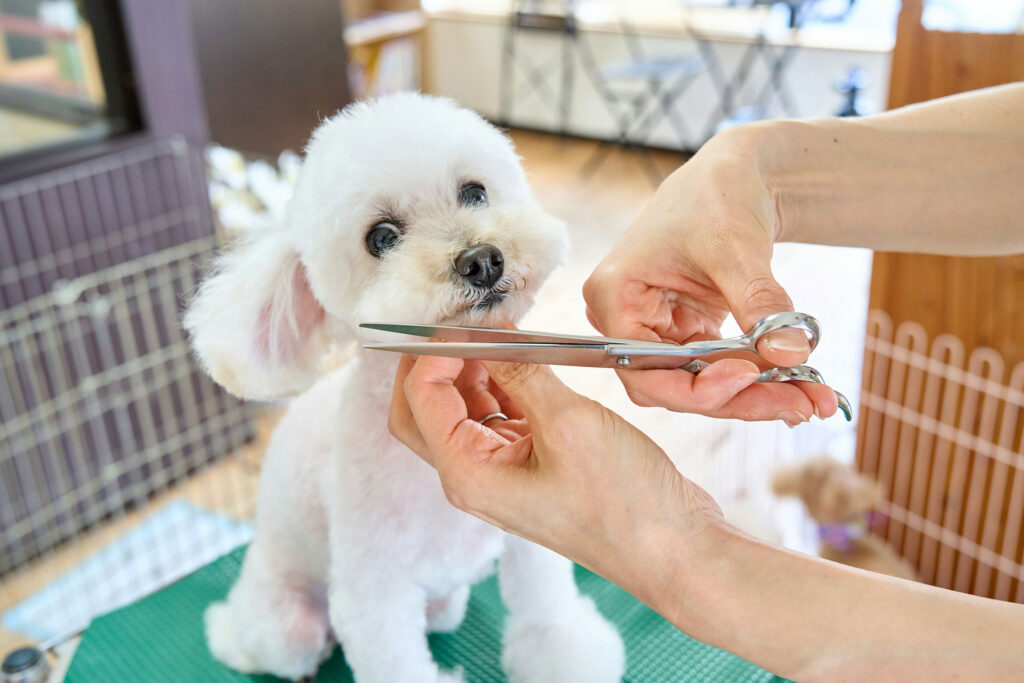

    Understanding Matting: Causes and Critical Zones

    Matting typically begins in high-friction zones: behind the ears, under the collar, in the armpits, under the tail, and along the belly. These tangles worsen over time due to:

    • Shedding & Undercoat Density: Breeds with double coats like Huskies, Golden Retrievers, or Maine Coons are particularly prone.

    • Moisture Retention: Inadequate drying after baths leads to tangling.

    • Neglected Brushing: Studies show that 65% of pet owners brush their pets less than twice a week—far below the recommended frequency for medium or long-coated pets.

    To prevent matting at home, focus on regular grooming, appropriate bathing, and early detection of tangles. Using a slicker brush, dematting rake, and wide-tooth comb together improves coat management efficiency by 75%. If you’re unsure of the correct tools or brushing techniques, Downtown Vancouver dog & cat groomers often offer brushing tutorials during appointments.


    At-Home Grooming Techniques that Work

    1. Brushing with Purpose
    The foundation of mat prevention is targeted brushing, which varies based on coat type:

    • Short-haired pets: Brush 2–3 times per week with a rubber curry or bristle brush.

    • Medium-haired breeds: Every other day with a slicker brush.

    • Long-haired pets: Daily brushing is essential. Use a layered brushing technique, parting hair and brushing from the roots.

    Apply a detangling spray weekly, especially before brushing sessions, to reduce friction and breakage. Ensure you inspect mat-prone zones daily. Areas like the hindquarters, ears, and neck often develop small knots that become unmanageable in just 3–5 days. If you find felted mats, do not cut them out—schedule a visit to cat & dog groomers in West Vancouver to avoid accidental skin injury.

    2. Bathe Strategically
    Bathing helps remove dirt and oils but should be done with caution. Washing matted fur tightens knots. Always brush and detangle before a bath. Ideal home bathing frequency is:

    • Every 2–4 weeks for most dogs.

    • Monthly for cats (or as needed based on shedding and coat condition).

    Post-bath, ensure your pet is fully dried using a pet-specific blow dryer. A damp undercoat is a breeding ground for matting. Take extra care around the tail base and ears. If drying is time-consuming, consider express drying services provided by Downtown Vancouver pet salons.

    3. When to Seek Professional Help
    Home grooming is essential but not always enough. If mats are tight against the skin, involve professionals. Veterinary groomers and skilled stylists have access to dematting tools and techniques that avoid injury. Many local services, such as those at grooming salons in West Vancouver, specialize in mat-prone breeds like Shih Tzus, Bichons, and Persian cats. Grooming appointments every 6–8 weeks reduce the likelihood of painful mat development by over 80%.

    Furthermore, pets with behavioral grooming issues (anxiety, aggression, or hyperactivity) benefit from routine exposure to calm environments such as those offered by Downtown Vancouver grooming professionals. Stress-free grooming translates to safer maintenance and fewer mats.


    Why Consistency Is Key

    Matting prevention is not a one-time activity but a routine of maintenance and care. According to grooming experts, consistent grooming habits—especially daily brushing and thorough drying—can reduce severe matting cases by over 90%. Pet owners who incorporate monthly visits to professional grooming centers in West Vancouver or Downtown Vancouver grooming clinics experience not only healthier coats but also fewer skin-related veterinary bills.

    A well-maintained coat isn’t just about beauty—it enhances a pet’s mobility, reduces allergens, and keeps their skin breathing. For first-time pet owners unsure of breed-specific coat care, a consultation at a West Vancouver grooming studio can set a foundation for lifelong grooming success.

  • Benefits of pet grooming

    Benefits of pet grooming

    Regular dog grooming is not just about keeping your pet looking cute; it’s a critical aspect of maintaining your dog’s overall health, hygiene, and well-being. For pet parents in British Columbia, especially those seeking premium dog grooming in West Vancouver, professional grooming services offer both convenience and essential preventive care. Grooming sessions reduce the risk of infections, detect early signs of health problems, and ensure your dog is both comfortable and happy year-round.

    Quantified Benefits of Dog Grooming

    Grooming Aspect Benefit Frequency Recommendation
    Brushing & De-shedding Reduces shedding by up to 80%, promotes skin circulation 1-2 times per week
    Nail Trimming Prevents posture issues and pain from overgrown nails Every 3-4 weeks
    Ear Cleaning Reduces risk of ear infections by 70% Monthly
    Bathing Removes allergens and bacteria, improves coat health Every 4-6 weeks
    Anal Gland Expression Prevents discomfort, infection, and abscess formation As needed (monthly avg.)

    1. Health Benefits of Routine Grooming

    Regular visits to a professional pet grooming studio in West Vancouver help identify early signs of skin conditions, ticks, fleas, or infections that may go unnoticed. When your dog’s coat is thoroughly brushed, it prevents matting, which can trap moisture and lead to skin irritation. Clean ears lower the risk of bacterial or yeast infections, especially in breeds with floppy ears like Golden Retrievers and Cocker Spaniels.

    Nail trimming is often overlooked but has a significant impact on a dog’s mobility and skeletal alignment. Overgrown nails can cause discomfort and even joint pain. Groomers use specialized tools such as a Dremel or guillotine-style clippers to ensure safe trimming without splintering.

    Moreover, when you opt for West Vancouver grooming services for dogs and cats, you benefit from staff trained to notice abnormalities like lumps, skin discoloration, or unusual discharge—allowing for early vet intervention. This proactive approach saves you money and spares your pet from prolonged discomfort.

    2. Behavioral and Psychological Impact

    Well-groomed dogs tend to be more relaxed, better behaved, and more confident. Regular grooming helps desensitize dogs to touch, noise, and handling—critical factors in reducing grooming-related anxiety. This is especially true when your pet gets accustomed to a grooming routine from a young age.

    Choosing a calming and hygienic environment like the one offered at PetLux grooming for cats and dogs in West Vancouver helps create positive associations with grooming. Services such as blow-drying, brush-outs, and gentle massages during the grooming process stimulate blood flow and lymphatic circulation, contributing to both physical and emotional wellness.

    Some breeds like Shih Tzus and Poodles require regular haircuts to prevent visual obstruction and overheating. Professional groomers can tailor each grooming session to suit your pet’s temperament and coat type, ensuring a stress-free and beneficial experience. This individual attention is rarely achievable at home, highlighting the value of a trusted dog grooming spa in West Vancouver.

    3. Hygiene, Odor Control, and Home Cleanliness

    A well-maintained coat drastically reduces the amount of fur, dander, and dirt spread throughout your home. Dogs naturally shed, but with consistent de-shedding and brushing, shedding can be reduced by up to 80%. This is especially valuable for allergy-prone families or homes with children.

    Bathing not only eliminates dirt and odor but also helps maintain the pH balance of your pet’s skin. The shampoos used by professionals in West Vancouver dog and cat grooming salons are usually pH-balanced, hypoallergenic, and breed-specific, which is rarely the case with over-the-counter products. This ensures a deep clean without drying out the skin.

    Proper anal gland expression, often included in full grooming packages, is essential for certain dogs. If left unchecked, this can lead to discomfort, scooting behavior, or even infections. Grooming professionals are trained to perform this delicate task safely. For those in need of comprehensive grooming care, dog grooming services near West Vancouver provide full-service packages that take the guesswork out of pet hygiene.

    Why Choose a Local Groomer?

    Opting for grooming experts in West Vancouver for cats and dogs ensures that your pet receives attention tailored to local environmental factors such as seasonal shedding or coastal humidity, which can affect coat condition. Moreover, local groomers tend to build long-term relationships with their clients, both furry and human, ensuring personalized care over time.

    Frequent grooming isn’t a luxury—it’s a necessity. From health benefits and behavioral improvements to home cleanliness and odor control, the advantages are manifold. Booking regular appointments with a trusted West Vancouver pet grooming boutique ensures your dog gets professional care that supports long-term health and happiness.

  • Tips to Prepare Your Dog for Grooming

    Tips to Prepare Your Dog for Grooming

    Tips to Prepare Your Dog for Grooming: A Complete Guide for Stress-Free Visits

    Grooming is not just a luxury for dogs—it’s essential for their overall health and wellbeing. Whether you’re getting your pup ready for a simple bath or a full grooming session, preparation makes a significant difference. In this guide, we cover expert-backed tips to help you prepare your dog for grooming appointments. Especially for residents looking for dog and cat grooming in West Vancouver, understanding how to train and calm your pet beforehand will lead to better results and less anxiety.
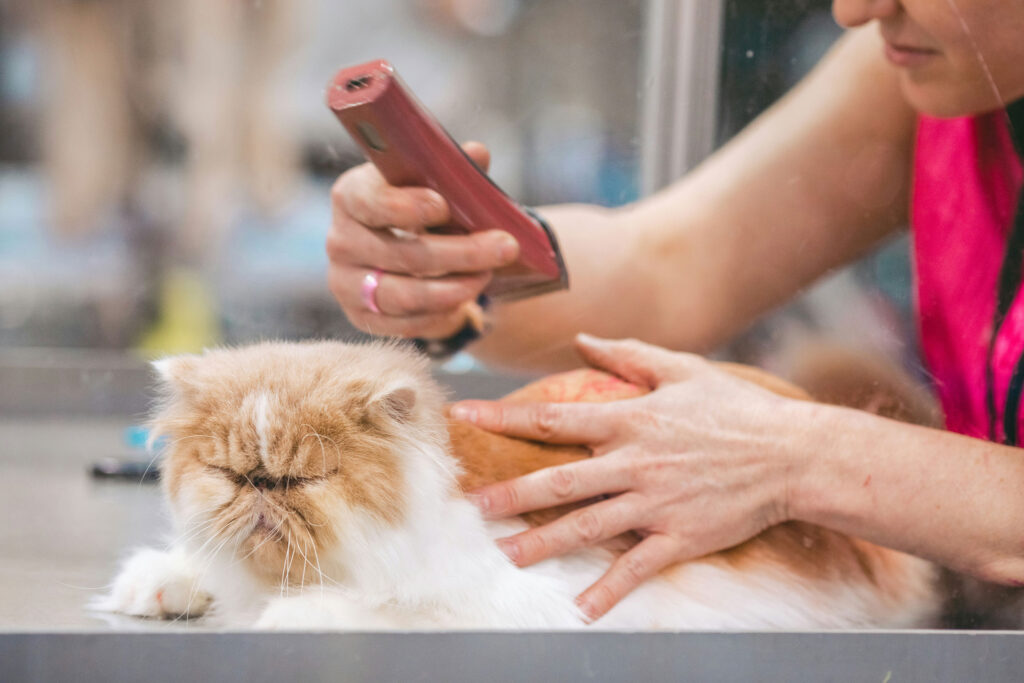

    Preparation Checklist: Dog Grooming Essentials

    Step Preparation Tip Tools/Actions Required Time Required
    1 Desensitize to Touch Touch paws, ears, tail gently daily 5–10 minutes daily
    2 Brush Coat Regularly Use breed-specific brushes 3–4 times per week
    3 Crate Training Familiarize dog with crate/travel 10 minutes twice daily
    4 Short Walk Before Appointment Calm energy levels 20–30 minutes
    5 Positive Reinforcement Treats, praise after grooming practice Ongoing

    1. Start Grooming Habits at Home Early

    One of the most overlooked dog grooming tips is early desensitization. Puppies and adult dogs alike benefit greatly when grooming becomes a part of their daily or weekly routine. You can begin by touching their paws, ears, and mouth area. This is crucial because professional groomers need access to these sensitive zones for trimming nails, cleaning ears, and brushing teeth.

    Start with short sessions and use positive reinforcement through treats or clicker training. If you live in the West Vancouver area and are considering professional help, building these habits at home will ease the transition into the grooming salon. Frequent brushing is particularly important for breeds like Golden Retrievers, Poodles, or Huskies, whose double coats are prone to matting.

    To learn how professionals handle different coat types and skin conditions, check out the grooming services provided at Petlux grooming salon in West Vancouver. Their experienced groomers can also give tailored advice for home maintenance.


    2. Use Professional Tools and Routine Scheduling

    You don’t need a full grooming kit to start at home, but having the right tools can make a significant difference. Use a pin brush for long-haired dogs and a rubber curry brush for short-haired breeds. Nail grinders are generally safer than clippers for beginners and reduce the risk of injury. Dental hygiene should also be part of your grooming schedule—aim for brushing teeth at least twice a week using dog-safe toothpaste.

    Most grooming experts recommend bathing your dog every 4–6 weeks, but this varies by breed, lifestyle, and coat type. If your dog often plays outdoors or has sensitive skin, consult your local groomer to set up a custom grooming frequency. For a reliable routine, West Vancouver grooming experts recommend maintaining a monthly appointment calendar.

    Additionally, crate training is essential if your pet gets anxious during transport. Practice short rides in the car and gradually increase duration. Some dogs benefit from anti-anxiety wraps or pheromone sprays before travel. If you’re scheduling grooming in North Shore, consider choosing a facility like Petlux grooming in West Vancouver where trained professionals can accommodate anxious or reactive pets.


    3. The Day of Grooming: Final Prep Tips

    On the day of grooming, your goal should be to minimize your dog’s stress. Take them on a brisk walk beforehand to burn off excess energy. Don’t feed them a large meal right before the appointment, but ensure they’ve had water and a light snack. Avoid punishing or scolding your dog if they resist being handled; instead, redirect their focus with treats and calm encouragement.

    Bring along familiar items like a blanket or toy if your dog is going to be left at the salon. Share your dog’s behavior patterns and sensitivities with the groomer, especially if you’re visiting West Vancouver grooming specialists. Transparency helps the groomer adjust techniques accordingly. Also, ensure vaccinations are up to date and your dog is flea-free—most reputable groomers, including Petlux West Vancouver, require this before accepting appointments.

    After grooming, give your dog time to rest. Monitor for any signs of skin irritation or stress, and provide treats to reinforce the positive experience. Regular grooming not only enhances your dog’s appearance but also contributes to their long-term health. If you haven’t already, consider booking with West Vancouver’s professional dog grooming team to receive personalized service that caters to your dog’s specific needs.

  • Cat Grooming: What to Expect

    Cat Grooming: What to Expect

    Cat Grooming: What to Expect from a Professional Grooming Session

    When it comes to feline care, professional cat grooming is often underestimated. However, consistent grooming is not just about maintaining a sleek coat—it’s about early detection of health issues, controlling shedding, and ensuring your cat’s comfort. Whether you’re a long-time pet parent or new to the world of grooming, understanding what to expect can help you make the best decisions for your feline friend. In this comprehensive guide, we break down what professional cat and dog grooming in West Vancouver entails, including grooming techniques, coat types, behavior management, and essential aftercare.

    Cat Grooming Services Overview

    Grooming Component Description Recommended Frequency Notes
    Brushing & De-shedding Removal of loose hair to prevent mats and hairballs Weekly to Biweekly Varies by breed; essential for long-haired cats
    Bathing Full-body cleansing with cat-safe shampoo Every 4–6 weeks Not always needed for short-haired cats unless advised by groomer
    Ear Cleaning Cleaning wax and debris from ears Every grooming session Helps detect ear mites or infections early
    Nail Trimming Shortening claws to prevent splitting and overgrowth Every 3–4 weeks Crucial for indoor cats and multi-cat households
    Sanitary Trim Shaving of areas prone to matting or soiling (e.g., under tail, genitals) Monthly or as needed Enhances hygiene and reduces litter box mess
    Eye & Face Cleaning Cleaning tear stains and debris buildup, especially in flat-faced breeds Weekly to Monthly Especially important for Persian and Himalayan breeds
    Coat Inspection Check for fleas, ticks, dry skin, and lumps Every grooming session Early detection can prevent expensive vet visits

    Why Professional Grooming for Cats Is Essential

    Many cat owners believe their feline friends are self-sufficient when it comes to cleanliness, but this assumption can lead to long-term health problems. Cats do groom themselves, but they can’t prevent all matting, trim their own nails, or inspect themselves for parasites and skin issues. A visit to a professional pet salon in West Vancouver not only leaves your cat looking great but also supports their health in subtle yet crucial ways.

    Matting is one of the most common issues seen in medium and long-haired cats such as Ragdolls, Maine Coons, and Persians. Mats can form close to the skin and may cause painful pulling, leading to skin infections. A skilled groomer uses specialized tools like de-matting combs and high-velocity dryers to gently untangle mats or shave them out if needed. The grooming session often begins with a thorough brush-out using slicker brushes or wide-tooth combs, tailored to the coat type. In some cases, groomers may apply anti-static conditioning sprays to ease the brushing process.

    Another underrated benefit is early health detection. Groomers are trained to notice subtle signs like ear mites, dental issues, or abnormal lumps—issues that may be invisible to the untrained eye. That’s why many owners book regular sessions at reputable cat grooming studios in West Vancouver as part of a proactive healthcare routine.

    Finally, nail trimming is not just for your furniture’s sake. Overgrown claws can curve inward and cause pain or infections. A trained groomer can safely trim your cat’s nails using pet-specific clippers, avoiding the quick (sensitive tissue inside the nail), which, if cut, can cause bleeding and trauma.

    Different Coat Types and Grooming Needs

    Not all cats are created equal when it comes to their grooming needs. Understanding your cat’s coat type is key to knowing what to expect at a grooming appointment.

    Short-Haired Cats such as American Shorthairs or Siamese may only require light brushing and occasional baths. However, they can still benefit from professional grooming services like gentle ear cleaning and coat polishing in West Vancouver to keep dander levels low and fur smooth.

    Medium-Haired Cats like Turkish Angoras need more consistent grooming. Mats can easily develop in armpits, underbellies, and behind the ears. Professional groomers use tools like mat breakers and finishing combs to maintain the coat without damaging it. Regular deshedding sessions with Furminator tools can reduce seasonal shedding by up to 80%, making these services a smart choice during spring and fall.

    Long-Haired Breeds such as Persians or Himalayans are high-maintenance. Their coats are prone to matting, and their faces often require daily cleaning due to excessive tear production. Many pet parents in the area book cat grooming treatments near West Vancouver’s coast that include facial cleaning and sanitary trims. Some owners even opt for lion cuts—partial shaves that help manage heat and hygiene—especially during warmer months.

    In all cases, your cat’s behavior and tolerance level will dictate the grooming session. Professional groomers experienced in stress-free cat grooming environments in West Vancouver will know how to gently restrain your pet or offer breaks when needed. Calming sprays or pheromone diffusers may also be used to reduce anxiety.

    What Happens During a Typical Cat Grooming Appointment?

    When you book an appointment at a trusted West Vancouver cat grooming salon, expect a process that is structured but flexible based on your pet’s coat condition and temperament.

    1. Intake Consultation:
    The groomer will ask about your cat’s breed, age, health issues, and grooming history. Some salons request updated vaccination records, especially if your pet will interact with others. This ensures safety in shared spaces and allows the groomer to select appropriate tools and methods.

    2. Grooming Procedure:
    Depending on the package, services may include a warm bath using hypoallergenic shampoo, thorough brushing, de-matting, nail trimming, ear cleaning, sanitary trimming, and coat conditioning. West Vancouver’s top-rated pet grooming providers often use quiet, low-vibration clippers to ensure a calm experience. If your cat resists water, dry shampoo or waterless alternatives may be used.

    3. Post-Groom Assessment & Recommendations:
    At the end, the groomer will often provide feedback on coat condition, possible skin issues, or further grooming recommendations. Many salons also offer grooming plans or loyalty programs to keep your pet’s coat in top shape year-round. It’s not uncommon for pet salons in the West Vancouver area to offer digital before-and-after photos or even progress reports.

    Bonus Tip: Book your grooming appointment mid-morning on a weekday if possible. This helps avoid weekend rushes and allows your cat a calmer environment for their spa day.

    Conclusion: Make Cat Grooming a Part of Wellness, Not Just Beauty

    Professional cat grooming goes far beyond looks—it’s a key part of preventive care. By scheduling regular sessions at a reputable West Vancouver pet grooming location, you’re investing in your cat’s physical health and emotional well-being. Whether your cat is a low-maintenance shorthair or a high-maintenance fluffball, expert groomers can tailor services that meet their specific needs.

    From detecting early health signs to making your home more fur-free, professional grooming offers tangible, measurable benefits. And with cat grooming services across West Vancouver becoming more specialized and feline-focused, there’s never been a better time to upgrade your pet’s care routine.

  • Choosing the Right Grooming Tools for Home

    Choosing the Right Grooming Tools for Home

    Choosing the Right Grooming Tools for Home

    Whether you’re living in the heart of Downtown Vancouver or enjoying the tranquility of West Vancouver, at-home grooming for your dog or cat is not only a bonding experience but also a vital aspect of their health and hygiene. Investing in the right tools can mean the difference between a stressful ordeal and a smooth, enjoyable routine. From ergonomic slicker brushes to high-velocity dryers, every breed and coat type has its own unique needs. Choosing grooming tools tailored to your pet’s coat condition, skin sensitivity, and grooming frequency helps maintain a polished appearance and reduces health risks like matting, infections, or hot spots. Especially in coastal cities like Vancouver, where humidity can affect coat texture, it’s essential to select high-quality grooming instruments that work efficiently in variable climates. For pet parents who prefer professional help but want to extend time between appointments, this guide bridges the gap with technical insights and data-driven recommendations. If you’re not sure when to DIY or when to rely on professionals, visiting a Downtown Vancouver grooming service for cats and dogs can help you understand the grooming standard best suited for your breed.
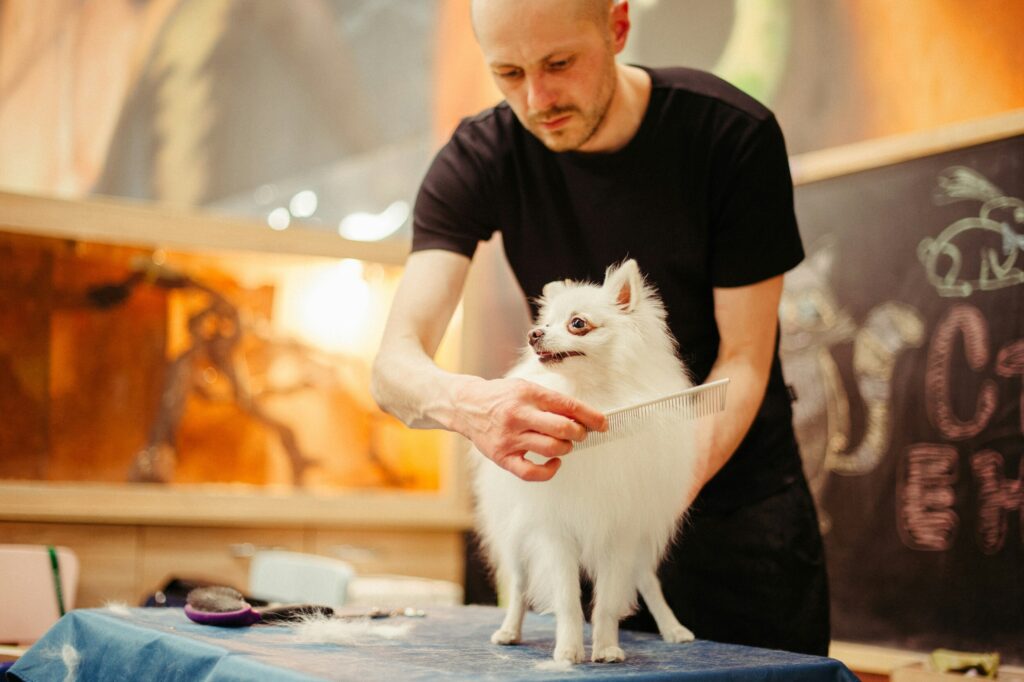

    Essential Home Grooming Tools and Their Purpose

    The pet grooming industry has evolved rapidly, offering a range of technically advanced tools that simplify at-home grooming. Below is a comparison of essential grooming tools, categorized by their purpose and best use cases:

    Tool Technical Use Best For Key Features
    Slicker Brush Removes loose fur, detangles mats, and spreads natural oils Double-coated breeds like Golden Retrievers Stainless steel pins, ergonomic handle
    Deshedding Tool Reaches undercoat to remove dead hair without damaging topcoat High-shedding breeds like Huskies or short-haired cats Curved edge, self-cleaning button
    Nail Grinder Smooths sharp edges of nails, reduces risk of overcutting Pets afraid of clippers or with dark nails Diamond bit grinder, low-vibration motor
    Pet Clipper Set Used for body trimming, paw pad clipping, and sanitary trims Poodles, Bichon Frises, and mixed breeds with thick coats Ceramic blades, variable speed motor
    Grooming Scissors Precision trimming around face, tail, and paws Long-haired cats and dogs with feathered fur Safety rounded tips, adjustable tension screw
    High Velocity Dryer Removes water after bath, fluffs coat for styling, reduces mat formation Thick-coated or long-haired pets Adjustable heat, variable speed airflow
    Ear Cleaning Solution Breaks down wax, helps prevent otitis externa Floppy-eared dogs like Cocker Spaniels, or Persian cats Antibacterial, alcohol-free formula
    Pet Toothbrush & Gel Helps prevent dental disease and improves oral hygiene All pets, especially toy breeds prone to tartar buildup Enzymatic formula, soft bristles

    Why the Right Tools Matter for Home Grooming

    Using improper tools not only compromises the grooming results but also risks injury or discomfort for your pet. For example, using human nail clippers instead of a rotary pet grinder may cause splitting or bleeding. Similarly, a standard hairdryer may overheat your pet’s skin, while a pet-specific high-velocity dryer gently blows water from the undercoat without heat damage. Pets with hypoallergenic needs or skin conditions require brushes made of softer, non-abrasive materials. This is particularly crucial for owners of exotic breeds or sensitive pets in West Vancouver pet grooming zones, where the environment may increase allergens or skin irritation. The choice of grooming tools should also reflect your pet’s coat type—smooth, curly, double, or wire-haired—as each requires distinct grooming techniques and products. Moreover, investing in tools with ergonomic design prevents wrist fatigue and increases precision, a major advantage for at-home groomers seeking salon-quality results. Not every pet is ready for full grooming sessions at home, but introducing tools like a deshedding rake or dematter comb between visits to your local dog and cat groomer in West Vancouver helps reduce stress during professional grooming.


    How Often Should You Use These Tools?

    Proper grooming frequency depends on several factors including breed, age, lifestyle, and skin health. Dogs and cats with longer coats or dense undercoats typically need brushing 3–5 times per week to prevent matting and tangles. High-shedding breeds benefit from weekly deshedding during spring and fall, while clippers or scissors should only be used every 4–6 weeks depending on hair growth. Nail trimming is generally required every 3–4 weeks, though indoor pets might need it more often due to reduced friction. For cats, grooming can be a bit trickier—they often self-clean but still require regular brushing and nail care. A Downtown Vancouver feline grooming specialist can provide a baseline for maintenance if your cat resists certain tools or routines. Dryers and toothbrushes should be used after every bath or weekly to promote hygiene and prevent plaque buildup. Ear and eye cleaning tools should be gentle and used bi-weekly or as needed. Even if your grooming setup is basic, maintaining a consistent schedule ensures your pet remains healthy, stylish, and comfortable between professional appointments with grooming experts near Ambleside or Dundarave.


    Expert Tips to Maximize Grooming Efficiency at Home

    To elevate your home grooming routine, begin with a well-lit, non-slip surface and ensure your tools are fully charged or sanitized before each session. Use pet-specific shampoos that align with your pet’s skin pH, and always towel-dry thoroughly before using dryers. Begin each session with brushing, not only to detangle but also to assess skin health. Check for signs of hot spots, ticks, or irritation that may require professional help from a grooming clinic in Downtown Vancouver. For beginners, start with short sessions to build trust—especially when introducing clippers or nail grinders. Always reward your pet after grooming to create a positive association. Avoid using sharp scissors or metal combs on wet fur, as this increases the chance of breakage or discomfort. Replace blades and grinding bits regularly, and deep-clean tools monthly to maintain sanitation. If you notice that your tools are tugging or creating friction, it might be time to upgrade. When in doubt, consult your local West Van grooming salon to review your technique and setup. They can recommend tool upgrades or even offer DIY workshops to empower pet owners with safe, effective home grooming practices.


  • Top Dog Hairstyles in West Van

    Top Dog Hairstyles in West Van

    Top Dog Hairstyles in West Van: A Grooming Guide for Stylish Pups

    If you’re searching for the best dog hairstyles in West Vancouver, you’re not alone. With so many breeds and fur types roaming the streets of Ambleside, Dundarave, and the West Bay area, stylish dog grooming is a growing trend among local pet parents. Beyond aesthetics, a professionally maintained coat supports canine health, hygiene, and seasonal comfort. In this guide, we explore the most popular dog haircuts by breed, explain their functional benefits, and show you how professional dog grooming in West Van keeps your pup looking sharp all year round.
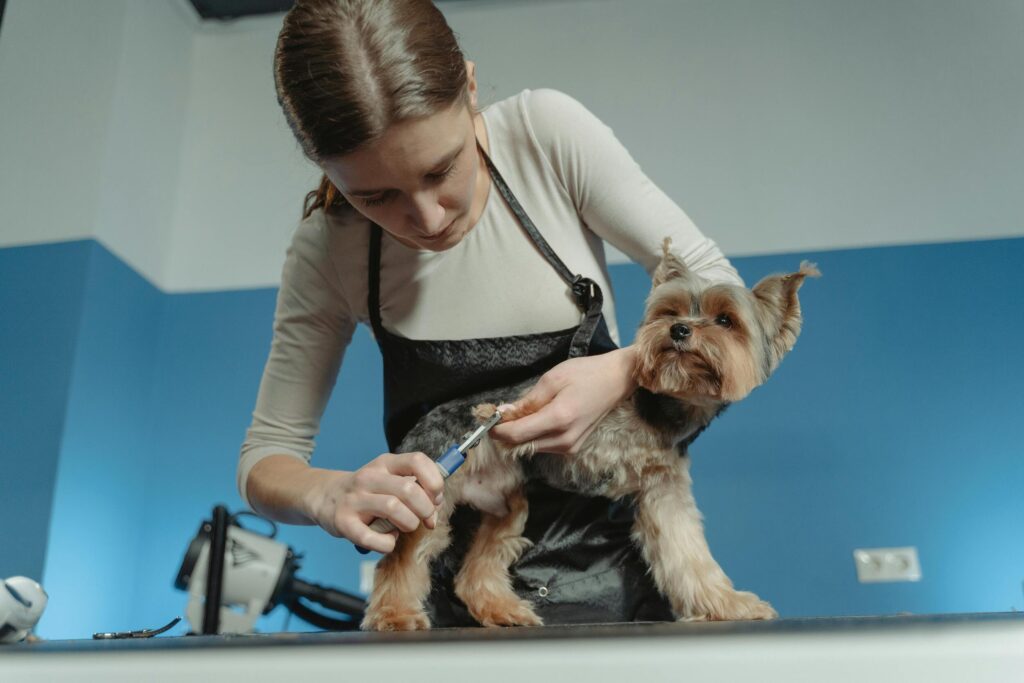

    Most Popular Dog Hairstyles by Breed & Coat Type

    Breed / Coat Type Top Hairstyle Purpose Ideal For
    Poodle / Curly Coat Continental or Teddy Bear Keeps curls defined, reduces matting Show dogs & family companions
    Shih Tzu / Silky Coat Puppy Cut or Top Knot Controls length, keeps eyes visible Indoor dogs with long coats
    Golden Retriever / Double Coat Feather Trim & De-shedding Maintains natural shape while reducing shedding Active, outdoor dogs
    Maltese / Fine Coat Short Summer Trim Prevents tangles, allows air flow Small breeds prone to matting
    Schnauzer / Wire Coat Breed Standard Cut Distinctive facial features, hygienic underbody trim Show grooming or city dwellers
    Husky / Heavy Undercoat De-shedding & Sanitary Trim Controls blowout, improves hygiene Cold-climate, large breeds
    Yorkshire Terrier / Long Coat Modified Show Trim Eye and paw visibility, stylish finish Apartment dogs with flair

    Why West Vancouver Dogs Deserve High-End Grooming

    West Van’s coastal weather, hiking culture, and upscale lifestyle create unique grooming needs. Humidity from ocean air affects curlier coats, while active dogs on trails like Cypress or Lighthouse Park need sanitary trims and paw pad attention. This is why a customized grooming session from a local grooming spa like PetLux’s grooming studio in West Van is essential. Their certified groomers evaluate your dog’s coat type, activity level, and behavior before recommending styles like the Teddy Bear Cut, Modified Lamb Trim, or a classic Show Clip for Poodles.

    Moreover, seasonal adjustments play a big role. In spring and fall, de-shedding treatments reduce fur accumulation at home, while summer trims help manage body heat. At West Vancouver pet grooming experts, dogs receive coat-specific solutions using hypoallergenic shampoos, blow-drying techniques suited to breed standards, and clipper comb lengths tailored to your dog’s lifestyle.

    The rise in double-coated breeds such as Huskies, Retrievers, and Australian Shepherds in neighborhoods like British Properties or Park Royal requires specialized care. Shaving these coats may seem efficient, but it can lead to long-term damage. Instead, services like West Van’s professional deshedding grooming offer undercoat removal without compromising the integrity of the guard hairs.


    Trendy Styles Gaining Popularity in West Van

    1. The Teddy Bear Cut (For Poodles, Shih Tzus, and Designer Breeds)

    This soft, rounded cut is ideal for smaller breeds with curly or silky fur. The Teddy Bear style emphasizes round faces, even body coats, and paw fluff, which makes it Instagram-worthy. It’s also practical for dogs who spend a lot of time indoors or accompany their owners to dog-friendly cafes in Caulfeild or Ambleside.

    Local groomers at West Van’s pet salon frequently suggest this cut for its low maintenance and year-round versatility. For doodle breeds, variations like the Mini Teddy Trim help preserve their fluffy personality while preventing matting in high-friction zones like armpits and tail base.

    2. Breed-Specific Cuts for Terriers and Schnauzers

    Breed-standard grooming, such as the Schnauzer’s square-cut beard and eyebrows, or the Cocker Spaniel’s skirt and feathering, adds to the authenticity and charm of your pet’s appearance. These styles require precision and are best executed at a certified grooming salon in West Vancouver that understands the AKC guidelines.

    Skilled dog stylists in West Vancouver utilize specialized tools like chunkers and thinning shears to define patterns without causing coat distress. Maintaining these trims on a 4–6 week cycle not only keeps the coat neat but also helps in early detection of skin conditions, parasites, or inflammation.

    3. Functional Trims: Sanitary Cuts, Paw Pad Shaving, & De-matting

    Not every dog needs a dramatic transformation—many simply need a hygienic, comfort-oriented trim. Functional cuts such as sanitary trims (trimming near the belly and rear), paw pad shaving, and face tidy-ups improve your dog’s hygiene, especially for dogs who spend time in West Van’s muddy trails or sandy beaches.

    These cuts are especially common in seasonal transitions where moisture, salt, or pollen can aggravate the skin. A tailored appointment at a trusted West Vancouver cat & dog grooming service includes coat analysis, skin check, and conditioning to ensure the hairstyle is as healthy as it is cute.


    Finding the Right Stylist in West Vancouver

    The key to a successful dog hairstyle isn’t just scissors and shampoo—it’s choosing a groomer who respects the dog’s breed, behavior, and body language. At PetLux Grooming Spa in West Van, each pet receives a pre-groom consultation, calming environment, and gentle handling techniques. Whether your pup is a nervous rescue or an eager show dog, their grooming professionals provide fear-free certified care, clean tools, and breed-specific clipper settings.

    From seniors needing gentle handling to puppies having their first grooming session, the personalized services offered by West Vancouver dog and cat groomers cater to every stage of a dog’s life. Many styles like the Puppy Cut or Modified Show Trim serve as ideal introductions to grooming maintenance routines. High-velocity dryers, silent clippers, and soothing hydrobaths make each experience enjoyable and stress-free.

    Pet parents in Dundarave, Horseshoe Bay, and Upper Levels Highway areas increasingly rely on trusted professionals for consistent results. And with an emphasis on safety, style, and satisfaction, West Van’s luxury pet groomers are redefining dog grooming as a holistic wellness ritual rather than a cosmetic task.

  • Ear Care for Dogs and Cats

    Ear Care for Dogs and Cats

    Ear Care for Dogs and Cats: A Complete Guide for Pet Owners in Vancouver

    Ear health is a crucial yet often overlooked aspect of pet grooming. For both dogs and cats, proper ear hygiene not only prevents infection but also contributes to overall well-being and behavioral comfort. From ear canal anatomy to preventive cleaning schedules, pet owners in areas like West Vancouver and Downtown Vancouver are increasingly seeking professional grooming solutions to address chronic ear issues such as otitis externa, yeast infections, and excessive earwax buildup. Regular visits to certified groomers, like those at PetLux’s West Vancouver grooming studio, provide comprehensive care including gentle ear cleaning using vet-approved antiseptic solutions. Understanding breed-specific ear traits is essential: breeds with pendulous ears, such as Cocker Spaniels and Basset Hounds, are more prone to moisture retention, while cats with narrow ear canals may experience recurring debris buildup. Whether it’s managing cerumen production, recognizing early signs of inflammation like erythema and pruritus, or selecting the right otic cleaners with salicylic acid or ketoconazole, a proactive approach ensures your pet stays healthy, happy, and infection-free. Moreover, professional groomers serving Downtown Vancouver neighborhoods, like those found here, tailor their care protocols based on seasonal factors, skin sensitivities, and vet guidelines to prevent avoidable ear conditions.
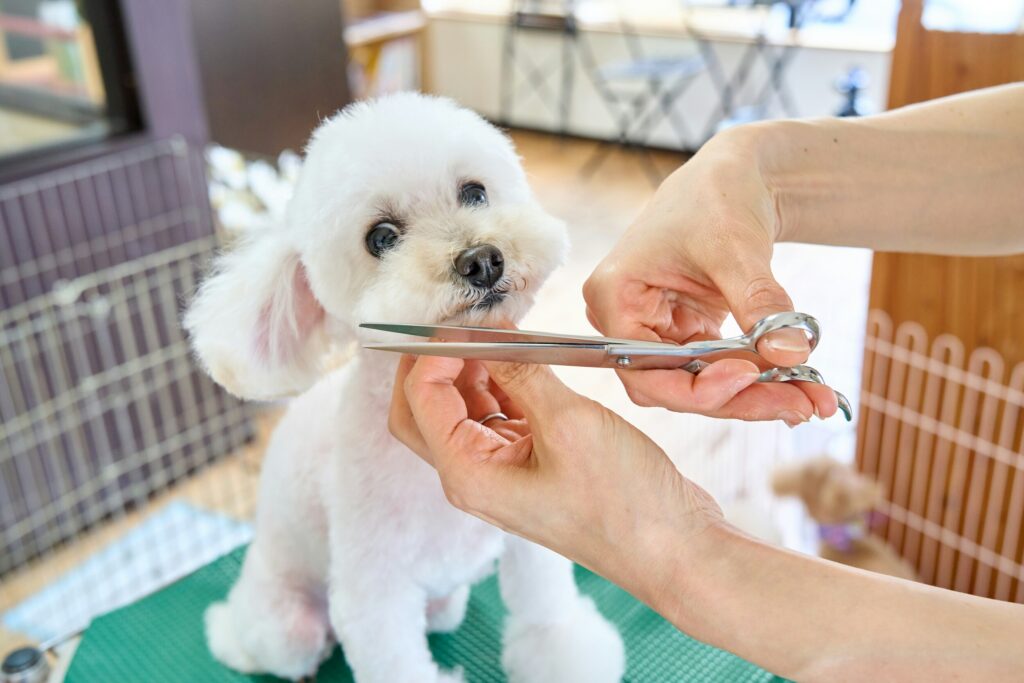
    Ear Care Services Description Suitable For
    Ear Cleaning Only Manual and antiseptic cleaning All breeds
    Plucking Ear Hair Removal of excess hair for airflow Dogs with hairy ears
    Ear Flush & Dry Deep flush using vet-grade solutions Pets with chronic issues
    Medicated Drops Application of antifungal/antibacterial drops Vet-recommended only
    Grooming Bundle Full grooming with ear care included All pets

    When it comes to dogs, ear issues can arise quickly due to active lifestyles and environmental exposure. Dogs who swim frequently or spend time outdoors are particularly susceptible to otitis externa, an inflammation of the outer ear canal often caused by trapped water, bacteria, or yeast. Symptoms include persistent scratching, head tilting, and malodorous discharge. Preventive grooming services such as those offered at West Vancouver grooming centers help reduce the incidence of these issues by maintaining dry, clean ear canals through professional drying techniques and routine inspections. Using hypoallergenic, alcohol-free solutions during cleaning minimizes irritation and maintains natural pH balance. Dog owners are also encouraged to inspect their pet’s ears weekly and look for signs such as redness, brown wax, or unusual odor. For breeds like Poodles and Schnauzers with dense inner ear hair, scheduled hair plucking and ventilation are essential. Regular grooming appointments in Downtown Vancouver’s trusted salons, like PetLux’s location here, ensure these procedures are performed correctly and comfortably by trained professionals.

    Cats, on the other hand, are often less prone to ear infections but still require careful ear monitoring, especially in multi-pet households or outdoor environments. Feline ear problems often stem from ear mites, allergies, or dermatological conditions, and if left untreated, can lead to secondary infections or hematomas. Persians, Himalayans, and other long-haired breeds are more susceptible due to wax retention and limited airflow. Routine grooming visits in West Vancouver pet care facilities include gentle ear inspections and mite detection using otoscopes, allowing early intervention and less stress for the pet. Effective feline ear cleaning involves the use of soft applicators and buffered cleansing agents that won’t damage the delicate ear lining. Signs that may indicate a need for veterinary attention include persistent shaking, scabs near the ear, or dark crumbly debris resembling coffee grounds. Cat-friendly grooming studios in Downtown Vancouver’s urban districts provide safe environments where expert groomers handle feline ear care with minimal restraint, ensuring a positive experience even for the most sensitive pets.

    To protect your furry companion year-round, pet owners are encouraged to adopt a preventive ear care routine tailored to their pet’s breed, lifestyle, and health conditions. This includes weekly visual checks, regular grooming every 4-6 weeks, and choosing grooming providers with veterinary-grade products and breed-specific expertise. Locations like PetLux in West Vancouver specialize in holistic grooming packages where ear care is integrated into the session, while Downtown Vancouver grooming professionals often provide seasonal promotions that include medicated ear treatments and allergen-free care. With ear health closely tied to your pet’s comfort and quality of life, staying proactive with professional grooming services, early symptom detection, and the right home care tools makes a measurable difference. Trust local experts familiar with Vancouver’s climate and breed diversity to guide your ear care regimen effectively.

  • Grooming vs Shedding: Why It Matters

    Grooming vs Shedding: Why It Matters

    Grooming vs Shedding: Why It Matters

    Grooming and shedding are often misunderstood as interchangeable terms in pet care—but they’re not. Understanding the difference between the two can drastically improve your pet’s health, your home hygiene, and even your emotional bond with your furry companion. While shedding is a natural biological process, grooming is a proactive health regimen that goes beyond appearance, influencing everything from skin health to behavioral wellness. Whether you’re managing a double-coated breed or a hypoallergenic pet, proper care starts with distinguishing between what’s normal hair loss and what’s a call for professional grooming intervention.
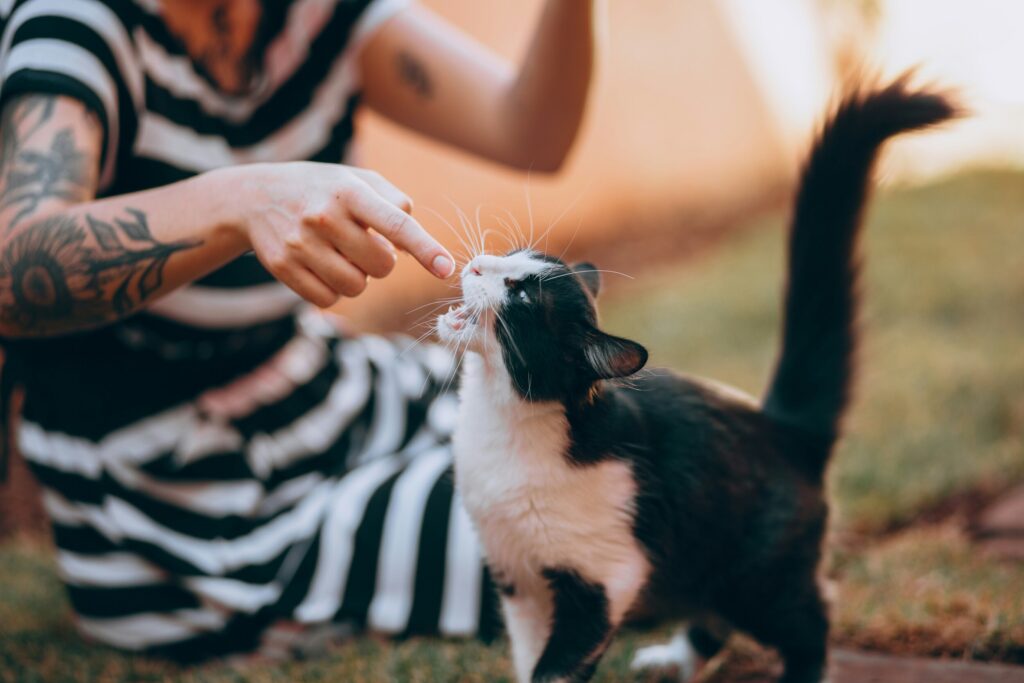
    Quick Comparison Table: Grooming vs Shedding

    Feature Grooming Shedding
    Definition Routine cleaning and maintenance of your pet’s coat, skin, ears, nails Natural process of fur release due to seasonal change or breed type
    Frequency Every 4–6 weeks for most breeds (more for long-hair or high-maintenance) Varies by breed, season, and health—some pets shed year-round
    Tools Used Clippers, nail grinders, shampoos, dematting combs, ear cleaners Deshedding brushes, undercoat rakes, slicker brushes
    Health Benefits Prevents matting, infections, parasites; improves circulation No direct benefit unless managed—excessive shedding may signal issues
    Professional Involvement Performed by pet groomers; includes styling and hygiene services Managed at home; groomers can assist with de-shedding techniques
    Best for Dogs and cats with thick coats, allergies, behavioral concerns Seasonal shedders like Huskies, Retrievers, and some cat breeds

    The Science Behind Shedding

    Shedding is a biological mechanism that helps pets adapt to temperature fluctuations. Dogs and cats naturally shed old or damaged fur to make way for a new, healthier coat. This is especially common in double-coated breeds like Golden Retrievers and Siberian Huskies, which “blow” their coats twice a year. Cats like the Maine Coon or Persian also experience intense shedding cycles that can blanket your home in fur if not managed properly.

    However, excessive shedding can be a sign of underlying issues such as:

    • Nutritional deficiencies

    • Skin allergies

    • Parasites

    • Hormonal imbalances

    This is why regular cat and dog grooming in West Vancouver is more than cosmetic—it’s diagnostic. Skilled groomers can spot abnormal hair loss, detect skin problems early, and recommend specialized grooming treatments or vet consultations.

    Seasonal shedding is normal, but if your pet is losing fur in clumps or developing bald spots, professional grooming becomes critical. High-velocity dryers, undercoat removal tools, and hypoallergenic shampoos are commonly used in West Vancouver grooming salons to combat excessive shedding effectively. These tools and techniques remove loose fur before it ends up on your couch or in your HVAC filters.

    Grooming as Preventative Healthcare

    Grooming is not a luxury—it’s a preventative health care practice that promotes physical and mental well-being. In pet grooming facilities across West Vancouver, certified groomers go beyond brushing. They perform detailed checks for:

    • Ticks and fleas

    • Skin infections

    • Ear mites

    • Dental issues

    • Nail overgrowth (which can lead to joint problems)

    A neglected coat can lead to matting, which pulls on the skin and causes significant pain. Severe matting can restrict movement and hide infections or injuries. Regular grooming avoids these issues altogether.

    In fact, research shows that regular grooming reduces vet visits by up to 30%, thanks to early detection and routine maintenance. Dog breeds like Poodles, Bichon Frises, and Shih Tzus require meticulous coat care, while cats like Ragdolls or Himalayans need frequent brushing and ear cleaning. By using West Vancouver pet grooming services, you benefit from breed-specific expertise that home care can’t match.

    Beyond health, grooming reduces pet anxiety. Brushing, bathing, and drying—when done in a professional environment—can provide calming sensory stimulation. Dogs especially benefit from this structured environment, leading to improved behavior at home and in public. At our West Vancouver pet grooming spa, the team is trained to use fear-free techniques that lower cortisol levels in anxious pets.


    Integrating Grooming & Shedding into Your Pet’s Routine

    Understanding how grooming and shedding complement each other will elevate your pet care routine. Start by recognizing your pet’s breed-specific needs:

    • Short-haired breeds like Beagles shed year-round but need minimal grooming.

    • Long-haired breeds like Collies or Persians require brushing several times a week and monthly professional grooming.

    • Hypoallergenic breeds like Poodles don’t shed, but need routine haircuts and ear cleaning.

    Set a routine that includes:

    • Daily brushing during seasonal shedding

    • Monthly grooming appointments

    • Quarterly deep deshedding treatments

    • Regular ear and nail maintenance

    Using dog and cat grooming services in West Vancouver helps you stick to this schedule with ease. Facilities like PetLux offer tailored care plans that combine de-shedding, brushing, skin treatments, and hygiene checks—all under one roof.

    This integration matters because unmanaged shedding can trigger respiratory allergies in sensitive individuals, especially kids. Hair and dander buildup also attract dust mites. A clean pet equals a cleaner home and a healthier family.

    Moreover, dogs that receive regular grooming are easier to train, more social, and less prone to anxiety. That’s because grooming builds trust and routine—a win-win for pets and owners. At PetLux’s West Vancouver dog grooming boutique, these behavioral outcomes are part of the long-term care philosophy.

    Finally, always opt for professionals who specialize in your pet’s breed and needs. Our West Vancouver cat and dog grooming team is experienced in handling everything from de-matting senior pets to calming down nervous rescues. They use only eco-friendly shampoos, ergonomic brushes, and breed-specific tools—ensuring the best results with minimal stress.

  • How Often Should You Groom Your Dog or Cat?

    How Often Should You Groom Your Dog or Cat?

    How Often Should You Groom Your Dog or Cat?

    Regular grooming is vital not just for appearance but for your pet’s overall health. While some breeds require frequent salon visits, others need only minimal maintenance. In this guide, we break down the grooming frequency for popular dog and cat breeds, highlighting coat types, shedding patterns, and seasonal considerations. If you live in British Columbia and are seeking professional pet care, visit our grooming studio for trusted dog and cat grooming in West Vancouver.
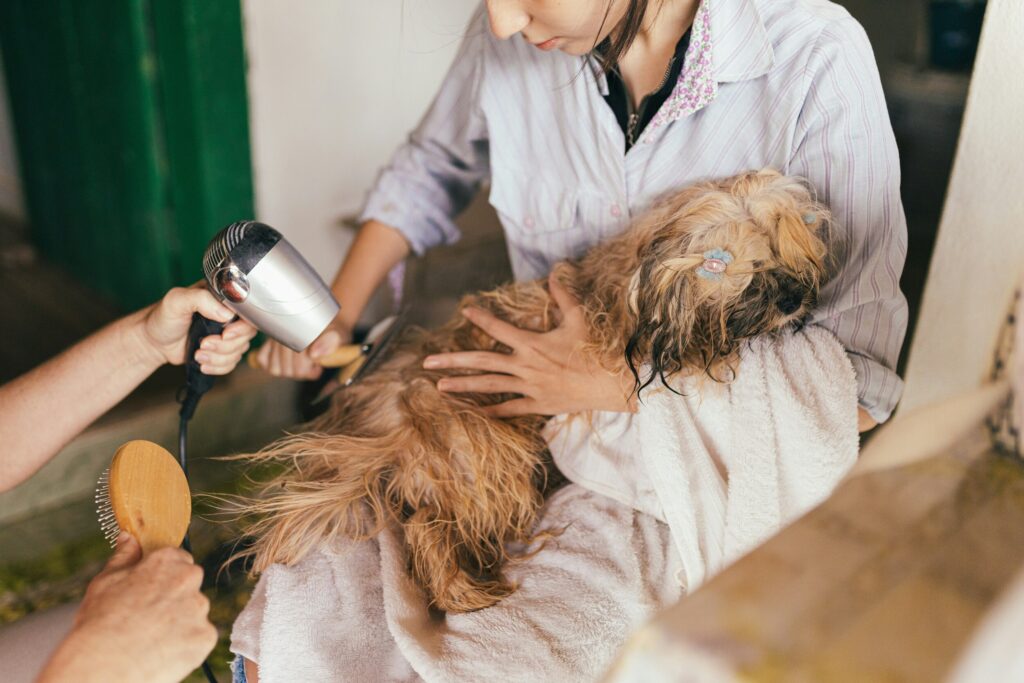
    Why Grooming Frequency Varies by Breed

    Grooming needs vary primarily based on a pet’s coat type, breed standard, activity level, and shedding tendencies. Long-haired breeds such as Golden Retrievers or Persian Cats require frequent brushing and trimming, while short-haired breeds like Beagles or Siamese Cats are lower maintenance. For example, double-coated breeds undergo seasonal shedding (also called “blowing coat”) which increases the need for deshedding treatments. Skin health, mat prevention, and parasite control are other compelling reasons to schedule routine pet grooming in West Vancouver.


    Grooming Frequency Table by Breed

    Breed Coat Type Grooming Frequency Key Considerations
    Golden Retriever Double/Long Every 6-8 weeks Seasonal shedding, mat-prone
    Poodle (Standard) Curly/Non-shed Every 4-6 weeks Requires clipping, ear cleaning
    Labrador Retriever Short/Double Every 8-12 weeks Heavy shedders, requires deshedding
    Shih Tzu Long/Silky Every 3-4 weeks Daily brushing, eye cleaning
    Beagle Short/Smooth Every 10-12 weeks Low maintenance, nail trimming
    Bichon Frise Curly/Non-shed Every 4-5 weeks Needs frequent trims, tear stain care
    Siberian Husky Double/Thick Every 6-8 weeks Blows coat seasonally, high deshedding
    Persian Cat Long/Thick Every 3-4 weeks Prone to matting, daily brushing advised
    Maine Coon Long/Double Every 6-8 weeks Needs detangling, check undercoat
    Siamese Cat Short/Fine Every 8-10 weeks Minimal grooming needs

    For expert breed-specific grooming, consult our experienced team at West Vancouver grooming salon.


    Long-Haired Breeds: High Maintenance but High Reward

    Long-haired breeds require more grooming than short-haired ones. Dogs like the Afghan Hound or Yorkshire Terrier, and cats like the Himalayan, need daily brushing and frequent trims. Without proper care, long fur mats quickly, trapping dirt, moisture, and parasites. Scheduling appointments every 3 to 4 weeks at our West Coast pet spa helps maintain their luxurious coats and overall well-being.


    Double-Coated Breeds: Managing Seasonal Shedding

    Breeds like the Alaskan Malamute, German Shepherd, or the Norwegian Forest Cat have insulating double coats. These pets require specialized deshedding services during spring and fall when they shed excessively. Visiting Petlux grooming in West Vancouver every 6 to 8 weeks ensures coat health, prevents matting, and helps control household allergens.


    Curly & Non-Shedding Breeds: Regular Trims Essential

    Poodles, Doodles, and Bichon Frises are non-shedding but need consistent clipping to prevent overgrowth. These breeds benefit from professional grooming visits every 4 to 6 weeks. Their unique hair type traps debris, requiring thorough cleaning. Frequent trimming and ear care also help reduce infections and maintain their tidy appearance. Explore our premium West Vancouver pet grooming services to keep your pet looking its best.


    Short-Coated Breeds: Simpler But Not Skippable

    Short-haired breeds like Boxers, Dalmatians, and Domestic Shorthair Cats shed regularly but don’t need elaborate grooming. However, they still benefit from baths, nail trims, and coat conditioning every 8 to 12 weeks. Regular skin checks during grooming can catch issues early. Let your pet experience the best of grooming care near Ambleside and Dundarave.


    Cats Need Grooming Too: Especially Long-Haired Ones

    While cats are often self-cleaning, breeds like the Ragdoll, British Longhair, and Persian need external grooming. Cats benefit from de-matting, sanitary trims, and nail care. Our feline grooming in West Vancouver includes gentle, low-stress services designed specifically for cats. Frequent grooming helps reduce hairballs and keeps your home cleaner.


    Grooming Puppies and Kittens: Start Early

    Introducing grooming early helps puppies and kittens acclimate to the process. For young pets, start with short, positive sessions around 8–12 weeks old. This early introduction is crucial for breeds that will require lifelong grooming. Routine visits to our West Vancouver grooming professionals will create positive associations and reduce future anxiety.


    Senior Pets: Customized Grooming Care

    Older pets may require gentler handling, medicated baths, and more frequent ear and dental checks. Age-related conditions like arthritis, dry skin, and tumors necessitate customized care. Our team provides compassionate grooming services tailored to senior pet needs. Visit our North Shore grooming clinic for personalized pet grooming.


    Signs Your Pet Needs More Frequent Grooming

    If your pet shows signs like strong odor, visible mats, excessive scratching, dull coat, or dirty ears, it may be time for a grooming appointment. Breeds with floppy ears, thick undercoats, or high activity levels typically need more attention. Use our convenient West Vancouver booking system to schedule your pet’s grooming session today.


    Grooming Enhances Health and Happiness

    Grooming improves more than just aesthetics. It supports coat health, removes parasites, trims overgrown nails, and identifies skin or ear issues early. It also helps your pet feel more comfortable and confident. Invest in regular dog and cat grooming in West Vancouver to promote lifelong wellness.


    Final Thoughts: Tailored Grooming Schedules Keep Pets Happy

    Understanding the grooming needs of your pet’s breed helps you make informed decisions that support their health and happiness. Whether you own a fluffy Newfoundlander or a sleek Russian Blue, regular grooming sessions tailored to their breed are essential. Visit our West Vancouver pet salon and give your pet the care they deserve.

  • Benefits of Regular Dog Grooming

    Benefits of Regular Dog Grooming

    The Benefits of Regular Dog Grooming: A Must-Know Guide for Every Pet Owner

    Regular dog grooming is more than just an aesthetic ritual—it’s a vital part of your pet’s health and wellbeing. Whether you own a high-maintenance breed like a Poodle or a short-haired Labrador, grooming plays a critical role in keeping your dog clean, healthy, and emotionally balanced. Many pet parents in British Columbia are turning to West Vancouver grooming for dogs and cats to maintain their furry companions with expert-level care. From managing seasonal shedding and preventing painful matting to detecting early signs of skin infections or ticks, a professional groomer doesn’t just pamper—they protect. Routine visits to a dog grooming studio can also enhance your bond with your pet by making them feel comfortable and secure in their skin. In fact, grooming sessions contribute to your dog’s psychological well-being by reducing anxiety and increasing comfort. Grooming specialists use breed-specific techniques and products tailored to each coat type—such as de-shedding for double-coated dogs, or hand-scissoring for show breeds—ensuring optimal results. If you’re looking to elevate your dog’s hygiene and boost their confidence, scheduling regular visits with professional pet grooming services in West Vancouver is a decision your dog will thank you for.


    Dog Grooming Frequency by Coat Type and Breed

    Breed Type Coat Type Grooming Frequency Key Benefits of Routine Grooming
    Golden Retriever Double coat Every 4–6 weeks Reduces shedding, prevents matting, checks for ticks
    Shih Tzu Long silky coat Every 3–4 weeks Maintains hygiene, prevents eye discharge buildup
    French Bulldog Short smooth coat Every 6–8 weeks Skin health monitoring, ear cleaning, odor control
    Poodle Curly, dense coat Every 3–4 weeks Prevents painful mats, requires clipping and fluff drying
    Labrador Retriever Double coat Every 6–8 weeks Undercoat removal, healthy skin and shine
    Bernese Mountain Dog Thick double coat Every 4–6 weeks Seasonal shedding management, avoids hotspots
    Yorkshire Terrier Fine, long coat Every 3 weeks Requires regular trimming, detangling and facial hygiene
    German Shepherd Dense undercoat Every 4–6 weeks Reduces allergens, prevents bacterial skin infections

    Regular grooming sessions are essential for the early detection of health issues that may otherwise go unnoticed. Groomers are trained to observe abnormalities such as skin rashes, cysts, infections, or even irregular growths that might signal underlying health conditions. For example, long-haired dogs like Collies or Afghan Hounds are prone to sebaceous cysts and ear infections that can be detected during thorough brushing and ear inspections. Similarly, double-coated breeds benefit from undercoat raking, which helps regulate body temperature and prevents hotspots caused by trapped moisture. Regular visits to a certified pet grooming salon in West Vancouver ensure that these potential problems are caught early, reducing the need for costly vet treatments. Groomers also trim nails to an optimal length—an often overlooked but crucial aspect of musculoskeletal health. Overgrown nails can lead to joint misalignment and postural issues, especially in older dogs. Using specialized tools like nail grinders and safety clippers, professional groomers in West Vancouver’s dog care services ensure your dog walks pain-free and comfortably.

    Beyond health, grooming directly contributes to better hygiene and comfort, both for the dog and their human household. Dogs naturally accumulate debris, bacteria, and allergens in their coat, especially after outdoor activities. Left untreated, these can lead to foul odors, itchy skin, or even flea infestations. Professional grooming services for dogs in West Vancouver use hypoallergenic shampoos, pH-balanced conditioners, and coat-specific detanglers to thoroughly cleanse the coat and skin. A proper blow-dry, followed by a brush-out, ensures the removal of loose fur and allergens, making it especially helpful for families with allergy-sensitive individuals. Dogs with regular grooming schedules also shed less around the home—a major bonus for pet owners dealing with fur on furniture and clothes. Additionally, hygienic trimming around sensitive areas (paws, ears, sanitary regions) helps reduce the risk of infections, irritation, and discomfort. These targeted hygiene measures are standard practice at most dog grooming clinics in North Vancouver and West Van, making routine appointments an essential part of responsible pet ownership.

    Lastly, the psychological and behavioral benefits of grooming are often underestimated. Dogs that are groomed regularly develop resilience to handling, desensitization to noise (from dryers and clippers), and a higher threshold for tactile stimuli. These traits not only make grooming sessions smoother but also reduce anxiety during vet visits or travel. For puppies, early exposure to grooming teaches socialization skills and handling tolerance, which translates into a more balanced temperament as they grow. Grooming also strengthens the trust bond between pet and groomer, especially when done in a calm, force-free environment such as those provided by experienced dog and cat grooming professionals near West Vancouver. Whether your dog needs a breed-standard trim or a therapeutic bath to treat skin allergies, the emotional reassurance they gain from regular sessions is invaluable. Studies show that dogs with structured grooming routines are less likely to exhibit behavioral issues like compulsive licking, chewing, or irritability. The grooming process itself can also serve as a soothing ritual that reduces stress hormones, boosts oxytocin, and leaves your dog feeling relaxed and content. For best results, choose a grooming partner who understands both physical care and emotional sensitivity—qualities commonly found in reputable pet grooming services across West Vancouver.


    In conclusion, grooming is not a luxury—it’s a vital, preventive health care routine that supports your dog’s overall well-being from head to tail. From detecting hidden health threats to improving hygiene, behavior, and coat health, consistent grooming enhances every aspect of your dog’s life. Whether you own a hypoallergenic breed or a heavy shedder, scheduling regular visits with a trusted grooming studio in the North Shore area ensures you’re doing your part to keep your best friend clean, confident, and comfortable. Don’t wait for matting, odors, or skin problems to arise—book your appointment with a top-rated West Vancouver dog grooming and cat care specialist today. With compassionate care, advanced tools, and expert hands, these services offer much more than grooming—they provide peace of mind for every pet parent.