If you live in Vancouver and share your home with a cat, you’ve probably heard this before: “Cats groom themselves — they don’t need professional grooming.” It’s a common belief, and on the surface, it sounds reasonable. After all, cats spend a good part of their day licking their coats and keeping themselves tidy.
But here’s the truth many local pet owners discover the hard way: even indoor cats benefit greatly from professional grooming. From hidden matting to excessive shedding, skin issues, and hairballs, self-grooming only goes so far. In fact, indoor cats often face unique grooming challenges due to drier indoor air, less natural abrasion, and limited physical activity.
At PetLux, we work with cat owners across Vancouver, West Vancouver, and Downtown Vancouver who are surprised by how much healthier, calmer, and cleaner their cats feel after professional care. Grooming isn’t just about looks — it’s about comfort, hygiene, and long-term wellness.
In this guide, we’ll explain why cat grooming in Vancouver is essential even for indoor-only cats, what professional grooming really does, and how it can improve your cat’s quality of life in our coastal climate.
Technical Comparison Table: Self-Grooming vs. Professional Cat Grooming
| Grooming Aspect | Cat Self-Grooming | Professional Grooming |
|---|---|---|
| Shedding Control | Removes surface fur only | Deep de-shedding removes loose undercoat |
| Mat Detection | Misses hidden mats | Identifies and safely removes mats |
| Skin Health | Limited stimulation | Improves circulation and skin condition |
| Hairball Reduction | Minimal impact | Significantly reduces swallowed fur |
| Nail Care | Not addressed | Proper trimming and paw inspection |
| Ear & Eye Cleaning | Not possible | Gentle hygienic cleaning |
| Stress Monitoring | Not applicable | Early detection of health or behavior changes |
| Coat Finish | Uneven | Smooth, balanced, and healthy-looking |
Why Indoor Cats Still Need Grooming
1. Indoor Air = Dry Skin and Dull Coats
Vancouver’s indoor heating systems, especially during cooler months, dry out the air. This can cause flaky skin, excess shedding, and static-prone coats. While cats lick their fur, they can’t moisturize or exfoliate their skin properly. Professional grooming helps remove dry flakes and distribute natural oils evenly.
2. Hidden Mats Form Easily
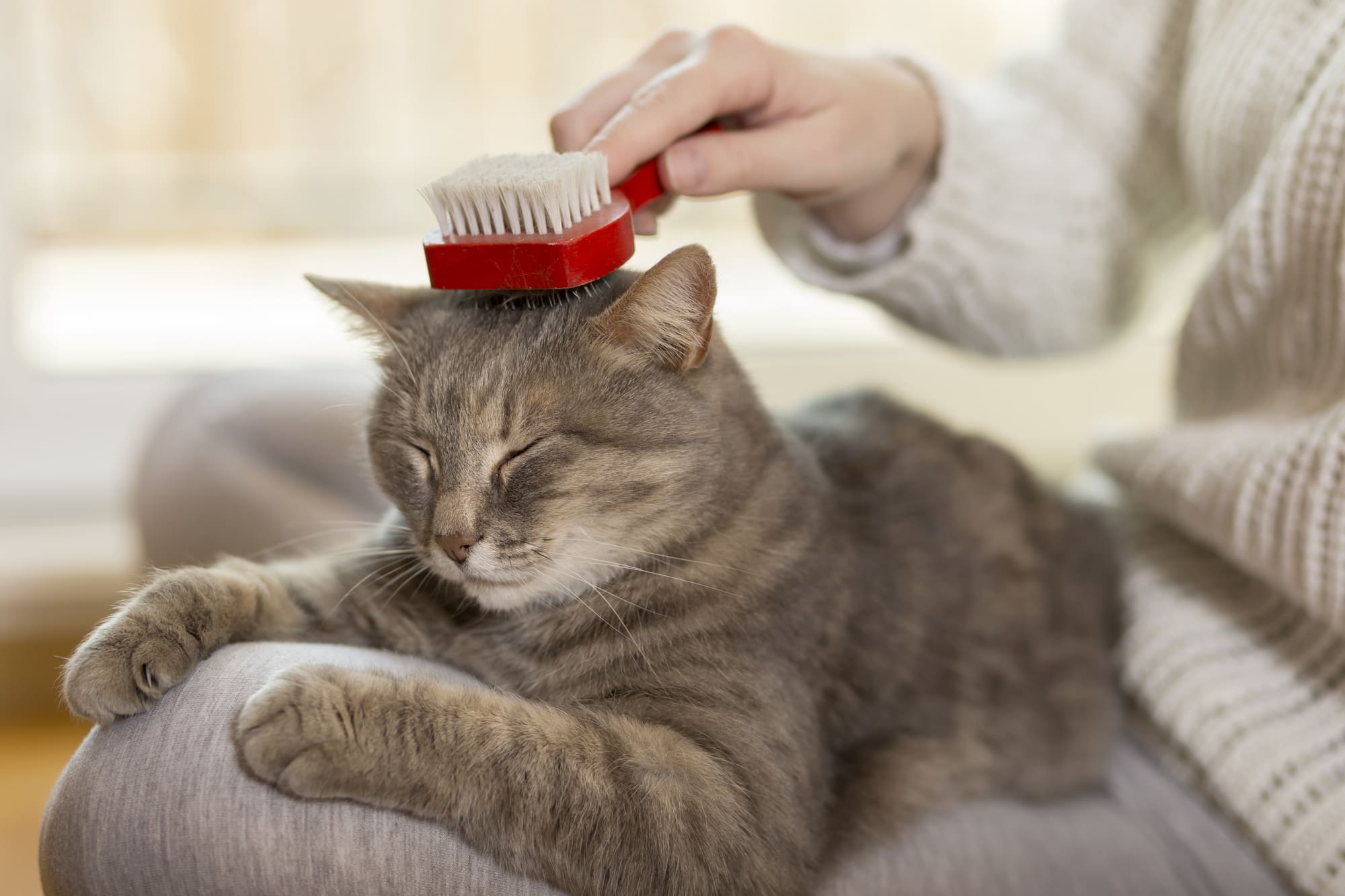
Long-haired and even medium-haired cats can develop mats under their armpits, behind their ears, or along the belly. These mats tighten over time, pulling on the skin and causing discomfort. Many cats won’t tolerate brushing in sensitive areas at home, making professional grooming a safer and more thorough solution.
3. Hairballs Become a Bigger Issue
Indoor cats swallow fur during grooming just like outdoor cats. But with less natural abrasion from trees, fences, and rough surfaces, more loose fur stays in their coat — and ends up in their stomach. Regular professional grooming dramatically reduces hairball frequency.
The Health Benefits of Professional Cat Grooming
Improved Skin and Coat Health
Professional grooming removes dead fur, dirt, and allergens while stimulating healthy blood circulation. This results in a shinier coat, less itching, and fewer dandruff issues — especially helpful in Vancouver’s variable humidity.
Early Detection of Health Issues
During grooming sessions, professionals often notice lumps, skin infections, parasites, or sore spots before they become serious. Many Vancouver pet owners have caught early health concerns thanks to routine grooming appointments.
Reduced Shedding Around Your Home
Even if your cat looks clean, they can still shed a surprising amount of fur. Professional de-shedding treatments help reduce loose hair on furniture, clothing, and bedding — a major win for condo and apartment living in Downtown Vancouver.
Why Home Grooming Isn’t Always Enough
Cats Don’t Like Certain Areas Touched
Belly, tail base, and underarms are common mat zones — and also the spots cats protect the most. Groomers are trained in safe handling techniques to reduce stress and prevent injury.
Proper Tools Make a Difference
Many brushes sold in stores don’t remove undercoat effectively and may even damage fur. Professional groomers use specialized tools designed for different coat types and sensitivities.
Stress-Free, Controlled Environment
At PetLux, our calm grooming spaces in West Vancouver and Downtown Vancouver are designed to minimize noise, restraint, and fear. This controlled setting helps anxious or senior cats feel safer than at-home grooming attempts.
How Often Should Cats Be Professionally Groomed?
The ideal schedule depends on your cat’s coat type and lifestyle:
-
Short-haired cats: Every 8–12 weeks
-
Medium-haired cats: Every 6–8 weeks
-
Long-haired cats: Every 4–6 weeks
-
Senior cats: More frequent light grooming for comfort
-
Shedding-heavy breeds: Seasonal grooming during spring and fall
Regular grooming helps prevent issues instead of reacting to problems after they appear.
Grooming for Senior and Anxious Cats
Older cats often struggle to groom themselves due to arthritis or reduced mobility. This leads to matting, greasy coats, and hygiene problems. Professional grooming keeps senior cats comfortable and reduces joint strain.
For anxious cats, professional groomers trained in gentle handling and low-stress techniques make a world of difference. Many Vancouver pet owners are surprised by how calm their cats are after their first professional session.
Common Myths About Cat Grooming
“My cat hates grooming.”
Most cats dislike unfamiliar handling, not grooming itself. With the right approach, they often become more relaxed over time.
“My cat’s coat looks fine.”
Many coat problems start underneath the surface. Professional groomers detect hidden issues early.
“Indoor cats stay clean.”
Indoor cats still shed, produce dander, and develop mats — especially in dry indoor environments.
FAQs
1. Is professional cat grooming safe?
Yes. When performed by trained groomers using proper tools and techniques, grooming is safe and beneficial for cats of all ages.
2. Will grooming stress my cat out?
A calm, professional environment significantly reduces stress. Many cats actually become more relaxed after regular sessions.
3. Do short-haired cats really need grooming?
Yes. Short-haired cats still shed heavily and benefit from de-shedding, nail trims, and skin care.
4. How long does a grooming session take?
It varies based on coat condition and temperament, but most sessions are completed efficiently without rushing.
5. What should I do before my cat’s first grooming visit?
Avoid feeding right before the appointment and bring any medical or behavioral notes to help the groomer tailor care.
Conclusion: Give Your Cat the Care They Deserve
Professional cat grooming isn’t a luxury — it’s an essential part of responsible pet care. Even indoor cats in Vancouver face grooming challenges that self-cleaning can’t solve alone. From reducing hairballs to improving skin health and catching early issues, grooming plays a vital role in your cat’s comfort and long-term wellness.
At PetLux, we specialize in gentle, expert cat grooming designed for Vancouver’s unique climate and lifestyle. Our experienced groomers treat every cat with patience, care, and respect.
📍 PetLux West Vancouver
1445 Marine Dr, West Vancouver, BC V7T 1B8
📞 604-926-3020
📍 PetLux Downtown Vancouver
650 Pacific St, Vancouver, BC V6Z 0G5
📞 604-571-9730
Book your cat’s grooming appointment today and discover why PetLux is trusted for professional pet grooming Vancouver pet owners rely on.