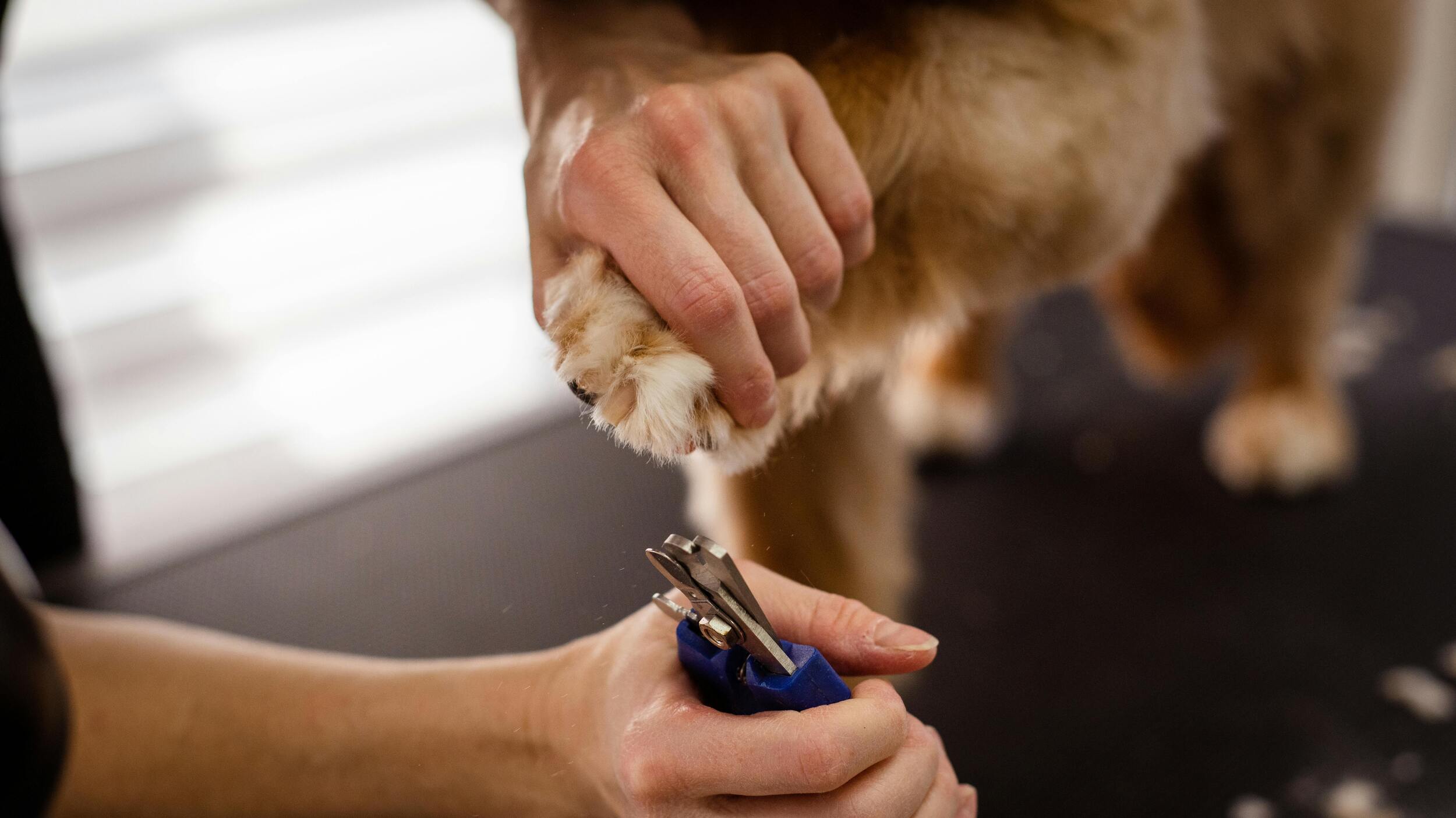
Tag: safe nail trimming for pets

  • Nail Trimming 101

    Nail Trimming 101

    Nail Trimming 101: Everything Pet Owners Should Know

    Regular nail trimming is a crucial part of maintaining your dog or cat’s overall health and comfort. Overgrown nails not only cause pain and affect gait, but can also lead to infections, posture problems, or even skeletal damage over time. In both cats and dogs, proper nail care supports better hygiene, joint alignment, and traction. This guide provides a comprehensive overview of nail trimming essentials using a technical approach to help pet owners understand the procedures, tools, frequency, and professional services available. Whether you’re handling grooming at home or seeking Downtown Vancouver grooming services for dogs and cats, understanding nail anatomy and maintenance can make a significant difference in your pet’s quality of life.

    Nail trimming involves shortening the keratinized structures known as claws, typically using tools like guillotine-style clippers, scissor-style trimmers, or rotary grinders. For dogs, especially large breeds or active outdoor dogs, trimming every 3–4 weeks is recommended, while indoor cats may require clipping every 4–6 weeks depending on nail growth and scratching behavior. The anatomy of a dog’s or cat’s nail includes the outer shell and the inner “quick” – a blood vessel that, if cut, causes pain and bleeding. It is vital to trim gradually, especially for dark nails where the quick is less visible. Nail grinders can help smooth edges and minimize splintering, though they generate noise some pets dislike. Common mistakes include cutting too deep, using dull blades, and skipping dewclaws – the vestigial inner claws that don’t touch the ground and can curl into the skin if left unchecked. For pet owners in Ambleside or Dundarave, professional services like cat and dog grooming in West Vancouver offer safe nail trimming with precision tools and stress-free handling.

    Here is a practical overview comparing tools and services for effective nail trimming:

    Feature/Tool Guillotine Clippers Scissor Clippers Rotary Grinders Professional Services
    Best For Small-medium pets Large/thick nails All nail types All pets, especially anxious or senior animals
    Precision Medium High Very high Very high
    Noise Level Low Low High Low to none
    Skill Required Moderate Moderate High None (done by groomer)
    Risk of Quick Injury Medium Low Low Very low
    Comfort for Pet Moderate Moderate Depends on pet High (trained staff)
    Suggested Frequency 3–4 weeks 3–4 weeks Weekly touch-ups Monthly sessions

    While at-home trimming can be effective with the right tools and confidence, it’s not always suitable for all pets. Dogs with black or thick nails, cats that dislike being handled, or senior pets with fragile limbs may require expert assistance. Facilities that provide pet nail trimming in the Lower Mainland often include other grooming services like ear cleaning, paw pad trimming, and coat brushing, ensuring a holistic grooming experience. Professional groomers in downtown grooming studios for pets are trained to identify the quick using specialized lighting and cutting angles, minimizing discomfort and improving the precision of each clip. If your pet experiences anxiety or has had a traumatic experience with nail trimming, Downtown Vancouver dog and cat care providers can use calming techniques like pheromone diffusers and gentle restraint methods to reduce stress.

    For pet owners located near the Capilano area or British Properties, utilizing North Shore grooming professionals for cats and dogs provides convenient access to tailored grooming services without the hassle of doing it at home. Nail trimming is often bundled with full grooming packages, making it easier for busy owners to maintain regular appointments. Moreover, neglected nails can affect your pet’s posture and pressure distribution across their joints. In dogs, this may result in compensatory movements and arthritis over time. In cats, excessively long claws can snag in furniture or carpets, causing injury. A properly trimmed nail allows for smooth walking, proper foot placement, and overall paw health. Incorporating paw massages and desensitization exercises early in a pet’s life can ease the process. When in doubt, consult a veterinary groomer or opt for local grooming services in West Vancouver and Vancouver that include nail trimming in their standard offerings.

    To conclude, nail trimming is not just a cosmetic routine – it’s a necessary aspect of preventative health care. From selecting the right clipping tools to knowing when to seek expert help, the key lies in staying consistent, informed, and attentive to your pet’s behavioral cues. For those who live in downtown condos or West Van homes, having access to Vancouver-based grooming salons for dogs and cats ensures your pet receives the safest and most professional care. Always reward pets with treats and praise after trimming to associate the experience with positive reinforcement. Whether you’re managing your pet’s grooming at home or relying on certified pet stylists in the West Vancouver region, prioritizing nail health can prevent injuries and improve your companion’s mobility and well-being. Make it a habit, track your schedule, and stay proactive with support from downtown pet grooming experts or your trusted local West Vancouver groomer.

  • Common Grooming Mistakes to Avoid

    Common Grooming Mistakes to Avoid

    Common Grooming Mistakes to Avoid: Keeping Your Pet Safe and Stylish

    Grooming is essential for your pet’s health, hygiene, and happiness, but common mistakes can compromise their well-being. From brushing errors to tool misuse, many pet parents unknowingly make choices that lead to discomfort, matting, infections, and even long-term coat damage. Whether you’re handling basic maintenance at home or booking professional dog grooming in West Vancouver or cat grooming in Downtown Vancouver, understanding what to avoid is crucial for optimal results.

    Grooming Mistake Consequences Prevention Tips
    Skipping Regular Brushing Leads to severe matting and skin irritation Brush 3-4 times weekly using breed-appropriate tools
    Using Incorrect Tools Causes discomfort, coat damage, and ineffective grooming Consult with professional groomers to select proper tools
    Improper Bathing Technique Can result in skin infections or uneven cleaning Use lukewarm water, rinse thoroughly, and apply pet-safe shampoo
    Neglecting Nail Trimming May lead to joint stress or splayed feet Trim nails monthly using pet-safe clippers or grinders
    Forgetting Ear Cleaning Increases risk of ear infections and bad odor Clean ears weekly with vet-approved solutions
    Shaving Double-Coated Breeds Affects natural insulation and coat growth Only trim outer hair and consult pros for advice
    Cutting Mats Instead of Detangling May injure pet’s skin and worsen the matting Use dematting combs and conditioners instead of scissors
    Using Human Products on Pets Irritates skin and disrupts pH balance Always use shampoos and conditioners formulated for pets

    1. Brushing Mistakes and Equipment Misuse

    Over 60% of grooming problems in both cats and dogs begin with poor brushing routines. Failing to brush regularly or using the wrong type of comb can lead to severe matting, especially in breeds like Shih Tzus, Golden Retrievers, and Persians. Matted hair traps moisture, dirt, and bacteria close to the skin, causing irritation and infection.

    For best results, brush your pet at least 3–4 times per week. Use a slicker brush for double-coated breeds and a wide-tooth comb for long-haired cats. If you’re unsure, consult a West Vancouver grooming professional who can recommend breed-specific tools. In areas like Downtown Vancouver pet grooming salons, groomers often rely on undercoat rakes, pin brushes, and detanglers to manage seasonal shedding and mat prevention.

    Tool misuse is another hidden issue. Human brushes and scissors should never be used, as they can tug hair painfully or cut the skin. Always choose grooming products designed for pets and check the brush for sharp or broken bristles. If you’re DIY grooming at home, schedule an evaluation at a Downtown Vancouver dog grooming studio to ensure you’re equipped with the right tools.

    2. Bathing Blunders and Nail Neglect

    Improper bathing accounts for nearly 40% of skin issues in dogs and cats brought to clinics. One of the most frequent errors is using human shampoo, which disrupts the pH balance of pet skin. Dog skin, for example, has a pH of 6.2 to 7.4—far different from the human average of 5.5. Using the wrong product can cause dryness, flaking, or rashes.

    Always choose pH-balanced, species-specific shampoos. Rinse thoroughly—residue can cause itchiness and irritation. Additionally, avoid water entering the ears, especially in floppy-eared breeds like Cocker Spaniels. A certified cat and dog grooming expert in West Vancouver can show you proper ear protection techniques during baths.

    Nail trimming is another commonly overlooked aspect. Long nails can lead to splayed feet, joint stress, and even posture problems. Use a pet nail grinder or clipper monthly. If the quick (the blood supply) is visible, trim cautiously. If not confident, rely on Downtown Vancouver groomers who are trained in safe trimming techniques.

    3. Cutting Corners: Mat Removal and Coat Damage

    Many pet parents panic when they discover mats and reach for scissors. This is dangerous and often leads to skin lacerations. Mats, especially those near the armpits or groin, should be carefully dematted using a slicker brush, conditioner spray, and patience. If mats are too tight, shaving by a pro is the safest solution.

    Shaving double-coated breeds such as Huskies or Golden Retrievers is also a critical mistake. Their coats regulate temperature and provide sun protection. Shaving can permanently alter coat texture and lead to overheating or sunburn. If your pet is shedding excessively, visit a dog groomer in Downtown Vancouver for a de-shedding treatment rather than opting for a full shave.

    Similarly, improper ear cleaning, or complete neglect, can cause fungal or bacterial infections. Use vet-approved ear solutions and clean weekly. If your pet shakes its head or scratches its ears often, consult a vet or grooming technician in West Vancouver for a safe checkup.

    Professional Help Matters

    Avoiding these mistakes isn’t just about tools—it’s about experience and technique. That’s why professional grooming is more than just aesthetic. Experts at trusted West Vancouver cat grooming salons or Downtown Vancouver dog grooming services offer structured care, breed-specific grooming styles, and preventative skin and coat assessments.

    Choosing a qualified groomer ensures not only beauty but also safety and comfort. Trained professionals monitor coat condition, detect lumps, rashes, or parasites early, and ensure your pet enjoys the grooming process.

    If you’re unsure whether to groom at home or book a session, remember that even quarterly visits to Downtown Vancouver pet salons can make a huge difference. Consistent brushing, proper bathing, safe nail trimming, and ear cleaning will prevent most common problems—saving your pet from pain and you from expensive vet bills.

    Final Thoughts

    Grooming mistakes can have long-term consequences for your pet’s health and comfort. By avoiding poor brushing routines, tool misuse, and dangerous shaving practices, you can ensure your dog or cat looks and feels their best. Invest in the right tools, learn proper techniques, and when in doubt, consult the professionals at West Vancouver dog grooming facilities or Downtown Vancouver grooming services. Your pet deserves expert care that reflects their needs and personality.