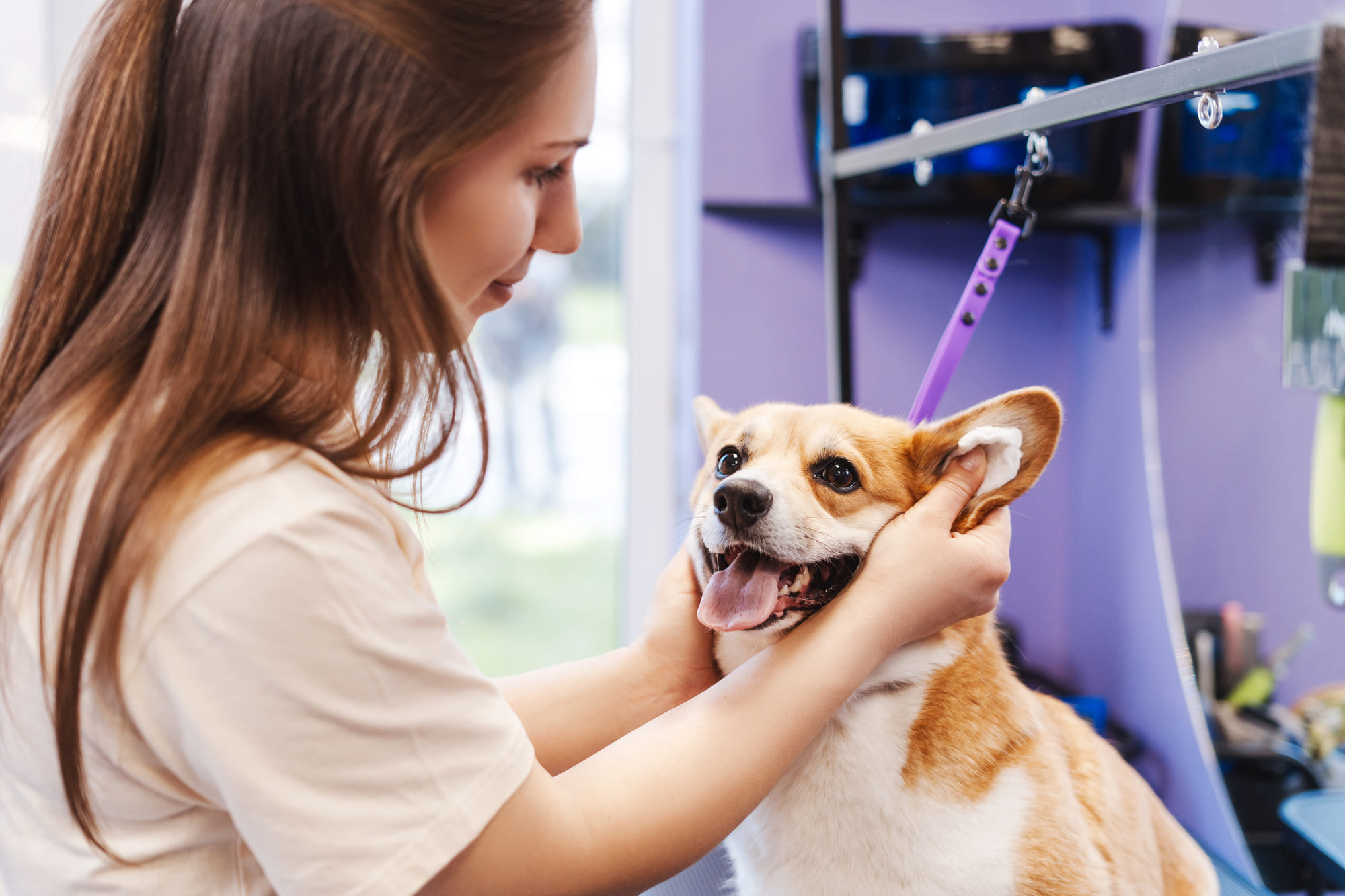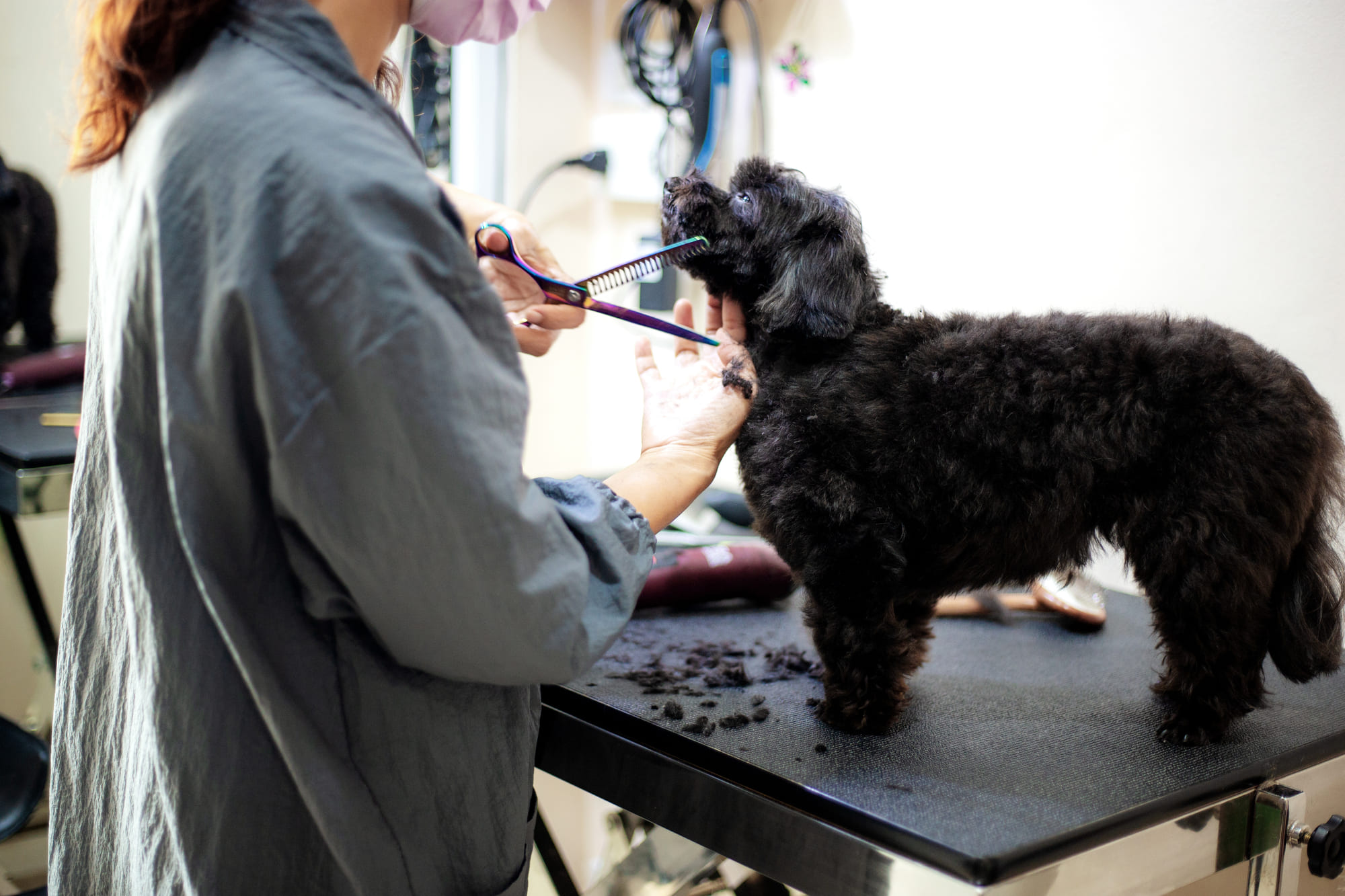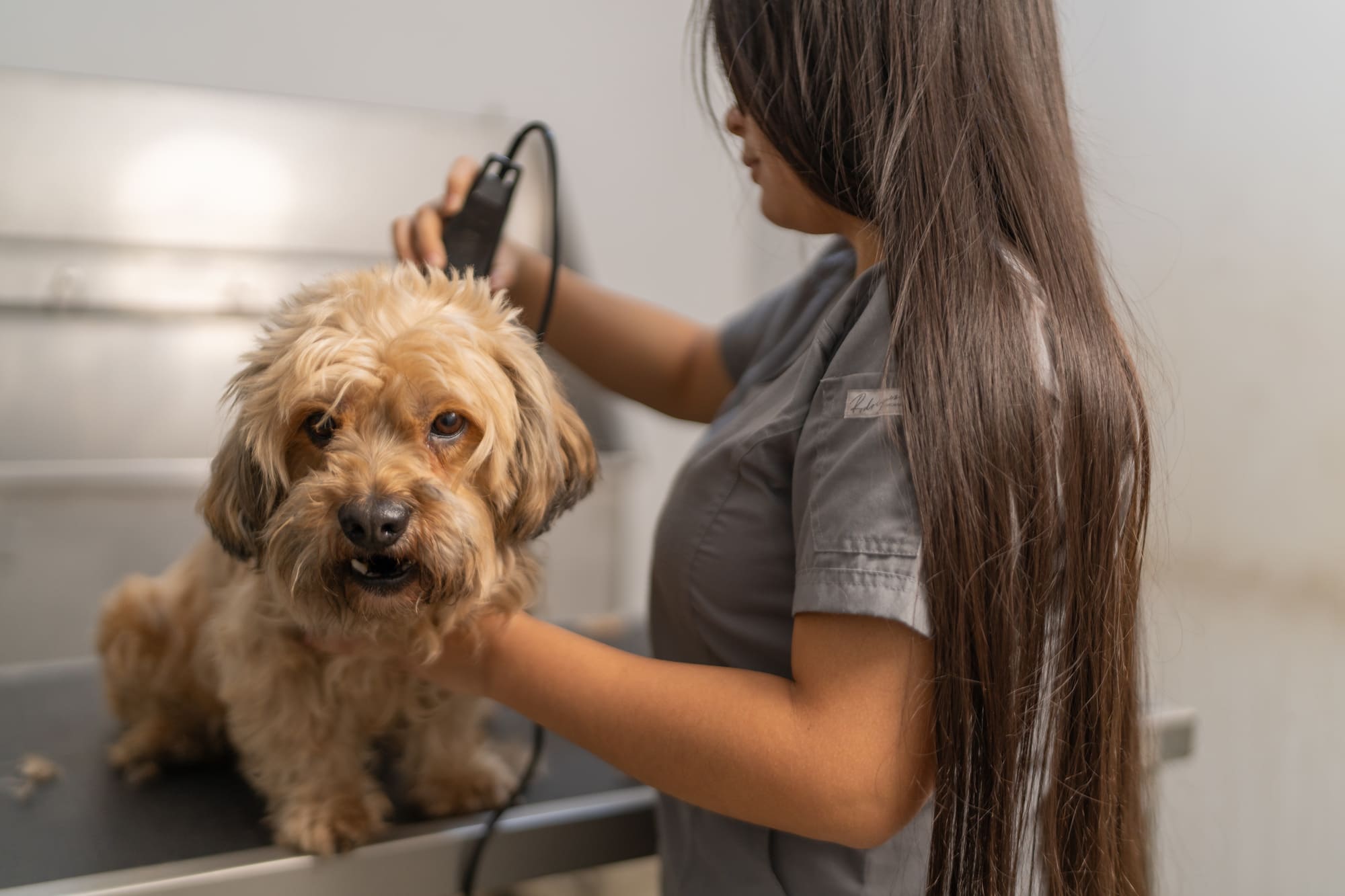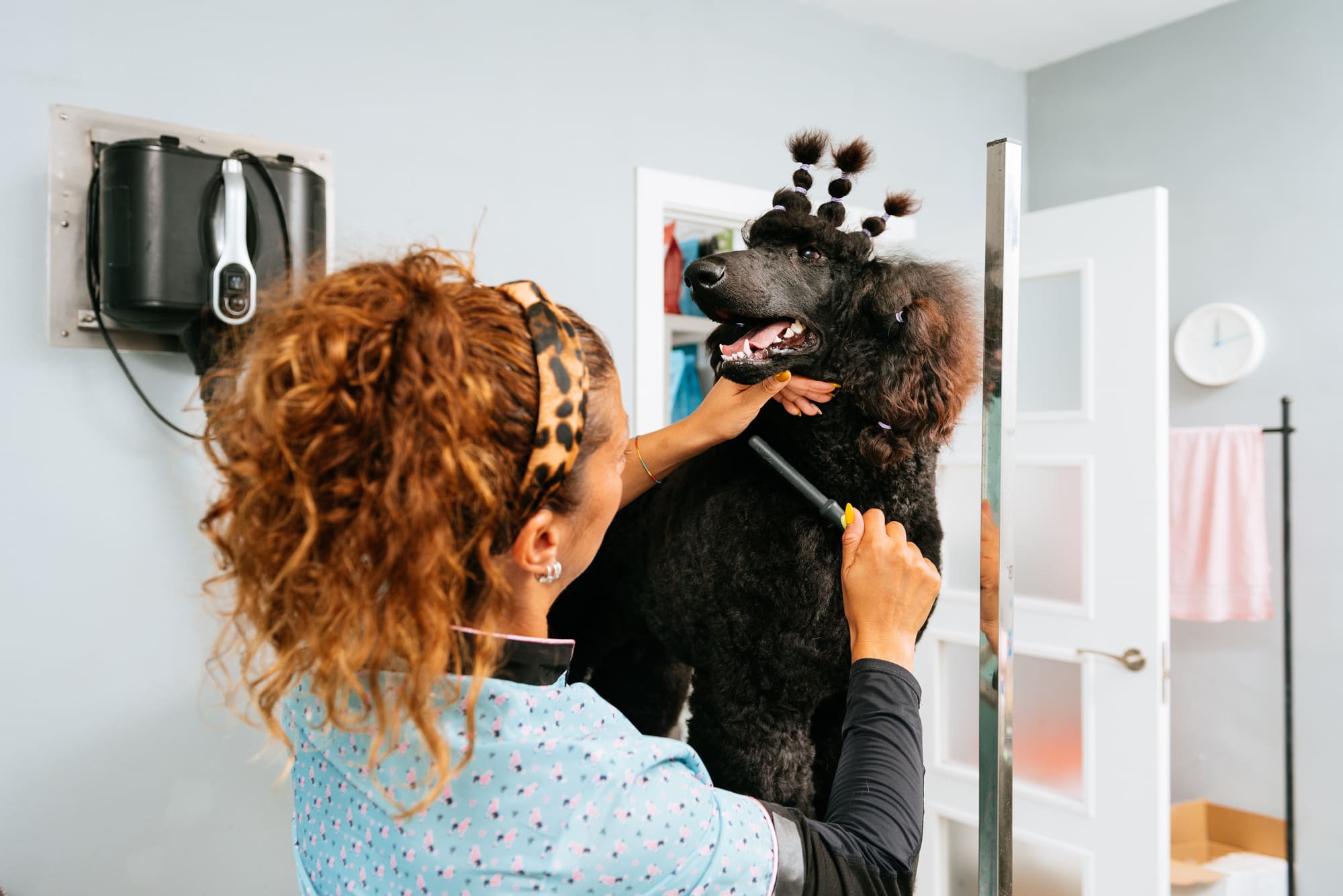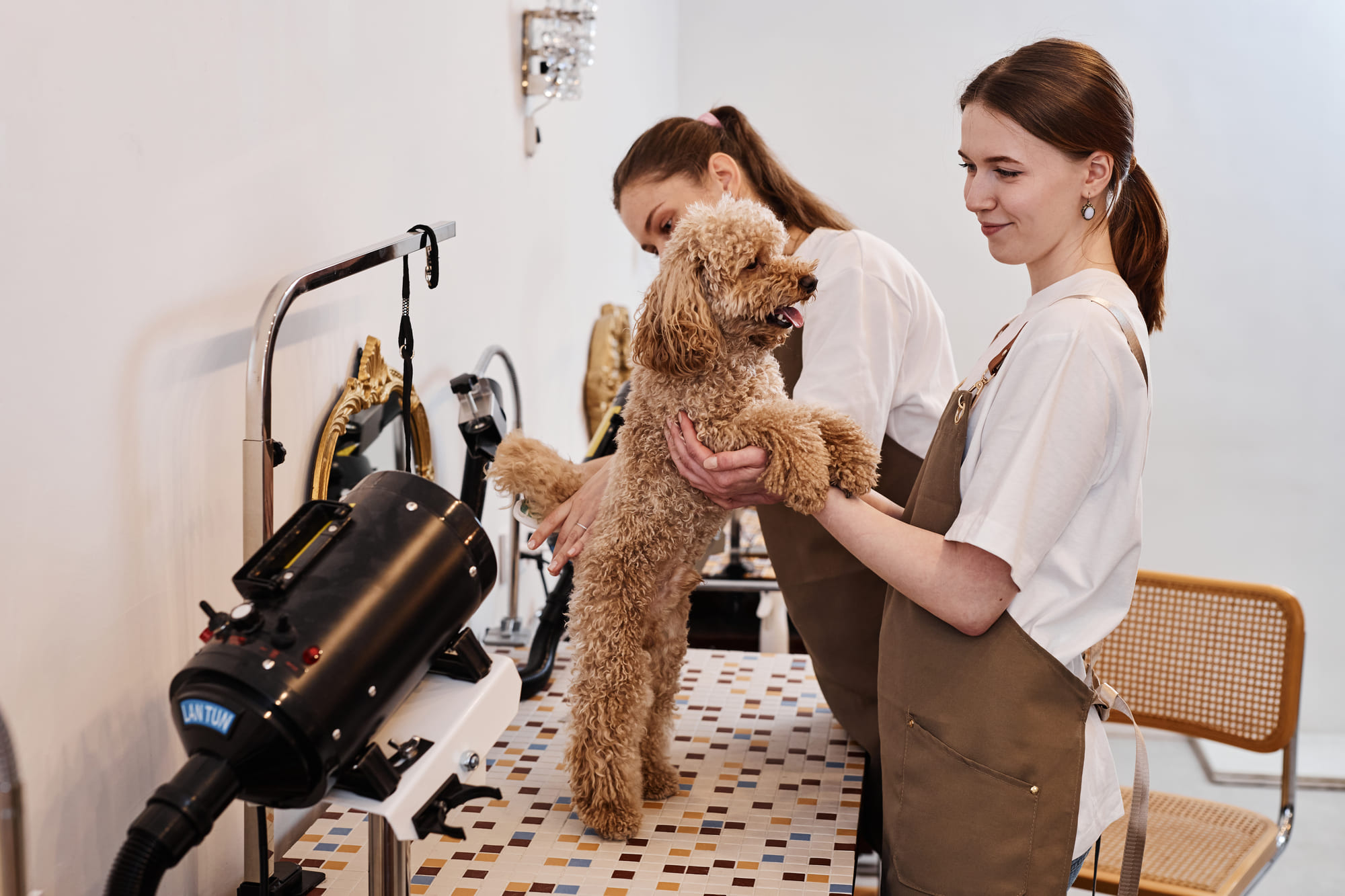
Tag: puppy first grooming visit Vancouver

  • Coat Matting: Causes, Prevention, and Professional Solutions

    Coat Matting: Causes, Prevention, and Professional Solutions

    Introduction

    If you’ve ever tried brushing your dog or cat and found a tight, knotted clump of fur that just won’t budge, you’ve encountered coat matting. For many Vancouver pet owners, matting is a common grooming challenge—especially with our damp coastal climate, frequent outdoor adventures, and breeds with longer or thicker coats. What starts as a small tangle can quickly turn into painful mats that pull on the skin, trap moisture, and even hide infections.

    At PetLux, we see matting concerns daily at both our West Vancouver pet grooming and Downtown Vancouver pet grooming locations. The good news? Matting is preventable, manageable, and treatable with the right grooming routine and professional care. In this guide, we’ll walk you through what causes coat matting, how to prevent it at home, and when to seek professional pet grooming in Vancouver to keep your furry companion healthy, comfortable, and looking their best.

    Whether you’re a new puppy parent searching for puppy first grooming visit Vancouver tips or a seasoned pet owner looking for grooming for senior dogs, this article will help you make informed, caring decisions for your pet.


    Technical Comparison Table: Types of Coat Matting

    Type of Matting Common Causes Risk Level Recommended Solution
    Light Tangles Friction, minor shedding Low Daily brushing, conditioning spray
    Moderate Mats Missed grooming, moisture buildup Medium Professional dematting tools
    Severe Mats Long-term neglect, dense undercoats High Clipper shave by a groomer
    Felted Coats Extreme matting, skin trapped beneath Very High Veterinary or expert groomer care
    Seasonal Mats Shedding cycles, humidity Medium Increased brushing, coat thinning

    What Is Coat Matting?

    Coat matting happens when loose hair tangles and twists around itself, forming dense knots that tighten over time. It’s most common in long-haired breeds like Golden Retrievers, Doodles, Persians, and Maine Coons, but any pet can develop mats.

    Mats often form behind the ears, under the collar, in the armpits, around the tail, and on the belly. Left untreated, they can pull painfully on the skin, restrict movement, trap dirt and moisture, and even cause hot spots or infections.


    Common Causes of Coat Matting

    1. Irregular Brushing

    One of the biggest contributors is infrequent or improper brushing. Even short-coated pets benefit from regular grooming, while long-coated breeds need near-daily care.

    2. Vancouver’s влаж Climate

    Our coastal weather means more moisture in the air. Wet fur from rain, snow, or swimming dries unevenly, making tangles more likely to tighten into mats.

    3. Seasonal Shedding

    During shedding seasons, loose undercoat hair gets trapped in the topcoat, accelerating mat formation.

    4. Collars and Harnesses

    Constant friction from collars, harnesses, and sweaters can create mats around the neck, chest, and shoulders.

    5. Missed Professional Grooming

    Skipping routine visits to a professional pet grooming Vancouver service allows tangles to build up unnoticed.


    Why Matting Is a Serious Issue

    Matting isn’t just a cosmetic problem. Severe mats can:

    • Pull on the skin, causing pain

    • Reduce airflow to the skin, leading to irritation

    • Trap moisture, increasing infection risk

    • Hide parasites or wounds

    • Limit movement and flexibility

    For anxious pets or grooming for senior dogs, matting can make grooming sessions stressful and uncomfortable if not addressed early.


    How to Prevent Coat Matting at Home

    Establish a Brushing Routine

    How often should dogs be groomed? For long-haired pets, aim for daily brushing. Short-haired breeds benefit from brushing 2–3 times a week.

    Use the Right Tools

    • Slicker brush for surface tangles

    • Undercoat rake for thick coats

    • Wide-tooth comb for finishing

    • Detangling spray for stubborn areas

    Focus on Problem Areas

    Pay extra attention to behind the ears, under the collar, and around joints.

    Dry Thoroughly

    After walks in the rain or a bath, fully dry your pet’s coat before brushing.

    Positive Grooming Habits

    For grooming tips for anxious pets, keep sessions short, calm, and reward-based. This builds trust and cooperation over time.


    When to Seek Professional Grooming

    If you notice mats that won’t loosen with gentle brushing, it’s time to book professional pet grooming Vancouver services. Attempting to cut mats at home can easily result in skin injuries.

    At PetLux, our trained groomers use specialized tools and techniques to remove mats safely and humanely. In severe cases, shaving may be the kindest option to restore comfort and skin health.


    Professional Solutions at PetLux

    Gentle Dematting

    For moderate mats, we use professional-grade conditioners and tools to loosen tangles without causing pain.

    Precision Clipper Shaves

    For severe or felted coats, shaving may be necessary. Our groomers do this carefully to avoid nicks and irritation.

    Coat Conditioning Treatments

    Hydrating and strengthening the coat reduces future matting and improves overall fur texture.

    Breed-Specific Grooming Plans

    From puppy first grooming visit Vancouver appointments to senior pet grooming care, we tailor our approach to your pet’s age, coat type, and temperament.


    FAQs

    1. Can matting hurt my pet?
    Yes. Mats pull on the skin, restrict movement, and can cause irritation or infections if left untreated.

    2. Should I cut mats out at home?
    It’s risky. Skin can easily get caught in scissors. It’s safer to visit a professional groomer.

    3. How often should dogs be groomed in Vancouver’s climate?
    Long-haired dogs benefit from grooming every 4–6 weeks, with regular home brushing in between.

    4. Do cats get matted too?
    Absolutely. Cat grooming Vancouver services are especially helpful for long-haired or senior cats.

    5. Is matting more common in certain breeds?
    Yes. Doodles, Poodles, Shih Tzus, and Persian cats are particularly prone to matting.


    Conclusion + Local Call to Action

    Coat matting may start small, but it can quickly become a serious comfort and health issue for your pet. With regular brushing, mindful grooming habits, and professional care, you can keep your pet’s coat soft, healthy, and mat-free year-round.

    If you’re searching for the best dog groomers in Vancouver or reliable cat grooming Vancouver services, PetLux is here to help. Our expert team provides compassionate, professional grooming tailored to your pet’s unique needs.

    📍 PetLux West Vancouver
    1445 Marine Dr, West Vancouver, BC V7T 1B8
    📞 604-926-3020

    📍 PetLux Downtown Vancouver
    650 Pacific St, Vancouver, BC V6Z 0G5
    📞 604-571-9730

    Book your appointment today and give your pet the comfort and care they deserve.
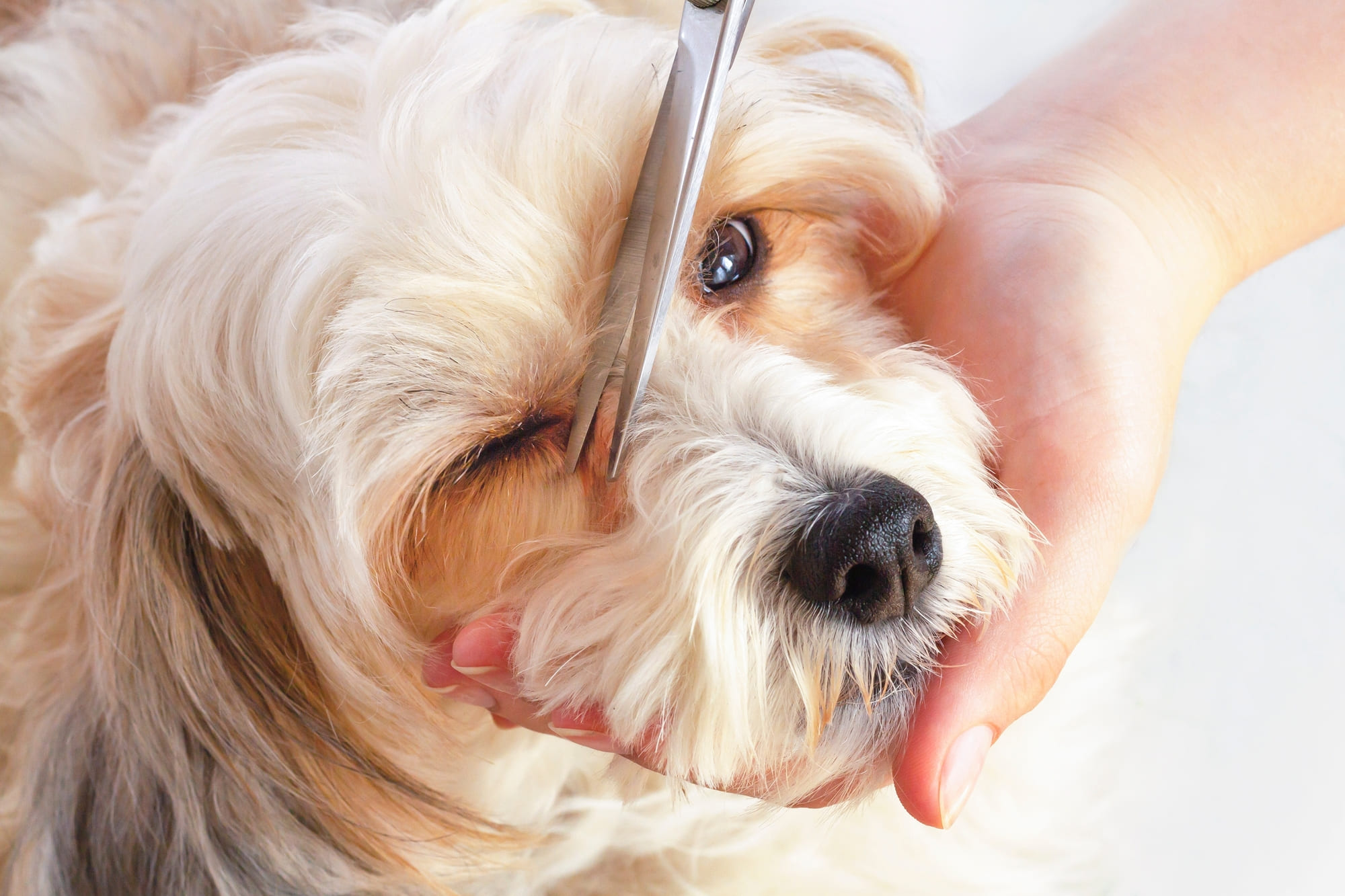
  • How Grooming Supports Natural Skin Oil Distribution

    How Grooming Supports Natural Skin Oil Distribution

    Introduction

    If you’ve ever wondered why your dog’s coat looks shinier after a professional groom, the answer often comes down to one simple but powerful process: natural skin oil distribution. For pet owners across Vancouver—from waterfront walks in West Vancouver to busy downtown condo living—regular grooming does far more than keep pets looking tidy. It plays a vital role in maintaining healthy skin, balanced oils, and a naturally glossy coat.

    Dogs and cats produce natural oils (called sebum) that protect their skin, repel dirt, and keep their fur soft. But without proper grooming, these oils don’t spread evenly. They can build up in one area, clog pores, cause odors, or leave other parts of the coat dry and dull. That’s where professional pet grooming Vancouver services like PetLux come in—using the right tools and techniques to distribute those oils evenly and safely.

    Whether you’re searching for the best dog groomers in Vancouver, planning a puppy first grooming visit Vancouver, or simply learning how often should dogs be groomed, understanding oil distribution can help you make better grooming decisions for your pet’s long-term health.


    Technical Comparison Table: Grooming Methods & Oil Distribution

    Grooming Method How It Affects Oil Distribution Best For Coat Types Frequency Recommendation
    Bristle Brushing Gently spreads surface oils Short-haired dogs, seniors 2–3 times per week
    Slicker Brushing Loosens debris and redistributes oils Medium to long coats 3–4 times per week
    Deshedding Tools Removes undercoat, balances oil flow Double-coated breeds Bi-weekly to monthly
    Professional Bathing Cleans excess oil, resets balance All coat types Every 4–8 weeks
    Hand Scissoring & Finishing Prevents oil traps in long fur Long and curly coats With every groom

    Why Natural Skin Oils Matter for Your Pet

    Your pet’s skin produces oils for a reason. These oils:

    • Protect against bacteria and allergens

    • Maintain moisture and elasticity

    • Create a natural shine

    • Reduce irritation and flaking

    • Improve coat texture

    When oils aren’t distributed properly, pets can experience itchy skin, hot spots, dull fur, and even unpleasant odors. This is especially common in urban environments like Downtown Vancouver, where pollution and indoor heating can dry out skin.

    Regular Vancouver pet grooming helps keep that oil balance just right.


    How Grooming Helps Distribute Natural Oils

    1. Brushing Activates Oil Flow

    Brushing doesn’t just remove loose hair—it stimulates the skin. This gentle stimulation encourages oil production and moves those oils from the roots down the hair shaft.

    Professional groomers use coat-specific brushes to ensure even coverage without scratching sensitive skin.

    2. Bathing Resets Oil Balance

    While over-bathing can strip oils, proper professional bathing removes excess buildup while preserving healthy oils. At PetLux, shampoos are chosen to match your pet’s coat and skin needs.

    This balance is critical for pets prone to dryness or sensitivity.

    3. Trimming Prevents Oil Traps

    Long fur can trap oil near the skin, leading to greasy patches and clogged follicles. Strategic trimming allows oils to spread evenly and keeps the coat breathable.

    4. Blow Drying Enhances Distribution

    Professional drying techniques help lift the coat and encourage oil movement through the fur. It also prevents matting, which blocks oil flow entirely.


    Breed & Coat Type Considerations

    Short-Haired Dogs

    Breeds like Boxers, French Bulldogs, and Pugs benefit from gentle brushing and periodic baths to prevent oily buildup in skin folds.

    Double-Coated Dogs

    Huskies, Golden Retrievers, and German Shepherds require deshedding tools and structured grooming schedules to avoid trapped oils in their dense undercoats.

    Long-Haired Dogs

    Shih Tzus, Maltese, and Doodles need frequent brushing and trimming to maintain even oil distribution and prevent matting.

    Cats

    Yes—cat grooming Vancouver services matter too. Cats produce oils just like dogs, and long-haired cats especially need professional grooming to avoid greasy mats and hairballs.


    Grooming for Senior Dogs & Puppies

    Grooming for Senior Dogs

    Older pets often produce less oil and have thinner skin. Gentle grooming helps stimulate oil production and improve circulation, reducing dryness and stiffness.

    Puppy First Grooming Visit Vancouver

    Early grooming teaches puppies to tolerate brushing, bathing, and drying. This sets the foundation for healthy oil distribution for life.


    Grooming Tips for Anxious Pets

    If your pet is nervous about grooming:

    • Start with short brushing sessions

    • Use calm voices and slow movements

    • Schedule professional grooming during quiet hours

    • Stick to a consistent grooming routine

    PetLux specializes in grooming tips for anxious pets, using gentle handling and stress-free techniques.


    How Often Should Dogs Be Groomed?

    There’s no one-size-fits-all answer, but general guidelines include:

    • Short coats: Every 6–8 weeks

    • Medium coats: Every 4–6 weeks

    • Long or curly coats: Every 3–5 weeks

    • Double coats: Every 6–8 weeks with deshedding support

    Professional groomers can tailor schedules based on your pet’s skin condition, lifestyle, and activity level.


    Why Choose Professional Pet Grooming in Vancouver?

    DIY grooming can help, but professional grooming offers:

    • Specialized tools for oil distribution

    • Skin-safe products

    • Coat-type expertise

    • Early detection of skin issues

    • Stress-free handling for nervous pets

    If you’re looking for professional pet grooming Vancouver, PetLux combines technical care with a warm, pet-first approach.


    FAQs

    1. Does brushing really improve my pet’s coat shine?
    Yes. Brushing redistributes natural oils that create shine and softness.

    2. Can over-grooming harm oil balance?
    Yes. Too frequent bathing can strip oils, which is why professional scheduling matters.

    3. Is grooming important for indoor pets?
    Absolutely. Indoor heating dries skin and disrupts oil balance.

    4. Should cats be professionally groomed?
    Yes. Long-haired cats especially benefit from oil redistribution grooming.

    5. What’s the best grooming routine for Vancouver weather?
    Seasonal grooming adjustments help manage humidity, rain, and winter dryness.


    Conclusion + Local Call to Action

    Natural skin oils are your pet’s built-in skincare system—and grooming is the key to making that system work properly. From brushing and bathing to trimming and drying, every grooming step supports even oil distribution, healthier skin, and a naturally glossy coat.

    If you’re searching for the best dog groomers in Vancouver or trusted Vancouver pet grooming, PetLux is here to help.

    📍 PetLux West Vancouver
    1445 Marine Dr, West Vancouver, BC V7T 1B8
    📞 604-926-3020

    📍 PetLux Downtown Vancouver
    650 Pacific St, Vancouver, BC V6Z 0G5
    📞 604-571-9730

    Book your pet’s next grooming session today and give their skin and coat the care they deserve

  • Nail Trimming Anatomy: Understanding the Quick and Nail Growth

    Nail Trimming Anatomy: Understanding the Quick and Nail Growth

    Introduction

    If you’ve ever tried trimming your dog’s nails and felt that sudden wave of anxiety—Where do I cut? What if I hurt them?—you’re not alone. Nail trimming is one of the most misunderstood parts of pet grooming, yet it’s one of the most important for your pet’s comfort, mobility, and long-term health. For pet owners across Vancouver, West Vancouver, and Downtown Vancouver, learning the basics of nail anatomy can make grooming feel far less intimidating.

    At PetLux, we regularly meet loving pet parents who want to do the right thing but worry about cutting into the “quick” or causing pain. Understanding how a pet’s nail grows, where the sensitive tissue lies, and how trimming supports healthy posture can completely change how you approach nail care.

    In this guide, we’ll break down nail trimming anatomy in plain language, explain how nail growth works, and share practical tips to keep your dog or cat safe and stress-free. Whether you’re grooming at home or searching for professional pet grooming in Vancouver, this knowledge helps you make confident, informed decisions for your furry family member.


    Technical Comparison Table: Nail Anatomy Basics

    Feature What It Is Why It Matters Visible in Light Nails Visible in Dark Nails
    Nail Shell Hard outer layer Protects inner tissue Yes Yes
    Quick Blood vessel & nerve core Cutting it causes pain & bleeding Yes (pink) No (hidden)
    Nail Bed Base where nail grows from Determines growth speed Partially Partially
    Growth Direction Forward curve of the nail Affects how nails should be trimmed Yes Yes
    Dead Tip Area Safe trimming zone Prevents injury to the quick Yes Approximate

    Understanding Nail Anatomy: What’s Inside Your Pet’s Nail?

    Your pet’s nail isn’t just a solid piece of keratin—it’s a living structure with sensitive tissue inside.

    The Nail Shell

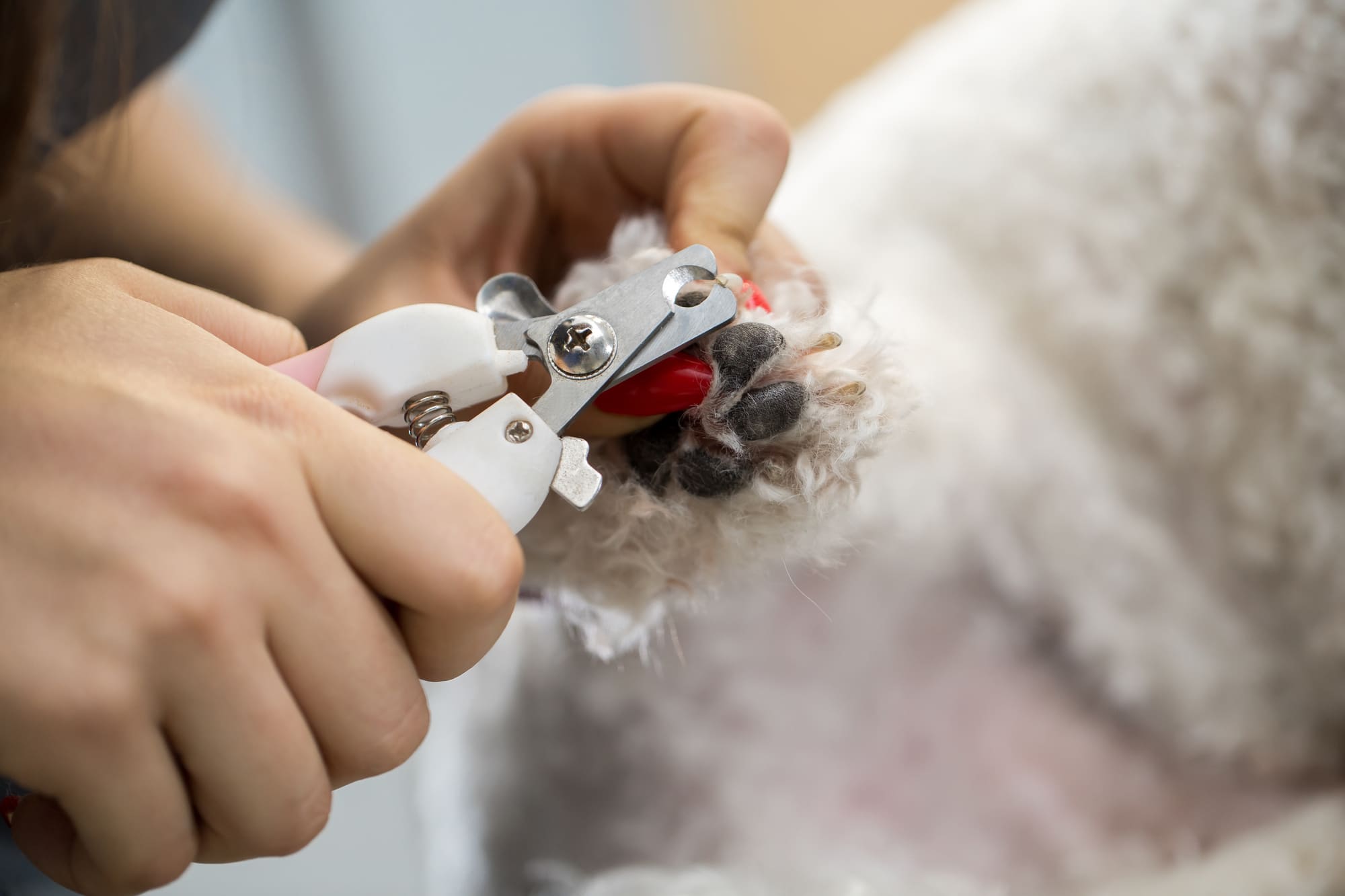
    This is the hard outer layer you see. It grows continuously and needs regular trimming to prevent overgrowth.

    The Quick

    The quick is the soft inner tissue that contains nerves and blood vessels. If it’s cut, it can cause bleeding and discomfort. In light-colored nails, it looks pink. In dark nails, it’s hidden, which makes trimming trickier.

    The Nail Bed

    This is the area where the nail grows from. Healthy trimming encourages the nail bed to recede over time, making future trims easier and safer.


    How Nail Growth Works in Dogs and Cats

    Nails grow continuously throughout your pet’s life, just like human nails.

    Growth Factors That Affect Speed

    • Breed & size – Larger breeds often have thicker, faster-growing nails

    • Age – Puppies grow nails quickly; seniors may grow them more slowly

    • Activity level – Dogs that walk on pavement wear down nails naturally

    • Diet & health – Good nutrition supports healthy nail growth

    In Vancouver’s urban environment, many dogs don’t naturally wear down their nails enough, especially smaller breeds and indoor cats. That’s why routine trimming is essential.


    Why Trimming Too Long Nails Is a Health Risk

    Overgrown nails aren’t just cosmetic—they can lead to real health problems.

    Common issues include:

    • Altered walking posture

    • Joint strain and arthritis

    • Broken or split nails

    • Painful pressure on the nail bed

    • Increased anxiety or aggression during grooming

    For senior pets or dogs with mobility issues, proper nail length can significantly improve comfort and movement.


    How to Identify the Quick Safely

    In Light-Colored Nails

    The quick is visible as a pink center. Trim small amounts at a time and stop before you reach the pink area.

    In Dark-Colored Nails

    This requires extra care. Look for:

    • A chalky white or gray center (safe zone)

    • A darker, moist center (stop trimming)

    When in doubt, it’s always safer to leave a little extra length or book professional pet grooming in Vancouver with experienced groomers who know exactly how to trim safely.


    How Often Should Nails Be Trimmed?

    Every pet is different, but a general guideline is:

    • Dogs: Every 3–5 weeks

    • Cats: Every 4–6 weeks

    Signs your pet’s nails are too long:

    • Clicking sounds on the floor

    • Nails touching the ground when standing

    • Snagging on blankets or carpets

    • Reluctance to walk or play

    This ties closely into how often should dogs be groomed, especially for full-service grooming routines.


    Grooming Tips for Anxious Pets

    If your pet hates nail trims, you’re not alone. Nail anxiety is very common.

    Helpful strategies:

    • Use treats and calm praise

    • Trim after exercise when your dog is relaxed

    • Handle paws gently every day to build tolerance

    • Start with just one nail per session

    • Use a professional groomer for sensitive pets

    At PetLux, we specialize in grooming tips for anxious pets and offer patient, low-stress nail trims tailored to nervous dogs, senior pets, and puppies.


    Nail Trimming for Puppies and Senior Dogs

    Puppy First Grooming Visit Vancouver

    Early exposure is key. Gentle trims help puppies learn that grooming is safe and normal. This makes lifelong nail care much easier.

    Grooming for Senior Dogs

    Older dogs may have brittle nails and sensitive joints. Short, frequent trims are safer than long gaps between appointments.


    Professional vs At-Home Nail Trimming

    At-Home Trimming Pros

    • Convenient

    • Budget-friendly

    • Builds bonding time

    Professional Grooming Pros

    • Reduced injury risk

    • Proper equipment

    • Experienced handling

    • Ideal for dark nails or anxious pets

    Many Vancouver pet owners choose a hybrid approach—basic maintenance at home and professional pet grooming Vancouver services for more delicate trims.


    Why Choose PetLux for Nail Trimming in Vancouver?

    PetLux is known as one of the best dog groomers in Vancouver because we focus on safety, comfort, and expert technique.

    What makes us different:

    • Gentle handling for anxious pets

    • Specialized care for senior dogs

    • Clean, calming grooming environments

    • Experienced groomers trained in nail anatomy

    • Full-service dog grooming Vancouver & cat grooming Vancouver options

    We don’t rush nail trims—we make them a positive experience for your pet.


    FAQs

    1. What happens if I accidentally cut the quick?
    It may bleed and cause discomfort. Apply styptic powder and keep the area clean. If bleeding continues, contact a vet.

    2. Can trimming nails too short cause long-term damage?
    Repeated injuries can make pets fearful and cause nail sensitivity. Gentle, correct trimming prevents this.

    3. Do cats need nail trimming too?
    Yes. Indoor cats especially need routine trims to prevent overgrowth and furniture damage.

    4. Are professional groomers better for dark nails?
    Yes. Dark nails make the quick invisible, increasing injury risk for DIY trims.

    5. How do I get my dog used to nail trimming?
    Start young, use positive reinforcement, and keep sessions short and calm.


    Conclusion + Local CTA

    Understanding nail trimming anatomy—especially the quick and nail growth—can completely change how you care for your pet. Whether you’re trimming at home or booking professional grooming, safe nail care supports your pet’s posture, comfort, and long-term health.

    If you’re looking for trusted, gentle, professional pet grooming in Vancouver, PetLux is here to help.

    📍 PetLux West Vancouver
    1445 Marine Dr, West Vancouver, BC V7T 1B8
    📞 604-926-3020

    📍 PetLux Downtown Vancouver
    650 Pacific St, Vancouver, BC V6Z 0G5
    📞 604-571-9730

    Book a nail trim or full grooming session today and give your pet the comfort they deserve.

  • Puppy Grooming Milestones: Neurological & Behavioral Readiness

    Puppy Grooming Milestones: Neurological & Behavioral Readiness

    Bringing a new puppy home in Vancouver is pure joy — the tiny paws, the playful energy, and that irresistible puppy smell. But as exciting as it is, many local pet parents quickly wonder: When is the right time to start grooming?

    Puppy grooming isn’t just about looking cute. It’s about neurological development, emotional confidence, and creating positive associations that last a lifetime. Knowing when your puppy is mentally and behaviorally ready for professional grooming can make all the difference between a calm spa day and a stressful experience.

    At PetLux, we work with puppies every day at our West Vancouver and Downtown Vancouver salons. We’ve seen firsthand how early, gentle grooming builds trust, reduces anxiety, and sets puppies up for long-term wellness. Whether you’re searching for Vancouver pet grooming, puppy first grooming visit Vancouver, or professional pet grooming Vancouver, this guide will help you understand the ideal grooming milestones and how to support your puppy’s development.


    🧠 Puppy Grooming Readiness Comparison Table

    Puppy Age Neurological Development Stage Behavioral Traits Grooming Readiness Level Recommended Grooming Exposure
    4–7 weeks Early sensory development Curious, wobbly, dependent Not ready for salon grooming Gentle handling at home, soft brushing
    8–10 weeks Rapid brain development Alert, learning boundaries Low-moderate readiness Introductory grooming visits, bath-only
    11–14 weeks Social learning peak Curious, adaptable Moderate readiness Light trims, nail trims, brushing
    15–20 weeks Emotional regulation forming More confident, playful High readiness Full grooming sessions (breed appropriate)
    6+ months Behavioral stabilization Predictable responses Fully ready Routine grooming schedule

    Why Grooming Readiness Matters for Puppies

    Puppies go through critical neurological and behavioral phases during their first six months of life. Introducing grooming too early or too aggressively can overwhelm their developing nervous system. But waiting too long can make grooming feel foreign and stressful.

    The goal is to create positive first impressions. Gentle, structured grooming helps puppies learn:

    • How to tolerate touch

    • How to remain calm during new experiences

    • How to trust professional groomers

    • How to regulate emotional responses

    This foundation supports healthier adult grooming behavior and reduces long-term anxiety.


    Key Puppy Grooming Milestones Explained

    1. Early Sensory Stage (4–7 Weeks)

    At this stage, puppies are still developing motor control and sensory awareness. Their nervous system is immature, and they rely heavily on their mother.

    Best grooming activities:

    • Soft brushing at home

    • Gentle handling of paws, ears, and tail

    • Exposure to grooming sounds (hair dryers on low, clippers nearby)

    This phase is about familiarity, not formal grooming.


    2. Learning & Socialization Stage (8–10 Weeks)

    This is when puppies start forming emotional associations with experiences.

    What works best:

    • Short salon introductions

    • Bath-only visits

    • Calm nail trims

    • Positive reinforcement (treats, praise)

    Many Vancouver pet owners book a puppy first grooming visit Vancouver at this age to establish early trust.


    3. Confidence-Building Stage (11–14 Weeks)

    Now your puppy is learning boundaries and adapting to new environments.

    Recommended grooming exposure:

    • Light trimming around face and paws

    • Brushing sessions

    • Ear cleaning

    • Handling practice

    This stage is ideal for building routine grooming habits that prevent fear later.


    4. Behavioral Stabilization Stage (15–20 Weeks)

    Your puppy’s emotional regulation improves. They can handle longer grooming sessions and mild stressors.

    At this point, they’re ready for:

    • Full breed-appropriate grooming

    • Deshedding treatments

    • Coat shaping

    • Regular nail care

    This is when many families shift into scheduled professional pet grooming Vancouver services.


    Signs Your Puppy Is Ready for Professional Grooming

    Every puppy develops differently. Look for these readiness cues:

    • Comfortable being touched on paws, ears, and belly

    • Calm response to new environments

    • Able to stay still for short periods

    • Curious but not fearful of new tools

    • Recovers quickly from mild stress

    If your puppy shows fear or distress, gradual desensitization is key.


    Grooming Tips for Anxious Puppies

    Some puppies need extra support during early grooming.

    Helpful strategies include:

    • Start with short sessions

    • Keep grooming routines predictable

    • Bring a favorite toy or blanket

    • Reward calm behavior

    • Avoid overwhelming environments

    Our PetLux groomers are trained in grooming tips for anxious pets and use gentle handling techniques to reduce stress.


    How Often Should Puppies Be Groomed?

    This depends on coat type, activity level, and individual needs.

    General guidelines:

    • Short coats: every 6–8 weeks

    • Medium coats: every 4–6 weeks

    • Long or curly coats: every 3–5 weeks

    Routine grooming supports coat health and helps puppies learn consistent expectations. Many Vancouver families ask how often should dogs be groomed — starting early helps make future visits easy.


    Grooming for Senior Dogs Starts in Puppyhood

    Believe it or not, early grooming habits influence your dog’s comfort later in life.

    Puppies who grow up with positive grooming experiences:

    • Handle grooming for senior dogs better

    • Experience less anxiety

    • Maintain healthier skin and coats

    • Require fewer restraint-based interventions

    This long-term wellness benefit is why early grooming education matters.


    Puppy Grooming vs Adult Grooming

    Puppy grooming focuses more on training and emotional comfort, while adult grooming emphasizes coat maintenance.

    Key differences:

    • Shorter sessions for puppies

    • More breaks and reassurance

    • Gentler trimming techniques

    • Positive reinforcement focus

    Professional groomers adapt techniques to match each developmental stage.


    Mobile Pet Grooming vs Salon Grooming in Vancouver

    Some owners consider mobile pet grooming Vancouver for convenience. While mobile grooming offers privacy, salon grooming provides social exposure and access to professional-grade tools.

    At PetLux, our salons create a calm, structured environment that helps puppies build confidence in controlled social settings.


    FAQs

    1. What age should my puppy have their first grooming visit?
    Most puppies are ready between 8–10 weeks for introductory grooming.

    2. Can grooming help with puppy anxiety?
    Yes. Gentle, consistent grooming builds trust and emotional resilience.

    3. How long does a puppy grooming session take?
    Short sessions (30–60 minutes) are ideal for early visits.

    4. Do puppies need breed-specific grooming?
    Yes. Coat type determines trimming and brushing needs.

    5. Should I groom my puppy at home too?
    Yes. Light brushing and handling between professional visits supports comfort.


    Conclusion: Build Lifelong Grooming Confidence in Vancouver

    Understanding your puppy’s neurological and behavioral readiness makes grooming safer, calmer, and more effective. By introducing professional grooming at the right milestones, you help your puppy grow into a confident, well-adjusted adult dog.

    At PetLux, we specialize in gentle puppy grooming Vancouver services tailored to your puppy’s developmental stage. Whether you’re searching for the best dog groomers in Vancouver, cat grooming Vancouver, or trusted local care, our expert team is here to help.

    📍 Visit Us Today

    PetLux West Vancouver
    1445 Marine Dr, West Vancouver, BC V7T 1B8
    📞 604-926-3020

    PetLux Downtown Vancouver
    650 Pacific St, Vancouver, BC V6Z 0G5
    📞 604-571-9730

    Book your puppy’s first grooming visit today and start their wellness journey with confidence.

  • What “Fear-Free Grooming” Means for Vancouver Pets

    What “Fear-Free Grooming” Means for Vancouver Pets

    Introduction

    If your dog hides when you grab the leash for a grooming appointment—or your cat turns into a tiny ninja at the sight of a carrier—you’re not alone. Many Vancouver pet owners worry about how stressful grooming can be for their furry family members. Busy urban environments, unfamiliar sounds, new people, and past negative experiences can all make routine grooming feel overwhelming for pets.

    That’s where fear-free grooming in Vancouver comes in. Instead of rushing through appointments or forcing nervous animals to “push through” their anxiety, fear-free grooming focuses on patience, comfort, and trust. It’s about making grooming a positive, low-stress experience that supports both emotional and physical wellbeing.

    At PetLux, with locations in West Vancouver and Downtown Vancouver, fear-free techniques are at the heart of professional pet grooming Vancouver families rely on. Whether it’s a puppy’s first grooming visit in Vancouver, grooming for senior dogs, or specialized cat grooming Vancouver pet parents trust, fear-free methods can transform grooming from a dreaded chore into a calm, confidence-building routine.


    Fear-Free Grooming vs. Traditional Grooming (Technical Comparison Table)

    Feature Fear-Free Grooming Approach Traditional Grooming Approach
    Handling Style Gentle, slow, consent-based Faster, firm handling
    Environment Quiet, calming, low stimulation Busy, noisy, high stimulation
    Grooming Pace Pet sets the pace Groomer sets the pace
    Use of Breaks Frequent breaks when stress signs appear Minimal breaks
    Tools & Techniques Low-noise tools, calming methods Standard tools, limited adjustments
    Emotional Focus Reducing fear, building trust Completing service efficiently
    Suitability for Anxious Pets Highly suitable Often stressful
    Long-Term Pet Behavior Builds positive grooming associations Can increase long-term anxiety

    What Is Fear-Free Grooming?

    Fear-free grooming is a philosophy and method designed to reduce stress, fear, and anxiety in pets during grooming. It uses:

    • Gentle handling techniques

    • Positive reinforcement

    • Calm, quiet environments

    • Breaks when pets show stress signals

    • Desensitization for tools like dryers and clippers

    Instead of rushing, groomers work with your pet’s emotional comfort level. For anxious dogs, senior pets, or cats, this approach can make an enormous difference.

    In Vancouver pet grooming settings, fear-free methods are especially important because many pets live in condos, experience busy city noise, and have limited exposure to grooming environments early in life.


    Why Fear-Free Grooming Matters for Vancouver Pets

    1. Reduces Anxiety and Stress

    Many pets associate grooming with restraint, loud dryers, or unfamiliar hands. Fear-free grooming helps:

    • Lower cortisol (stress hormone) levels

    • Prevent panic reactions

    • Improve trust with groomers

    This is especially beneficial for grooming tips for anxious pets and rescue animals with unknown histories.


    2. Improves Safety

    A calm pet is a safer pet. Fear-free grooming:

    • Reduces sudden movements or biting

    • Lowers risk of accidental cuts or injuries

    • Makes nail trimming and ear cleaning easier

    This matters for both pets and groomers in professional pet grooming Vancouver environments.


    3. Supports Senior Dogs and Special Needs Pets

    Grooming for senior dogs requires extra care. Fear-free methods:

    • Protect sore joints

    • Reduce fatigue

    • Allow frequent rest breaks

    For pets with arthritis, vision loss, or hearing decline, a calm grooming environment is essential.


    4. Helps Puppies Build Positive Associations

    Your puppy’s first grooming visit in Vancouver can shape their lifelong behavior. Fear-free grooming:

    • Introduces tools slowly

    • Uses treats and praise

    • Keeps sessions short and positive

    This sets the foundation for years of stress-free grooming.


    Who Benefits Most from Fear-Free Grooming?

    While all pets benefit, fear-free grooming is especially helpful for:

    • Anxious or reactive dogs

    • Cats that dislike handling

    • Rescue pets

    • Senior dogs

    • Puppies

    • Pets with medical sensitivities

    Many best dog groomers in Vancouver now incorporate fear-free principles because of these long-term benefits.


    What Happens During a Fear-Free Grooming Session?

    At a fear-free Vancouver pet grooming salon like PetLux, sessions typically include:

    • A calm welcome and slow introduction

    • Letting pets explore the space

    • Gentle brushing before bathing

    • Low-noise dryers or towel drying

    • Breaks if stress signs appear

    • Treats and praise throughout

    Groomers watch for subtle stress signals like lip licking, yawning, trembling, or tail tucking and adjust accordingly.


    Fear-Free Grooming for Cats in Vancouver

    Cat grooming Vancouver pet owners trust should always include fear-free principles. Cats are especially sensitive to:

    • Loud noises

    • Strong smells

    • Rough handling

    Fear-free cat grooming includes:

    • Quiet rooms

    • Minimal restraint

    • Slow brushing

    • Shorter sessions

    • Calming pheromone diffusers

    This approach prevents fear-based aggression and long-term grooming trauma.


    Mobile vs. Salon Fear-Free Grooming

    Some pet parents ask whether mobile pet grooming Vancouver services are better for anxious pets. The answer depends on your pet:

    Mobile Grooming Pros:

    • Familiar home environment

    • No car ride stress

    • One-on-one attention

    Salon Grooming Pros (Fear-Free Salon):

    • Professional equipment

    • Controlled calm environment

    • Experienced groomers trained in fear-free methods

    Both options can work when fear-free techniques are used correctly.


    How Often Should Dogs Be Groomed?

    Many Vancouver dog owners ask: How often should dogs be groomed?

    While it depends on breed, coat type, and lifestyle, general guidance includes:

    • Short-haired dogs: every 6–8 weeks

    • Long-haired dogs: every 4–6 weeks

    • Double-coated breeds: seasonal grooming plus maintenance

    • Puppies: short introductory sessions every 3–4 weeks

    Fear-free grooming makes regular grooming easier to maintain.


    Choosing a Fear-Free Groomer in Vancouver

    When searching for West Vancouver pet grooming or Downtown Vancouver pet grooming services, look for groomers who:

    • Ask about your pet’s behavior history

    • Allow gradual introductions

    • Use positive reinforcement

    • Avoid rushing

    • Welcome pet parent communication

    PetLux is known for combining expert care with compassionate fear-free grooming methods.


    FAQs

    1. Is fear-free grooming only for anxious pets?
    No. All pets benefit from gentler handling, lower stress, and positive experiences.

    2. Does fear-free grooming take longer?
    Sometimes, yes. But the long-term emotional benefits far outweigh the extra time.

    3. Can senior dogs be groomed safely with fear-free methods?
    Absolutely. Fear-free grooming is ideal for grooming for senior dogs with mobility or sensitivity issues.

    4. What if my pet has had bad grooming experiences before?
    Fear-free techniques are designed to rebuild trust slowly and gently.

    5. Is fear-free grooming available for cats in Vancouver?
    Yes. Cat grooming Vancouver services at PetLux include calm, low-stress handling methods.


    Conclusion + Local Call to Action

    Fear-free grooming isn’t a trend—it’s a compassionate, science-backed approach to caring for pets. For Vancouver pet owners who want safer, calmer, and more positive grooming experiences, fear-free grooming offers lasting emotional and physical benefits.

    At PetLux, your pet’s comfort comes first. Whether you’re booking professional pet grooming Vancouver families trust, preparing for your puppy’s first grooming visit in Vancouver, or looking for gentle grooming for a senior companion, PetLux delivers expert, fear-free care.

    📍 PetLux West Vancouver
    1445 Marine Dr, West Vancouver, BC V7T 1B8
    📞 604-926-3020

    📍 PetLux Downtown Vancouver
    650 Pacific St, Vancouver, BC V6Z 0G5
    📞 604-571-9730

    Book your pet’s fear-free grooming session today and experience the PetLux difference.

  • Ear Cleaning in Dogs: Preventing Otitis Externa Through Grooming

    Ear Cleaning in Dogs: Preventing Otitis Externa Through Grooming

    Introduction

    If you’re a dog owner in Vancouver, you already know how our coastal climate can affect your pet’s health. The damp air, frequent rain, and active outdoor lifestyle we love here can also create the perfect environment for ear problems in dogs—especially otitis externa, a painful and common outer ear infection.

    Many pet parents focus on brushing, bathing, and nail trims, but ear care often gets overlooked. Yet, routine ear cleaning is one of the most effective grooming habits for keeping your dog comfortable, healthy, and infection-free. Whether you’re visiting Stanley Park, hiking the North Shore trails, or strolling around Coal Harbour, your dog’s ears are exposed to moisture, debris, and allergens every day.

    At PetLux, we’ve seen how proper ear grooming can prevent costly vet visits and unnecessary discomfort. As a trusted Vancouver pet grooming service, we help pet owners build safe, stress-free grooming routines—especially for sensitive areas like the ears.

    In this guide, we’ll explain why ear cleaning matters, how it prevents otitis externa, and when it’s best to rely on professional pet grooming in Vancouver for expert care.


    Ear Health Comparison Table: At-Home vs. Professional Ear Cleaning

    Feature At-Home Ear Cleaning Professional Grooming (PetLux)
    Cleaning Depth Surface-level wax removal Deep, gentle canal cleaning
    Risk of Injury Moderate if done incorrectly Low (trained groomers)
    Detection of Early Infection Limited High (visual & odor checks)
    Handling Anxious Dogs Challenging Specialized calming techniques
    Suitability for Chronic Issues Not recommended Strongly recommended
    Consistency & Routine Irregular for most owners Scheduled and reliable

    What Is Otitis Externa?

    Otitis externa is an inflammation or infection of the outer ear canal. It’s one of the most common reasons dogs visit the vet and can become chronic if not treated early.

    Common symptoms include:

    • Head shaking

    • Scratching at the ears

    • Redness or swelling

    • Foul odor

    • Discharge (yellow, brown, or black)

    • Sensitivity when ears are touched

    In Vancouver’s moist climate, dogs with floppy ears (like Cocker Spaniels), thick ear hair (like Poodles), or allergies are especially prone to ear infections.


    Why Grooming Plays a Key Role in Ear Health

    Routine grooming does more than make your dog look great—it’s a preventive healthcare tool.

    How grooming helps prevent otitis externa:

    • Removes excess ear wax and trapped moisture

    • Clears debris like dirt, pollen, and grass

    • Improves air circulation inside the ear

    • Allows early detection of irritation or infection

    • Reduces yeast and bacterial buildup

    Regular grooming is especially important for dogs who swim, get frequent baths, or love rainy Vancouver walks.


    How Often Should Dogs Have Their Ears Cleaned?

    There’s no one-size-fits-all answer, but here are general guidelines:

    • Low-risk breeds (short ears, low wax): Every 4–6 weeks

    • High-risk breeds (floppy ears, hairy canals): Every 2–3 weeks

    • Dogs with allergies or past infections: As advised by a groomer or vet

    • After swimming or bathing: Light cleaning recommended

    If you’ve ever wondered how often should dogs be groomed, ear care should be part of that regular schedule.


    At-Home Ear Cleaning Tips (Safe & Simple)

    If your dog tolerates handling well, light maintenance at home is helpful between professional visits.

    Basic steps:

    • Use a vet-approved ear cleaning solution

    • Gently lift the ear flap

    • Apply a few drops into the canal

    • Massage the base of the ear

    • Let your dog shake their head

    • Wipe away debris with cotton (never cotton swabs)

    Never insert anything deep into your dog’s ear canal.
    If you notice redness, strong odor, or pain—stop and book professional grooming or a vet visit.


    When Professional Grooming Is the Better Option

    Some dogs need more than basic at-home care. That’s where expert grooming makes a real difference.

    Choose professional ear grooming if your dog:

    • Is anxious or reactive during grooming

    • Has a history of ear infections

    • Has heavy ear hair that traps moisture

    • Produces excessive wax

    • Shows signs of irritation or discharge

    • Is a senior dog needing gentle handling

    At PetLux, we use specialized techniques for grooming tips for anxious pets, ensuring ear cleaning is safe, calm, and comfortable.


    Why Vancouver Dogs Are More Prone to Ear Issues

    Living in Vancouver has its perks—but it also comes with unique grooming challenges.

    Environmental risk factors:

    • High humidity

    • Frequent rainfall

    • Muddy parks and trails

    • Ocean swims

    • Seasonal pollen and allergens

    Dogs living in West Vancouver and Downtown Vancouver often experience higher exposure to moisture and debris, making routine grooming even more important.


    Puppy and Senior Dog Ear Care

    Puppy First Grooming Visit Vancouver

    Starting ear care early helps puppies grow comfortable with grooming routines.

    • Gentle handling builds trust

    • Prevents fear of ear cleaning later

    • Allows early detection of congenital issues

    • Supports lifelong grooming habits

    Grooming for Senior Dogs

    Older dogs often need extra care.

    • Thinner skin requires gentler products

    • Arthritis can make positioning uncomfortable

    • We adjust grooming pace and techniques

    • Early detection of age-related ear changes


    FAQs

    1. Can dirty ears really cause infections?
    Yes. Trapped wax and moisture create a breeding ground for bacteria and yeast.

    2. Is ear cleaning painful for dogs?
    When done properly, it’s painless. Infected ears may be sensitive, so professional care is safer.

    3. Can grooming replace vet treatment for ear infections?
    No. Grooming helps prevent infections, but active infections require veterinary care.

    4. Are some breeds more prone to otitis externa?
    Yes. Breeds with floppy ears, narrow canals, or heavy ear hair are higher risk.

    5. Can cats also benefit from ear grooming?
    Absolutely. Cat grooming Vancouver services at PetLux include gentle ear care for felines too.


    Conclusion: Healthy Ears Start With Professional Grooming

    Ear care is one of the most overlooked aspects of dog grooming—yet it’s one of the most important. Preventing otitis externa through routine ear cleaning can save your dog from discomfort, infections, and repeated vet visits.

    At PetLux, we combine expert grooming techniques with compassionate handling to provide safe, thorough ear care for dogs of all breeds and ages. Whether you’re booking a puppy first grooming visit in Vancouver, seeking gentle care for a senior dog, or simply looking for the best dog groomers in Vancouver, our team is here to help.

    📍 PetLux West Vancouver
    1445 Marine Dr, West Vancouver, BC V7T 1B8
    📞 604-926-3020

    📍 PetLux Downtown Vancouver
    650 Pacific St, Vancouver, BC V6Z 0G5
    📞 604-571-9730

    Book your dog’s grooming appointment today and give them the comfort, care, and ear health they deserve.

  • Sanitation & Disinfection Standards in Professional Grooming

    Sanitation & Disinfection Standards in Professional Grooming

    Keeping Vancouver Pets Safe, Clean, and Healthy at PetLux

    If you’re a pet parent in Vancouver, you already know how important grooming is for your dog or cat’s comfort, appearance, and overall health. But there’s something even more critical happening behind the scenes at any reputable grooming salon: sanitation and disinfection. From busy Downtown Vancouver streets to the seaside air of West Vancouver, local pets are exposed to dirt, allergens, bacteria, and parasites every day. That’s why choosing a professional pet grooming Vancouver service that follows strict hygiene standards isn’t just a luxury—it’s a necessity.

    At PetLux, we take pride in being one of the best dog groomers in Vancouver by putting safety and cleanliness first. Whether it’s a puppy’s first grooming visit in Vancouver, a senior dog who needs extra care, or a cat grooming appointment in Vancouver, our sanitation protocols are designed to protect every pet that walks through our doors.

    In this guide, we’ll explain what proper sanitation in grooming really means, how it benefits your pet, and what standards you should expect from any Vancouver pet grooming salon you trust with your furry family member.


    Grooming Sanitation Standards: Professional vs. Low-Standard Practices

    Area of Grooming Professional Grooming Standards (Like PetLux) Low-Standard Grooming Practices
    Tools & Equipment Disinfected after every pet using vet-approved solutions Wiped down occasionally or reused without disinfection
    Grooming Tables Cleaned and sanitized between each appointment Cleaned only at end of day
    Towels & Bedding Fresh, laundered towels for every pet Reused towels between pets
    Bathing Tubs Disinfected after each bath session Rinsed with water only
    Air Quality HEPA filtration or proper ventilation Poor airflow, no filtration
    Staff Hygiene Handwashing and glove changes between pets Inconsistent hygiene practices
    Parasite Control Immediate isolation and sanitation if fleas/ticks found Continued grooming without proper cleaning
    Record Keeping Logs of cleaning schedules and disinfectants used No tracking or accountability

    Why Sanitation Matters in Professional Pet Grooming

    When you search for dog grooming Vancouver or cat grooming Vancouver, you’re not just looking for a good haircut. You’re trusting a groomer with your pet’s health. Poor sanitation can spread:

    • Skin infections

    • Ear infections

    • Ringworm

    • Fleas and ticks

    • Bacterial and fungal diseases

    In a busy urban area like Vancouver, where grooming salons may serve dozens of pets daily, strict cleaning routines are essential. At PetLux, every clipper, brush, tub, and towel is sanitized between pets to prevent cross-contamination.


    What Disinfection Standards Should Include

    1. Tool and Equipment Sterilization

    Professional groomers use disinfectants approved for veterinary and grooming environments. Clippers, scissors, combs, and nail trimmers should be cleaned after every single use.

    2. Fresh Linens for Every Pet

    Towels and grooming loops must never be reused between pets without laundering. This prevents the transfer of bacteria, yeast, and allergens.

    3. Clean Bathing Stations

    Bath tubs should be disinfected after each pet. This is especially important for dogs with skin sensitivities, senior dogs, or pets recovering from medical conditions.

    4. Air Quality and Ventilation

    Good airflow helps reduce the spread of airborne allergens and odors. Professional grooming Vancouver salons often invest in proper ventilation or HEPA filtration systems.


    How Sanitation Protects Anxious and Senior Pets

    Many pet owners ask about grooming tips for anxious pets or grooming for senior dogs. Cleanliness plays a big role in both.

    • Anxious pets feel safer in calm, fresh-smelling environments without lingering scents from other animals.

    • Senior dogs often have weaker immune systems, making them more vulnerable to infections from unsanitary surfaces or tools.

    A sanitized grooming space reduces stress and health risks, helping your pet have a smoother, more comfortable experience.


    Puppy First Grooming Visit in Vancouver: Why Cleanliness Is Critical

    A puppy’s immune system is still developing, which makes sanitation especially important during a puppy first grooming visit Vancouver. Puppies are more susceptible to:

    • Skin irritations

    • Parasites

    • Contagious infections

    At PetLux, we schedule puppy sessions with extra care, ensuring all surfaces, tubs, and tools are freshly disinfected before and after your pup’s appointment.


    How Often Should Dogs Be Groomed (and Why Sanitation Matters Each Time)

    One of the most common questions we hear is: how often should dogs be groomed? The answer depends on breed, coat type, lifestyle, and health. But no matter the schedule—monthly, bi-monthly, or quarterly—sanitation should be non-negotiable every single visit.

    Each grooming session introduces new environmental exposure. Clean tools and surfaces prevent minor issues from turning into infections or long-term skin problems.


    The Role of Sanitation in Cat Grooming Vancouver

    Cats are particularly sensitive to scents, bacteria, and changes in environment. In cat grooming Vancouver, disinfection is essential to:

    • Reduce stress from unfamiliar odors

    • Prevent skin infections

    • Protect cats with allergies or compromised immunity

    At PetLux, we maintain separate cleaning routines and quiet spaces for cats whenever possible.


    What Sets PetLux Apart in Vancouver Pet Grooming

    PetLux follows strict sanitation and disinfection standards across both of our Vancouver locations. Here’s what makes us a trusted choice for West Vancouver pet grooming and Downtown Vancouver pet grooming:

    • Veterinary-grade disinfectants

    • Tool sterilization between every pet

    • Fresh towels and grooming gear per appointment

    • Deep-cleaned tubs after each bath

    • Regular air quality maintenance

    • Trained staff with hygiene protocols

    Our goal isn’t just beautiful grooming—it’s safe, healthy grooming for every pet we serve.


    FAQs About Sanitation in Professional Pet Grooming

    1. Why is sanitation so important in grooming salons?
    Sanitation prevents the spread of bacteria, parasites, and infections between pets, keeping your dog or cat healthy.

    2. How can I tell if a grooming salon is clean?
    Look for fresh towels, clean-smelling spaces, organized tools, and staff who explain their cleaning procedures.

    3. Is sanitation more important for puppies and senior pets?
    Yes. Puppies and senior pets have weaker immune systems and are more vulnerable to infections.

    4. Do professional groomers disinfect tools after every pet?
    Reputable salons like PetLux do. This is a key standard in professional grooming Vancouver services.

    5. Can poor sanitation cause skin issues in pets?
    Absolutely. Unsanitary tools and surfaces can lead to rashes, hot spots, fungal infections, and more.


    Conclusion: Choose Clean, Choose PetLux

    When it comes to Vancouver pet grooming, sanitation isn’t just a behind-the-scenes detail—it’s a core part of your pet’s safety and comfort. From disinfected tools to fresh towels and clean air, high hygiene standards make all the difference in your pet’s grooming experience.

    If you’re searching for dog grooming Vancouver, cat grooming Vancouver, or professional pet grooming Vancouver, PetLux is here to help.

    📍 PetLux West Vancouver
    1445 Marine Dr, West Vancouver, BC V7T 1B8
    📞 604-926-3020

    📍 PetLux Downtown Vancouver
    650 Pacific St, Vancouver, BC V6Z 0G5
    📞 604-571-9730

    Book your pet’s next grooming appointment today and experience the PetLux difference—where cleanliness, care, and comfort come first.

  • How Grooming Detects Early Skin & Coat Abnormalities

    How Grooming Detects Early Skin & Coat Abnormalities

    Introduction

    If you’re a pet parent in Vancouver, you already know how much our climate can affect your dog or cat’s skin and coat. From damp winters to sunny seaside walks, local pets are exposed to allergens, moisture, and environmental stressors that can quietly trigger skin issues long before they become visible problems. That’s where dog grooming Vancouver services play a powerful role—not just for looks, but for health.

    Professional grooming isn’t just about a fresh haircut or a shiny coat. It’s one of the earliest and most effective ways to spot hidden skin and coat abnormalities. Skilled groomers are trained to notice subtle changes—like redness, thinning fur, unusual odors, or small bumps—that most pet owners might miss during daily cuddles or quick brush sessions.

    At PetLux, with locations in West Vancouver and Downtown Vancouver, our experienced groomers act as a first line of defense for your pet’s skin health. Whether you have a playful puppy, an anxious rescue dog, or a senior cat, regular Vancouver pet grooming visits can make a real difference in early detection, comfort, and long-term wellbeing.


    Common Skin & Coat Issues Groomers Can Detect Early

    Abnormality Type Early Visual Signs Common Causes in Vancouver Groomer’s Role in Detection Recommended Next Step
    Dry or flaky skin White flakes, dull coat Indoor heating, ocean air Identify during brushing/bathing Adjust grooming routine, vet consult
    Hot spots Red, moist patches Humidity, allergies Spot during drying or trimming Immediate vet visit
    Matting Tight clumps of fur Rainy weather, long coats Gentle dematting More frequent grooming
    Hair thinning or loss Bald spots, uneven coat Hormonal issues, parasites Notice during coat inspection Veterinary check
    Skin lumps or bumps Small raised areas Cysts, insect bites Physical check during grooming Monitor or vet evaluation
    Ear irritation Redness, odor, discharge Moist climate, yeast Clean and inspect ears Vet treatment if persistent
    Parasites (fleas/ticks) Black specks, itching Outdoor trails, parks Spot during bathing Preventative care

    Why Grooming Is a Health Check in Disguise

    1. Hands-On Inspection You Can’t Replicate at Home

    Even the most attentive pet owners don’t run their hands through every inch of their pet’s coat. Professional groomers do. During bathing, brushing, trimming, and drying, they feel the skin directly and can quickly identify unusual textures, swelling, or tenderness.

    2. Early Detection Prevents Bigger Problems

    Catching a minor rash or small bald patch early can prevent serious infections or chronic skin conditions. Many clients who visit our West Vancouver pet grooming and Downtown Vancouver pet grooming locations have avoided expensive treatments simply because a groomer flagged an issue early.

    3. Vancouver’s Climate Makes Grooming Essential

    Our coastal weather creates the perfect conditions for moisture-related skin problems, yeast infections, and matting. Regular professional pet grooming Vancouver services help manage these risks proactively.


    Skin & Coat Red Flags Groomers Watch For

    Groomers are trained to look for subtle changes that may signal underlying health concerns, including:

    • Changes in coat texture or shine

    • Excessive shedding or thinning fur

    • Persistent scratching or licking

    • Strong or unusual odors

    • Skin discoloration

    • Sensitivity when touched

    • Scabs or sores hidden under fur

    These signs don’t always mean something serious, but they are important clues that your pet may need veterinary attention.


    Grooming Benefits for Puppies, Seniors & Anxious Pets

    Puppy First Grooming Visit in Vancouver

    Early grooming helps puppies get used to handling, sounds, and sensations. It also sets the foundation for routine skin checks throughout life. A gentle puppy first grooming visit Vancouver experience can reveal early coat sensitivities and teach owners healthy maintenance habits.

    Grooming for Senior Dogs

    Older pets are more prone to skin tumors, dry patches, and thinning fur. Grooming for senior dogs allows frequent monitoring of age-related changes and ensures comfort as mobility decreases.

    Grooming Tips for Anxious Pets

    Anxious pets often hide discomfort. Calm, patient grooming sessions allow professionals to gently inspect sensitive areas without stress. Groomers trained in grooming tips for anxious pets can detect hidden irritations that nervous animals may otherwise mask.


    How Often Should Dogs Be Groomed for Health Monitoring?

    While every breed is different, consistent grooming helps maintain skin health and allows early abnormality detection. Long-coated dogs and double-coated breeds benefit from more frequent visits, while short-haired pets still need routine skin checks.

    Factors that affect grooming frequency include:

    • Coat length and density

    • Outdoor activity level

    • Allergy history

    • Age and mobility

    • Seasonal shedding patterns

    Your groomer can recommend a schedule tailored to your pet’s specific needs.


    The Groomer–Vet Partnership: A Powerful Team

    Professional groomers don’t replace veterinarians—but they often act as the first alert system. At PetLux, when our team notices a concerning skin change, we inform pet owners promptly so they can seek veterinary care early.

    This partnership is especially valuable in Vancouver, where environmental allergens, humidity, and outdoor exposure increase skin condition risks year-round.


    FAQs

    1. Can grooming really detect health problems early?
    Yes. Groomers frequently identify skin infections, lumps, parasites, and coat changes before they become serious medical issues.

    2. Is grooming safe for pets with sensitive skin?
    Absolutely. Professional groomers use gentle, skin-friendly products and techniques designed for sensitive pets.

    3. How often should dogs be groomed for skin monitoring?
    It depends on breed and lifestyle, but regular grooming allows consistent skin checks and early detection.

    4. Does cat grooming Vancouver offer the same health benefits?
    Yes. Cats benefit just as much from grooming, especially long-haired breeds prone to matting and hidden skin irritations.

    5. Can groomers treat skin conditions?
    Groomers do not diagnose or treat medical issues, but they can identify early warning signs and recommend veterinary care.


    Conclusion: Grooming as Preventive Care in Vancouver

    Grooming is far more than a beauty service—it’s an essential part of preventive health care for your pet. In Vancouver’s unique climate, regular dog grooming Vancouver visits help detect early skin and coat abnormalities, reduce discomfort, and support long-term wellbeing.

    At PetLux, our expert groomers combine gentle care with trained observation to ensure your pet not only looks great but stays healthy too. Whether you’re seeking the best dog groomers in Vancouver or trusted cat grooming Vancouver services, our team is here to support your pet’s health journey.

    📍 PetLux West Vancouver
    1445 Marine Dr, West Vancouver, BC V7T 1B8
    📞 604-926-3020

    📍 PetLux Downtown Vancouver
    650 Pacific St, Vancouver, BC V6Z 0G5
    📞 604-571-9730

    Book a grooming appointment today and give your pet the care, comfort, and early health protection they deserve.

  • What “Fear-Free Grooming” Means for Vancouver Pets

    What “Fear-Free Grooming” Means for Vancouver Pets

    Introduction

    For many Vancouver pet parents, grooming can feel like a necessary chore—or worse, a stressful event your pet dreads. Busy sidewalks, unfamiliar sounds, and new faces can make even gentle pets anxious, especially during grooming visits. That’s where fear-free grooming comes in.

    Fear-free grooming is a compassionate, science-based approach that puts your pet’s emotional comfort first. Instead of rushing through appointments or forcing pets to tolerate uncomfortable handling, fear-free grooming focuses on patience, trust, and positive experiences. For dogs and cats living in Vancouver—whether in high-rise downtown condos or quiet West Vancouver neighborhoods—this approach can make all the difference.

    At PetLux, fear-free grooming isn’t a trend. It’s a philosophy. From puppies experiencing their first grooming visit in Vancouver to senior pets who need extra care, fear-free techniques help reduce stress, improve safety, and create better long-term grooming outcomes. If you’ve ever searched for dog grooming Vancouver or wondered how to help an anxious pet feel calmer at the groomer, this guide is for you.


    Fear-Free Grooming vs Traditional Grooming

    Aspect Fear-Free Grooming Traditional Grooming
    Handling style Gentle, consent-based handling Faster, task-focused handling
    Pet stress levels Actively minimized using calming techniques Often tolerated but not addressed
    Appointment pacing Flexible, breaks allowed Fixed time slots
    Tools & environment Quiet tools, soothing environment Standard tools, busier environment
    Long-term behavior Builds trust and confidence May increase anxiety over time

    What Is Fear-Free Grooming?

    Fear-free grooming is designed to reduce anxiety, fear, and stress during every step of the grooming process. Groomers trained in this approach read your pet’s body language closely and adjust techniques in real time.

    Instead of “getting it done,” the goal is to make grooming something your pet can feel safe about—even enjoy. This is especially important for Vancouver pet grooming, where pets may already be overstimulated by urban life.

    Core principles include:

    • Slow, calm introductions to tools and handling

    • Positive reinforcement and reassurance

    • Breaks when pets show signs of stress

    • Gentle restraint only when absolutely necessary


    Why Fear-Free Grooming Matters for Vancouver Pets

    Vancouver pets experience unique lifestyle factors. Downtown dogs may be exposed to constant noise and foot traffic, while West Vancouver pets often enjoy outdoor adventures that bring extra dirt, matting, or coat challenges.

    Fear-free grooming helps by:

    • Reducing grooming-related anxiety

    • Preventing defensive behaviors like snapping or hiding

    • Supporting safer grooming sessions for both pets and groomers

    • Improving coat and skin health through relaxed handling

    For pet owners searching for the best dog groomers in Vancouver, fear-free practices are often the difference between a stressful visit and a positive routine.


    How Fear-Free Grooming Helps Anxious, Senior, and Young Pets

    Grooming Tips for Anxious Pets

    Anxious pets benefit the most from fear-free techniques. Groomers may work in shorter sessions, avoid loud dryers, and use calm, reassuring touch to help pets feel secure.

    Puppy First Grooming Visit in Vancouver

    Early experiences matter. A fear-free first grooming visit helps puppies build confidence, making future professional pet grooming Vancouver appointments easier and safer.

    Grooming for Senior Dogs

    Older pets may have joint stiffness, hearing loss, or sensitivity. Fear-free grooming allows extra time, supportive positioning, and gentle movements tailored to aging bodies.


    Fear-Free Grooming for Cats in Vancouver

    Cats often find grooming overwhelming. Fear-free cat grooming Vancouver services prioritize quiet spaces, minimal restraint, and feline-specific handling techniques. This reduces fear responses and helps maintain healthy coats without trauma.


    How Often Should Dogs Be Groomed?

    While every pet is different, regular grooming supports skin health, coat condition, and early detection of issues. Fear-free grooming makes routine care easier to maintain because pets are less resistant over time. Consistency and calm experiences are key.


    What to Expect During a Fear-Free Grooming Appointment at PetLux

    When you book West Vancouver pet grooming or Downtown Vancouver pet grooming with PetLux, your pet’s comfort guides the entire appointment.

    You can expect:

    • A calm, welcoming environment

    • Groomers trained to recognize stress signals

    • Adjustments based on your pet’s mood and needs

    • Clear communication with pet parents

    This approach helps build trust visit after visit.


    FAQs About Fear-Free Grooming

    1. Is fear-free grooming suitable for all pets?
    Yes. Dogs, cats, puppies, seniors, and nervous pets all benefit from fear-free techniques.

    2. Will fear-free grooming take longer?
    Sometimes. The focus is on your pet’s comfort rather than speed.

    3. Can fear-free grooming reduce aggressive behavior?
    It often helps by lowering stress and preventing fear-based reactions.

    4. Is fear-free grooming available for cats in Vancouver?
    Yes. Many professional groomers, including PetLux, offer cat-specific fear-free grooming.

    5. How can I prepare my pet for a fear-free grooming visit?
    Stay calm, avoid rushing, and let your pet arrive relaxed. Familiar routines help.


    Conclusion: A Calmer Grooming Experience for Vancouver Pets

    Fear-free grooming isn’t just kinder—it’s smarter. By focusing on your pet’s emotional well-being, grooming becomes safer, more effective, and more positive over time. For Vancouver pet parents looking for trusted, compassionate care, PetLux offers fear-free grooming designed around your pet’s needs.

    📍 PetLux West Vancouver
    1445 Marine Dr, West Vancouver, BC V7T 1B8
    📞 604-926-3020

    📍 PetLux Downtown Vancouver
    650 Pacific St, Vancouver, BC V6Z 0G5
    📞 604-571-9730

    Whether you’re searching for dog grooming Vancouver, cat grooming Vancouver, or a calmer grooming experience for an anxious pet, PetLux is here to help your pet look—and feel—their best.

  • Deshedding Treatments Explained by Professional Groomers

    Deshedding Treatments Explained by Professional Groomers

    If you live in Vancouver, you know pet hair is a year-round reality. From rainy West Coast winters to warm summer walks along the Seawall, dogs and cats naturally shed to regulate body temperature and keep their coats healthy. But excessive shedding can quickly take over your furniture, clothes, and even your car.

    That’s where professional deshedding treatments come in. At PetLux, we often hear local pet owners ask whether deshedding really works, if it’s safe, and how it differs from regular brushing at home. The short answer: when done correctly by trained groomers, deshedding treatments can make a dramatic difference—without harming your pet’s coat or skin.

    This guide explains deshedding treatments in clear, practical terms. You’ll learn how they work, which pets benefit most, and why choosing professional pet grooming Vancouver services matters. Whether you’re searching for dog grooming Vancouver, cat grooming Vancouver, or the best dog groomers in Vancouver, this article will help you make an informed, confident decision for your pet.


    Deshedding vs Regular Grooming: A Technical Comparison

    Feature Deshedding Treatment Standard Grooming
    Primary Goal Reduce loose undercoat and shedding Maintain hygiene and appearance
    Tools Used Specialized deshedding tools, coat-specific brushes Clippers, scissors, basic brushes
    Coat Focus Targets undercoat without damaging topcoat Focuses on surface coat and style
    Skin Health Improves airflow, reduces matting and irritation Basic cleaning and coat maintenance
    Ideal For Heavy shedders, double-coated breeds All pets for routine care
    Frequency Seasonal or as recommended by groomer Regular grooming schedule

    What Is a Professional Deshedding Treatment?

    A professional deshedding treatment is a multi-step grooming process designed to safely remove loose undercoat hair before it falls out around your home. Unlike quick brushing, deshedding works deep into the coat while protecting the healthy top layer of fur.

    At PetLux, deshedding typically includes:

    • A coat and skin assessment by an experienced groomer

    • Thorough cleansing to loosen trapped hair

    • Controlled drying to release undercoat

    • Careful removal using professional tools suited to your pet’s coat type

    This approach supports healthy skin, reduces shedding long-term, and keeps your pet comfortable—especially important in Vancouver’s damp climate.


    Which Pets Benefit Most from Deshedding?

    Deshedding is especially effective for:

    • Double-coated dog breeds (such as retrievers, shepherds, and huskies)

    • Cats with dense or plush coats

    • Pets that shed heavily during seasonal changes

    • Indoor pets where hair buildup becomes noticeable quickly

    If you’re searching for West Vancouver pet grooming or Downtown Vancouver pet grooming for a heavy shedder, a deshedding treatment can noticeably reduce loose hair after just one session.


    Is Deshedding Safe for Dogs and Cats?

    Yes—when done correctly by trained professionals. One common concern is whether deshedding damages the coat. Improper tools or aggressive brushing can cause problems, which is why professional expertise matters.

    Professional groomers:

    • Use coat-specific tools

    • Avoid cutting or thinning the topcoat

    • Monitor skin condition throughout the session

    • Adjust techniques for senior pets, puppies, or anxious animals

    This makes deshedding safe and beneficial, even for pets with sensitive skin or age-related needs, including grooming for senior dogs.


    How Often Should Deshedding Be Done?

    Many Vancouver pet owners ask, how often should dogs be groomed for shedding control. The answer depends on coat type, lifestyle, and season.

    General guidelines:

    • Heavy shedders: more frequent during spring and fall

    • Moderate shedders: periodic maintenance throughout the year

    • Cats: occasional deshedding helps prevent hairballs

    A professional groomer can recommend a schedule that fits your pet’s needs and your home environment.


    Why Professional Grooming Makes a Difference

    While home brushing helps, it rarely removes undercoat as effectively as professional grooming. Professional pet grooming Vancouver services offer:

    • Experience with different coat types

    • Proper tools not typically used at home

    • Calm handling techniques for anxious pets

    • Cleaner, longer-lasting results

    This is especially helpful for pets who struggle with brushing or those experiencing their puppy first grooming visit Vancouver.


    Grooming Tips for Anxious or Sensitive Pets

    Deshedding doesn’t have to be stressful. Professional groomers are trained in grooming tips for anxious pets, such as:

    • Slow, reassuring handling

    • Short breaks when needed

    • Low-noise drying methods

    • Gentle restraint techniques

    These practices ensure deshedding is a positive experience, even for nervous dogs or cats.


    FAQs About Deshedding Treatments

    1. Will deshedding stop my pet from shedding completely?
    No, shedding is natural. Deshedding significantly reduces loose hair but doesn’t eliminate shedding entirely.

    2. Is deshedding suitable for cats?
    Yes. Cat grooming Vancouver services often include deshedding to reduce hairballs and matting.

    3. Can puppies have deshedding treatments?
    Puppies benefit from gentle coat care. Groomers adjust techniques based on age and coat development.

    4. Does deshedding help with allergies?
    Reducing loose fur and dander can help improve household cleanliness and comfort.

    5. Is mobile pet grooming better for deshedding?
    Mobile pet grooming Vancouver can be convenient, but in-salon services offer specialized equipment and controlled environments for thorough deshedding.


    Conclusion: Healthier Coats, Cleaner Homes

    Deshedding treatments are more than a cosmetic service—they’re a practical, health-focused solution for Vancouver pet owners dealing with excess fur. When performed by experienced professionals, deshedding improves coat condition, supports skin health, and makes everyday life cleaner and more comfortable for both pets and owners.

    If you’re looking for trusted dog grooming Vancouver services with experienced groomers who understand local pets and climates, PetLux is here to help.

    📍 PetLux West Vancouver
    1445 Marine Dr, West Vancouver, BC V7T 1B8
    📞 604-926-3020

    📍 PetLux Downtown Vancouver
    650 Pacific St, Vancouver, BC V6Z 0G5
    📞 604-571-9730

    Book your professional grooming session and experience the PetLux difference.