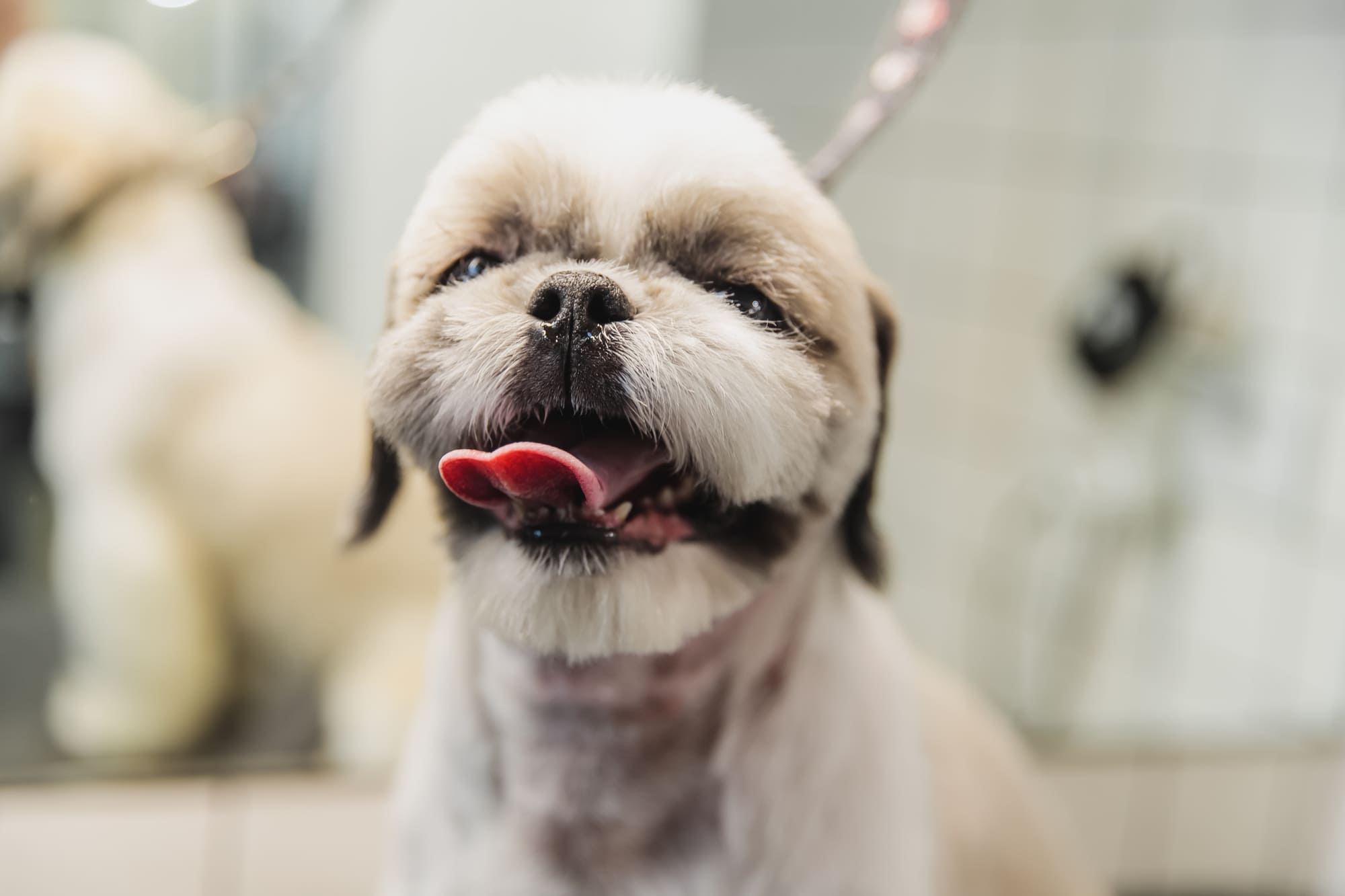
Tag: petlux grooming vancouver

  • PetLux’s Complete Checklist for Grooming at Home vs. Professional Salon

    PetLux’s Complete Checklist for Grooming at Home vs. Professional Salon

    When it comes to caring for your furry family members, grooming plays a much bigger role than simply keeping them looking neat. Proper grooming impacts your pet’s health, comfort, and confidence. Many pet owners wonder: Should I groom my dog or cat at home, or should I trust a professional grooming salon like PetLux?

    At PetLux, with locations in West Vancouver and Downtown Vancouver, we understand the importance of helping pet parents make informed decisions. Whether you’re interested in building a grooming routine at home or considering the benefits of professional grooming services, this complete checklist will guide you step by step.


    Why Grooming Matters for Your Pet’s Health

    Grooming is more than just about appearances—it’s about maintaining hygiene, preventing health issues, and ensuring your pet feels their best. A thorough grooming routine:

    • Removes dirt, allergens, and excess oils

    • Prevents matting and tangling of fur

    • Keeps nails trimmed to avoid discomfort or injury

    • Maintains healthy skin and coat condition

    • Provides an opportunity to spot issues early, such as lumps, infections, or parasites

    With this in mind, let’s break down the differences between at-home grooming and professional pet grooming services at PetLux.


    The At-Home Grooming Checklist

    Grooming your dog or cat at home can be rewarding. It builds trust, saves travel time, and creates bonding moments. However, it requires the right tools, patience, and technique. Here’s what to include in your home grooming checklist:

    1. Brushing and Coat Care

    • Tools needed: Slicker brush, bristle brush, undercoat rake, or comb depending on breed.

    • Frequency: Daily brushing for long-haired breeds; weekly for short-haired pets.

    • Purpose: Removes loose fur, reduces shedding, prevents matting, stimulates natural oils.

    2. Bathing at Home

    • Use lukewarm water and pet-specific shampoos (never human shampoo).

    • Frequency: Every 4–6 weeks, unless your pet has a medical condition requiring more frequent bathing.

    • Tip: Always rinse thoroughly to prevent residue that can irritate skin.

    3. Nail Trimming

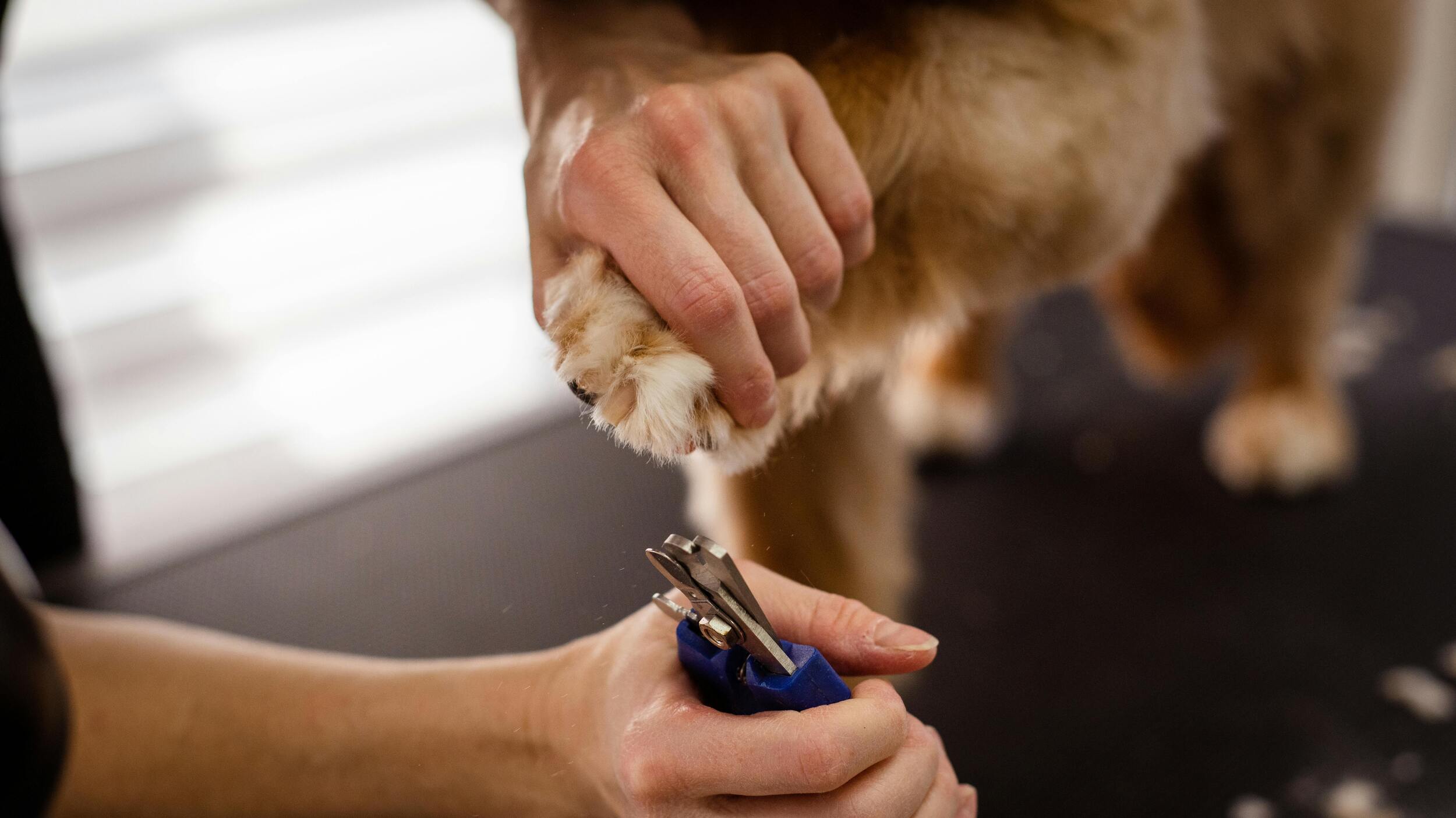
    • Tools needed: Pet nail clippers or a grinding tool.

    • Warning: Cutting too short can hurt and cause bleeding. Be cautious around the quick (the sensitive part of the nail).

    4. Ear Cleaning

    • Use vet-approved ear cleaning solution.

    • Gently wipe the outer ear, never inserting cotton swabs into the ear canal.

    • Helps prevent infections, especially in floppy-eared breeds.

    5. Dental Care

    • Use pet-specific toothbrushes and toothpaste.

    • Brush regularly to prevent tartar buildup, gum disease, and bad breath.

    6. Coat Trimming (Advanced)

    • Clippers and scissors can be used, but only if you feel confident.

    • Breed-specific grooming patterns can be difficult to achieve without training.

    Challenges of At-Home Grooming:

    • Requires investment in proper tools.

    • Risk of injury if your pet is anxious or restless.

    • Limited ability to perform advanced grooming techniques such as breed-specific trims, hand-stripping, or professional blow-drying.


    The Professional Grooming Checklist

    Professional salons like PetLux in West Vancouver and Downtown Vancouver provide a full-service grooming experience that goes beyond what most owners can accomplish at home. Here’s what’s included in a typical professional grooming session:

    1. Deep Cleaning Bath and Blow-Dry

    • Professional shampoos and conditioners tailored to your pet’s coat and skin condition.

    • Blow-drying with specialized equipment for fluffing, de-shedding, and drying thick coats thoroughly.

    2. Breed-Specific Haircuts

    • Professional groomers are trained in breed standards and styling.

    • Perfect for poodles, schnauzers, terriers, and other breeds requiring detailed trims.

    3. Nail Trimming and Filing

    • Experts know how to trim nails safely and effectively.

    • Filing smooths sharp edges, reducing scratches on you and your furniture.

    4. Ear Cleaning and Eye Care

    • Gentle cleaning to prevent wax buildup and infection.

    • Trimming hair around eyes for improved comfort and vision.

    5. Paw Pad and Sanitary Trimming

    • Fur around paws is trimmed for comfort and cleanliness.

    • Sanitary areas are groomed to maintain hygiene.

    6. Coat Conditioning Treatments

    • Specialty treatments for dry skin, sensitive skin, or heavy shedding.

    • Options include de-shedding baths, medicated shampoos, or coat conditioning.

    7. Health Check Indicators

    Professional groomers often notice early signs of issues such as:

    • Skin irritations

    • Parasites

    • Abnormal growths

    • Ear infections

    This means professional grooming doubles as a preventative health check.


    Comparing Grooming at Home vs. Grooming at PetLux

    Checklist Item At Home Grooming PetLux Professional Salon
    Brushing & Coat Care Daily with brushes/combs, limited tools Advanced tools, professional techniques
    Bathing Pet shampoo, may miss thorough rinse Specialized shampoos, full rinse & blow-dry
    Haircuts/Trims Basic trims, risk of uneven results Breed-specific styles, expert finishes
    Nail Care Risk of cutting quick, stressful Safe, efficient trimming & filing
    Ear Cleaning Limited tools, risk of improper cleaning Safe, thorough, infection prevention
    Dental Care Requires dedication and training Guidance on professional dental hygiene
    Skin/Health Monitoring May miss early issues Groomers trained to spot health concerns

    Why PetLux is the Best Choice in West Vancouver and Downtown Vancouver

    At PetLux, we believe every pet deserves luxury-level grooming with expert care. Our salons are designed for comfort, safety, and high-quality service. Here’s why pet owners across West Vancouver and Downtown Vancouver trust us:

    • Expert Groomers: Skilled in both basic grooming and advanced breed-specific styles.

    • Luxury Salon Environment: Stress-free atmosphere designed to keep pets comfortable.

    • Premium Products: Only the best shampoos and conditioners safe for pets’ skin and coats.

    • Convenient Locations: Easily accessible at 1445 Marine Dr, West Vancouver and 650 Pacific St, Downtown Vancouver.

    • Easy Booking: Schedule your appointment online anytime: Book Appointment Here

    Whether your dog needs a full haircut, a quick tidy-up, or a luxury spa experience, PetLux ensures every visit leaves your pet looking and feeling their best.


    Making the Right Choice for Your Pet

    So, should you groom your pet at home or book a session at PetLux?

    • At-Home Grooming is great for basic maintenance, bonding, and brushing between appointments.

    • Professional Grooming ensures thorough, safe, and advanced care that keeps your pet healthy and stylish.

    The best option is often a combination: regular brushing and simple care at home, paired with professional grooming sessions at PetLux every 4–8 weeks.


    Final Thoughts

    Grooming is an essential part of pet ownership, and choosing the right balance between at-home care and professional services can make all the difference. At PetLux, our expert groomers in West Vancouver and Downtown Vancouver provide more than just grooming—they provide peace of mind, knowing your pet is cared for with expertise and love.

    Ready to give your furry friend the luxury grooming experience they deserve? Book an appointment with PetLux today and discover why we’re the trusted choice for pet grooming in Vancouver.

    📍 West Vancouver Location
    PetLux – 1445 Marine Dr, West Vancouver, BC V7T 1B8
    Tel: 604-926-3020

    📍 Downtown Vancouver Location
    PetLux – 650 Pacific St, Vancouver, BC V6Z 0G5
    Tel: 604-571-9730
    👉 Book Appointment Online

  • Nail Trimming 101

    Nail Trimming 101

    Nail Trimming 101: Everything Pet Owners Should Know

    Regular nail trimming is a crucial part of maintaining your dog or cat’s overall health and comfort. Overgrown nails not only cause pain and affect gait, but can also lead to infections, posture problems, or even skeletal damage over time. In both cats and dogs, proper nail care supports better hygiene, joint alignment, and traction. This guide provides a comprehensive overview of nail trimming essentials using a technical approach to help pet owners understand the procedures, tools, frequency, and professional services available. Whether you’re handling grooming at home or seeking Downtown Vancouver grooming services for dogs and cats, understanding nail anatomy and maintenance can make a significant difference in your pet’s quality of life.

    Nail trimming involves shortening the keratinized structures known as claws, typically using tools like guillotine-style clippers, scissor-style trimmers, or rotary grinders. For dogs, especially large breeds or active outdoor dogs, trimming every 3–4 weeks is recommended, while indoor cats may require clipping every 4–6 weeks depending on nail growth and scratching behavior. The anatomy of a dog’s or cat’s nail includes the outer shell and the inner “quick” – a blood vessel that, if cut, causes pain and bleeding. It is vital to trim gradually, especially for dark nails where the quick is less visible. Nail grinders can help smooth edges and minimize splintering, though they generate noise some pets dislike. Common mistakes include cutting too deep, using dull blades, and skipping dewclaws – the vestigial inner claws that don’t touch the ground and can curl into the skin if left unchecked. For pet owners in Ambleside or Dundarave, professional services like cat and dog grooming in West Vancouver offer safe nail trimming with precision tools and stress-free handling.

    Here is a practical overview comparing tools and services for effective nail trimming:

    Feature/Tool Guillotine Clippers Scissor Clippers Rotary Grinders Professional Services
    Best For Small-medium pets Large/thick nails All nail types All pets, especially anxious or senior animals
    Precision Medium High Very high Very high
    Noise Level Low Low High Low to none
    Skill Required Moderate Moderate High None (done by groomer)
    Risk of Quick Injury Medium Low Low Very low
    Comfort for Pet Moderate Moderate Depends on pet High (trained staff)
    Suggested Frequency 3–4 weeks 3–4 weeks Weekly touch-ups Monthly sessions

    While at-home trimming can be effective with the right tools and confidence, it’s not always suitable for all pets. Dogs with black or thick nails, cats that dislike being handled, or senior pets with fragile limbs may require expert assistance. Facilities that provide pet nail trimming in the Lower Mainland often include other grooming services like ear cleaning, paw pad trimming, and coat brushing, ensuring a holistic grooming experience. Professional groomers in downtown grooming studios for pets are trained to identify the quick using specialized lighting and cutting angles, minimizing discomfort and improving the precision of each clip. If your pet experiences anxiety or has had a traumatic experience with nail trimming, Downtown Vancouver dog and cat care providers can use calming techniques like pheromone diffusers and gentle restraint methods to reduce stress.

    For pet owners located near the Capilano area or British Properties, utilizing North Shore grooming professionals for cats and dogs provides convenient access to tailored grooming services without the hassle of doing it at home. Nail trimming is often bundled with full grooming packages, making it easier for busy owners to maintain regular appointments. Moreover, neglected nails can affect your pet’s posture and pressure distribution across their joints. In dogs, this may result in compensatory movements and arthritis over time. In cats, excessively long claws can snag in furniture or carpets, causing injury. A properly trimmed nail allows for smooth walking, proper foot placement, and overall paw health. Incorporating paw massages and desensitization exercises early in a pet’s life can ease the process. When in doubt, consult a veterinary groomer or opt for local grooming services in West Vancouver and Vancouver that include nail trimming in their standard offerings.

    To conclude, nail trimming is not just a cosmetic routine – it’s a necessary aspect of preventative health care. From selecting the right clipping tools to knowing when to seek expert help, the key lies in staying consistent, informed, and attentive to your pet’s behavioral cues. For those who live in downtown condos or West Van homes, having access to Vancouver-based grooming salons for dogs and cats ensures your pet receives the safest and most professional care. Always reward pets with treats and praise after trimming to associate the experience with positive reinforcement. Whether you’re managing your pet’s grooming at home or relying on certified pet stylists in the West Vancouver region, prioritizing nail health can prevent injuries and improve your companion’s mobility and well-being. Make it a habit, track your schedule, and stay proactive with support from downtown pet grooming experts or your trusted local West Vancouver groomer.

  • First Grooming Visit Checklist

    First Grooming Visit Checklist

    First Grooming Visit Checklist: A Complete Guide for Pet Owners in Vancouver

    Booking your pet’s first grooming appointment is a big step toward their lifelong wellness, hygiene, and comfort. Whether you have a long-haired Persian cat, a Pomeranian puppy, or a Labradoodle needing frequent trims, preparing for the first visit to a pet grooming salon in West Vancouver or Downtown Vancouver pet spa ensures a smooth experience. In this blog, we’ll walk you through a comprehensive grooming checklist, explain why each step matters, and provide professional insights into technical grooming protocols. Whether you’re in Ambleside, Yaletown, or near Stanley Park, this guide is tailored to help you feel confident about your pet’s first grooming session.


    First Grooming Visit Checklist

    Checklist Item Description
    Vaccination Records Ensure all core vaccines (e.g. rabies, distemper) are up to date before grooming.
    Health Conditions Disclosure Inform the groomer about any allergies, chronic illnesses, or sensitivities.
    Grooming History (if any) Share past grooming experiences or instructions from previous salons.
    Preferred Grooming Style Specify haircut preferences or show pictures if available.
    Pet’s Behavioral Traits Note signs of anxiety, aggression, or triggers like clippers or dryers.
    Feeding/Bathroom Schedule Let the groomer know the last time your pet ate or used the bathroom.
    Emergency Contact Info Provide a phone number in case your pet needs urgent care or attention.
    Carrier/Leash Ready Use a secure leash or carrier for drop-off and pickup.
    Pet Identification Include tags or microchip ID details in case your pet escapes.
    Special Products or Tools If your pet needs a specific brush, shampoo, or medicated cream, bring it.

    Understanding the Grooming Preparation Process

    The grooming process begins long before your pet arrives at the salon. Pets—especially those with double coats, curly fur, or sensitive skin—require individualized care. In West Vancouver grooming facilities, salons often request proof of up-to-date vaccinations. This isn’t just about compliance—it’s about protecting your pet and others from potential infections like kennel cough or parvovirus.

    For first-time visitors, it’s recommended to prepare a basic grooming portfolio. This includes breed-specific grooming guidelines, preferred haircut lengths (e.g. puppy cut, lion trim), and even pictures from past grooming visits. If you’re heading to a Downtown Vancouver dog grooming spa, digital communication options are often available—clients can email or upload style preferences in advance.

    Behavioral data is equally critical. For instance, if your Shih Tzu gets nervous around blow dryers or your Maine Coon dislikes nail clipping, informing the grooming team allows them to make adjustments. Many West Coast grooming professionals are trained in handling reactive pets using positive reinforcement and low-stress handling techniques.


    Technical Grooming Insights and What to Expect

    Grooming isn’t just cosmetic—it serves functional health purposes. Detangling mats reduces skin infections, ear cleaning prevents otitis externa, and paw pad trimming helps traction on hardwood floors. In Downtown Vancouver’s grooming studios, high-velocity dryers, hypoallergenic shampoos, and customized coat treatments are standard.

    Many pets, especially doodles and long-haired breeds, develop painful tangles if not brushed regularly. According to professional groomers, over 70% of first-time clients present with minor to moderate matting. Groomers in Ambleside or Marine Drive grooming clinics typically perform a coat assessment before initiating the groom. This helps determine whether a full trim, partial de-matting, or a maintenance brush-out is best.

    For anxious pets, Downtown Vancouver pet salons offer calming environments featuring non-slip mats, essential oils, and silent clippers. Groomers also use ergonomic tools to reduce wrist strain and clipper burn, enhancing comfort for both pet and professional. Discussing your pet’s feeding time or medication schedule beforehand helps ensure a stress-free experience during longer grooming sessions.


    Aftercare, Follow-up, and Booking the Next Appointment

    Once the first session is over, your groomer will provide an aftercare report—this includes coat condition, behavior notes, and recommendations for at-home maintenance. Whether you visited a West Vancouver pet grooming boutique or a high-end Downtown dog salon, understanding how to maintain your pet’s hygiene between visits is essential.

    For example, brushing a Goldendoodle’s coat 3–4 times weekly can reduce matting by up to 80%, while weekly ear cleaning prevents moisture buildup. Keep a record of your pet’s grooming cycle—every 4–6 weeks is ideal for most breeds. If your pet had a positive experience, rebooking with the same groomer is encouraged. Many North Shore grooming salons offer repeat-client perks or reminders to help you stay on track.

    When returning for future visits to Downtown Vancouver grooming facilities, bring updated health records and continue disclosing any new behavioral patterns. Whether it’s a new allergy, a change in diet, or recent anxiety triggers, grooming professionals can adjust their techniques accordingly. Building trust with a consistent grooming team ultimately leads to better outcomes, fewer complications, and a happier, healthier pet.


    Final Thoughts

    Preparing your dog or cat for their first grooming appointment doesn’t have to be stressful. With a structured checklist, clear communication, and collaboration with experienced groomers, your pet can enjoy a calm and rewarding first experience. Whether you visit a West Vancouver grooming salon for cats or opt for a Downtown Vancouver grooming spot for dogs, the right preparation makes all the difference.

    Invest in your pet’s health from the very first groom. Remember: clean coats, trimmed nails, and a stress-free experience begin with you.