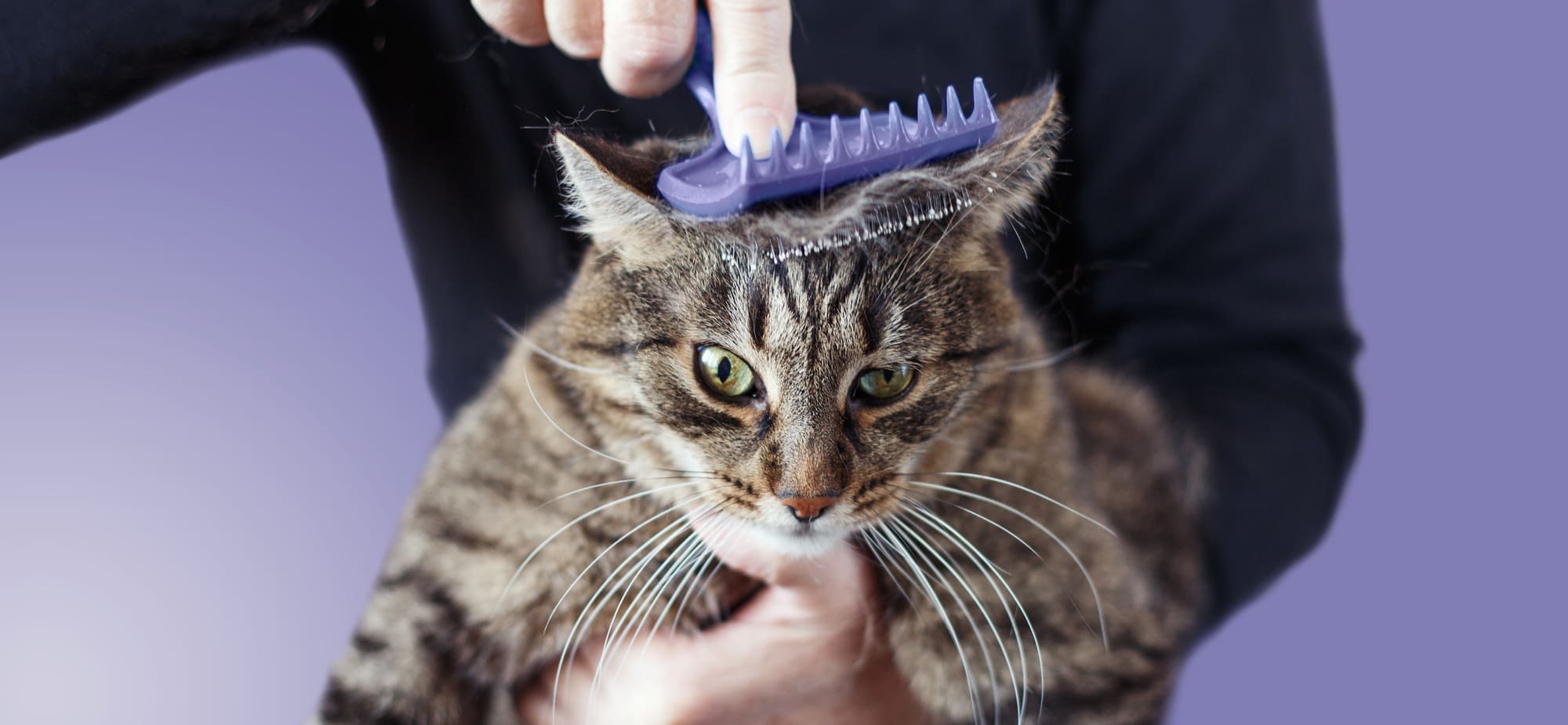
Tag: pet grooming safety

  • Understanding Feline Stress Signals During Grooming

    Understanding Feline Stress Signals During Grooming

    Introduction

    If you’re a cat parent in Vancouver, you already know that grooming time can be a mixed experience. Some cats love the attention, while others become tense the moment a brush or clipper appears. Understanding feline stress signals during grooming isn’t just about making the process easier—it’s about keeping your cat safe, comfortable, and emotionally well.

    In busy urban environments like Downtown Vancouver and West Vancouver, cats are often exposed to new sounds, smells, and routines that can heighten anxiety. Add grooming into the mix, and even a usually calm cat might start sending subtle signals of distress. The challenge is that many of these signals are easy to miss if you don’t know what to look for.

    At PetLux, our professional groomers work daily with cats of all temperaments. We’ve learned that recognizing early stress cues—and responding properly—can transform grooming from a stressful event into a positive, trust-building experience. Whether you groom at home or rely on professional pet grooming in Vancouver, this guide will help you read your cat’s body language and make informed, compassionate choices.


    Technical Comparison Table: Common Feline Stress Signals During Grooming

    Stress Signal What It Looks Like What It Means Groomer Response
    Flattened ears Ears pinned back against head Fear or irritation Pause grooming, reduce noise and touch
    Swishing or thumping tail Fast, sharp tail movements Agitation or overstimulation Stop brushing, give cat a short break
    Dilated pupils Very wide, dark pupils High anxiety or fear Dim lights, speak softly, slow movements
    Low growling or hissing Vocal warnings Defensive or overwhelmed End session briefly, reassess approach
    Body tensing Rigid posture, crouching Preparing to flee or lash out Create space, offer reassurance
    Excessive grooming Licking or biting self repeatedly Self-soothing due to stress Reduce stimulation, comfort the cat

    Why Cats Get Stressed During Grooming

    Cats are naturally sensitive creatures. Grooming introduces unfamiliar sensations—buzzing clippers, water spray, or firm brushing—that can trigger their instinctual fight-or-flight response.

    In Vancouver homes and grooming salons alike, common stress triggers include:

    • Loud dryers or street noise

    • Being handled in unfamiliar ways

    • Strong scents from shampoos

    • Separation from their owner

    • Previous negative grooming experiences

    For senior cats or those with arthritis, even gentle brushing can cause discomfort. This is why professional pet grooming in Vancouver requires specialized training in feline behavior and handling techniques.


    Subtle Signs Many Cat Owners Miss

    Not all stress signals are dramatic. Some cats express discomfort quietly, and these early signs are often overlooked.

    Watch for:

    • Slow blinking followed by sudden withdrawal

    • Ears rotating sideways instead of fully flattened

    • A stiff tail held low instead of swishing

    • Increased shedding or dandruff after grooming

    • Sudden avoidance of grooming tools

    Catching these early cues allows you—or your groomer—to adjust techniques before stress escalates into scratching or biting.


    How Professional Groomers Reduce Feline Stress

    At PetLux, we use fear-free grooming principles designed specifically for cats.

    Our approach includes:

    • Low-noise equipment to minimize auditory stress

    • Gentle handling techniques to maintain a sense of control

    • Short grooming sessions with frequent breaks

    • Calming scents and pheromone diffusers

    • Positive reinforcement using treats and soothing voices

    This is why many Vancouver pet grooming clients notice a dramatic improvement in their cat’s behavior after switching to a professional environment that prioritizes emotional well-being.


    At-Home Grooming Tips for Anxious Cats

    If you groom your cat at home between professional visits, these tips can help:

    • Choose a quiet room away from distractions

    • Groom in short sessions (5–10 minutes)

    • Let your cat sniff tools before using them

    • Use slow, predictable movements

    • Reward calm behavior with treats or affection

    • Stop immediately if stress signals appear

    Consistency is key. Over time, your cat can learn that grooming is safe and even enjoyable.


    When to Seek Professional Help

    Some cats experience severe grooming anxiety that requires expert care. You should consider professional cat grooming in Vancouver if:

    • Your cat becomes aggressive during grooming

    • Mats or tangles cause pain

    • Your cat has mobility issues or sensitive skin

    • You feel unsafe handling grooming tools

    • Stress symptoms worsen over time

    Professional groomers are trained to manage these situations safely and compassionately, reducing risk for both you and your pet.


    Why Vancouver Cat Owners Trust PetLux

    PetLux is known for combining technical grooming expertise with behavioral awareness. Our groomers understand that feline grooming isn’t just about appearance—it’s about mental comfort and trust.

    We proudly serve:

    • West Vancouver pet grooming clients

    • Downtown Vancouver pet grooming clients

    • Cat owners seeking gentle, professional care

    • Pet parents searching for the best dog groomers in Vancouver who also specialize in cats

    Our personalized approach makes grooming a positive experience for even the most sensitive felines.


    FAQs

    1. How can I tell if my cat is stressed during grooming?
    Look for flattened ears, tail swishing, dilated pupils, and body tension. These signals indicate discomfort or fear.

    2. Is professional grooming better for anxious cats?
    Yes. Professional pet grooming in Vancouver offers trained handling techniques and calming environments designed to reduce stress.

    3. How often should cats be groomed?
    This depends on coat length, shedding levels, and lifestyle. Long-haired cats usually require more frequent grooming.

    4. Can grooming stress cause health problems?
    Chronic stress can weaken the immune system and increase behavioral issues. Gentle grooming helps prevent long-term effects.

    5. What should I do if my cat becomes aggressive during grooming?
    Stop immediately, give your cat space, and consider booking a professional grooming session for safer handling.


    Conclusion + Local Call to Action

    Understanding feline stress signals during grooming is one of the most important skills a cat owner can develop. By learning to recognize subtle cues and responding with patience, you can protect your cat’s emotional health while maintaining a clean, healthy coat.

    If you’re looking for gentle, professional cat grooming in Vancouver, PetLux is here to help. Our experienced groomers specialize in stress-free grooming for cats of all temperaments.

    📍 PetLux West Vancouver
    1445 Marine Dr, West Vancouver, BC V7T 1B8
    📞 604-926-3020

    📍 PetLux Downtown Vancouver
    650 Pacific St, Vancouver, BC V6Z 0G5
    📞 604-571-9730

    Book your appointment today and give your cat the calm, compassionate grooming experience they deserve.
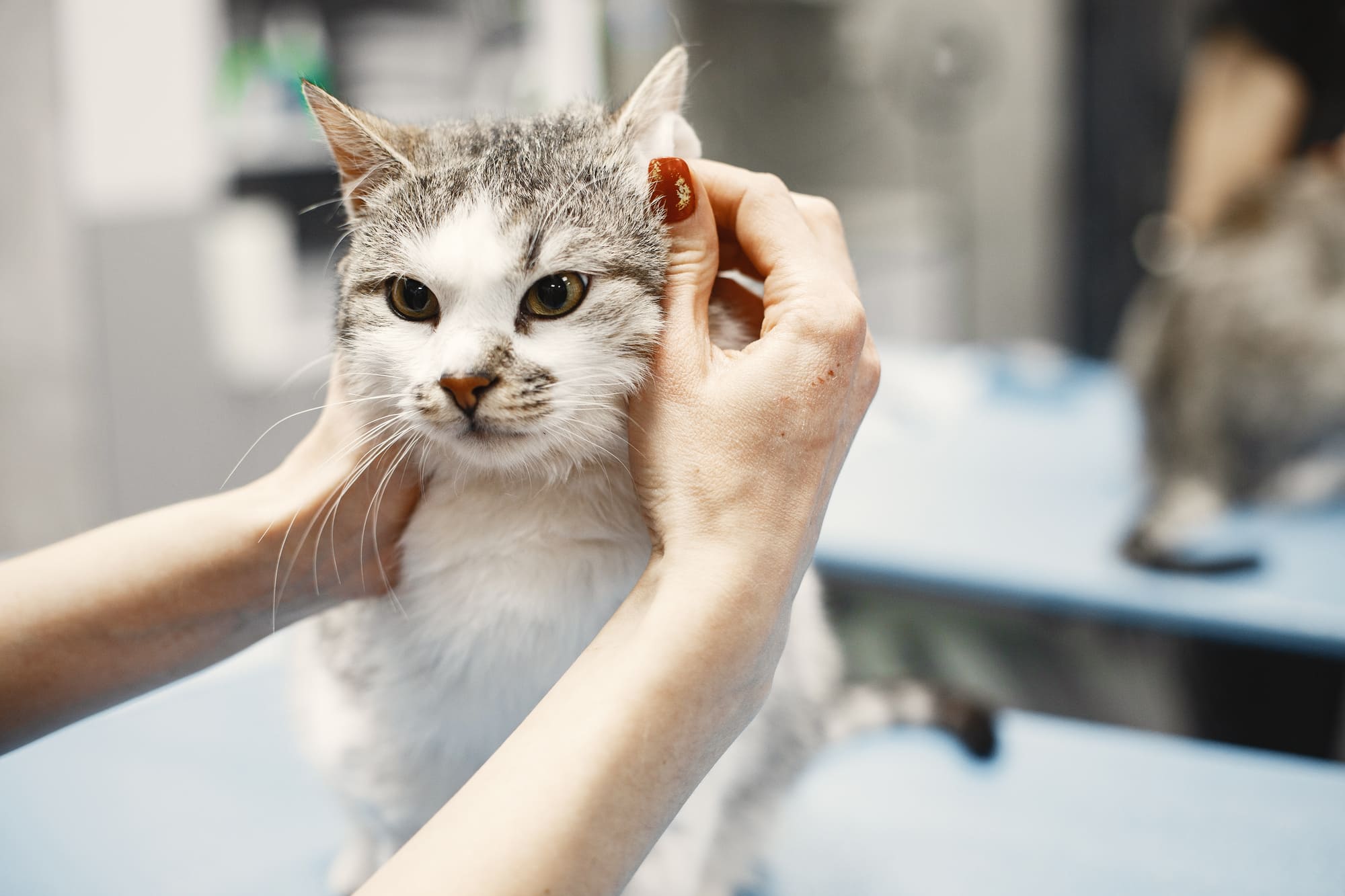
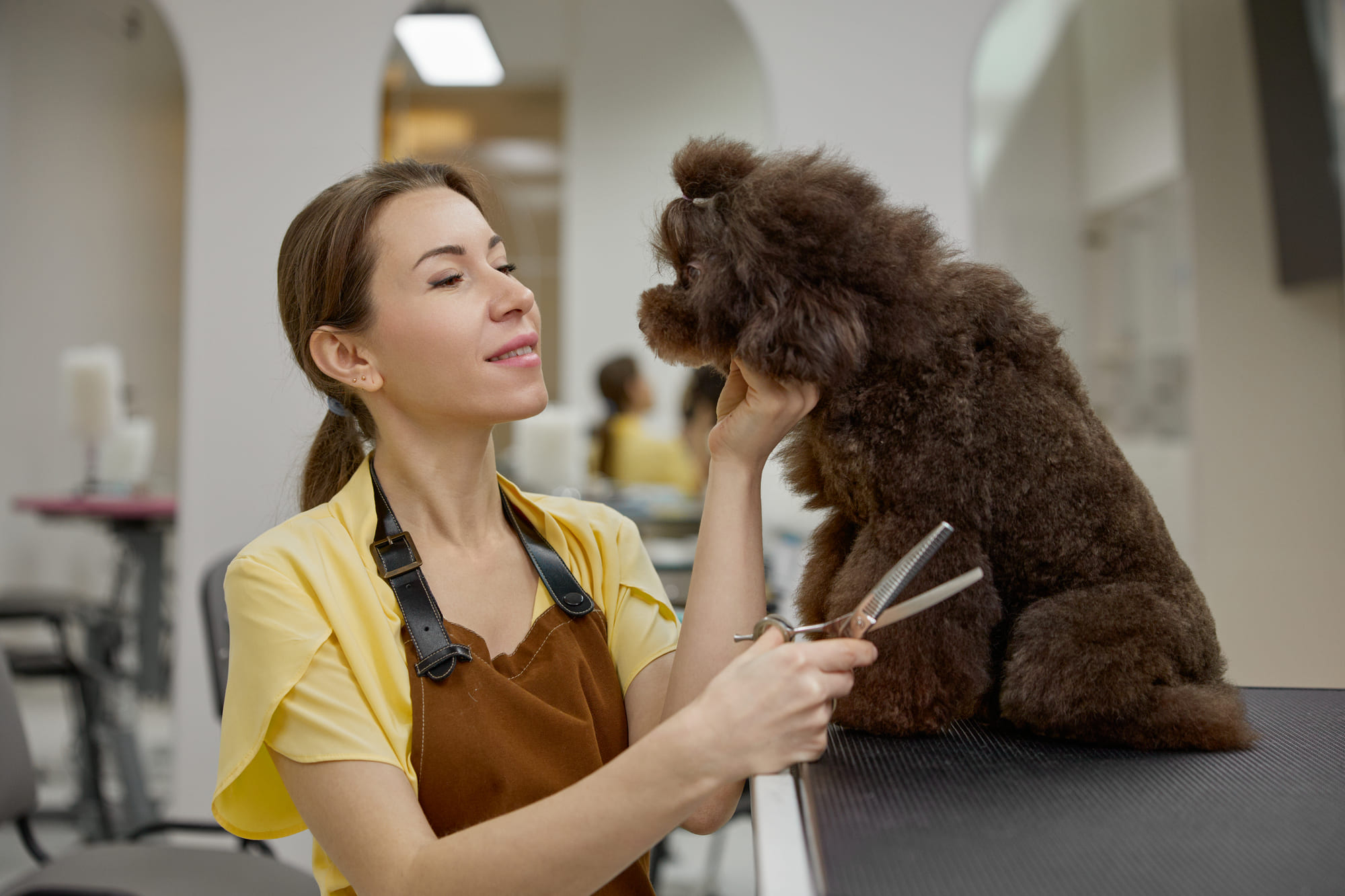
  • Feline Coat Structure and Grooming Needs

    Feline Coat Structure and Grooming Needs

    Feline Coat Structure and Grooming Needs

    A Vancouver Pet Owner’s Guide to Healthy, Beautiful Cats

    Introduction (150–200 words)

    If you share your home with a cat in Vancouver, you’ve probably noticed how much time they spend grooming themselves. That tiny pink tongue is a powerful cleaning tool — but it’s not always enough. Our coastal climate, indoor heating, seasonal shedding, and even stress can all affect your cat’s coat health.

    Understanding your cat’s coat structure and grooming needs isn’t just about keeping them looking cute. It’s about skin health, comfort, shedding control, and early detection of issues like mats, parasites, or irritation. This is especially important for long-haired breeds, senior cats, and indoor cats who may not groom as effectively as they used to.

    At PetLux, our professional pet grooming Vancouver teams regularly meet cat parents from West Vancouver, Downtown Vancouver, and nearby neighbourhoods who are surprised to learn how different coat types require different care routines.

    In this guide, we’ll break down feline coat structure in simple terms, explain grooming needs by coat type, and share practical tips for keeping your cat comfortable and healthy — with support from trusted cat grooming Vancouver professionals when needed.


    Technical Comparison Table: Common Feline Coat Types

    Coat Type Typical Breeds Shedding Level Matting Risk Grooming Frequency Needed Common Issues
    Short Hair Domestic Shorthair, Siamese Low–Moderate Low Weekly brushing Dander buildup, dull coat
    Medium Hair Ragdoll, Maine Coon mix Moderate Medium 2–3x per week Tangles, shedding
    Long Hair Persian, Himalayan High High Daily brushing + pro care Mats, hairballs, skin sores
    Double Coat Norwegian Forest Cat Seasonal High Medium 3–5x per week Heavy shedding, undercoat
    Curly / Fine Devon Rex, Cornish Rex Low Low Gentle weekly grooming Sensitive skin, oil buildup

    Understanding Feline Coat Structure

    A cat’s coat isn’t just “fur.” It’s a layered system designed for protection, insulation, and sensory feedback.

    The Three Main Hair Types

    • Guard hairs – The visible outer coat that protects against dirt and moisture
    • Awn hairs – Provide thickness and insulation
    • Down hairs – The soft undercoat that traps warmth

    Some cats have all three layers, while others (like Rex breeds) have only one or two.

    Why Coat Structure Matters

    Different coat structures mean different grooming needs. A fluffy Persian needs much more maintenance than a sleek Siamese. Without proper grooming, oils and dead hair build up, leading to mats, skin irritation, and excessive shedding.


    Grooming Needs by Coat Type

    Short-Haired Cats

    Short-haired cats still benefit from regular grooming.

    Why grooming helps:
    • Removes loose hair and dander
    • Distributes natural oils
    • Reduces hairballs
    • Keeps the coat shiny

    A weekly brush and occasional professional cat grooming Vancouver visit can keep their coat healthy.


    Medium- and Long-Haired Cats

    These cats need consistent care to prevent painful matting.

    Key needs:
    • Frequent brushing (daily for long coats)
    • Detangling sensitive areas like armpits and belly
    • Regular professional grooming for de-shedding and trimming

    Pet parents in West Vancouver pet grooming clinics often book routine appointments for long-haired cats to prevent emergency shave-downs.


    Double-Coated Cats

    These cats shed heavily during spring and fall — something Vancouver pet owners know well.

    Grooming benefits:
    • Removes dead undercoat
    • Reduces shedding in your home
    • Prevents heat stress
    • Improves air circulation to the skin

    Professional pet grooming Vancouver services use specialized tools to safely remove excess undercoat.


    Why Professional Cat Grooming Matters

    Even the most dedicated home groomer can’t do everything a trained groomer can.

    Benefits of Professional Pet Grooming Vancouver

    • Safe mat removal
    • Thorough de-shedding
    • Skin and coat health checks
    • Nail trimming
    • Ear and hygiene cleaning
    • Stress-aware handling techniques

    For anxious or senior cats, professional groomers trained in grooming tips for anxious pets and grooming for senior dogs (and cats) can make a huge difference in comfort and safety.


    Vancouver Climate and Coat Health

    Living in Vancouver comes with unique grooming challenges.

    Local Factors That Affect Cat Coats

    • Coastal humidity can increase matting
    • Indoor heating dries out skin
    • Seasonal shedding spikes in spring and fall
    • Outdoor allergens stick to fur

    That’s why many pet owners in Downtown Vancouver pet grooming clinics book regular maintenance grooming — even for indoor cats.


    At-Home Grooming Tips for Cat Owners

    Between professional visits, a little home care goes a long way.

    Simple Routine

    • Brush your cat regularly based on coat type
    • Use cat-safe grooming tools
    • Check behind ears, under arms, and belly for mats
    • Wipe paws and coat after outdoor walks
    • Watch for excessive shedding or skin flakes

    For Anxious Cats

    • Keep sessions short
    • Use calm, slow movements
    • Reward with treats
    • Groom in quiet spaces

    These grooming tips for anxious pets help prevent fear and resistance over time.


    How Often Should Cats Be Groomed?

    Although many owners ask how often should dogs be groomed, cats also need consistent care.

    General guideline:
    • Short hair: weekly brushing, pro grooming every few months
    • Medium hair: brushing 2–3x weekly, pro grooming every 6–8 weeks
    • Long hair: daily brushing, pro grooming every 4–6 weeks


    FAQs

    1. Do indoor cats really need grooming?

    Yes. Indoor cats shed, develop dander, and can still get mats — especially seniors.


    2. Is cat grooming safe?

    When done by trained professionals using cat-safe techniques, grooming is very safe and beneficial.


    3. What if my cat hates grooming?

    Look for professional pet grooming Vancouver providers experienced with anxious cats.


    4. Can grooming reduce hairballs?

    Absolutely. Removing loose fur significantly reduces swallowed hair.


    5. Should kittens be groomed?

    Yes. Puppy first grooming visit Vancouver principles also apply to kittens — early exposure builds positive habits.


    Conclusion + Local CTA

    Your cat’s coat is a window into their overall health. By understanding feline coat structure and providing proper grooming, you can prevent discomfort, reduce shedding, and help your cat look and feel their best year-round.

    Whether your cat needs gentle brushing, de-shedding, or mat removal, the expert teams at PetLux are here to help with compassionate, professional cat grooming Vancouver services.

    📍 PetLux West Vancouver
    1445 Marine Dr, West Vancouver, BC V7T 1B8
    📞 604-926-3020

    📍 PetLux Downtown Vancouver
    650 Pacific St, Vancouver, BC V6Z 0G5
    📞 604-571-9730

    Book a grooming visit today and give your cat the healthy, beautiful coat they deserve.

  • Understanding Clipper Alopecia and How Groomers Prevent It

    Understanding Clipper Alopecia and How Groomers Prevent It

    Introduction

    If you’ve ever noticed patchy hair loss or slow regrowth on your dog after a grooming session, you’re not alone—and you’re not imagining things. Many Vancouver pet owners search online for answers when their dog’s coat doesn’t bounce back the way they expect. One of the lesser-known causes of this issue is a condition called clipper alopecia.

    Clipper alopecia is not painful, contagious, or dangerous, but it can be frustrating and confusing for loving pet parents. It often shows up as bald or thin patches where clippers were used, and regrowth may take weeks—or even months. While it’s more common in certain coat types, any dog can be affected under the right conditions.

    At PetLux, a trusted name in professional pet grooming Vancouver families rely on, we believe education is just as important as great grooming. In this guide, we’ll explain what clipper alopecia is, why it happens, and—most importantly—how skilled groomers prevent it. Whether you’re booking your puppy’s first grooming visit in Vancouver or caring for a senior dog, understanding this topic helps you make confident, informed choices.


    Technical Comparison Table: Clipper Alopecia vs Normal Coat Regrowth

    Feature Clipper Alopecia Normal Coat Regrowth
    Hair Growth After Clipping Slow or absent Steady regrowth within 2–6 weeks
    Patch Appearance Bald, thin, or discolored patches Even coat texture and color
    Common in Coat Types Double-coated breeds, Nordic breeds All coat types
    Trigger Factors Dull blades, overheating, hormonal imbalance Regular grooming, proper technique
    Treatment Required Usually no medical treatment None needed
    Prevention Method Skilled grooming technique, proper equipment Standard grooming care
    Risk of Recurrence Moderate without preventive grooming Low

    What Is Clipper Alopecia?

    Clipper alopecia is a temporary condition where hair fails to regrow normally after being shaved or clipped. It’s most often seen in breeds with double coats, such as Huskies, Pomeranians, and Golden Retrievers, but it can occur in mixed breeds too.

    This isn’t an infection or injury. Instead, it’s a disruption to the hair growth cycle. The hair follicles enter a prolonged resting phase (telogen), which delays regrowth.

    It’s important to note that clipper alopecia is cosmetic, not medical. However, the emotional impact on pet owners can be significant—especially when a beloved dog suddenly looks very different.


    Why Does Clipper Alopecia Happen?

    Several factors contribute to this condition:

    1. Blade Heat and Friction

    If grooming clippers overheat or use dull blades, they can irritate the hair follicles and skin.

    2. Improper Clipping Technique

    Going against coat growth or shaving double-coated dogs too short increases the risk.

    3. Hormonal Sensitivity

    Some dogs have underlying hormonal imbalances that affect hair regrowth.

    4. Age and Health Factors

    Senior dogs and pets with thyroid or metabolic issues are more prone.

    5. Seasonal Coat Changes

    Clipping during heavy shedding seasons can interfere with natural regrowth.


    Breeds More Prone to Clipper Alopecia

    While any dog can experience it, higher-risk breeds include:

    • Pomeranians

    • Huskies

    • Alaskan Malamutes

    • Golden Retrievers

    • Chow Chows

    • Samoyeds

    • Mixed breeds with thick undercoats

    These breeds are common across Vancouver’s diverse dog population, making awareness especially important for local pet parents.


    How Professional Groomers Prevent Clipper Alopecia

    At PetLux, prevention starts long before a clipper touches your dog’s coat.

    1. Coat Assessment Before Grooming

    Every grooming session begins with a coat evaluation. Groomers check for:

    • Coat density

    • Matting

    • Skin condition

    • Shedding stage

    • Breed-specific needs

    This step is essential for Vancouver pet grooming services that prioritize coat health.


    2. Proper Equipment Maintenance

    High-quality grooming equipment makes a huge difference:

    • Sharp, sanitized blades

    • Temperature-controlled clippers

    • Multiple blade lengths

    • Regular cooling sprays

    Using well-maintained tools reduces friction and skin stress.


    3. Breed-Appropriate Styling

    Professional pet grooming Vancouver experts understand which breeds should not be shaved short. For double-coated dogs, techniques like:

    • Deshedding treatments

    • Hand scissoring

    • Undercoat raking

    are safer alternatives.


    4. Low-Stress Grooming Techniques

    Stress impacts hormonal balance. Groomers trained in grooming tips for anxious pets use:

    • Gentle handling

    • Breaks during sessions

    • Calm environments

    • Positive reinforcement

    This is especially helpful for senior dogs and puppies.


    5. Customized Grooming Schedules

    Many owners ask, “How often should dogs be groomed?” The answer varies by coat type, age, and lifestyle.

    Routine grooming prevents matting and allows for coat maintenance without aggressive clipping.


    What If Your Dog Already Has Clipper Alopecia?

    Don’t panic—most cases resolve on their own. Here’s what you can do:

    • Avoid further shaving in affected areas

    • Switch to brushing and scissoring

    • Maintain a balanced diet

    • Keep grooming sessions consistent

    • Consult a vet if regrowth doesn’t start within 3–6 months

    Professional groomers can also suggest coat-recovery treatments that support healthy regrowth.


    Grooming for Puppies, Seniors, and Sensitive Dogs

    Puppy First Grooming Visit Vancouver

    Early grooming experiences shape lifelong behavior. Gentle introductions reduce stress and hormonal fluctuations that may contribute to coat issues.

    Grooming for Senior Dogs

    Older dogs benefit from:

    • Shorter grooming sessions

    • Non-slip surfaces

    • Temperature monitoring

    • Extra skin hydration

    This minimizes the risk of coat cycle disruption.


    Why Choose Professional Pet Grooming Vancouver Services?

    DIY grooming increases the risk of clipper alopecia due to:

    • Improper tools

    • Inexperience

    • Overheating clippers

    • Inconsistent techniques

    The best dog groomers in Vancouver are trained to recognize early signs of coat sensitivity and adjust grooming styles accordingly.


    FAQs

    1. Is clipper alopecia painful for dogs?
    No. It’s a cosmetic condition that doesn’t cause pain or itching.

    2. How long does hair take to grow back?
    Anywhere from 6 weeks to several months, depending on the dog.

    3. Can clipper alopecia be permanent?
    Rarely. Most dogs experience full regrowth with proper care.

    4. Should I avoid shaving my dog completely?
    Not always—but double-coated breeds should rarely be shaved short.

    5. Does mobile pet grooming Vancouver increase the risk?
    Not if the groomer uses professional equipment and techniques.


    Conclusion + Local Call to Action

    Clipper alopecia can be surprising, but it’s entirely preventable with the right grooming approach. Skilled groomers understand coat biology, proper equipment use, and stress-reduction techniques that protect your dog’s appearance and comfort.

    At PetLux, we combine expertise, compassion, and Vancouver-specific grooming knowledge to keep your pet healthy and looking their best.

    Whether you’re searching for dog grooming Vancouver, cat grooming Vancouver, or professional pet grooming Vancouver services, our experienced team is here to help.

    Visit Us Today:

    📍 PetLux West Vancouver
    1445 Marine Dr, West Vancouver, BC V7T 1B8
    📞 604-926-3020

    📍 PetLux Downtown Vancouver
    650 Pacific St, Vancouver, BC V6Z 0G5
    📞 604-571-9730

    Book your appointment and experience why local pet owners trust PetLux as one of the best dog groomers in Vancouver

  • Why Shaving Double-Coated Dogs Can Cause Long-Term Damage

    Why Shaving Double-Coated Dogs Can Cause Long-Term Damage

    Introduction

    If you live in Vancouver, you’ve probably seen it all—warm summer days, muddy fall walks, and dogs shedding enough fur to fill a pillow. It’s no surprise that many local pet owners wonder if shaving their dog will make life easier or help them stay cool. For double-coated breeds like Huskies, Golden Retrievers, German Shepherds, and Pomeranians, shaving can feel like a tempting shortcut.

    But here’s the truth most people don’t hear: shaving a double-coated dog can cause long-term damage to their coat, skin, and natural temperature regulation system.

    At PetLux, our professional pet grooming Vancouver team sees this issue regularly. Well-meaning owners bring in dogs whose coats have never grown back the same after a shave, or who now struggle with matting, sunburn, and uneven shedding. Grooming isn’t just about looks—it’s about protecting your dog’s health and comfort, especially in Vancouver’s unique coastal climate.

    In this guide, we’ll explain how double coats work, why shaving can be harmful, and what safe grooming alternatives actually help your dog feel better year-round.


    Double-Coated Dogs: Shaving vs Proper Grooming

    Feature Shaving a Double Coat Professional Grooming (Deshed + Trim)
    Coat Regrowth Often patchy or uneven Natural growth cycle preserved
    Temperature Control Disrupted; higher risk of overheating Insulation and cooling remain balanced
    Skin Protection Increased sunburn and irritation risk Natural UV barrier maintained
    Shedding Control Can worsen shedding long-term Controlled, healthier shedding
    Coat Texture May grow back coarse or fuzzy Maintains original texture
    Matting Risk Higher after regrowth Reduced with proper brushing
    Overall Health Stressful to skin and follicles Supports skin and coat health

    What Is a Double Coat?

    Double-coated dogs have two distinct layers of fur:

    • Topcoat (guard hairs): The longer, weather-resistant outer layer that protects against sun, dirt, and moisture

    • Undercoat: A dense, soft layer that insulates against both heat and cold

    This natural system works like built-in climate control. In summer, the undercoat sheds to allow airflow and cooling. In winter, it thickens to retain warmth. Shaving disrupts this balance and can interfere with the coat’s ability to regulate temperature properly.


    Why Shaving Can Cause Long-Term Damage

    1. Patchy or Uneven Regrowth

    When a double coat is shaved, the soft undercoat often grows back faster than the guard hairs. This can lead to:

    • Uneven texture

    • Dull or fuzzy appearance

    • Increased matting

    • Permanent coat changes in some dogs

    We regularly see Vancouver pet grooming clients who regret shaving because their dog’s coat never fully returned to normal.


    2. Increased Risk of Overheating

    It’s a common myth that shaving keeps dogs cooler. In reality, the double coat insulates against heat. Without it:

    • Dogs absorb more direct heat

    • Airflow regulation is reduced

    • Dogs may pant more and tire faster

    • Heat stress becomes more likely during Vancouver’s summer heatwaves


    3. Sunburn and Skin Damage

    Guard hairs protect your dog’s skin from harmful UV rays. Shaving removes this barrier, increasing the risk of:

    • Sunburn

    • Skin irritation

    • Hot spots

    • Long-term pigmentation changes

    Light-colored dogs are especially vulnerable, particularly during sunny walks along the Seawall or local parks like Stanley Park and Ambleside.


    4. Increased Shedding Over Time

    Ironically, shaving often makes shedding worse. As the coat regrows unevenly, dead undercoat becomes trapped, leading to:

    • Heavier seasonal shedding

    • More fur around your home

    • Greater matting and tangling

    • More frequent grooming needs


    5. Long-Term Coat Follicle Damage

    Repeated shaving can weaken hair follicles. Over time, this may result in:

    • Thinner regrowth

    • Bald patches

    • Loss of natural shine

    • Chronic skin sensitivity


    Breeds Most Affected by Shaving

    Double-coated breeds include:

    • Golden Retrievers

    • Labrador Retrievers

    • Huskies

    • Samoyeds

    • German Shepherds

    • Border Collies

    • Pomeranians

    • Shetland Sheepdogs

    • Chow Chows

    • Australian Shepherds

    If your dog falls into one of these categories, shaving should almost never be part of routine grooming.


    What Should You Do Instead?

    1. Professional Deshedding Treatments

    At PetLux, our professional pet grooming Vancouver team offers specialized deshedding services that:

    • Remove loose undercoat safely

    • Improve airflow through the coat

    • Reduce shedding at home

    • Keep the coat healthy and shiny


    2. Regular Brushing at Home

    Consistent brushing is the best way to manage a double coat:

    • Use an undercoat rake or slicker brush

    • Brush 2–3 times per week

    • Increase frequency during shedding seasons

    • Always brush gently to avoid skin irritation


    3. Light Trimming (Not Shaving)

    Certain areas may benefit from careful trimming:

    • Paw pads

    • Sanitary areas

    • Feathering around ears or tail

    • Belly fur for hygiene

    This keeps your dog clean without damaging the coat structure.


    4. Cooling Strategies That Actually Work

    Instead of shaving, try:

    • Fresh water access

    • Shaded walking routes

    • Early morning or evening walks

    • Cooling mats at home

    • Proper grooming for airflow

    These solutions are far safer for Vancouver’s summer conditions.


    Grooming for Anxious or Senior Dogs

    If your dog feels stressed about grooming—or if you have an older pet—gentle handling is essential. At PetLux, we specialize in:

    • Grooming tips for anxious pets

    • Calm grooming environments

    • Shorter, stress-free sessions

    • Extra care for sensitive skin and joints

    • Grooming for senior dogs with tailored comfort techniques

    We also make puppy first grooming visits Vancouver families trust—helping young dogs build positive grooming experiences early.


    FAQs

    1. Will my dog’s coat grow back if it’s already been shaved?

    Sometimes yes—but it may grow back unevenly or with a different texture. In some cases, full recovery can take months or longer.


    2. Is shaving ever medically necessary?

    In rare medical situations (such as surgery or severe matting), shaving may be required. Always consult a veterinarian or professional groomer first.


    3. How often should dogs be groomed?

    It depends on breed and lifestyle, but most double-coated dogs benefit from grooming every 6–10 weeks, with regular brushing in between.


    4. Can shaving reduce allergies?

    Not effectively. Allergens are found in dander and saliva, not just fur. Proper grooming and bathing are far more helpful.


    5. Do double-coated dogs need different grooming in Vancouver?

    Yes. Vancouver’s humid climate can trap moisture in dense coats. Regular deshedding and proper drying help prevent skin infections and matting.


    Conclusion + Local CTA

    Shaving a double-coated dog may seem like a quick fix, but it can lead to long-term coat damage, skin problems, and temperature regulation issues. The safest way to keep your dog comfortable, healthy, and looking great is through professional grooming, regular brushing, and proper coat care.

    If you’re looking for best dog groomers in Vancouver, the PetLux team is here to help. We provide expert care for both dogs and cats, offering trusted Vancouver pet grooming, West Vancouver pet grooming, and Downtown Vancouver pet grooming services.

    📍 PetLux West Vancouver
    1445 Marine Dr, West Vancouver, BC V7T 1B8
    📞 604-926-3020

    📍 PetLux Downtown Vancouver
    650 Pacific St, Vancouver, BC V6Z 0G5
    📞 604-571-9730

    Book your next appointment today and give your pet the gentle, professional care they deserve.

  • Cat Grooming Explained: Managing Feline Stress Responses

    Cat Grooming Explained: Managing Feline Stress Responses

    Introduction

    If you’re a cat parent in Vancouver, you already know how sensitive our feline friends can be—especially when it comes to grooming. From the hum of clippers to unfamiliar scents and handling, even the calmest cat can feel overwhelmed during a grooming session. Yet regular grooming is essential for your cat’s health, comfort, and overall wellbeing.

    Understanding feline stress responses is the key to making grooming a positive experience instead of a battle. Whether you’re brushing at home or booking professional pet grooming Vancouver services, knowing what your cat is feeling—and why—can help reduce anxiety and improve outcomes. At PetLux, we work with cats of all temperaments every day, from playful kittens in Downtown Vancouver to senior cats in West Vancouver who need gentle, specialized care.

    In this guide, we’ll explain how cats experience stress during grooming, how to recognize early warning signs, and what you can do to keep your cat calm and safe. We’ll also share how professional cat grooming Vancouver services can support anxious pets with low-stress handling techniques and a peaceful environment tailored for feline comfort.


    Technical Comparison Table: Common Feline Stress Responses During Grooming

    Stress Signal What It Looks Like What It Means Recommended Response
    Flattened ears Ears pinned back against the head Fear or irritation Pause grooming, give space
    Tail flicking Rapid or forceful tail movements Rising agitation Slow down, switch to gentle strokes
    Growling or hissing Vocal warnings Defensive stress response Stop immediately, calm environment
    Dilated pupils Large, dark pupils Heightened anxiety or overstimulation Reduce stimulation, speak softly
    Sudden biting or swatting Aggressive reaction Over-threshold stress End session, allow cool-down time

    Why Cats Get Stressed During Grooming

    Cats are creatures of habit. Any change to their routine, environment, or physical handling can trigger a stress response. Grooming involves close contact, unfamiliar tools, and sensations they can’t always predict.

    Common stress triggers include:

    • Loud noises like dryers or clippers

    • Being restrained or lifted unexpectedly

    • Sensitive areas such as the belly, tail, or paws

    • Previous negative grooming experiences

    • Underlying pain or skin conditions

    For many cats, stress isn’t about the grooming itself—it’s about feeling out of control. This is why professional pet grooming Vancouver providers use calm handling techniques and structured routines to help cats feel safe.


    Signs Your Cat Is Feeling Anxious

    Recognizing stress early can prevent grooming sessions from escalating into fear-based behavior. Cats rarely go from calm to aggressive without warning—they give subtle signals first.

    Watch for:

    • Ears rotating backward

    • Whiskers pulled flat against the face

    • Rapid breathing

    • Excessive grooming or freezing in place

    • Low growls or soft yowls

    If you notice these signs, pause the grooming session and allow your cat to relax before continuing. Short, positive sessions are far more effective than forcing a full groom all at once.


    How Professional Cat Grooming Helps Reduce Stress

    Many Vancouver pet owners assume grooming at home is less stressful—but for some cats, a professional setting actually provides better results.

    Here’s why professional cat grooming Vancouver services can be beneficial:

    • Experienced Handling
      Trained groomers understand feline body language and know when to pause or adjust their technique.

    • Specialized Tools
      Professional grooming equipment is quieter, gentler, and designed to minimize pulling or discomfort.

    • Calm Environment
      Dedicated grooming spaces reduce noise, visual distractions, and environmental stressors.

    • Efficient Sessions
      A skilled groomer can complete grooming faster, reducing total stress exposure.

    At PetLux, we tailor every grooming session to your cat’s personality, coat type, and tolerance level—whether they’re a relaxed longhair or an anxious rescue cat.


    Grooming Tips for Anxious Cats at Home

    If your cat becomes stressed easily, try these low-stress grooming strategies:

    Start Small

    Begin with just a few minutes of brushing at a time. Gradually increase session length as your cat becomes more comfortable.

    Use Positive Reinforcement

    Reward calm behavior with treats, gentle praise, or a favorite toy.

    Pick the Right Time

    Groom when your cat is naturally relaxed—after a meal or play session works well.

    Choose Gentle Tools

    Soft brushes, rubber grooming gloves, and quiet clippers reduce sensory overload.

    Create a Routine

    Consistency helps cats feel secure. Groom at the same time and place each session.

    These techniques also support grooming for senior cats and kittens who may be more sensitive to touch.


    Special Considerations for Senior Cats and Kittens

    Grooming for Senior Cats

    Older cats often struggle with self-grooming due to arthritis, weight changes, or reduced flexibility. They may also have thinner skin and heightened sensitivity.

    Tips:

    • Use ultra-soft brushes

    • Avoid excessive pressure

    • Focus on high-mat areas like underarms and behind ears

    • Keep sessions short and gentle

    Puppy First Grooming Visit Vancouver — But for Cats!

    While the phrase is often used for dogs, the same concept applies to kittens. Early exposure to grooming helps kittens develop lifelong tolerance.

    Start with:

    • Light brushing

    • Gentle paw handling

    • Calm, quiet environments

    • Positive reinforcement

    Early grooming builds trust and prevents future stress.


    How Often Should Cats Be Groomed?

    The answer depends on coat type, age, and lifestyle.

    General guidelines:

    • Short-haired cats: Light brushing 1–2 times per week

    • Long-haired cats: Daily brushing or professional grooming every 4–8 weeks

    • Senior cats: Gentle grooming as needed

    • Indoor cats: Less frequent grooming but regular coat checks

    • Outdoor cats: More frequent grooming to remove debris and parasites

    If you’re unsure, a professional pet grooming Vancouver provider can assess your cat’s needs.


    Why Vancouver Cats Need Extra Grooming Care

    Living in Vancouver brings unique environmental challenges for cats:

    • Higher humidity contributes to matting

    • Seasonal shedding increases coat buildup

    • Pollen and outdoor debris stick to fur

    • Urban noise raises baseline stress levels

    That’s why cat grooming Vancouver services are more than cosmetic—they’re preventative care.


    FAQs

    1. Is professional cat grooming safe for anxious cats?
    Yes. Experienced groomers use low-stress techniques and monitor feline body language throughout the session.

    2. Can grooming reduce shedding?
    Absolutely. Regular brushing removes loose fur and prevents matting.

    3. What if my cat hates water?
    Many grooming services use dry grooming or waterless shampoos when appropriate.

    4. How long does a grooming session take?
    It depends on coat type and temperament, but sessions are kept as short and efficient as possible.

    5. Do long-haired cats need professional grooming?
    Yes. Long coats mat easily and benefit from regular trimming and detangling.


    Conclusion + Local Call to Action

    Understanding feline stress responses transforms grooming from a struggle into a supportive wellness routine. Whether your cat is shy, senior, or simply sensitive, professional grooming offers expert care, calm handling, and long-term coat health benefits.

    If you’re searching for trusted cat grooming Vancouver services, PetLux is here to help. Our experienced groomers provide gentle, customized care for cats of all temperaments in a calm, welcoming environment.

    📍 PetLux West Vancouver
    1445 Marine Dr, West Vancouver, BC V7T 1B8
    📞 604-926-3020

    📍 PetLux Downtown Vancouver
    650 Pacific St, Vancouver, BC V6Z 0G5
    📞 604-571-9730

    Book your cat’s stress-free grooming session today and give them the care they deserve.

  • Sanitation & Disinfection Standards in Professional Grooming

    Sanitation & Disinfection Standards in Professional Grooming

    Keeping Vancouver Pets Safe, Clean, and Healthy at PetLux

    If you’re a pet parent in Vancouver, you already know how important grooming is for your dog or cat’s comfort, appearance, and overall health. But there’s something even more critical happening behind the scenes at any reputable grooming salon: sanitation and disinfection. From busy Downtown Vancouver streets to the seaside air of West Vancouver, local pets are exposed to dirt, allergens, bacteria, and parasites every day. That’s why choosing a professional pet grooming Vancouver service that follows strict hygiene standards isn’t just a luxury—it’s a necessity.

    At PetLux, we take pride in being one of the best dog groomers in Vancouver by putting safety and cleanliness first. Whether it’s a puppy’s first grooming visit in Vancouver, a senior dog who needs extra care, or a cat grooming appointment in Vancouver, our sanitation protocols are designed to protect every pet that walks through our doors.

    In this guide, we’ll explain what proper sanitation in grooming really means, how it benefits your pet, and what standards you should expect from any Vancouver pet grooming salon you trust with your furry family member.


    Grooming Sanitation Standards: Professional vs. Low-Standard Practices

    Area of Grooming Professional Grooming Standards (Like PetLux) Low-Standard Grooming Practices
    Tools & Equipment Disinfected after every pet using vet-approved solutions Wiped down occasionally or reused without disinfection
    Grooming Tables Cleaned and sanitized between each appointment Cleaned only at end of day
    Towels & Bedding Fresh, laundered towels for every pet Reused towels between pets
    Bathing Tubs Disinfected after each bath session Rinsed with water only
    Air Quality HEPA filtration or proper ventilation Poor airflow, no filtration
    Staff Hygiene Handwashing and glove changes between pets Inconsistent hygiene practices
    Parasite Control Immediate isolation and sanitation if fleas/ticks found Continued grooming without proper cleaning
    Record Keeping Logs of cleaning schedules and disinfectants used No tracking or accountability

    Why Sanitation Matters in Professional Pet Grooming

    When you search for dog grooming Vancouver or cat grooming Vancouver, you’re not just looking for a good haircut. You’re trusting a groomer with your pet’s health. Poor sanitation can spread:

    • Skin infections

    • Ear infections

    • Ringworm

    • Fleas and ticks

    • Bacterial and fungal diseases

    In a busy urban area like Vancouver, where grooming salons may serve dozens of pets daily, strict cleaning routines are essential. At PetLux, every clipper, brush, tub, and towel is sanitized between pets to prevent cross-contamination.


    What Disinfection Standards Should Include

    1. Tool and Equipment Sterilization

    Professional groomers use disinfectants approved for veterinary and grooming environments. Clippers, scissors, combs, and nail trimmers should be cleaned after every single use.

    2. Fresh Linens for Every Pet

    Towels and grooming loops must never be reused between pets without laundering. This prevents the transfer of bacteria, yeast, and allergens.

    3. Clean Bathing Stations

    Bath tubs should be disinfected after each pet. This is especially important for dogs with skin sensitivities, senior dogs, or pets recovering from medical conditions.

    4. Air Quality and Ventilation

    Good airflow helps reduce the spread of airborne allergens and odors. Professional grooming Vancouver salons often invest in proper ventilation or HEPA filtration systems.


    How Sanitation Protects Anxious and Senior Pets

    Many pet owners ask about grooming tips for anxious pets or grooming for senior dogs. Cleanliness plays a big role in both.

    • Anxious pets feel safer in calm, fresh-smelling environments without lingering scents from other animals.

    • Senior dogs often have weaker immune systems, making them more vulnerable to infections from unsanitary surfaces or tools.

    A sanitized grooming space reduces stress and health risks, helping your pet have a smoother, more comfortable experience.


    Puppy First Grooming Visit in Vancouver: Why Cleanliness Is Critical

    A puppy’s immune system is still developing, which makes sanitation especially important during a puppy first grooming visit Vancouver. Puppies are more susceptible to:

    • Skin irritations

    • Parasites

    • Contagious infections

    At PetLux, we schedule puppy sessions with extra care, ensuring all surfaces, tubs, and tools are freshly disinfected before and after your pup’s appointment.


    How Often Should Dogs Be Groomed (and Why Sanitation Matters Each Time)

    One of the most common questions we hear is: how often should dogs be groomed? The answer depends on breed, coat type, lifestyle, and health. But no matter the schedule—monthly, bi-monthly, or quarterly—sanitation should be non-negotiable every single visit.

    Each grooming session introduces new environmental exposure. Clean tools and surfaces prevent minor issues from turning into infections or long-term skin problems.


    The Role of Sanitation in Cat Grooming Vancouver

    Cats are particularly sensitive to scents, bacteria, and changes in environment. In cat grooming Vancouver, disinfection is essential to:

    • Reduce stress from unfamiliar odors

    • Prevent skin infections

    • Protect cats with allergies or compromised immunity

    At PetLux, we maintain separate cleaning routines and quiet spaces for cats whenever possible.


    What Sets PetLux Apart in Vancouver Pet Grooming

    PetLux follows strict sanitation and disinfection standards across both of our Vancouver locations. Here’s what makes us a trusted choice for West Vancouver pet grooming and Downtown Vancouver pet grooming:

    • Veterinary-grade disinfectants

    • Tool sterilization between every pet

    • Fresh towels and grooming gear per appointment

    • Deep-cleaned tubs after each bath

    • Regular air quality maintenance

    • Trained staff with hygiene protocols

    Our goal isn’t just beautiful grooming—it’s safe, healthy grooming for every pet we serve.


    FAQs About Sanitation in Professional Pet Grooming

    1. Why is sanitation so important in grooming salons?
    Sanitation prevents the spread of bacteria, parasites, and infections between pets, keeping your dog or cat healthy.

    2. How can I tell if a grooming salon is clean?
    Look for fresh towels, clean-smelling spaces, organized tools, and staff who explain their cleaning procedures.

    3. Is sanitation more important for puppies and senior pets?
    Yes. Puppies and senior pets have weaker immune systems and are more vulnerable to infections.

    4. Do professional groomers disinfect tools after every pet?
    Reputable salons like PetLux do. This is a key standard in professional grooming Vancouver services.

    5. Can poor sanitation cause skin issues in pets?
    Absolutely. Unsanitary tools and surfaces can lead to rashes, hot spots, fungal infections, and more.


    Conclusion: Choose Clean, Choose PetLux

    When it comes to Vancouver pet grooming, sanitation isn’t just a behind-the-scenes detail—it’s a core part of your pet’s safety and comfort. From disinfected tools to fresh towels and clean air, high hygiene standards make all the difference in your pet’s grooming experience.

    If you’re searching for dog grooming Vancouver, cat grooming Vancouver, or professional pet grooming Vancouver, PetLux is here to help.

    📍 PetLux West Vancouver
    1445 Marine Dr, West Vancouver, BC V7T 1B8
    📞 604-926-3020

    📍 PetLux Downtown Vancouver
    650 Pacific St, Vancouver, BC V6Z 0G5
    📞 604-571-9730

    Book your pet’s next grooming appointment today and experience the PetLux difference—where cleanliness, care, and comfort come first.

  • What “Fear-Free Grooming” Means for Vancouver Pets

    What “Fear-Free Grooming” Means for Vancouver Pets

    Introduction

    For many Vancouver pet parents, grooming can feel like a necessary chore—or worse, a stressful event your pet dreads. Busy sidewalks, unfamiliar sounds, and new faces can make even gentle pets anxious, especially during grooming visits. That’s where fear-free grooming comes in.

    Fear-free grooming is a compassionate, science-based approach that puts your pet’s emotional comfort first. Instead of rushing through appointments or forcing pets to tolerate uncomfortable handling, fear-free grooming focuses on patience, trust, and positive experiences. For dogs and cats living in Vancouver—whether in high-rise downtown condos or quiet West Vancouver neighborhoods—this approach can make all the difference.

    At PetLux, fear-free grooming isn’t a trend. It’s a philosophy. From puppies experiencing their first grooming visit in Vancouver to senior pets who need extra care, fear-free techniques help reduce stress, improve safety, and create better long-term grooming outcomes. If you’ve ever searched for dog grooming Vancouver or wondered how to help an anxious pet feel calmer at the groomer, this guide is for you.


    Fear-Free Grooming vs Traditional Grooming

    Aspect Fear-Free Grooming Traditional Grooming
    Handling style Gentle, consent-based handling Faster, task-focused handling
    Pet stress levels Actively minimized using calming techniques Often tolerated but not addressed
    Appointment pacing Flexible, breaks allowed Fixed time slots
    Tools & environment Quiet tools, soothing environment Standard tools, busier environment
    Long-term behavior Builds trust and confidence May increase anxiety over time

    What Is Fear-Free Grooming?

    Fear-free grooming is designed to reduce anxiety, fear, and stress during every step of the grooming process. Groomers trained in this approach read your pet’s body language closely and adjust techniques in real time.

    Instead of “getting it done,” the goal is to make grooming something your pet can feel safe about—even enjoy. This is especially important for Vancouver pet grooming, where pets may already be overstimulated by urban life.

    Core principles include:

    • Slow, calm introductions to tools and handling

    • Positive reinforcement and reassurance

    • Breaks when pets show signs of stress

    • Gentle restraint only when absolutely necessary


    Why Fear-Free Grooming Matters for Vancouver Pets

    Vancouver pets experience unique lifestyle factors. Downtown dogs may be exposed to constant noise and foot traffic, while West Vancouver pets often enjoy outdoor adventures that bring extra dirt, matting, or coat challenges.

    Fear-free grooming helps by:

    • Reducing grooming-related anxiety

    • Preventing defensive behaviors like snapping or hiding

    • Supporting safer grooming sessions for both pets and groomers

    • Improving coat and skin health through relaxed handling

    For pet owners searching for the best dog groomers in Vancouver, fear-free practices are often the difference between a stressful visit and a positive routine.


    How Fear-Free Grooming Helps Anxious, Senior, and Young Pets

    Grooming Tips for Anxious Pets

    Anxious pets benefit the most from fear-free techniques. Groomers may work in shorter sessions, avoid loud dryers, and use calm, reassuring touch to help pets feel secure.

    Puppy First Grooming Visit in Vancouver

    Early experiences matter. A fear-free first grooming visit helps puppies build confidence, making future professional pet grooming Vancouver appointments easier and safer.

    Grooming for Senior Dogs

    Older pets may have joint stiffness, hearing loss, or sensitivity. Fear-free grooming allows extra time, supportive positioning, and gentle movements tailored to aging bodies.


    Fear-Free Grooming for Cats in Vancouver

    Cats often find grooming overwhelming. Fear-free cat grooming Vancouver services prioritize quiet spaces, minimal restraint, and feline-specific handling techniques. This reduces fear responses and helps maintain healthy coats without trauma.


    How Often Should Dogs Be Groomed?

    While every pet is different, regular grooming supports skin health, coat condition, and early detection of issues. Fear-free grooming makes routine care easier to maintain because pets are less resistant over time. Consistency and calm experiences are key.


    What to Expect During a Fear-Free Grooming Appointment at PetLux

    When you book West Vancouver pet grooming or Downtown Vancouver pet grooming with PetLux, your pet’s comfort guides the entire appointment.

    You can expect:

    • A calm, welcoming environment

    • Groomers trained to recognize stress signals

    • Adjustments based on your pet’s mood and needs

    • Clear communication with pet parents

    This approach helps build trust visit after visit.


    FAQs About Fear-Free Grooming

    1. Is fear-free grooming suitable for all pets?
    Yes. Dogs, cats, puppies, seniors, and nervous pets all benefit from fear-free techniques.

    2. Will fear-free grooming take longer?
    Sometimes. The focus is on your pet’s comfort rather than speed.

    3. Can fear-free grooming reduce aggressive behavior?
    It often helps by lowering stress and preventing fear-based reactions.

    4. Is fear-free grooming available for cats in Vancouver?
    Yes. Many professional groomers, including PetLux, offer cat-specific fear-free grooming.

    5. How can I prepare my pet for a fear-free grooming visit?
    Stay calm, avoid rushing, and let your pet arrive relaxed. Familiar routines help.


    Conclusion: A Calmer Grooming Experience for Vancouver Pets

    Fear-free grooming isn’t just kinder—it’s smarter. By focusing on your pet’s emotional well-being, grooming becomes safer, more effective, and more positive over time. For Vancouver pet parents looking for trusted, compassionate care, PetLux offers fear-free grooming designed around your pet’s needs.

    📍 PetLux West Vancouver
    1445 Marine Dr, West Vancouver, BC V7T 1B8
    📞 604-926-3020

    📍 PetLux Downtown Vancouver
    650 Pacific St, Vancouver, BC V6Z 0G5
    📞 604-571-9730

    Whether you’re searching for dog grooming Vancouver, cat grooming Vancouver, or a calmer grooming experience for an anxious pet, PetLux is here to help your pet look—and feel—their best.