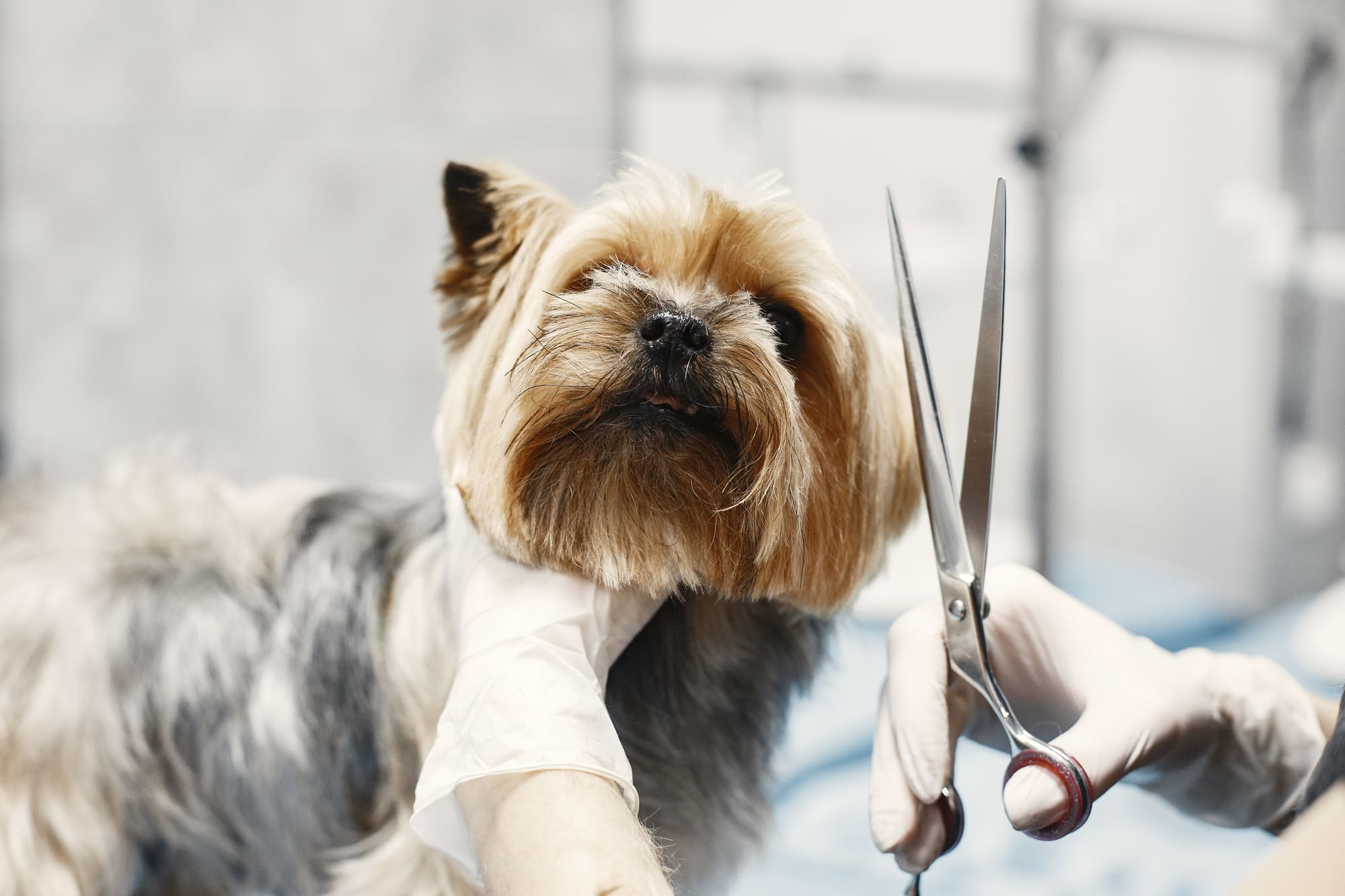
If you live in Vancouver, you already know how dramatically the seasons can change. From misty fall mornings to bright summer afternoons, our mild coastal climate affects not just us—but our pets too. One of the most common concerns local pet parents search for is seasonal shedding. Whether it’s fur coating your couch in spring or clumps showing up on your floors in fall, shedding can feel endless.
The good news? Shedding is completely natural—and with the right grooming routine, it’s manageable. At PetLux, we help dogs and cats across West Vancouver and Downtown Vancouver stay comfortable, healthy, and looking their best year-round. This guide explains why shedding happens, how Vancouver’s weather plays a role, and what you can do at home (and with a professional groomer) to keep it under control.
We’ll also share expert tips from our professional pet grooming Vancouver team and explain how regular dog grooming Vancouver services can make a huge difference for both you and your pet.
Seasonal Shedding Patterns in Vancouver
| Season | Common Coat Changes | Shedding Intensity | Grooming Focus | Recommended Frequency |
|---|---|---|---|---|
| Spring | Winter coat loosens | High | De-shedding, undercoat removal | Every 3–5 weeks |
| Summer | Lighter coat forms | Moderate | Cooling trims, coat thinning | Every 4–6 weeks |
| Fall | New winter coat grows | High | Coat conditioning, brushing | Every 3–5 weeks |
| Winter | Dense coat maintained | Low–Moderate | Skin care, mat prevention | Every 6–8 weeks |
Why Pets Shed More in Vancouver
Vancouver’s climate is mild but highly seasonal, with fluctuating daylight and humidity levels. These environmental changes signal your pet’s body to adjust its coat.
Daylight Changes
As days grow longer in spring, pets naturally shed their thick winter coats. In fall, shorter days trigger a new layer of insulation.
Humidity and Rain
Moist air can loosen dead hair, causing it to fall out more easily. That’s why shedding often feels worse during Vancouver’s rainy seasons.
Indoor Living
Heated homes and artificial lighting can confuse your pet’s natural shedding cycle, leading to more year-round fur loss.
Signs Your Pet Needs Extra Grooming Support
Some shedding is normal—but certain signs suggest it’s time to book professional pet grooming Vancouver services:
-
Fur clumps forming on furniture and clothing
-
Matted patches behind ears or under legs
-
Excessive scratching or dry skin
-
Dull or greasy coat
-
Increased hairballs in cats
Regular grooming helps remove dead hair before it spreads all over your home—and it also improves your pet’s comfort.
How Professional Grooming Helps Control Shedding
Many pet owners try to manage shedding with home brushing alone. While that helps, nothing compares to a professional de-shedding treatment.
Deep Undercoat Removal
Our groomers use specialized tools designed to remove loose undercoat without damaging the top layer.
Skin and Coat Health
Professional bathing and conditioning keep skin hydrated, which reduces excessive hair loss.
Breed-Specific Trimming
Different breeds shed differently. From Golden Retrievers to Huskies to long-haired cats, our West Vancouver pet grooming and Downtown Vancouver pet grooming teams tailor each session to your pet’s coat type.
Early Detection of Skin Issues
Groomers often notice allergies, parasites, or irritation before they become serious problems.
At-Home Grooming Tips for Vancouver Pet Owners
You don’t need to wait for a grooming appointment to manage shedding. A few simple habits can go a long way.
Brush Regularly
-
Short-haired breeds: 2–3 times per week
-
Long-haired breeds: Daily during peak shedding
-
Cats: 2–4 times per week
Bathe Strategically
Too many baths can dry out skin, but occasional bathing with gentle shampoo helps loosen dead fur.
Improve Diet
Healthy skin starts with good nutrition. Look for omega-3 and omega-6 fatty acids in your pet’s food.
Keep Hydration High
Dry skin sheds more. Make sure fresh water is always available.
Grooming for Different Life Stages
Shedding patterns change as pets age. Adjusting your grooming routine ensures long-term coat health.
Puppy First Grooming Visit Vancouver
Early grooming helps puppies get comfortable with brushing, bathing, and nail trims. It also sets healthy shedding habits.
Adult Dogs
Most adult dogs benefit from regular dog grooming Vancouver sessions every 4–6 weeks.
Grooming for Senior Dogs
Older pets may shed more due to slower skin regeneration. Gentle grooming reduces irritation and matting.
Grooming Tips for Anxious Pets
Some pets find grooming stressful, especially during heavy shedding seasons.
-
Start with short sessions
-
Use calm, reassuring tones
-
Offer treats and praise
-
Stick to a consistent routine
-
Choose experienced professionals who understand nervous pets
Our team at PetLux specializes in grooming tips for anxious pets, ensuring a calm and positive experience.
Cats and Seasonal Shedding
Cat grooming Vancouver services are just as important as dog grooming. Long-haired cats especially benefit from professional brushing and de-matting.
Common cat shedding challenges:
-
Hairballs
-
Fur matting
-
Skin irritation
-
Excess fur ingestion
Regular grooming keeps your cat cleaner, healthier, and more comfortable.
FAQs About Seasonal Shedding in Vancouver
1. How often should dogs be groomed in Vancouver?
Most dogs benefit from grooming every 4–6 weeks, with more frequent visits during spring and fall.
2. Is shedding worse in Vancouver than other cities?
Yes, Vancouver’s humidity and seasonal daylight shifts can intensify shedding.
3. Can grooming reduce allergies at home?
Absolutely. Removing loose hair and dander helps improve indoor air quality.
4. Does professional grooming replace home brushing?
No. They work best together. Home brushing maintains results between visits.
5. Do indoor pets still shed seasonally?
Yes. Artificial lighting and heating can cause continuous low-level shedding year-round.
Why Choose PetLux for Seasonal Grooming?
PetLux is proud to be one of the best dog groomers in Vancouver, trusted by hundreds of local pet families.
Here’s what sets us apart:
-
Experienced, certified groomers
-
Gentle handling for anxious and senior pets
-
Customized grooming plans
-
Clean, calm salon environment
-
Two convenient Vancouver-area locations
Whether you’re dealing with heavy spring shedding or just want a healthier coat year-round, our Vancouver pet grooming team is here to help.
Conclusion: Keep Shedding Under Control Year-Round
Seasonal shedding is a natural part of life for Vancouver pets—but it doesn’t have to take over your home. With consistent grooming, proper nutrition, and expert care, your pet’s coat can stay clean, healthy, and manageable no matter the season.
If you’re ready to reduce shedding and give your pet the professional care they deserve, visit PetLux today.
📍 PetLux West Vancouver
1445 Marine Dr, West Vancouver, BC V7T 1B8
📞 604-926-3020
📍 PetLux Downtown Vancouver
650 Pacific St, Vancouver, BC V6Z 0G5
📞 604-571-9730
Book your next grooming appointment and experience why so many locals trust PetLux for professional pet grooming Vancouver services.
