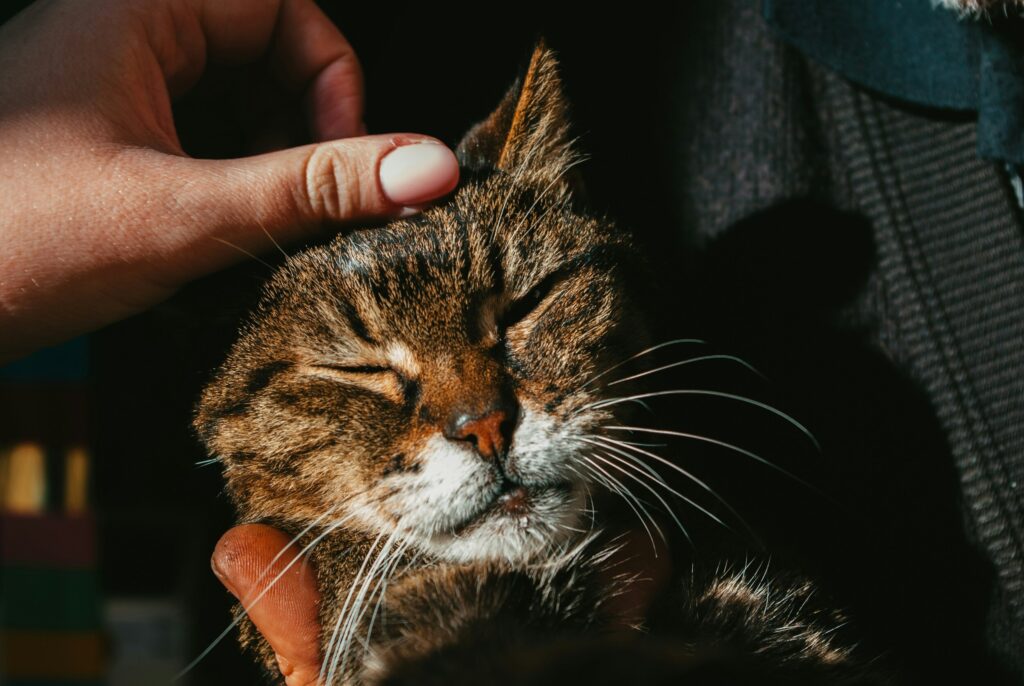
Tag: natural grooming products

  • Pet Spa Day at Home

    Pet Spa Day at Home

    Pet Spa Day at Home

    Treating your furry friend to a spa day at home is more than just a bonding experience — it’s an essential part of maintaining optimal pet hygiene, skin health, and emotional wellness. A professional grooming session involves advanced tools and veterinary-grade products, but replicating this care at home with the right technique and grooming routine can significantly enhance your pet’s coat condition, reduce shedding, and prevent skin infections. Begin by establishing a clean, calm environment to reduce stress and make the experience enjoyable for your dog or cat. Equip yourself with essential grooming tools such as a high-velocity dryer, slicker brush, dematting comb, nail grinder, curved grooming scissors, and a hypoallergenic pet shampoo with pH balance. It’s important to select products that suit your pet’s coat type and breed-specific needs. For example, double-coated breeds like Golden Retrievers or Persian cats require undercoat rakes and deshedding tools, whereas curly coats like those of Poodles need detangling sprays and coat conditioning masks. Incorporating these technical elements ensures a professional-level outcome right from your living room, much like what you’d expect from top-tier West Vancouver dog and cat grooming services.
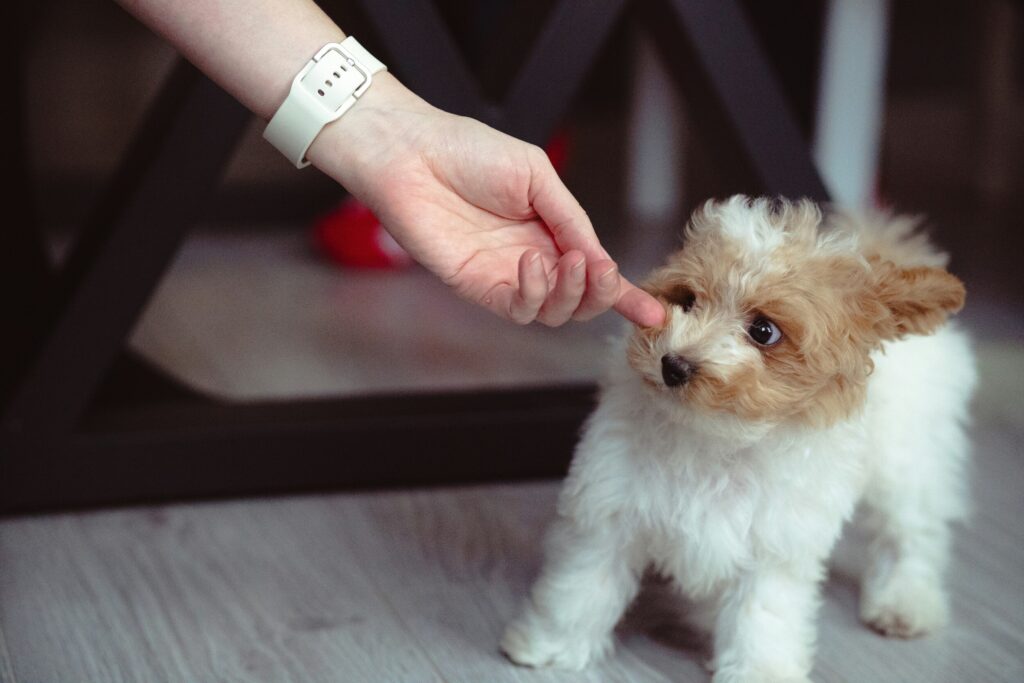
    Home Spa Tools & Products Purpose Best For
    High-Velocity Dryer Removes excess water, reduces drying time Long-haired breeds, double coats
    Slicker Brush Detangles, removes loose fur Medium to long-haired pets
    Deshedding Tool Reduces seasonal shedding German Shepherds, Huskies, Persians
    Curved Grooming Scissors Precision trimming around ears, paws, tail All breeds
    Nail Grinder Smoothens nail edges, reduces risk of over-cutting Anxious or dark-nailed pets
    Hypoallergenic Shampoo (pH 6.5) Gently cleanses without irritation Sensitive-skin breeds
    Coat Conditioning Mask Hydrates, adds shine Dry, brittle coats
    Pet Ear Cleanser (Alcohol-Free) Prevents infections, removes wax Floppy-eared breeds
    Pet Tooth Gel + Finger Brush Fights plaque, improves breath All breeds
    Calming Spray (Chamomile Base) Reduces anxiety during grooming Nervous or first-time pets

    When planning an at-home spa day, always begin with a full-body brushing session to remove mats, debris, and loose fur. Use a slicker brush or de-matting tool depending on coat density. Follow this with a lukewarm rinse and a sulfate-free, pet-safe shampoo, making sure to rinse thoroughly to avoid residue buildup. Conditioning treatments with protein or keratin formulas can be applied for five minutes to restore coat elasticity and luster. A high-velocity dryer set to low heat is ideal for drying the fur without causing damage, particularly for pets prone to fungal skin issues. Don’t skip ear cleaning — use alcohol-free ear solutions to avoid irritation, especially in breeds like Cocker Spaniels and Ragdolls. Finally, brush your pet’s teeth with enzymatic toothpaste and follow with a light paw balm massage to soften cracked pads. This comprehensive grooming plan mirrors the expert care delivered by elite Downtown Vancouver grooming services for dogs and cats, where coat health and grooming precision go hand in hand.

    Behavioral cues are critical throughout the process. Monitor your pet’s body language — signs like tail tucking, panting, or paw flicking indicate discomfort and should prompt you to take a break. You can condition your pet using positive reinforcement techniques, offering treats or verbal praise during each step. Introducing a calming diffuser or aromatherapy mist with lavender or chamomile can also help regulate stress responses, especially for cats who dislike water. Unlike professional cat and dog grooming in West Vancouver, which may use sedation-free grooming pods or low-stimulation environments, your home setup should focus on familiarity and gentleness. For pets with specific conditions like dermatitis or arthritis, consult your veterinarian before spa sessions. Incorporate massage therapy by gently rubbing your pet’s shoulders, back, and thighs in circular motions to enhance blood circulation, improve flexibility, and promote relaxation. By following this model, you’re not just refreshing your pet’s look — you’re enhancing their physical health and mental well-being.

    Consistency is key to effective at-home grooming. Ideally, you should aim for a full spa routine every 3–4 weeks, depending on your pet’s lifestyle, coat type, and medical needs. Long-haired and outdoor pets may require more frequent baths and brushing, while short-haired indoor breeds might need less. Keep records of shedding seasons, nail trimming intervals, and skin health observations using a pet care journal or mobile app. Over time, you’ll develop a personalized grooming protocol that’s both efficient and rewarding. If you’re unsure about certain tasks like nail grinding or mat removal, consult a grooming expert or book a mobile grooming consultation through platforms similar to those offering premium grooming care in Downtown Vancouver for pets. These consultations can guide you with professional techniques that are safe to perform at home. Ultimately, your at-home spa day should be a relaxing, health-enhancing experience tailored to your pet’s unique grooming blueprint — a testament to how much you value their comfort and care.

  • The Science of Grooming Products

    The Science of Grooming Products

    The Science Behind Grooming Products: What’s Really in That Bottle?

    Pet grooming isn’t just about aesthetics—it’s a science. Every product applied during a grooming session plays a vital role in your dog or cat’s overall health, comfort, and appearance. Whether you’re scheduling a Downtown Vancouver grooming session or prefer a home spa day in West Vancouver, understanding the chemistry of grooming products empowers you to make informed decisions about coat care. In this comprehensive guide, we’ll explore the functional science of grooming ingredients, the role of pH balance in pet dermatology, and how to differentiate between salon-grade products and over-the-counter variants.

    Key Components of Grooming Products

    Below is a technical breakdown of the primary components found in professional grooming products, including their function and most-used ingredients:

    Category Function Common Ingredients
    Cleansers Removes dirt, oil, and build-up from coat and skin Sodium lauryl sulfate, Cocamidopropyl betaine
    Conditioners Moisturizes and softens hair shafts, prevents breakage Silicone derivatives, Panthenol, Glycerin
    Fragrances Masks odor and provides a pleasant scent Essential oils, Synthetic aroma compounds
    pH Balancers Maintains optimal skin and coat pH Citric acid, Sodium citrate
    Emollients Adds shine and hydration to coat Lanolin, Natural oils (e.g., jojoba, coconut)
    Detanglers Reduces friction for easier brushing and less matting Silicones, Quaternary ammonium compounds
    Medicated Additives Treats conditions like dermatitis, fungal infections Chlorhexidine, Ketoconazole, Oatmeal extracts
    Preservatives Extends shelf life and prevents microbial growth Phenoxyethanol, Potassium sorbate, Benzoic acid

    1. Understanding Functional Ingredients in Pet Grooming

    Each grooming product is composed of active and inert ingredients, many of which perform synergistically. Cleansers, like sodium lauryl sulfate or cocamidopropyl betaine, act as surfactants, lifting debris and sebum from the coat without disrupting the epidermal barrier. In high-end formulas offered at our cat and dog grooming in West Vancouver, surfactants are paired with conditioners such as panthenol and glycerin to minimize post-wash dryness.

    Conditioners help maintain coat integrity, especially in breeds prone to matting. These include emollients like lanolin and natural oils—frequently applied in Downtown Vancouver’s dog grooming services to support high-shed or double-coated breeds. Detanglers rely on quaternary ammonium compounds that reduce electrostatic friction, enabling smooth brushing and decreasing grooming time by up to 40% according to grooming technician reports.

    Fragrances—both natural and synthetic—are added not only for scent but also for masking pet odors post-bath. At Vancouver grooming salons for pets, formulas are often designed with hypoallergenic fragrance profiles, ensuring minimal skin reactivity while maintaining freshness for several days.


    2. The Role of pH Balance in Skin and Coat Health

    Canine and feline skin differs vastly from human skin. Dogs have a skin pH between 6.5 and 7.5, whereas cats average closer to 6.4. Human shampoos, which usually fall in the 4.5–5.5 pH range, can severely disrupt the pet acid mantle. That’s why pH balancing ingredients like citric acid and sodium citrate are critical in formulations—particularly those used in West Vancouver’s pet grooming services, where dermatological health is prioritized.

    This skin barrier is responsible for retaining moisture, preventing infection, and supporting microbiota. When compromised, pets can develop symptoms such as dandruff, redness, itching, or secondary infections. That’s why Downtown Vancouver’s advanced grooming sessions often include hypoallergenic, pH-optimized shampoos developed with veterinary dermatologists.

    Professional-grade grooming salons also consider regional water hardness—common in the Lower Mainland—which can affect lathering and skin residue. Products formulated for hard water conditions include chelating agents to neutralize calcium and magnesium ions, reducing residue and improving rinse performance.


    3. Medicated and Specialty Additives for Skin Conditions

    Beyond cleansing and conditioning, grooming products frequently include medicated components for pets suffering from dermatitis, ringworm, or yeast infections. For example, chlorhexidine gluconate or ketoconazole are antimicrobial agents commonly used in therapeutic baths at select Downtown Vancouver cat groomers. These compounds are clinically proven to reduce microbial counts by up to 90% after consistent usage over two weeks.

    Oatmeal extracts and aloe vera are often incorporated to soothe inflammation, particularly in hypersensitive or allergic pets. Emollients used in West Vancouver’s professional grooming studios also aid in reducing transepidermal water loss (TEWL), a major contributor to itchy, flaky skin in colder climates.

    Preservatives like phenoxyethanol and potassium sorbate ensure product longevity and reduce contamination risk. These are rigorously tested for pet safety and are typically used at concentrations below 1%, ensuring efficacy without irritation.