Tag: mobile pet grooming Vancouver

  • Understanding Feline Stress Signals During Grooming

    Understanding Feline Stress Signals During Grooming

    Introduction

    If you’re a cat parent in Vancouver, you already know that grooming time can be a mixed experience. Some cats love the attention, while others become tense the moment a brush or clipper appears. Understanding feline stress signals during grooming isn’t just about making the process easier—it’s about keeping your cat safe, comfortable, and emotionally well.

    In busy urban environments like Downtown Vancouver and West Vancouver, cats are often exposed to new sounds, smells, and routines that can heighten anxiety. Add grooming into the mix, and even a usually calm cat might start sending subtle signals of distress. The challenge is that many of these signals are easy to miss if you don’t know what to look for.

    At PetLux, our professional groomers work daily with cats of all temperaments. We’ve learned that recognizing early stress cues—and responding properly—can transform grooming from a stressful event into a positive, trust-building experience. Whether you groom at home or rely on professional pet grooming in Vancouver, this guide will help you read your cat’s body language and make informed, compassionate choices.


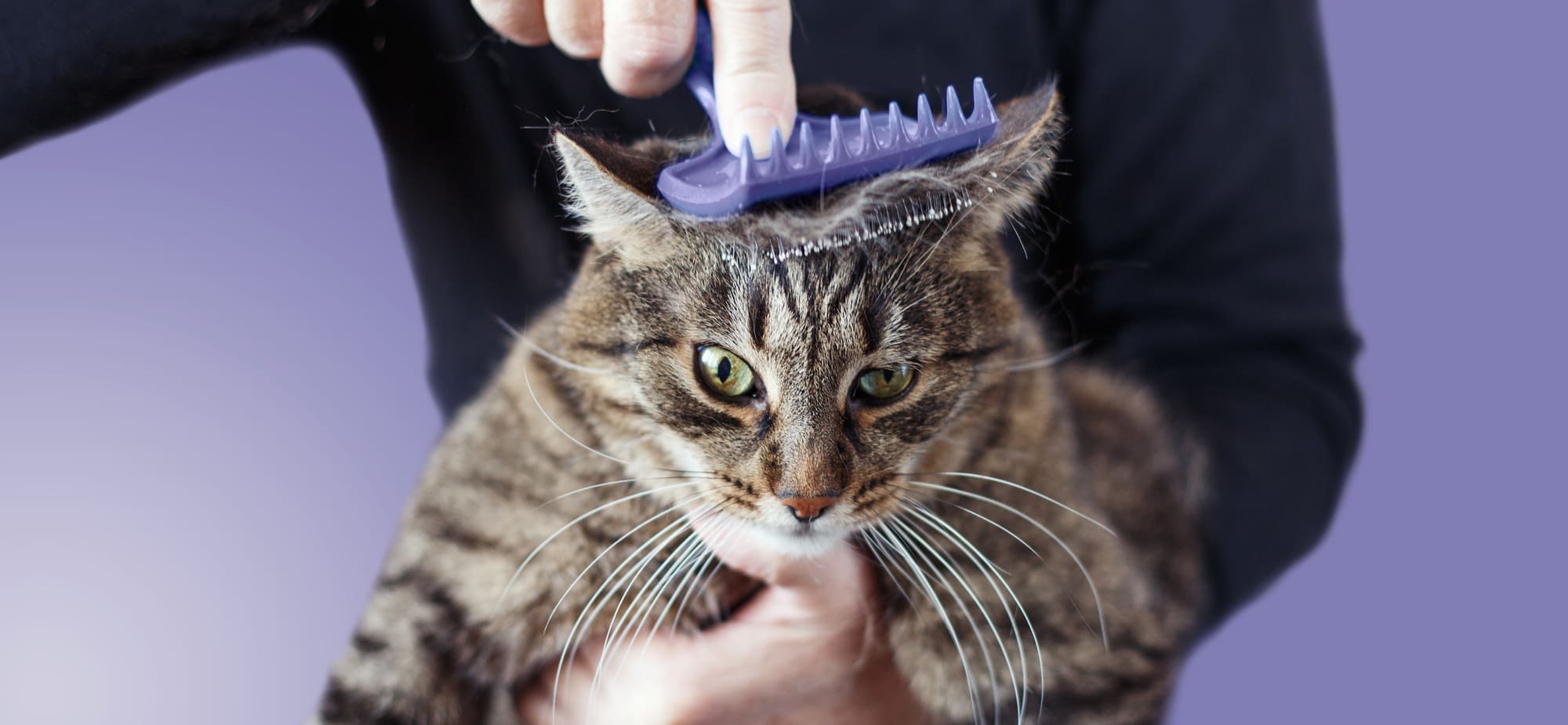
    Technical Comparison Table: Common Feline Stress Signals During Grooming

    Stress Signal What It Looks Like What It Means Groomer Response
    Flattened ears Ears pinned back against head Fear or irritation Pause grooming, reduce noise and touch
    Swishing or thumping tail Fast, sharp tail movements Agitation or overstimulation Stop brushing, give cat a short break
    Dilated pupils Very wide, dark pupils High anxiety or fear Dim lights, speak softly, slow movements
    Low growling or hissing Vocal warnings Defensive or overwhelmed End session briefly, reassess approach
    Body tensing Rigid posture, crouching Preparing to flee or lash out Create space, offer reassurance
    Excessive grooming Licking or biting self repeatedly Self-soothing due to stress Reduce stimulation, comfort the cat

    Why Cats Get Stressed During Grooming

    Cats are naturally sensitive creatures. Grooming introduces unfamiliar sensations—buzzing clippers, water spray, or firm brushing—that can trigger their instinctual fight-or-flight response.

    In Vancouver homes and grooming salons alike, common stress triggers include:

    • Loud dryers or street noise

    • Being handled in unfamiliar ways

    • Strong scents from shampoos

    • Separation from their owner

    • Previous negative grooming experiences

    For senior cats or those with arthritis, even gentle brushing can cause discomfort. This is why professional pet grooming in Vancouver requires specialized training in feline behavior and handling techniques.


    Subtle Signs Many Cat Owners Miss

    Not all stress signals are dramatic. Some cats express discomfort quietly, and these early signs are often overlooked.

    Watch for:

    • Slow blinking followed by sudden withdrawal

    • Ears rotating sideways instead of fully flattened

    • A stiff tail held low instead of swishing

    • Increased shedding or dandruff after grooming

    • Sudden avoidance of grooming tools

    Catching these early cues allows you—or your groomer—to adjust techniques before stress escalates into scratching or biting.


    How Professional Groomers Reduce Feline Stress

    At PetLux, we use fear-free grooming principles designed specifically for cats.

    Our approach includes:

    • Low-noise equipment to minimize auditory stress

    • Gentle handling techniques to maintain a sense of control

    • Short grooming sessions with frequent breaks

    • Calming scents and pheromone diffusers

    • Positive reinforcement using treats and soothing voices

    This is why many Vancouver pet grooming clients notice a dramatic improvement in their cat’s behavior after switching to a professional environment that prioritizes emotional well-being.


    At-Home Grooming Tips for Anxious Cats

    If you groom your cat at home between professional visits, these tips can help:

    • Choose a quiet room away from distractions

    • Groom in short sessions (5–10 minutes)

    • Let your cat sniff tools before using them

    • Use slow, predictable movements

    • Reward calm behavior with treats or affection

    • Stop immediately if stress signals appear

    Consistency is key. Over time, your cat can learn that grooming is safe and even enjoyable.


    When to Seek Professional Help

    Some cats experience severe grooming anxiety that requires expert care. You should consider professional cat grooming in Vancouver if:

    • Your cat becomes aggressive during grooming

    • Mats or tangles cause pain

    • Your cat has mobility issues or sensitive skin

    • You feel unsafe handling grooming tools

    • Stress symptoms worsen over time

    Professional groomers are trained to manage these situations safely and compassionately, reducing risk for both you and your pet.


    Why Vancouver Cat Owners Trust PetLux

    PetLux is known for combining technical grooming expertise with behavioral awareness. Our groomers understand that feline grooming isn’t just about appearance—it’s about mental comfort and trust.

    We proudly serve:

    • West Vancouver pet grooming clients

    • Downtown Vancouver pet grooming clients

    • Cat owners seeking gentle, professional care

    • Pet parents searching for the best dog groomers in Vancouver who also specialize in cats

    Our personalized approach makes grooming a positive experience for even the most sensitive felines.


    FAQs

    1. How can I tell if my cat is stressed during grooming?
    Look for flattened ears, tail swishing, dilated pupils, and body tension. These signals indicate discomfort or fear.

    2. Is professional grooming better for anxious cats?
    Yes. Professional pet grooming in Vancouver offers trained handling techniques and calming environments designed to reduce stress.

    3. How often should cats be groomed?
    This depends on coat length, shedding levels, and lifestyle. Long-haired cats usually require more frequent grooming.

    4. Can grooming stress cause health problems?
    Chronic stress can weaken the immune system and increase behavioral issues. Gentle grooming helps prevent long-term effects.

    5. What should I do if my cat becomes aggressive during grooming?
    Stop immediately, give your cat space, and consider booking a professional grooming session for safer handling.


    Conclusion + Local Call to Action

    Understanding feline stress signals during grooming is one of the most important skills a cat owner can develop. By learning to recognize subtle cues and responding with patience, you can protect your cat’s emotional health while maintaining a clean, healthy coat.

    If you’re looking for gentle, professional cat grooming in Vancouver, PetLux is here to help. Our experienced groomers specialize in stress-free grooming for cats of all temperaments.

    📍 PetLux West Vancouver
    1445 Marine Dr, West Vancouver, BC V7T 1B8
    📞 604-926-3020

    📍 PetLux Downtown Vancouver
    650 Pacific St, Vancouver, BC V6Z 0G5
    📞 604-571-9730

    Book your appointment today and give your cat the calm, compassionate grooming experience they deserve.
  • Feline Coat Structure and Grooming Needs

    Feline Coat Structure and Grooming Needs

    Feline Coat Structure and Grooming Needs

    A Vancouver Pet Owner’s Guide to Healthy, Beautiful Cats

    Introduction (150–200 words)

    If you share your home with a cat in Vancouver, you’ve probably noticed how much time they spend grooming themselves. That tiny pink tongue is a powerful cleaning tool — but it’s not always enough. Our coastal climate, indoor heating, seasonal shedding, and even stress can all affect your cat’s coat health.

    Understanding your cat’s coat structure and grooming needs isn’t just about keeping them looking cute. It’s about skin health, comfort, shedding control, and early detection of issues like mats, parasites, or irritation. This is especially important for long-haired breeds, senior cats, and indoor cats who may not groom as effectively as they used to.

    At PetLux, our professional pet grooming Vancouver teams regularly meet cat parents from West Vancouver, Downtown Vancouver, and nearby neighbourhoods who are surprised to learn how different coat types require different care routines.

    In this guide, we’ll break down feline coat structure in simple terms, explain grooming needs by coat type, and share practical tips for keeping your cat comfortable and healthy — with support from trusted cat grooming Vancouver professionals when needed.


    Technical Comparison Table: Common Feline Coat Types

    Coat Type Typical Breeds Shedding Level Matting Risk Grooming Frequency Needed Common Issues
    Short Hair Domestic Shorthair, Siamese Low–Moderate Low Weekly brushing Dander buildup, dull coat
    Medium Hair Ragdoll, Maine Coon mix Moderate Medium 2–3x per week Tangles, shedding
    Long Hair Persian, Himalayan High High Daily brushing + pro care Mats, hairballs, skin sores
    Double Coat Norwegian Forest Cat Seasonal High Medium 3–5x per week Heavy shedding, undercoat
    Curly / Fine Devon Rex, Cornish Rex Low Low Gentle weekly grooming Sensitive skin, oil buildup

    Understanding Feline Coat Structure

    A cat’s coat isn’t just “fur.” It’s a layered system designed for protection, insulation, and sensory feedback.

    The Three Main Hair Types

    Guard hairs – The visible outer coat that protects against dirt and moisture
    Awn hairs – Provide thickness and insulation
    Down hairs – The soft undercoat that traps warmth

    Some cats have all three layers, while others (like Rex breeds) have only one or two.

    Why Coat Structure Matters

    Different coat structures mean different grooming needs. A fluffy Persian needs much more maintenance than a sleek Siamese. Without proper grooming, oils and dead hair build up, leading to mats, skin irritation, and excessive shedding.


    Grooming Needs by Coat Type

    Short-Haired Cats

    Short-haired cats still benefit from regular grooming.

    Why grooming helps:
    • Removes loose hair and dander
    • Distributes natural oils
    • Reduces hairballs
    • Keeps the coat shiny

    A weekly brush and occasional professional cat grooming Vancouver visit can keep their coat healthy.


    Medium- and Long-Haired Cats

    These cats need consistent care to prevent painful matting.

    Key needs:
    • Frequent brushing (daily for long coats)
    • Detangling sensitive areas like armpits and belly
    • Regular professional grooming for de-shedding and trimming

    Pet parents in West Vancouver pet grooming clinics often book routine appointments for long-haired cats to prevent emergency shave-downs.


    Double-Coated Cats

    These cats shed heavily during spring and fall — something Vancouver pet owners know well.

    Grooming benefits:
    • Removes dead undercoat
    • Reduces shedding in your home
    • Prevents heat stress
    • Improves air circulation to the skin

    Professional pet grooming Vancouver services use specialized tools to safely remove excess undercoat.


    Why Professional Cat Grooming Matters

    Even the most dedicated home groomer can’t do everything a trained groomer can.

    Benefits of Professional Pet Grooming Vancouver

    • Safe mat removal
    • Thorough de-shedding
    • Skin and coat health checks
    • Nail trimming
    • Ear and hygiene cleaning
    • Stress-aware handling techniques

    For anxious or senior cats, professional groomers trained in grooming tips for anxious pets and grooming for senior dogs (and cats) can make a huge difference in comfort and safety.


    Vancouver Climate and Coat Health

    Living in Vancouver comes with unique grooming challenges.

    Local Factors That Affect Cat Coats

    • Coastal humidity can increase matting
    • Indoor heating dries out skin
    • Seasonal shedding spikes in spring and fall
    • Outdoor allergens stick to fur

    That’s why many pet owners in Downtown Vancouver pet grooming clinics book regular maintenance grooming — even for indoor cats.


    At-Home Grooming Tips for Cat Owners

    Between professional visits, a little home care goes a long way.

    Simple Routine

    • Brush your cat regularly based on coat type
    • Use cat-safe grooming tools
    • Check behind ears, under arms, and belly for mats
    • Wipe paws and coat after outdoor walks
    • Watch for excessive shedding or skin flakes

    For Anxious Cats

    • Keep sessions short
    • Use calm, slow movements
    • Reward with treats
    • Groom in quiet spaces

    These grooming tips for anxious pets help prevent fear and resistance over time.


    How Often Should Cats Be Groomed?

    Although many owners ask how often should dogs be groomed, cats also need consistent care.

    General guideline:
    • Short hair: weekly brushing, pro grooming every few months
    • Medium hair: brushing 2–3x weekly, pro grooming every 6–8 weeks
    • Long hair: daily brushing, pro grooming every 4–6 weeks


    FAQs

    1. Do indoor cats really need grooming?

    Yes. Indoor cats shed, develop dander, and can still get mats — especially seniors.


    2. Is cat grooming safe?

    When done by trained professionals using cat-safe techniques, grooming is very safe and beneficial.


    3. What if my cat hates grooming?

    Look for professional pet grooming Vancouver providers experienced with anxious cats.


    4. Can grooming reduce hairballs?

    Absolutely. Removing loose fur significantly reduces swallowed hair.


    5. Should kittens be groomed?

    Yes. Puppy first grooming visit Vancouver principles also apply to kittens — early exposure builds positive habits.


    Conclusion + Local CTA

    Your cat’s coat is a window into their overall health. By understanding feline coat structure and providing proper grooming, you can prevent discomfort, reduce shedding, and help your cat look and feel their best year-round.

    Whether your cat needs gentle brushing, de-shedding, or mat removal, the expert teams at PetLux are here to help with compassionate, professional cat grooming Vancouver services.

    📍 PetLux West Vancouver
    1445 Marine Dr, West Vancouver, BC V7T 1B8
    📞 604-926-3020

    📍 PetLux Downtown Vancouver
    650 Pacific St, Vancouver, BC V6Z 0G5
    📞 604-571-9730

    Book a grooming visit today and give your cat the healthy, beautiful coat they deserve.

  • Puppy Grooming Milestones: Neurological & Behavioral Readiness

    Puppy Grooming Milestones: Neurological & Behavioral Readiness

    Bringing a new puppy home in Vancouver is pure joy — the tiny paws, the playful energy, and that irresistible puppy smell. But as exciting as it is, many local pet parents quickly wonder: When is the right time to start grooming?

    Puppy grooming isn’t just about looking cute. It’s about neurological development, emotional confidence, and creating positive associations that last a lifetime. Knowing when your puppy is mentally and behaviorally ready for professional grooming can make all the difference between a calm spa day and a stressful experience.

    At PetLux, we work with puppies every day at our West Vancouver and Downtown Vancouver salons. We’ve seen firsthand how early, gentle grooming builds trust, reduces anxiety, and sets puppies up for long-term wellness. Whether you’re searching for Vancouver pet grooming, puppy first grooming visit Vancouver, or professional pet grooming Vancouver, this guide will help you understand the ideal grooming milestones and how to support your puppy’s development.


    🧠 Puppy Grooming Readiness Comparison Table

    Puppy Age Neurological Development Stage Behavioral Traits Grooming Readiness Level Recommended Grooming Exposure
    4–7 weeks Early sensory development Curious, wobbly, dependent Not ready for salon grooming Gentle handling at home, soft brushing
    8–10 weeks Rapid brain development Alert, learning boundaries Low-moderate readiness Introductory grooming visits, bath-only
    11–14 weeks Social learning peak Curious, adaptable Moderate readiness Light trims, nail trims, brushing
    15–20 weeks Emotional regulation forming More confident, playful High readiness Full grooming sessions (breed appropriate)
    6+ months Behavioral stabilization Predictable responses Fully ready Routine grooming schedule

    Why Grooming Readiness Matters for Puppies

    Puppies go through critical neurological and behavioral phases during their first six months of life. Introducing grooming too early or too aggressively can overwhelm their developing nervous system. But waiting too long can make grooming feel foreign and stressful.

    The goal is to create positive first impressions. Gentle, structured grooming helps puppies learn:

    • How to tolerate touch

    • How to remain calm during new experiences

    • How to trust professional groomers

    • How to regulate emotional responses

    This foundation supports healthier adult grooming behavior and reduces long-term anxiety.


    Key Puppy Grooming Milestones Explained

    1. Early Sensory Stage (4–7 Weeks)

    At this stage, puppies are still developing motor control and sensory awareness. Their nervous system is immature, and they rely heavily on their mother.

    Best grooming activities:

    • Soft brushing at home

    • Gentle handling of paws, ears, and tail

    • Exposure to grooming sounds (hair dryers on low, clippers nearby)

    This phase is about familiarity, not formal grooming.


    2. Learning & Socialization Stage (8–10 Weeks)

    This is when puppies start forming emotional associations with experiences.

    What works best:

    • Short salon introductions

    • Bath-only visits

    • Calm nail trims

    • Positive reinforcement (treats, praise)

    Many Vancouver pet owners book a puppy first grooming visit Vancouver at this age to establish early trust.


    3. Confidence-Building Stage (11–14 Weeks)

    Now your puppy is learning boundaries and adapting to new environments.

    Recommended grooming exposure:

    • Light trimming around face and paws

    • Brushing sessions

    • Ear cleaning

    • Handling practice

    This stage is ideal for building routine grooming habits that prevent fear later.


    4. Behavioral Stabilization Stage (15–20 Weeks)

    Your puppy’s emotional regulation improves. They can handle longer grooming sessions and mild stressors.

    At this point, they’re ready for:

    • Full breed-appropriate grooming

    • Deshedding treatments

    • Coat shaping

    • Regular nail care

    This is when many families shift into scheduled professional pet grooming Vancouver services.


    Signs Your Puppy Is Ready for Professional Grooming

    Every puppy develops differently. Look for these readiness cues:

    • Comfortable being touched on paws, ears, and belly

    • Calm response to new environments

    • Able to stay still for short periods

    • Curious but not fearful of new tools

    • Recovers quickly from mild stress

    If your puppy shows fear or distress, gradual desensitization is key.


    Grooming Tips for Anxious Puppies

    Some puppies need extra support during early grooming.

    Helpful strategies include:

    • Start with short sessions

    • Keep grooming routines predictable

    • Bring a favorite toy or blanket

    • Reward calm behavior

    • Avoid overwhelming environments

    Our PetLux groomers are trained in grooming tips for anxious pets and use gentle handling techniques to reduce stress.


    How Often Should Puppies Be Groomed?

    This depends on coat type, activity level, and individual needs.

    General guidelines:

    • Short coats: every 6–8 weeks

    • Medium coats: every 4–6 weeks

    • Long or curly coats: every 3–5 weeks

    Routine grooming supports coat health and helps puppies learn consistent expectations. Many Vancouver families ask how often should dogs be groomed — starting early helps make future visits easy.


    Grooming for Senior Dogs Starts in Puppyhood

    Believe it or not, early grooming habits influence your dog’s comfort later in life.

    Puppies who grow up with positive grooming experiences:

    • Handle grooming for senior dogs better

    • Experience less anxiety

    • Maintain healthier skin and coats

    • Require fewer restraint-based interventions

    This long-term wellness benefit is why early grooming education matters.


    Puppy Grooming vs Adult Grooming

    Puppy grooming focuses more on training and emotional comfort, while adult grooming emphasizes coat maintenance.

    Key differences:

    • Shorter sessions for puppies

    • More breaks and reassurance

    • Gentler trimming techniques

    • Positive reinforcement focus

    Professional groomers adapt techniques to match each developmental stage.


    Mobile Pet Grooming vs Salon Grooming in Vancouver

    Some owners consider mobile pet grooming Vancouver for convenience. While mobile grooming offers privacy, salon grooming provides social exposure and access to professional-grade tools.

    At PetLux, our salons create a calm, structured environment that helps puppies build confidence in controlled social settings.


    FAQs

    1. What age should my puppy have their first grooming visit?
    Most puppies are ready between 8–10 weeks for introductory grooming.

    2. Can grooming help with puppy anxiety?
    Yes. Gentle, consistent grooming builds trust and emotional resilience.

    3. How long does a puppy grooming session take?
    Short sessions (30–60 minutes) are ideal for early visits.

    4. Do puppies need breed-specific grooming?
    Yes. Coat type determines trimming and brushing needs.

    5. Should I groom my puppy at home too?
    Yes. Light brushing and handling between professional visits supports comfort.


    Conclusion: Build Lifelong Grooming Confidence in Vancouver

    Understanding your puppy’s neurological and behavioral readiness makes grooming safer, calmer, and more effective. By introducing professional grooming at the right milestones, you help your puppy grow into a confident, well-adjusted adult dog.

    At PetLux, we specialize in gentle puppy grooming Vancouver services tailored to your puppy’s developmental stage. Whether you’re searching for the best dog groomers in Vancouver, cat grooming Vancouver, or trusted local care, our expert team is here to help.

    📍 Visit Us Today

    PetLux West Vancouver
    1445 Marine Dr, West Vancouver, BC V7T 1B8
    📞 604-926-3020

    PetLux Downtown Vancouver
    650 Pacific St, Vancouver, BC V6Z 0G5
    📞 604-571-9730

    Book your puppy’s first grooming visit today and start their wellness journey with confidence.

  • What “Fear-Free Grooming” Means for Vancouver Pets

    What “Fear-Free Grooming” Means for Vancouver Pets

    Introduction

    If your dog hides when you grab the leash for a grooming appointment—or your cat turns into a tiny ninja at the sight of a carrier—you’re not alone. Many Vancouver pet owners worry about how stressful grooming can be for their furry family members. Busy urban environments, unfamiliar sounds, new people, and past negative experiences can all make routine grooming feel overwhelming for pets.

    That’s where fear-free grooming in Vancouver comes in. Instead of rushing through appointments or forcing nervous animals to “push through” their anxiety, fear-free grooming focuses on patience, comfort, and trust. It’s about making grooming a positive, low-stress experience that supports both emotional and physical wellbeing.

    At PetLux, with locations in West Vancouver and Downtown Vancouver, fear-free techniques are at the heart of professional pet grooming Vancouver families rely on. Whether it’s a puppy’s first grooming visit in Vancouver, grooming for senior dogs, or specialized cat grooming Vancouver pet parents trust, fear-free methods can transform grooming from a dreaded chore into a calm, confidence-building routine.


    Fear-Free Grooming vs. Traditional Grooming (Technical Comparison Table)

    Feature Fear-Free Grooming Approach Traditional Grooming Approach
    Handling Style Gentle, slow, consent-based Faster, firm handling
    Environment Quiet, calming, low stimulation Busy, noisy, high stimulation
    Grooming Pace Pet sets the pace Groomer sets the pace
    Use of Breaks Frequent breaks when stress signs appear Minimal breaks
    Tools & Techniques Low-noise tools, calming methods Standard tools, limited adjustments
    Emotional Focus Reducing fear, building trust Completing service efficiently
    Suitability for Anxious Pets Highly suitable Often stressful
    Long-Term Pet Behavior Builds positive grooming associations Can increase long-term anxiety

    What Is Fear-Free Grooming?

    Fear-free grooming is a philosophy and method designed to reduce stress, fear, and anxiety in pets during grooming. It uses:

    • Gentle handling techniques

    • Positive reinforcement

    • Calm, quiet environments

    • Breaks when pets show stress signals

    • Desensitization for tools like dryers and clippers

    Instead of rushing, groomers work with your pet’s emotional comfort level. For anxious dogs, senior pets, or cats, this approach can make an enormous difference.

    In Vancouver pet grooming settings, fear-free methods are especially important because many pets live in condos, experience busy city noise, and have limited exposure to grooming environments early in life.


    Why Fear-Free Grooming Matters for Vancouver Pets

    1. Reduces Anxiety and Stress

    Many pets associate grooming with restraint, loud dryers, or unfamiliar hands. Fear-free grooming helps:

    • Lower cortisol (stress hormone) levels

    • Prevent panic reactions

    • Improve trust with groomers

    This is especially beneficial for grooming tips for anxious pets and rescue animals with unknown histories.


    2. Improves Safety

    A calm pet is a safer pet. Fear-free grooming:

    • Reduces sudden movements or biting

    • Lowers risk of accidental cuts or injuries

    • Makes nail trimming and ear cleaning easier

    This matters for both pets and groomers in professional pet grooming Vancouver environments.


    3. Supports Senior Dogs and Special Needs Pets

    Grooming for senior dogs requires extra care. Fear-free methods:

    • Protect sore joints

    • Reduce fatigue

    • Allow frequent rest breaks

    For pets with arthritis, vision loss, or hearing decline, a calm grooming environment is essential.


    4. Helps Puppies Build Positive Associations

    Your puppy’s first grooming visit in Vancouver can shape their lifelong behavior. Fear-free grooming:

    • Introduces tools slowly

    • Uses treats and praise

    • Keeps sessions short and positive

    This sets the foundation for years of stress-free grooming.


    Who Benefits Most from Fear-Free Grooming?

    While all pets benefit, fear-free grooming is especially helpful for:

    • Anxious or reactive dogs

    • Cats that dislike handling

    • Rescue pets

    • Senior dogs

    • Puppies

    • Pets with medical sensitivities

    Many best dog groomers in Vancouver now incorporate fear-free principles because of these long-term benefits.


    What Happens During a Fear-Free Grooming Session?

    At a fear-free Vancouver pet grooming salon like PetLux, sessions typically include:

    • A calm welcome and slow introduction

    • Letting pets explore the space

    • Gentle brushing before bathing

    • Low-noise dryers or towel drying

    • Breaks if stress signs appear

    • Treats and praise throughout

    Groomers watch for subtle stress signals like lip licking, yawning, trembling, or tail tucking and adjust accordingly.


    Fear-Free Grooming for Cats in Vancouver

    Cat grooming Vancouver pet owners trust should always include fear-free principles. Cats are especially sensitive to:

    • Loud noises

    • Strong smells

    • Rough handling

    Fear-free cat grooming includes:

    • Quiet rooms

    • Minimal restraint

    • Slow brushing

    • Shorter sessions

    • Calming pheromone diffusers

    This approach prevents fear-based aggression and long-term grooming trauma.


    Mobile vs. Salon Fear-Free Grooming

    Some pet parents ask whether mobile pet grooming Vancouver services are better for anxious pets. The answer depends on your pet:

    Mobile Grooming Pros:

    • Familiar home environment

    • No car ride stress

    • One-on-one attention

    Salon Grooming Pros (Fear-Free Salon):

    • Professional equipment

    • Controlled calm environment

    • Experienced groomers trained in fear-free methods

    Both options can work when fear-free techniques are used correctly.


    How Often Should Dogs Be Groomed?

    Many Vancouver dog owners ask: How often should dogs be groomed?

    While it depends on breed, coat type, and lifestyle, general guidance includes:

    • Short-haired dogs: every 6–8 weeks

    • Long-haired dogs: every 4–6 weeks

    • Double-coated breeds: seasonal grooming plus maintenance

    • Puppies: short introductory sessions every 3–4 weeks

    Fear-free grooming makes regular grooming easier to maintain.


    Choosing a Fear-Free Groomer in Vancouver

    When searching for West Vancouver pet grooming or Downtown Vancouver pet grooming services, look for groomers who:

    • Ask about your pet’s behavior history

    • Allow gradual introductions

    • Use positive reinforcement

    • Avoid rushing

    • Welcome pet parent communication

    PetLux is known for combining expert care with compassionate fear-free grooming methods.


    FAQs

    1. Is fear-free grooming only for anxious pets?
    No. All pets benefit from gentler handling, lower stress, and positive experiences.

    2. Does fear-free grooming take longer?
    Sometimes, yes. But the long-term emotional benefits far outweigh the extra time.

    3. Can senior dogs be groomed safely with fear-free methods?
    Absolutely. Fear-free grooming is ideal for grooming for senior dogs with mobility or sensitivity issues.

    4. What if my pet has had bad grooming experiences before?
    Fear-free techniques are designed to rebuild trust slowly and gently.

    5. Is fear-free grooming available for cats in Vancouver?
    Yes. Cat grooming Vancouver services at PetLux include calm, low-stress handling methods.


    Conclusion + Local Call to Action

    Fear-free grooming isn’t a trend—it’s a compassionate, science-backed approach to caring for pets. For Vancouver pet owners who want safer, calmer, and more positive grooming experiences, fear-free grooming offers lasting emotional and physical benefits.

    At PetLux, your pet’s comfort comes first. Whether you’re booking professional pet grooming Vancouver families trust, preparing for your puppy’s first grooming visit in Vancouver, or looking for gentle grooming for a senior companion, PetLux delivers expert, fear-free care.

    📍 PetLux West Vancouver
    1445 Marine Dr, West Vancouver, BC V7T 1B8
    📞 604-926-3020

    📍 PetLux Downtown Vancouver
    650 Pacific St, Vancouver, BC V6Z 0G5
    📞 604-571-9730

    Book your pet’s fear-free grooming session today and experience the PetLux difference.

  • Avoiding Common Grooming Mistakes in Downtown Vancouver

    Avoiding Common Grooming Mistakes in Downtown Vancouver

    When it comes to caring for our pets, grooming is not just about looks—it’s about health, comfort, and overall well-being. For pet parents in the heart of Vancouver, proper grooming plays a critical role in ensuring your furry companion thrives in an urban environment. Unfortunately, many owners unintentionally make grooming mistakes that can harm their pets or cause unnecessary stress.

    That’s where PetLux, Downtown Vancouver’s trusted pet grooming salon, comes in. Our professional team has worked with thousands of dogs and cats, helping owners avoid these common pitfalls. In this article, we’ll explore the most frequent grooming mistakes, share professional tips to prevent them, and explain why choosing a Downtown Vancouver pet grooming specialist like PetLux is essential for your pet’s health and happiness.


    1. Skipping Regular Grooming Appointments

    One of the most common mistakes pet owners make is waiting too long between grooming sessions. While it might seem harmless to postpone a bath or trim, the reality is that infrequent grooming can lead to:

    • Matting and tangling in long coats

    • Excess shedding in double-coated breeds

    • Skin irritation from dirt, allergens, and trapped moisture

    • Paw pad overgrowth, where fur collects dirt and bacteria

    In a busy city like Vancouver, where dogs often walk on concrete sidewalks and encounter rain-soaked streets, regular grooming is even more crucial. At PetLux, we recommend scheduling professional Downtown Vancouver pet grooming every 4–6 weeks depending on breed, coat type, and activity level.


    2. Using the Wrong Tools at Home

    Many owners try DIY grooming with tools not suited for their pet’s coat type. Using dull scissors, low-quality clippers, or the wrong brush can result in uneven cuts, broken fur, or even injuries. For example:

    • Pin brushes work best for long-haired breeds like Shih Tzus.

    • Slicker brushes are ideal for removing mats in poodles or doodles.

    • Deshedding rakes are essential for double-coated breeds like Huskies.

    Professional groomers at PetLux use advanced grooming tools, sterilized equipment, and breed-specific techniques to guarantee both safety and style.


    3. Neglecting Ear and Eye Care

    Pet owners often overlook ear cleaning and tear stain removal, which are critical parts of grooming.

    • Ear infections are common in floppy-eared breeds if moisture and wax are not properly managed.

    • Tear stains in small breeds like Maltese or Pomeranians can lead to bacteria build-up if untreated.

    Our groomers in Downtown Vancouver pay special attention to ear and eye care, using gentle, veterinary-approved products that reduce irritation and maintain hygiene.


    4. Over-Bathing Your Pet

    Many owners believe frequent baths mean a cleaner, healthier pet. However, over-bathing can strip away natural oils, leaving the skin dry and itchy. For most breeds, a bath every 4–6 weeks is ideal—unless your dog loves rolling in mud after a Stanley Park adventure.

    At PetLux, we use premium, pet-safe shampoos and conditioners designed for specific coat types, ensuring your dog or cat gets clean without damaging their natural skin barrier.


    5. Skipping Nail Trims

    Overgrown nails are not just unsightly—they’re painful. Dogs with long nails often experience:

    • Misaligned posture

    • Joint stress

    • Splitting or cracking nails

    Many owners hesitate to trim nails at home, fearing they might cut the quick (the sensitive blood vessel inside the nail). This is where professional dog grooming in Downtown Vancouver becomes essential. PetLux groomers use precision clippers and grinding tools to trim nails safely and comfortably.


    6. Ignoring Coat-Specific Needs

    Every breed has unique coat requirements, and treating all pets the same is a mistake.

    • Double-coated dogs like Huskies should never be shaved, as their coats regulate temperature.

    • Curly-coated breeds like Poodles require frequent trimming to avoid painful matting.

    • Short-haired dogs like Beagles still benefit from deshedding treatments.

    Our experienced team understands these coat types and applies tailored grooming techniques to ensure healthy, beautiful results.


    7. Stressful Home Grooming Environments

    Many pets become anxious when their owners attempt DIY grooming at home without proper training. Loud clippers, slippery floors, or rushed handling can increase stress levels and create negative associations.

    At PetLux’s Downtown Vancouver location, we create a calm, spa-like environment with soothing techniques, professional handling, and safety-first protocols that make grooming an enjoyable experience.


    8. Forgetting Dental Hygiene

    Dental care is often forgotten in grooming routines. Poor oral hygiene can lead to gum disease, tooth loss, and even systemic infections. While brushing at home is important, our groomers help spot early signs of dental issues and can recommend professional veterinary care when needed.


    9. Choosing the Wrong Grooming Salon

    Not all grooming salons are created equal. Some may lack certified groomers, use harsh products, or operate in unsanitary conditions. Choosing the wrong salon can put your pet’s health at risk.

    PetLux sets the standard for professional pet grooming in Downtown Vancouver with:

    • Certified, experienced groomers

    • Clean, modern facilities at 650 Pacific St

    • Use of pet-safe, high-quality grooming products

    • Customized grooming packages for every breed


    Why Professional Grooming Matters

    While brushing at home is helpful, nothing replaces professional grooming. A trained groomer doesn’t just enhance appearance—they play a key role in preventive health care. Regular visits to PetLux Downtown Vancouver pet grooming ensure:

    • Early detection of lumps, bumps, or skin issues

    • Proper coat maintenance and mat prevention

    • Stress-free nail trimming and hygiene care

    • Customized treatments based on breed, lifestyle, and health needs


    Why Choose PetLux in Downtown Vancouver

    At PetLux, we believe grooming should be a luxury experience for your pet. Our Downtown Vancouver location at 650 Pacific St is designed for comfort, safety, and style. Whether you’re booking a full-service groom, a quick nail trim, or a luxury spa treatment, our expert team delivers unmatched care.

    We also welcome clients at our West Vancouver location on 1445 Marine Dr, offering the same premium services for the North Shore community.

    📍 Downtown Vancouver PetLux Address:
    650 Pacific St, Vancouver, BC V6Z 0G5
    Tel: 604-571-9730
    Book Your Appointment Today

    📍 West Vancouver PetLux Address:
    1445 Marine Dr, West Vancouver, BC V7T 1B8
    Tel: 604-926-3020
    Book Now with PetLux


    Final Thoughts

    Avoiding common grooming mistakes is the key to keeping your pet healthy, comfortable, and looking their best. From nail trims to coat-specific care, each step matters. With the help of PetLux Downtown Vancouver pet grooming services, you can rest assured your furry family member is in the best hands.

    When you choose PetLux, you’re not just booking a grooming appointment—you’re investing in your pet’s long-term well-being.