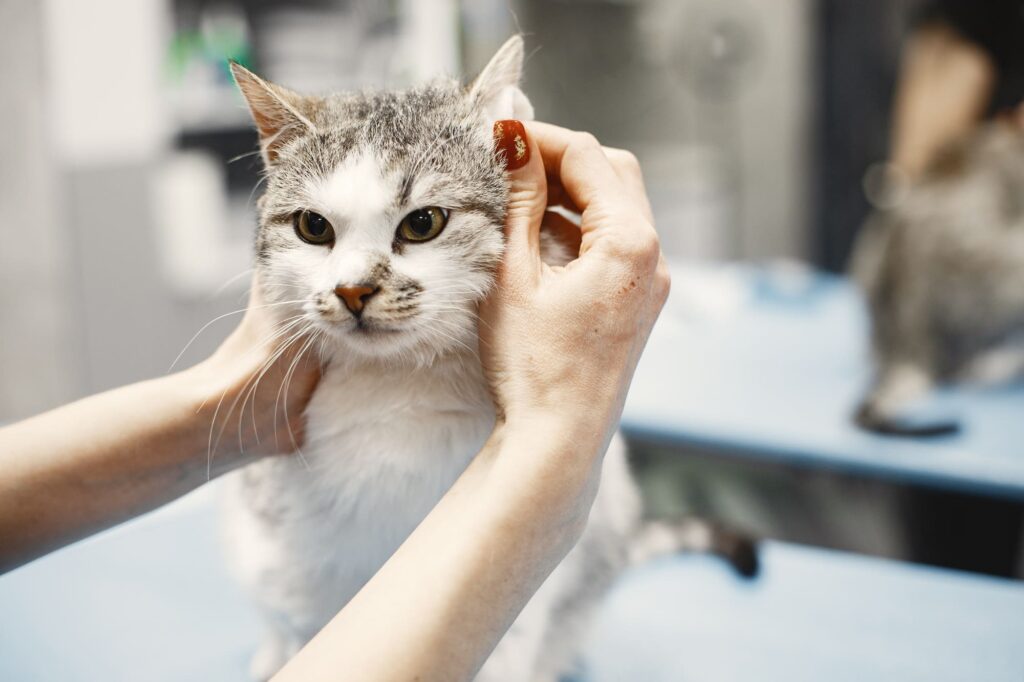
Tag: grooming for senior dogs

  • Feline Coat Structure and Grooming Needs

    Feline Coat Structure and Grooming Needs

    Feline Coat Structure and Grooming Needs

    A Vancouver Pet Owner’s Guide to Healthy, Beautiful Cats

    Introduction (150–200 words)

    If you share your home with a cat in Vancouver, you’ve probably noticed how much time they spend grooming themselves. That tiny pink tongue is a powerful cleaning tool — but it’s not always enough. Our coastal climate, indoor heating, seasonal shedding, and even stress can all affect your cat’s coat health.
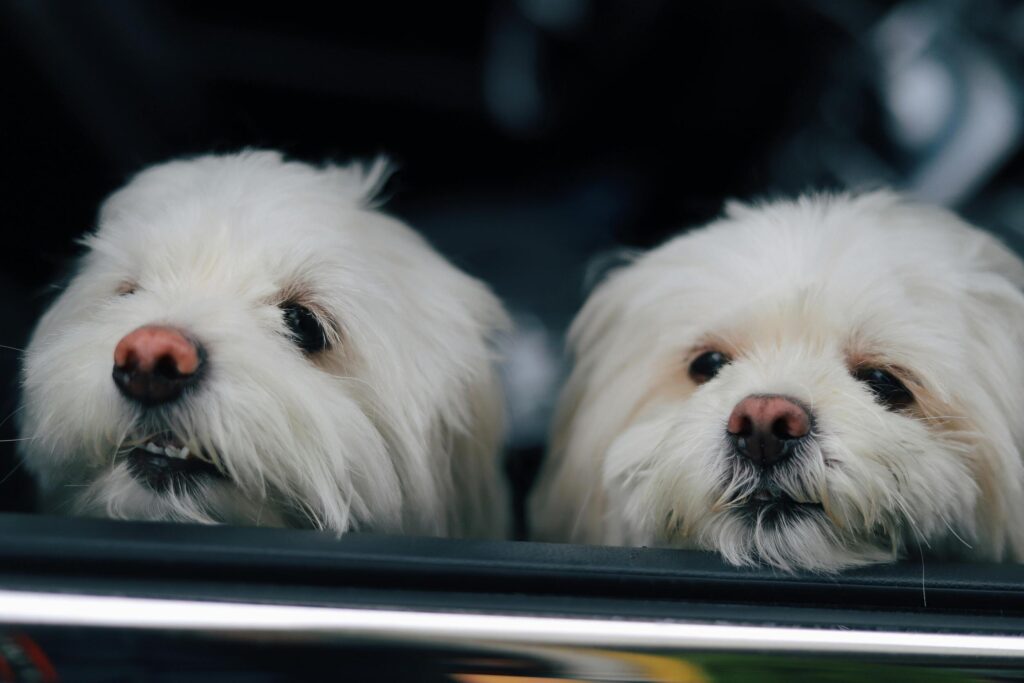
    Understanding your cat’s coat structure and grooming needs isn’t just about keeping them looking cute. It’s about skin health, comfort, shedding control, and early detection of issues like mats, parasites, or irritation. This is especially important for long-haired breeds, senior cats, and indoor cats who may not groom as effectively as they used to.

    At PetLux, our professional pet grooming Vancouver teams regularly meet cat parents from West Vancouver, Downtown Vancouver, and nearby neighbourhoods who are surprised to learn how different coat types require different care routines.

    In this guide, we’ll break down feline coat structure in simple terms, explain grooming needs by coat type, and share practical tips for keeping your cat comfortable and healthy — with support from trusted cat grooming Vancouver professionals when needed.


    Technical Comparison Table: Common Feline Coat Types

    Coat Type Typical Breeds Shedding Level Matting Risk Grooming Frequency Needed Common Issues
    Short Hair Domestic Shorthair, Siamese Low–Moderate Low Weekly brushing Dander buildup, dull coat
    Medium Hair Ragdoll, Maine Coon mix Moderate Medium 2–3x per week Tangles, shedding
    Long Hair Persian, Himalayan High High Daily brushing + pro care Mats, hairballs, skin sores
    Double Coat Norwegian Forest Cat Seasonal High Medium 3–5x per week Heavy shedding, undercoat
    Curly / Fine Devon Rex, Cornish Rex Low Low Gentle weekly grooming Sensitive skin, oil buildup

    Understanding Feline Coat Structure

    A cat’s coat isn’t just “fur.” It’s a layered system designed for protection, insulation, and sensory feedback.

    The Three Main Hair Types

    Guard hairs – The visible outer coat that protects against dirt and moisture
    Awn hairs – Provide thickness and insulation
    Down hairs – The soft undercoat that traps warmth

    Some cats have all three layers, while others (like Rex breeds) have only one or two.

    Why Coat Structure Matters

    Different coat structures mean different grooming needs. A fluffy Persian needs much more maintenance than a sleek Siamese. Without proper grooming, oils and dead hair build up, leading to mats, skin irritation, and excessive shedding.


    Grooming Needs by Coat Type

    Short-Haired Cats

    Short-haired cats still benefit from regular grooming.

    Why grooming helps:
    • Removes loose hair and dander
    • Distributes natural oils
    • Reduces hairballs
    • Keeps the coat shiny

    A weekly brush and occasional professional cat grooming Vancouver visit can keep their coat healthy.


    Medium- and Long-Haired Cats

    These cats need consistent care to prevent painful matting.

    Key needs:
    • Frequent brushing (daily for long coats)
    • Detangling sensitive areas like armpits and belly
    • Regular professional grooming for de-shedding and trimming

    Pet parents in West Vancouver pet grooming clinics often book routine appointments for long-haired cats to prevent emergency shave-downs.


    Double-Coated Cats

    These cats shed heavily during spring and fall — something Vancouver pet owners know well.

    Grooming benefits:
    • Removes dead undercoat
    • Reduces shedding in your home
    • Prevents heat stress
    • Improves air circulation to the skin

    Professional pet grooming Vancouver services use specialized tools to safely remove excess undercoat.


    Why Professional Cat Grooming Matters

    Even the most dedicated home groomer can’t do everything a trained groomer can.

    Benefits of Professional Pet Grooming Vancouver

    • Safe mat removal
    • Thorough de-shedding
    • Skin and coat health checks
    • Nail trimming
    • Ear and hygiene cleaning
    • Stress-aware handling techniques

    For anxious or senior cats, professional groomers trained in grooming tips for anxious pets and grooming for senior dogs (and cats) can make a huge difference in comfort and safety.


    Vancouver Climate and Coat Health

    Living in Vancouver comes with unique grooming challenges.

    Local Factors That Affect Cat Coats

    • Coastal humidity can increase matting
    • Indoor heating dries out skin
    • Seasonal shedding spikes in spring and fall
    • Outdoor allergens stick to fur

    That’s why many pet owners in Downtown Vancouver pet grooming clinics book regular maintenance grooming — even for indoor cats.


    At-Home Grooming Tips for Cat Owners

    Between professional visits, a little home care goes a long way.

    Simple Routine

    • Brush your cat regularly based on coat type
    • Use cat-safe grooming tools
    • Check behind ears, under arms, and belly for mats
    • Wipe paws and coat after outdoor walks
    • Watch for excessive shedding or skin flakes

    For Anxious Cats

    • Keep sessions short
    • Use calm, slow movements
    • Reward with treats
    • Groom in quiet spaces

    These grooming tips for anxious pets help prevent fear and resistance over time.


    How Often Should Cats Be Groomed?

    Although many owners ask how often should dogs be groomed, cats also need consistent care.

    General guideline:
    • Short hair: weekly brushing, pro grooming every few months
    • Medium hair: brushing 2–3x weekly, pro grooming every 6–8 weeks
    • Long hair: daily brushing, pro grooming every 4–6 weeks


    FAQs

    1. Do indoor cats really need grooming?

    Yes. Indoor cats shed, develop dander, and can still get mats — especially seniors.


    2. Is cat grooming safe?

    When done by trained professionals using cat-safe techniques, grooming is very safe and beneficial.


    3. What if my cat hates grooming?

    Look for professional pet grooming Vancouver providers experienced with anxious cats.


    4. Can grooming reduce hairballs?

    Absolutely. Removing loose fur significantly reduces swallowed hair.


    5. Should kittens be groomed?

    Yes. Puppy first grooming visit Vancouver principles also apply to kittens — early exposure builds positive habits.


    Conclusion + Local CTA

    Your cat’s coat is a window into their overall health. By understanding feline coat structure and providing proper grooming, you can prevent discomfort, reduce shedding, and help your cat look and feel their best year-round.

    Whether your cat needs gentle brushing, de-shedding, or mat removal, the expert teams at PetLux are here to help with compassionate, professional cat grooming Vancouver services.

    📍 PetLux West Vancouver
    1445 Marine Dr, West Vancouver, BC V7T 1B8
    📞 604-926-3020

    📍 PetLux Downtown Vancouver
    650 Pacific St, Vancouver, BC V6Z 0G5
    📞 604-571-9730

    Book a grooming visit today and give your cat the healthy, beautiful coat they deserve.

  • Signs Your Dog’s Coat Needs Professional Attention

    Signs Your Dog’s Coat Needs Professional Attention

    Introduction

    If you’re a dog owner in Vancouver, you already know how much our coastal climate can affect your pet’s coat. Between rainy walks along the Seawall, muddy adventures in Stanley Park, and salty air in West Vancouver, your dog’s fur works overtime to protect them. While regular brushing at home helps, there are times when your pup’s coat is quietly asking for professional care.
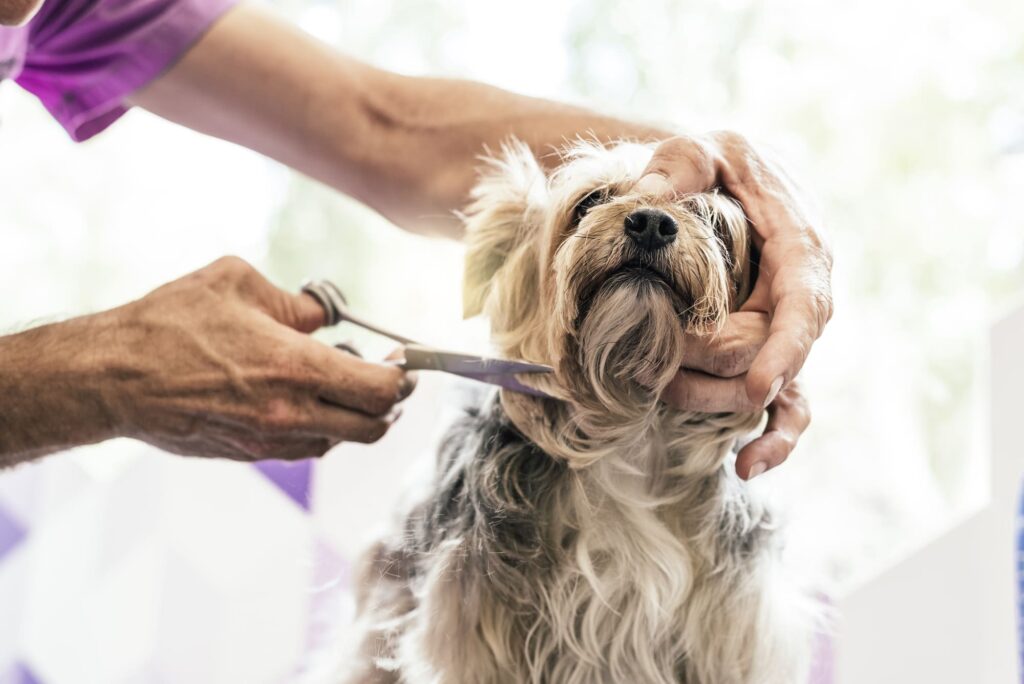
    A dull shine, persistent shedding, or mysterious tangles aren’t just cosmetic issues—they can signal discomfort, skin irritation, or even hidden health concerns. Many Vancouver pet parents wait until grooming becomes “urgent,” but early attention can prevent painful matting, hot spots, and stress for your dog.

    Whether you’re caring for a fluffy doodle, a short-haired lab, or a senior companion who needs extra TLC, knowing when to book a grooming session can make a big difference. In this guide, we’ll walk through the most common signs your dog’s coat needs professional attention, how grooming supports long-term health, and where to find trusted Vancouver pet grooming services like PetLux.


    Coat Health Comparison Table

    Sign You Notice What It Means Home Care Limitations Why Professional Grooming Helps
    Excessive shedding Seasonal or stress-related coat turnover Brushing only removes surface fur Deep deshedding tools remove undercoat safely
    Matted fur Tangles pulling on skin Risk of painful pulling or cuts Safe detangling or humane mat removal
    Dull or greasy coat Oil imbalance or product buildup Shampoos may not fully cleanse Professional-grade coat-balancing wash
    Persistent odor Trapped moisture or bacteria Deodorizing sprays mask smell Antibacterial bathing and drying
    Red or flaky skin Possible irritation or allergies Home products may worsen it Hypoallergenic grooming and skin assessment
    Uneven coat growth Missed trims or breakage Hard to shape evenly Breed-standard or comfort-focused trims

    1. Excessive Shedding Beyond the Seasons

    Shedding is normal, especially in spring and fall. But if your home suddenly looks like it’s snowing fur year-round, it may be time for professional pet grooming Vancouver services.

    Heavy shedding can mean:

    • An overloaded undercoat

    • Poor circulation to hair follicles

    • Stress or environmental changes

    Professional groomers use specialized deshedding tools that reach deep layers of fur without irritating your dog’s skin. This is especially helpful for breeds common in Vancouver like Huskies, Golden Retrievers, and German Shepherds.


    2. Matted or Tangled Fur

    Mats aren’t just messy—they’re painful. When fur knots tightly, it pulls on the skin and traps moisture, which can lead to infections or hot spots.

    Warning signs include:

    • Hard clumps of fur behind ears or under legs

    • Your dog flinching when touched

    • Skin redness under tangled areas

    Trying to cut mats at home is risky. A professional groomer can safely remove mats while keeping your dog calm and comfortable. If you’re in West Vancouver pet grooming zones or downtown, PetLux specializes in gentle mat removal.


    3. A Dull, Greasy, or Smelly Coat

    If your dog’s coat looks flat, oily, or smells bad even after a bath, that’s a clear sign it needs professional attention.

    This can happen due to:

    • Product residue buildup

    • Natural oil imbalance

    • Trapped dirt from Vancouver’s wet weather

    Professional pet grooming Vancouver salons use coat-specific shampoos that restore shine and balance oils naturally—without harsh chemicals.


    4. Red, Flaky, or Itchy Skin

    Skin issues often start in the coat. Flaking, itching, or redness may indicate allergies, dryness, or fungal concerns.

    Professional groomers:

    • Use hypoallergenic products

    • Spot early skin issues

    • Avoid irritants that worsen sensitivity

    This is especially important for grooming for senior dogs or puppies with delicate skin.


    5. Uneven or Overgrown Fur

    If your dog’s coat grows unevenly or looks patchy, it’s more than a style issue. Overgrown fur can interfere with vision, trap debris, or cause overheating.

    Professional groomers:

    • Shape coats for comfort and function

    • Maintain breed standards

    • Improve mobility and cooling

    For active Vancouver dogs, regular trims help them stay comfortable year-round.


    6. Behavioral Changes During Brushing

    Does your dog growl, hide, or whimper when you brush them? This could mean brushing is painful due to knots or skin irritation.

    Professional groomers are trained in:

    • Grooming tips for anxious pets

    • Gentle handling techniques

    • Stress-free environments

    This is especially helpful for a puppy first grooming visit Vancouver or rescue dogs with past grooming trauma.


    7. Increased Scratching or Licking

    Excessive scratching often points to something wrong beneath the coat. Dirt, allergens, or parasites can hide in dense fur.

    Professional grooming includes:

    • Thorough coat inspection

    • Flea and tick checks

    • Deep cleansing baths

    This keeps your dog healthier and prevents bigger problems later.


    How Often Should Dogs Be Groomed?

    The answer depends on your dog’s breed, coat type, and lifestyle.

    General guidelines:

    • Short-haired breeds: every 6–8 weeks

    • Medium coats: every 4–6 weeks

    • Long or curly coats: every 3–5 weeks

    If your dog hikes often, swims, or spends time outdoors in Vancouver, more frequent grooming may be needed.


    Why Choose Professional Pet Grooming in Vancouver?

    Home grooming is helpful—but it can’t replace professional care.

    Benefits of professional grooming include:

    • Proper coat maintenance

    • Early detection of skin issues

    • Stress-free handling

    • Breed-appropriate styling

    • Safe tools and products

    For both dog grooming Vancouver and cat grooming Vancouver needs, a trusted groomer ensures your pet looks and feels their best.


    FAQs

    1. How do I know if my dog’s coat problem is serious?
    If you notice persistent mats, skin redness, or behavior changes, it’s time to book a professional grooming appointment.

    2. Is professional grooming safe for senior dogs?
    Yes. Grooming for senior dogs is customized with gentle handling and comfort-focused techniques.

    3. Can grooming help with allergies?
    Regular grooming removes allergens and reduces skin irritation.

    4. What if my dog is anxious about grooming?
    Look for groomers who specialize in calming techniques and grooming tips for anxious pets.

    5. Do puppies need professional grooming?
    Absolutely. A puppy first grooming visit Vancouver helps them get comfortable with the process early.


    Conclusion + Local CTA

    Your dog’s coat is a window into their overall health. From excessive shedding and matting to skin irritation and behavioral changes, these signs shouldn’t be ignored. Regular professional grooming keeps your pet comfortable, healthy, and looking their best—especially in Vancouver’s unique climate.

    If you’re searching for the best dog groomers in Vancouver, PetLux is here to help.

    📍 PetLux West Vancouver
    1445 Marine Dr, West Vancouver, BC V7T 1B8
    📞 604-926-3020

    📍 PetLux Downtown Vancouver
    650 Pacific St, Vancouver, BC V6Z 0G5
    📞 604-571-9730

    Book a grooming session today and give your dog the coat care they deserve

  • Breed-Specific Coat Care: Poodles, Doodles, Retrievers

    Breed-Specific Coat Care: Poodles, Doodles, Retrievers

    Introduction

    If you’ve ever tried brushing your dog only to find a knot the size of a tennis ball hiding behind their ear, you’re not alone. Vancouver’s damp coastal climate, frequent outdoor adventures, and active lifestyles make coat care a real challenge for many local pet owners. Whether you’re walking the seawall, hiking in Lynn Canyon, or letting your pup splash at Spanish Banks, your dog’s coat works hard—and it needs breed-specific care to stay healthy and comfortable.
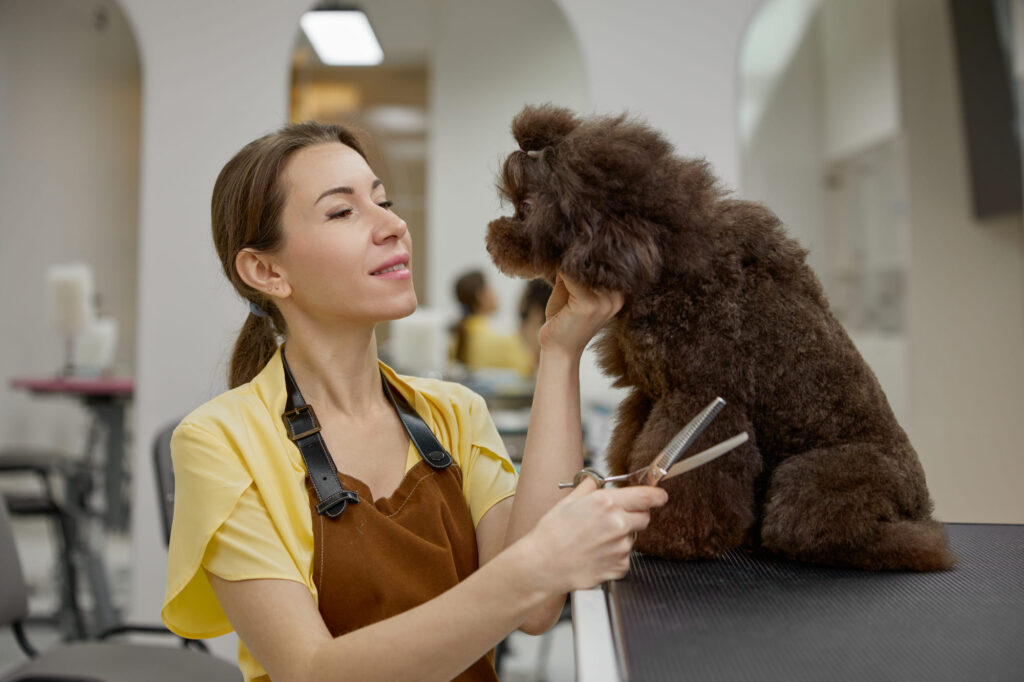
    Poodles, Doodles, and Retrievers are among the most popular breeds in the Lower Mainland, and each has unique grooming needs. From curly coats that trap debris to thick double coats that shed seasonally, understanding what your dog’s fur requires can make grooming less stressful and more effective. In this guide, we’ll break down coat types, grooming routines, and professional tips to help your pet look and feel their best year-round.

    If you’re searching for dog grooming Vancouver, West Vancouver pet grooming, or Downtown Vancouver pet grooming, this local guide is written just for you—by the grooming experts at PetLux.


    Breed-Specific Coat Care Comparison

    Breed Type Coat Type Shedding Level Brushing Frequency Bathing Needs Professional Grooming Frequency
    Poodles Curly, dense, single Low Daily to 3x/week Every 4–6 weeks Every 4–6 weeks
    Doodles Wavy to curly hybrid Low–Moderate Daily Every 4–6 weeks Every 6–8 weeks
    Retrievers Thick, double coat High (seasonal) 2–3x/week Every 6–8 weeks Every 8–12 weeks

    Understanding Coat Types and Why They Matter

    Every dog’s coat serves a purpose: insulation, protection, and even temperature regulation. But not all coats behave the same.

    Poodles

    Poodles have a dense, curly single coat that grows continuously, much like human hair. While they shed very little, their curls easily trap dirt, moisture, and loose hair. Without regular brushing, mats can form quickly—especially around the ears, armpits, and tail.

    Doodles

    Doodles (like Goldendoodles and Labradoodles) inherit a mix of poodle curls and retriever waves. Their coats can vary widely even within the same litter. Most doodles require daily brushing to prevent tangles and benefit from routine trims to keep their coats manageable.

    Retrievers

    Golden Retrievers and Labrador Retrievers have thick double coats designed for outdoor work and water retrieval. They shed year-round, with heavy seasonal “blowouts” in spring and fall. Regular de-shedding is essential to control fur around your home and keep their skin healthy.


    Grooming Routines for Vancouver Dogs

    Living in Vancouver means dealing with rain, mud, and salt air. These environmental factors can accelerate matting, skin irritation, and odor if grooming routines aren’t tailored to your dog’s breed.

    Daily & Weekly Care

    • Poodles & Doodles

      • Light brushing daily or every other day

      • Focus on high-friction areas (collar line, legs, belly)

      • Use a slicker brush and metal comb for best results

    • Retrievers

      • Brush 2–3 times per week

      • Use an undercoat rake during shedding seasons

      • Wipe paws and belly after rainy walks

    Bathing Tips

    Bathing frequency depends on activity level, coat type, and skin sensitivity. For most dogs in Vancouver:

    • Poodles & Doodles: Every 4–6 weeks

    • Retrievers: Every 6–8 weeks

    Always use dog-safe shampoo and conditioner to maintain natural oils and prevent dryness.


    When to Book Professional Grooming

    Even the most diligent at-home routine can’t replace professional care. Booking professional pet grooming Vancouver services ensures your dog receives a deep clean, proper coat shaping, and expert skin checks.

    Benefits of Professional Grooming

    • Removes stubborn mats and undercoat

    • Improves skin circulation and coat health

    • Reduces shedding and allergens

    • Identifies early skin or ear issues

    At PetLux, our groomers are trained to handle everything from a puppy first grooming visit Vancouver to grooming for senior dogs who need extra patience and care.


    Grooming Tips for Anxious or Senior Pets

    Some dogs feel nervous during grooming, especially if they’ve had a bad experience or are sensitive to handling.

    Helpful tips:

    • Start with short grooming sessions at home

    • Use positive reinforcement and treats

    • Keep a calm, quiet environment

    • Book quieter appointment times

    For senior dogs, gentle handling and supportive equipment help reduce joint strain and anxiety. Our team specializes in grooming tips for anxious pets and adapts every session to your dog’s comfort level.


    How Often Should Dogs Be Groomed?

    A common question we hear from local pet owners is: how often should dogs be groomed? The answer depends on breed and lifestyle.

    • Poodles: Every 4–6 weeks

    • Doodles: Every 6–8 weeks

    • Retrievers: Every 8–12 weeks

    Dogs who swim frequently or spend lots of time outdoors may need more frequent visits.


    Why Local Grooming Matters in Vancouver

    Choosing a local grooming service means your groomer understands Vancouver’s climate, common allergens, and seasonal coat challenges. When you search for best dog groomers in Vancouver or cat grooming Vancouver, you want a team that combines technical skill with genuine care.

    PetLux offers personalized grooming plans tailored to your dog’s breed, coat type, and lifestyle. From routine maintenance to full spa packages, we help your pet look great and feel even better.


    FAQs

    1. Do doodles really need daily brushing?
    Yes. Doodle coats mat easily, especially when exposed to rain and moisture. Daily brushing prevents painful tangles.

    2. Can I shave my retriever in summer?
    Shaving a double-coated breed can disrupt temperature regulation and lead to skin issues. De-shedding treatments are a safer option.

    3. Is professional grooming safe for puppies?
    Absolutely. A puppy first grooming visit Vancouver should be gentle, short, and focused on positive exposure.

    4. How do I know if my dog has mats?
    If you can’t easily run a comb through your dog’s coat, mats may be forming beneath the surface.

    5. What’s the best grooming schedule for senior dogs?
    Senior dogs benefit from more frequent, shorter sessions with gentle handling and supportive equipment.


    Conclusion + Local Call to Action

    Breed-specific coat care isn’t just about looks—it’s about comfort, health, and happiness. Whether you have a curly-coated poodle, a fluffy doodle, or a shedding retriever, the right grooming routine can make all the difference.

    If you’re searching for Vancouver pet grooming, West Vancouver pet grooming, or Downtown Vancouver pet grooming, PetLux is here to help. Our experienced team provides professional pet grooming Vancouver services in a calm, caring environment.

    📍 PetLux West Vancouver
    1445 Marine Dr, West Vancouver, BC V7T 1B8
    📞 604-926-3020

    📍 PetLux Downtown Vancouver
    650 Pacific St, Vancouver, BC V6Z 0G5
    📞 604-571-9730

    Book your dog’s next grooming appointment today and give them the breed-specific care they deserve.

  • Understanding Clipper Alopecia and How Groomers Prevent It

    Understanding Clipper Alopecia and How Groomers Prevent It

    Introduction

    If you’ve ever noticed patchy hair loss or slow regrowth on your dog after a grooming session, you’re not alone—and you’re not imagining things. Many Vancouver pet owners search online for answers when their dog’s coat doesn’t bounce back the way they expect. One of the lesser-known causes of this issue is a condition called clipper alopecia.
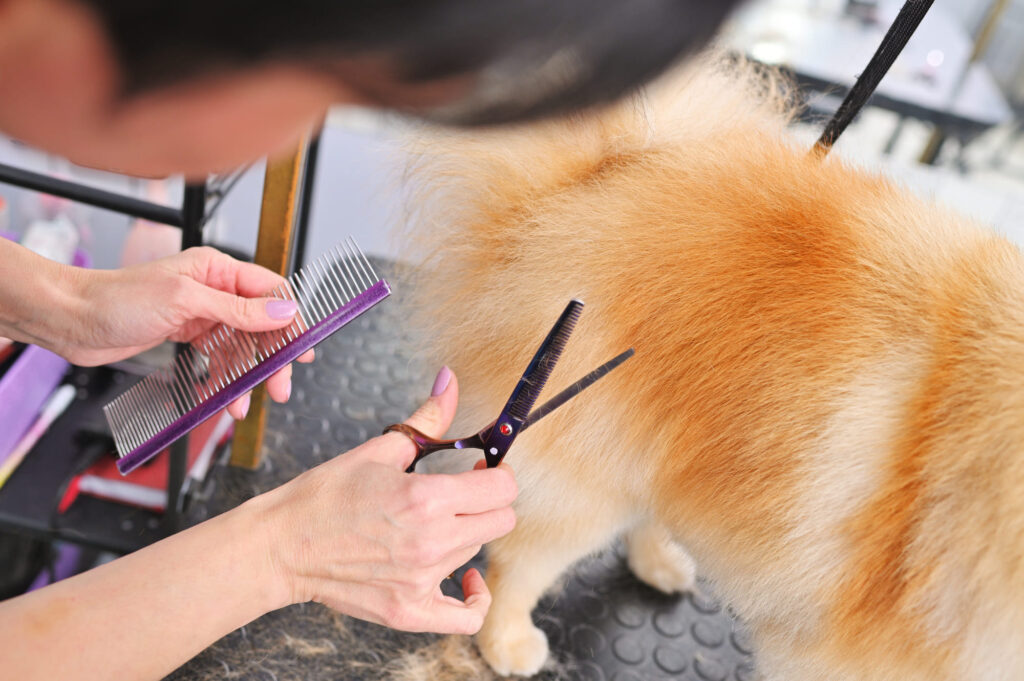
    Clipper alopecia is not painful, contagious, or dangerous, but it can be frustrating and confusing for loving pet parents. It often shows up as bald or thin patches where clippers were used, and regrowth may take weeks—or even months. While it’s more common in certain coat types, any dog can be affected under the right conditions.

    At PetLux, a trusted name in professional pet grooming Vancouver families rely on, we believe education is just as important as great grooming. In this guide, we’ll explain what clipper alopecia is, why it happens, and—most importantly—how skilled groomers prevent it. Whether you’re booking your puppy’s first grooming visit in Vancouver or caring for a senior dog, understanding this topic helps you make confident, informed choices.


    Technical Comparison Table: Clipper Alopecia vs Normal Coat Regrowth

    Feature Clipper Alopecia Normal Coat Regrowth
    Hair Growth After Clipping Slow or absent Steady regrowth within 2–6 weeks
    Patch Appearance Bald, thin, or discolored patches Even coat texture and color
    Common in Coat Types Double-coated breeds, Nordic breeds All coat types
    Trigger Factors Dull blades, overheating, hormonal imbalance Regular grooming, proper technique
    Treatment Required Usually no medical treatment None needed
    Prevention Method Skilled grooming technique, proper equipment Standard grooming care
    Risk of Recurrence Moderate without preventive grooming Low

    What Is Clipper Alopecia?

    Clipper alopecia is a temporary condition where hair fails to regrow normally after being shaved or clipped. It’s most often seen in breeds with double coats, such as Huskies, Pomeranians, and Golden Retrievers, but it can occur in mixed breeds too.

    This isn’t an infection or injury. Instead, it’s a disruption to the hair growth cycle. The hair follicles enter a prolonged resting phase (telogen), which delays regrowth.

    It’s important to note that clipper alopecia is cosmetic, not medical. However, the emotional impact on pet owners can be significant—especially when a beloved dog suddenly looks very different.


    Why Does Clipper Alopecia Happen?

    Several factors contribute to this condition:

    1. Blade Heat and Friction

    If grooming clippers overheat or use dull blades, they can irritate the hair follicles and skin.

    2. Improper Clipping Technique

    Going against coat growth or shaving double-coated dogs too short increases the risk.

    3. Hormonal Sensitivity

    Some dogs have underlying hormonal imbalances that affect hair regrowth.

    4. Age and Health Factors

    Senior dogs and pets with thyroid or metabolic issues are more prone.

    5. Seasonal Coat Changes

    Clipping during heavy shedding seasons can interfere with natural regrowth.


    Breeds More Prone to Clipper Alopecia

    While any dog can experience it, higher-risk breeds include:

    • Pomeranians

    • Huskies

    • Alaskan Malamutes

    • Golden Retrievers

    • Chow Chows

    • Samoyeds

    • Mixed breeds with thick undercoats

    These breeds are common across Vancouver’s diverse dog population, making awareness especially important for local pet parents.


    How Professional Groomers Prevent Clipper Alopecia

    At PetLux, prevention starts long before a clipper touches your dog’s coat.

    1. Coat Assessment Before Grooming

    Every grooming session begins with a coat evaluation. Groomers check for:

    • Coat density

    • Matting

    • Skin condition

    • Shedding stage

    • Breed-specific needs

    This step is essential for Vancouver pet grooming services that prioritize coat health.


    2. Proper Equipment Maintenance

    High-quality grooming equipment makes a huge difference:

    • Sharp, sanitized blades

    • Temperature-controlled clippers

    • Multiple blade lengths

    • Regular cooling sprays

    Using well-maintained tools reduces friction and skin stress.


    3. Breed-Appropriate Styling

    Professional pet grooming Vancouver experts understand which breeds should not be shaved short. For double-coated dogs, techniques like:

    • Deshedding treatments

    • Hand scissoring

    • Undercoat raking

    are safer alternatives.


    4. Low-Stress Grooming Techniques

    Stress impacts hormonal balance. Groomers trained in grooming tips for anxious pets use:

    • Gentle handling

    • Breaks during sessions

    • Calm environments

    • Positive reinforcement

    This is especially helpful for senior dogs and puppies.


    5. Customized Grooming Schedules

    Many owners ask, “How often should dogs be groomed?” The answer varies by coat type, age, and lifestyle.

    Routine grooming prevents matting and allows for coat maintenance without aggressive clipping.


    What If Your Dog Already Has Clipper Alopecia?

    Don’t panic—most cases resolve on their own. Here’s what you can do:

    • Avoid further shaving in affected areas

    • Switch to brushing and scissoring

    • Maintain a balanced diet

    • Keep grooming sessions consistent

    • Consult a vet if regrowth doesn’t start within 3–6 months

    Professional groomers can also suggest coat-recovery treatments that support healthy regrowth.


    Grooming for Puppies, Seniors, and Sensitive Dogs

    Puppy First Grooming Visit Vancouver

    Early grooming experiences shape lifelong behavior. Gentle introductions reduce stress and hormonal fluctuations that may contribute to coat issues.

    Grooming for Senior Dogs

    Older dogs benefit from:

    • Shorter grooming sessions

    • Non-slip surfaces

    • Temperature monitoring

    • Extra skin hydration

    This minimizes the risk of coat cycle disruption.


    Why Choose Professional Pet Grooming Vancouver Services?

    DIY grooming increases the risk of clipper alopecia due to:

    • Improper tools

    • Inexperience

    • Overheating clippers

    • Inconsistent techniques

    The best dog groomers in Vancouver are trained to recognize early signs of coat sensitivity and adjust grooming styles accordingly.


    FAQs

    1. Is clipper alopecia painful for dogs?
    No. It’s a cosmetic condition that doesn’t cause pain or itching.

    2. How long does hair take to grow back?
    Anywhere from 6 weeks to several months, depending on the dog.

    3. Can clipper alopecia be permanent?
    Rarely. Most dogs experience full regrowth with proper care.

    4. Should I avoid shaving my dog completely?
    Not always—but double-coated breeds should rarely be shaved short.

    5. Does mobile pet grooming Vancouver increase the risk?
    Not if the groomer uses professional equipment and techniques.


    Conclusion + Local Call to Action

    Clipper alopecia can be surprising, but it’s entirely preventable with the right grooming approach. Skilled groomers understand coat biology, proper equipment use, and stress-reduction techniques that protect your dog’s appearance and comfort.

    At PetLux, we combine expertise, compassion, and Vancouver-specific grooming knowledge to keep your pet healthy and looking their best.

    Whether you’re searching for dog grooming Vancouver, cat grooming Vancouver, or professional pet grooming Vancouver services, our experienced team is here to help.

    Visit Us Today:

    📍 PetLux West Vancouver
    1445 Marine Dr, West Vancouver, BC V7T 1B8
    📞 604-926-3020

    📍 PetLux Downtown Vancouver
    650 Pacific St, Vancouver, BC V6Z 0G5
    📞 604-571-9730

    Book your appointment and experience why local pet owners trust PetLux as one of the best dog groomers in Vancouver

  • Why Shaving Double-Coated Dogs Can Cause Long-Term Damage

    Why Shaving Double-Coated Dogs Can Cause Long-Term Damage

    Introduction

    If you live in Vancouver, you’ve probably seen it all—warm summer days, muddy fall walks, and dogs shedding enough fur to fill a pillow. It’s no surprise that many local pet owners wonder if shaving their dog will make life easier or help them stay cool. For double-coated breeds like Huskies, Golden Retrievers, German Shepherds, and Pomeranians, shaving can feel like a tempting shortcut.
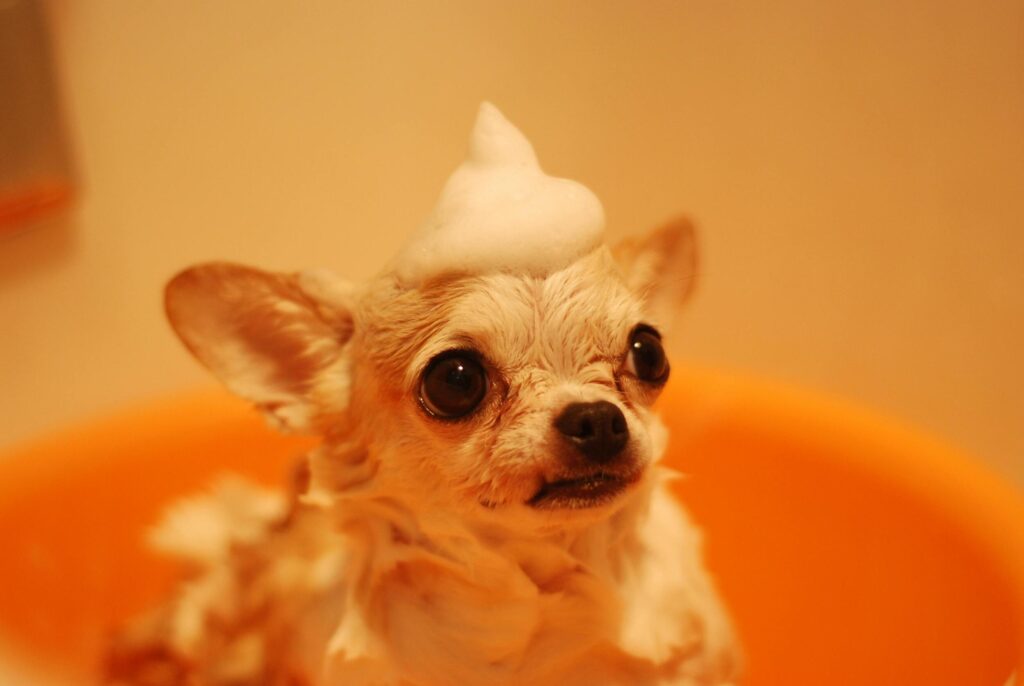
    But here’s the truth most people don’t hear: shaving a double-coated dog can cause long-term damage to their coat, skin, and natural temperature regulation system.

    At PetLux, our professional pet grooming Vancouver team sees this issue regularly. Well-meaning owners bring in dogs whose coats have never grown back the same after a shave, or who now struggle with matting, sunburn, and uneven shedding. Grooming isn’t just about looks—it’s about protecting your dog’s health and comfort, especially in Vancouver’s unique coastal climate.

    In this guide, we’ll explain how double coats work, why shaving can be harmful, and what safe grooming alternatives actually help your dog feel better year-round.


    Double-Coated Dogs: Shaving vs Proper Grooming

    Feature Shaving a Double Coat Professional Grooming (Deshed + Trim)
    Coat Regrowth Often patchy or uneven Natural growth cycle preserved
    Temperature Control Disrupted; higher risk of overheating Insulation and cooling remain balanced
    Skin Protection Increased sunburn and irritation risk Natural UV barrier maintained
    Shedding Control Can worsen shedding long-term Controlled, healthier shedding
    Coat Texture May grow back coarse or fuzzy Maintains original texture
    Matting Risk Higher after regrowth Reduced with proper brushing
    Overall Health Stressful to skin and follicles Supports skin and coat health

    What Is a Double Coat?

    Double-coated dogs have two distinct layers of fur:

    • Topcoat (guard hairs): The longer, weather-resistant outer layer that protects against sun, dirt, and moisture

    • Undercoat: A dense, soft layer that insulates against both heat and cold

    This natural system works like built-in climate control. In summer, the undercoat sheds to allow airflow and cooling. In winter, it thickens to retain warmth. Shaving disrupts this balance and can interfere with the coat’s ability to regulate temperature properly.


    Why Shaving Can Cause Long-Term Damage

    1. Patchy or Uneven Regrowth

    When a double coat is shaved, the soft undercoat often grows back faster than the guard hairs. This can lead to:

    • Uneven texture

    • Dull or fuzzy appearance

    • Increased matting

    • Permanent coat changes in some dogs

    We regularly see Vancouver pet grooming clients who regret shaving because their dog’s coat never fully returned to normal.


    2. Increased Risk of Overheating

    It’s a common myth that shaving keeps dogs cooler. In reality, the double coat insulates against heat. Without it:

    • Dogs absorb more direct heat

    • Airflow regulation is reduced

    • Dogs may pant more and tire faster

    • Heat stress becomes more likely during Vancouver’s summer heatwaves


    3. Sunburn and Skin Damage

    Guard hairs protect your dog’s skin from harmful UV rays. Shaving removes this barrier, increasing the risk of:

    • Sunburn

    • Skin irritation

    • Hot spots

    • Long-term pigmentation changes

    Light-colored dogs are especially vulnerable, particularly during sunny walks along the Seawall or local parks like Stanley Park and Ambleside.


    4. Increased Shedding Over Time

    Ironically, shaving often makes shedding worse. As the coat regrows unevenly, dead undercoat becomes trapped, leading to:

    • Heavier seasonal shedding

    • More fur around your home

    • Greater matting and tangling

    • More frequent grooming needs


    5. Long-Term Coat Follicle Damage

    Repeated shaving can weaken hair follicles. Over time, this may result in:

    • Thinner regrowth

    • Bald patches

    • Loss of natural shine

    • Chronic skin sensitivity


    Breeds Most Affected by Shaving

    Double-coated breeds include:

    • Golden Retrievers

    • Labrador Retrievers

    • Huskies

    • Samoyeds

    • German Shepherds

    • Border Collies

    • Pomeranians

    • Shetland Sheepdogs

    • Chow Chows

    • Australian Shepherds

    If your dog falls into one of these categories, shaving should almost never be part of routine grooming.


    What Should You Do Instead?

    1. Professional Deshedding Treatments

    At PetLux, our professional pet grooming Vancouver team offers specialized deshedding services that:

    • Remove loose undercoat safely

    • Improve airflow through the coat

    • Reduce shedding at home

    • Keep the coat healthy and shiny


    2. Regular Brushing at Home

    Consistent brushing is the best way to manage a double coat:

    • Use an undercoat rake or slicker brush

    • Brush 2–3 times per week

    • Increase frequency during shedding seasons

    • Always brush gently to avoid skin irritation


    3. Light Trimming (Not Shaving)

    Certain areas may benefit from careful trimming:

    • Paw pads

    • Sanitary areas

    • Feathering around ears or tail

    • Belly fur for hygiene

    This keeps your dog clean without damaging the coat structure.


    4. Cooling Strategies That Actually Work

    Instead of shaving, try:

    • Fresh water access

    • Shaded walking routes

    • Early morning or evening walks

    • Cooling mats at home

    • Proper grooming for airflow

    These solutions are far safer for Vancouver’s summer conditions.


    Grooming for Anxious or Senior Dogs

    If your dog feels stressed about grooming—or if you have an older pet—gentle handling is essential. At PetLux, we specialize in:

    • Grooming tips for anxious pets

    • Calm grooming environments

    • Shorter, stress-free sessions

    • Extra care for sensitive skin and joints

    • Grooming for senior dogs with tailored comfort techniques

    We also make puppy first grooming visits Vancouver families trust—helping young dogs build positive grooming experiences early.


    FAQs

    1. Will my dog’s coat grow back if it’s already been shaved?

    Sometimes yes—but it may grow back unevenly or with a different texture. In some cases, full recovery can take months or longer.


    2. Is shaving ever medically necessary?

    In rare medical situations (such as surgery or severe matting), shaving may be required. Always consult a veterinarian or professional groomer first.


    3. How often should dogs be groomed?

    It depends on breed and lifestyle, but most double-coated dogs benefit from grooming every 6–10 weeks, with regular brushing in between.


    4. Can shaving reduce allergies?

    Not effectively. Allergens are found in dander and saliva, not just fur. Proper grooming and bathing are far more helpful.


    5. Do double-coated dogs need different grooming in Vancouver?

    Yes. Vancouver’s humid climate can trap moisture in dense coats. Regular deshedding and proper drying help prevent skin infections and matting.


    Conclusion + Local CTA

    Shaving a double-coated dog may seem like a quick fix, but it can lead to long-term coat damage, skin problems, and temperature regulation issues. The safest way to keep your dog comfortable, healthy, and looking great is through professional grooming, regular brushing, and proper coat care.

    If you’re looking for best dog groomers in Vancouver, the PetLux team is here to help. We provide expert care for both dogs and cats, offering trusted Vancouver pet grooming, West Vancouver pet grooming, and Downtown Vancouver pet grooming services.

    📍 PetLux West Vancouver
    1445 Marine Dr, West Vancouver, BC V7T 1B8
    📞 604-926-3020

    📍 PetLux Downtown Vancouver
    650 Pacific St, Vancouver, BC V6Z 0G5
    📞 604-571-9730

    Book your next appointment today and give your pet the gentle, professional care they deserve.

  • The Role of Brushing in Preventing Follicle Blockage

    The Role of Brushing in Preventing Follicle Blockage

    Introduction

    If you’re a pet parent in Vancouver, you already know how much our coastal climate can affect your dog or cat’s coat. Between rainy walks, muddy parks, seasonal shedding, and indoor heating, your pet’s skin and fur are under constant stress. One of the most overlooked grooming issues we see at PetLux is follicle blockage—a condition where hair follicles become clogged with dirt, oils, dead skin, and loose hair.
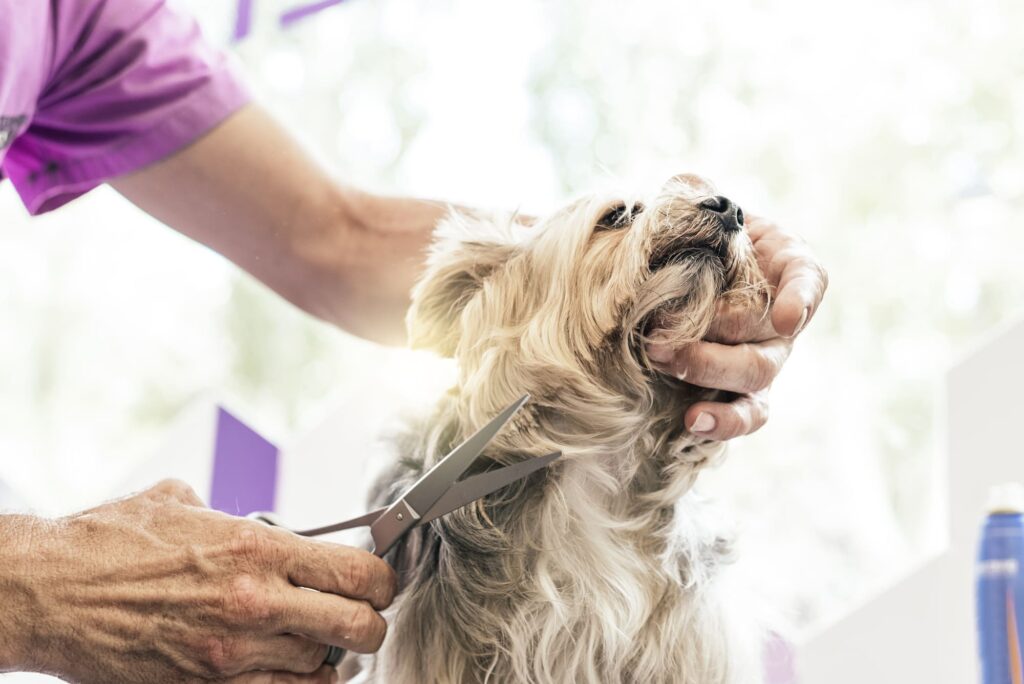
    Blocked follicles aren’t just a cosmetic concern. They can lead to itching, hot spots, infections, painful mats, and even long-term skin damage. The good news? Regular brushing is one of the simplest and most effective ways to prevent these problems before they start.

    Whether you’re caring for a fluffy Samoyed in West Vancouver or a short-haired tabby in Downtown Vancouver, brushing plays a vital role in healthy grooming routines. In this guide, we’ll explain how brushing supports skin health, how often it should be done, and how professional pet grooming Vancouver services like PetLux can make a real difference in your pet’s comfort and wellbeing.


    Technical Comparison Table: Brushing Methods & Follicle Health

    Brushing Method Best For Coat Type Impact on Follicle Health Recommended Frequency Professional vs. At-Home
    Slicker Brush Long & curly coats Removes tangles, opens follicles 3–5x per week Both
    Undercoat Rake Double-coated breeds Prevents dense follicle blockage 2–3x per week Both
    Bristle Brush Short-haired pets Distributes oils, clears debris 2–4x per week Both
    Deshedding Tool Heavy shedders Reduces trapped dead hair Weekly during shedding Best with professionals
    Professional Blow-Out All coat types Deep follicle clearing Monthly or seasonal Professional only

    What Is Follicle Blockage in Pets?

    Hair follicles are tiny openings in your pet’s skin where each hair grows. Over time, these follicles can become clogged with:

    • Dead skin cells

    • Natural oils

    • Dirt and pollutants

    • Loose or shed fur

    • Product residue from shampoos

    When follicles are blocked, hair can’t grow properly, and bacteria can build up underneath the surface. This can cause inflammation, painful bumps, patchy hair loss, and infections. Many pets we see for Vancouver pet grooming already show early signs without their owners realizing it.


    How Brushing Prevents Follicle Blockage

    Brushing does far more than keep your pet looking tidy. It plays a direct role in skin health:

    1. Removes Loose Hair Before It Traps Dirt

    Dead hair clings to the coat and acts like a net for dust, pollen, and debris. Brushing lifts out this loose fur before it compresses into mats that block follicles.

    2. Stimulates Blood Flow

    Gentle brushing increases circulation to the skin. This delivers oxygen and nutrients to follicles, supporting healthy hair growth and faster skin renewal.

    3. Distributes Natural Oils

    Brushing spreads your pet’s natural skin oils evenly along the coat. This prevents oil buildup in one area and dryness in another, reducing clogging and irritation.

    4. Exfoliates Dead Skin Cells

    Dead skin accumulates naturally. Without brushing, it settles into follicles and traps bacteria. Regular grooming acts as gentle exfoliation for pets.


    Coat Types and Their Brushing Needs

    Different coats require different grooming approaches. This is why professional pet grooming Vancouver services tailor brushing routines for each pet.

    Double-Coated Dogs (e.g., Huskies, Golden Retrievers)

    These dogs have a dense undercoat that sheds heavily. Without proper brushing, undercoat buildup is a major cause of follicle blockage.

    Best tools: Undercoat rake, deshedding tool
    Frequency: 2–3 times per week (daily during shedding season)

    Long-Haired Breeds (e.g., Shih Tzus, Poodles)

    Tangles and mats form quickly and trap moisture and bacteria.

    Best tools: Slicker brush, comb
    Frequency: 4–5 times per week

    Short-Haired Dogs and Cats

    Even short coats shed and accumulate dead skin.

    Best tools: Bristle brush, rubber grooming mitt
    Frequency: 2–4 times per week


    Signs Your Pet May Have Follicle Blockage

    If you notice any of these symptoms, your pet may need more frequent brushing or professional grooming:

    • Persistent itching or licking

    • Dull or greasy coat

    • Small bumps or redness

    • Patchy hair loss

    • Unpleasant skin odor

    • Matted fur near joints or neck

    Early intervention can prevent costly veterinary visits and keep your pet more comfortable year-round.


    How Often Should Dogs Be Groomed?

    A common question we hear at PetLux is, “how often should dogs be groomed?” The answer depends on coat type, lifestyle, and health, but as a general guideline:

    • Short-haired dogs: Every 6–8 weeks

    • Medium-coated dogs: Every 4–6 weeks

    • Long-coated dogs: Every 3–4 weeks

    • Double-coated breeds: Every 4–8 weeks with seasonal shedding care

    Regular professional grooming ensures deep follicle cleansing that home brushing alone can’t always achieve.


    Why Professional Brushing Matters

    At-home brushing is essential, but professional pet grooming Vancouver services add extra layers of care:

    • High-powered blow-outs to remove trapped undercoat

    • Coat-specific tools for deep follicle access

    • Hypoallergenic products for sensitive skin

    • Mat removal without pulling or discomfort

    • Early detection of skin issues

    Our groomers at PetLux are trained to recognize early signs of follicle stress and adapt grooming techniques accordingly.


    Brushing Tips for Anxious Pets

    Some pets dislike brushing, especially if mats have already formed. If your pet is nervous:

    • Start with short, gentle sessions

    • Use treats and praise for positive reinforcement

    • Brush in quiet, familiar spaces

    • Avoid tugging or rushing

    • Schedule professional grooming for difficult areas

    For nervous pets, professional grooming Vancouver services provide calm, structured sessions that reduce stress.


    Grooming for Senior Dogs and Puppies

    Senior Pets

    Older pets have more sensitive skin and reduced oil production. Gentle brushing prevents follicle buildup while improving circulation and comfort.

    Puppy First Grooming Visit Vancouver

    Introducing puppies to brushing early builds lifelong grooming tolerance. Short sessions combined with professional puppy grooming services create positive habits and prevent future follicle issues.


    FAQs

    1. Can brushing alone prevent all skin problems?
    Brushing significantly reduces follicle blockage but should be combined with proper bathing and professional grooming for best results.

    2. How do I know if my brush is right for my pet?
    Your brush should glide smoothly without scratching. Our PetLux groomers can recommend tools based on your pet’s coat type.

    3. Is cat grooming Vancouver different from dog grooming?
    Yes. Cats require gentler tools and less frequent sessions but still benefit greatly from regular brushing.

    4. What happens if mats are already blocking follicles?
    Mats need professional removal to prevent skin tears and infections.

    5. Should I groom more often during Vancouver’s rainy season?
    Absolutely. Moisture increases dirt buildup, making brushing even more important.


    Conclusion + Local Call to Action

    Brushing is more than a beauty routine—it’s a cornerstone of your pet’s long-term skin and coat health. By preventing follicle blockage, you reduce discomfort, minimize shedding, and support healthier hair growth year-round. Whether you brush at home or rely on professional care, consistency is key.

    At PetLux, we provide expert dog grooming Vancouver and cat grooming Vancouver services tailored to your pet’s unique needs. Our experienced groomers use coat-specific techniques to ensure deep follicle cleansing and stress-free sessions.

    📍 PetLux West Vancouver
    1445 Marine Dr, West Vancouver, BC V7T 1B8
    📞 604-926-3020

    📍 PetLux Downtown Vancouver
    650 Pacific St, Vancouver, BC V6Z 0G5
    📞 604-571-9730

    Book your next grooming appointment today and give your pet the healthy coat they deserve.

  • Grooming for Dogs with Seborrheic Skin Conditions

    Grooming for Dogs with Seborrheic Skin Conditions

    Grooming for Dogs with Seborrheic Skin Conditions

    A Vancouver Pet Owner’s Guide to Healthy Skin & Comfortable Coats

    Introduction

    If your dog struggles with greasy fur, flaky patches, itchy skin, or a persistent “doggy odor,” you’re not alone. Many Vancouver pet owners deal with seborrheic skin conditions in their dogs, especially in our damp coastal climate where moisture, allergens, and seasonal changes can aggravate sensitive skin.
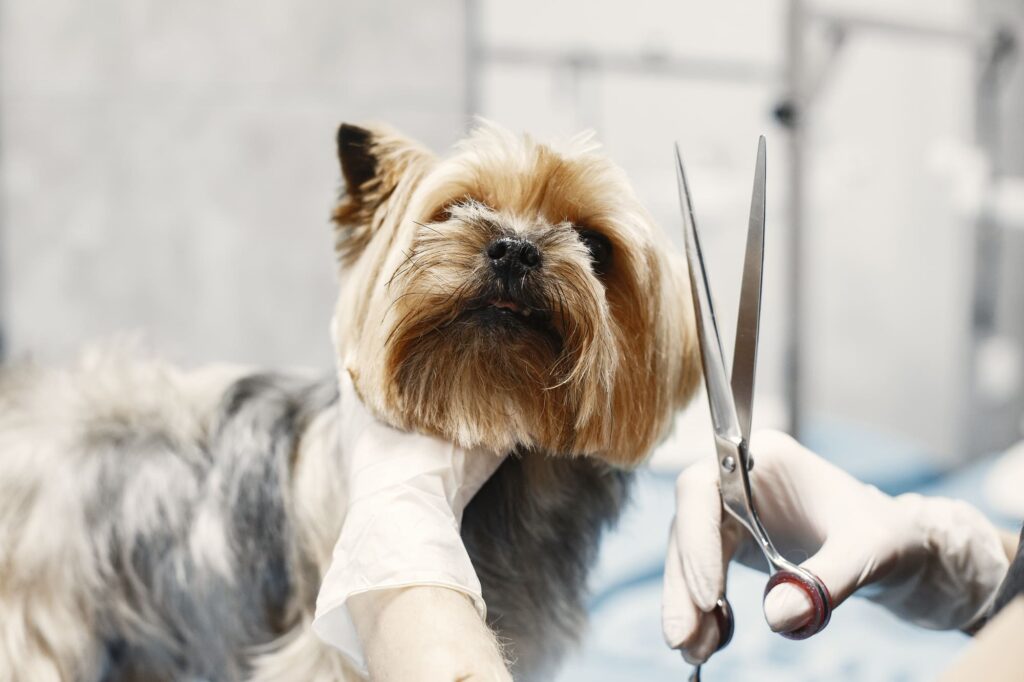
    Seborrhea in dogs isn’t just a cosmetic issue. It’s a medical skin condition that affects how your dog’s skin produces oils and sheds dead skin cells. When left unmanaged, it can lead to infections, discomfort, hair loss, and constant scratching that disrupts your dog’s quality of life.

    The good news? With the right grooming routine and professional care, seborrheic skin conditions can be safely managed. Specialized bathing, gentle handling, and skin-supportive products make a huge difference—especially when done consistently.

    At PetLux, a trusted name in Vancouver pet grooming, we work closely with pet owners to create safe, customized grooming plans for dogs with sensitive and seborrheic skin. Whether you visit our West Vancouver or Downtown Vancouver location, our goal is simple: help your dog feel comfortable, clean, and confident again.


    Seborrheic Skin Grooming Overview (Technical Comparison Table)

    Seborrhea Type Common Symptoms Coat Texture Grooming Frequency Recommended Bath Type Special Handling Needs
    Dry Seborrhea Flaky skin, dandruff, dull coat Brittle, coarse Every 2–4 weeks Moisturizing shampoo Gentle brushing, hydration support
    Oily Seborrhea Greasy coat, strong odor, waxy buildup Sticky, heavy Every 1–3 weeks Degreasing shampoo Thorough rinsing, ear cleaning
    Mixed Seborrhea Flakes + greasy patches Uneven texture Every 2–3 weeks Balanced medicated shampoo Customized product rotation
    Secondary Seborrhea Linked to allergies, infections, hormones Varies Vet-guided schedule Prescription shampoo Extra skin inspections
    Breed-Related Seborrhea Common in Cocker Spaniels, Basset Hounds, Westies Thick, oily Every 2–3 weeks Breed-specific formula Regular coat thinning

    What Is Seborrhea in Dogs?

    Seborrhea is a skin disorder that disrupts the normal production of skin oils and shedding of dead skin cells. It can be:

    • Primary seborrhea – Genetic and breed-related

    • Secondary seborrhea – Caused by allergies, infections, hormonal imbalances, or nutritional issues

    In Vancouver, we frequently see seborrhea flare-ups due to:

    • Seasonal pollen

    • Damp coastal weather

    • Mold exposure

    • Food sensitivities

    • Urban pollution


    Why Professional Grooming Matters for Seborrheic Dogs

    Regular grooming isn’t just about appearance—it’s essential therapy for dogs with skin conditions.

    Professional pet grooming Vancouver services provide:

    • Controlled exfoliation of flaky skin

    • Removal of excess oils and buildup

    • Even distribution of natural coat oils

    • Early detection of infections or sores

    • Relief from itchiness and discomfort

    At PetLux, our professional pet grooming Vancouver team uses skin-safe techniques designed specifically for dogs with chronic skin issues.


    Best Grooming Practices for Seborrheic Dogs

    1. Proper Bathing Frequency

    Over-bathing can worsen dry seborrhea, while under-bathing can trap oils in oily seborrhea.

    General guideline:

    • Dry seborrhea: Every 2–4 weeks

    • Oily seborrhea: Every 1–3 weeks

    • Mixed seborrhea: Every 2–3 weeks

    2. Use Skin-Specific Shampoos

    Not all shampoos are equal. Seborrheic dogs benefit from:

    • Medicated antifungal formulas

    • Moisturizing oatmeal blends

    • Hypoallergenic botanical shampoos

    • Sulfur- or salicylic-acid–based cleansers

    We rotate shampoo types at PetLux to prevent product fatigue and irritation.


    Brushing & Coat Maintenance

    Brushing removes dead skin and distributes oils more evenly.

    Recommended tools:

    • Soft-bristle brushes

    • Rubber curry brushes

    • Wide-tooth combs for thick coats

    Avoid metal slicker brushes on inflamed skin. Our best dog groomers in Vancouver select tools based on coat condition and skin sensitivity.


    Ear & Paw Care for Seborrheic Dogs

    Seborrhea often affects ears and paws.

    Professional grooming includes:

    • Gentle ear cleaning to remove wax buildup

    • Paw pad exfoliation

    • Nail trimming to prevent fungal trapping

    • Fur trimming between paw pads

    This reduces the risk of secondary infections.


    Grooming Tips for Anxious or Senior Dogs

    Dogs with skin discomfort are often sensitive to handling.

    Grooming tips for anxious pets:

    • Calm, quiet grooming spaces

    • Low-heat dryers

    • Shorter grooming sessions

    • Soft handling techniques

    Grooming for senior dogs:

    • Extra joint support

    • Slower brushing pace

    • Non-slip grooming tables

    • Temperature-controlled baths

    Our Downtown Vancouver pet grooming location specializes in gentle grooming for anxious and aging pets.


    Puppy Grooming & Seborrhea

    Some puppies develop seborrhea early in life.

    Puppy first grooming visit Vancouver tips:

    • Introduce grooming gradually

    • Use ultra-mild shampoos

    • Keep sessions short

    • Focus on positive reinforcement

    Early grooming builds lifelong comfort and prevents long-term skin complications.


    How Often Should Dogs Be Groomed with Seborrhea?

    There’s no one-size-fits-all answer, but consistency is key.

    Typical schedule:

    • Light seborrhea: Every 3–4 weeks

    • Moderate seborrhea: Every 2–3 weeks

    • Severe seborrhea: Every 1–2 weeks

    PetLux customizes grooming plans based on coat type, skin severity, and seasonal flare-ups.


    Vancouver Climate & Skin Conditions

    Our West Coast weather plays a big role in skin health.

    Common Vancouver skin triggers:

    • High humidity

    • Rain exposure

    • Mold spores

    • Seasonal allergies

    • Salt air near the waterfront

    That’s why Vancouver pet grooming requires climate-specific care routines—something our PetLux team understands deeply.


    FAQs

    1. Can grooming cure seborrhea in dogs?
    No, but it can manage symptoms, reduce flare-ups, and improve comfort significantly.

    2. Is seborrhea contagious?
    No. It’s a skin condition, not an infection.

    3. Should I groom my dog at home or professionally?
    Professional grooming Vancouver services are safer for seborrheic dogs due to proper tools, shampoos, and skin assessment.

    4. Can cats get seborrhea too?
    Yes. Cat grooming Vancouver services at PetLux also support feline skin conditions.

    5. What signs mean my dog needs urgent grooming care?
    Redness, foul odor, sores, hair loss, or nonstop scratching should be addressed promptly.


    Conclusion + Local Call to Action

    Seborrheic skin conditions don’t have to control your dog’s life. With consistent care, professional grooming, and gentle handling, your pup can enjoy healthier skin and a happier coat.

    At PetLux, we specialize in Vancouver pet grooming for dogs with sensitive and seborrheic skin. Our experienced team uses tailored grooming techniques to ensure your pet feels safe, soothed, and supported every step of the way.

    Whether you’re searching for the best dog groomers in Vancouver or need gentle grooming for a senior dog or anxious pet, we’re here to help.

    📍 PetLux West Vancouver
    1445 Marine Dr, West Vancouver, BC V7T 1B8
    📞 604-926-3020

    📍 PetLux Downtown Vancouver
    650 Pacific St, Vancouver, BC V6Z 0G5
    📞 604-571-9730

    Book your next grooming appointment today and give your dog the skin care they deserve.

  • Managing Seasonal Shedding in Vancouver’s Climate: A Pet Owner’s Guide

    Managing Seasonal Shedding in Vancouver’s Climate: A Pet Owner’s Guide

    If you live in Vancouver, you already know how dramatically the seasons can change. From misty fall mornings to bright summer afternoons, our mild coastal climate affects not just us—but our pets too. One of the most common concerns local pet parents search for is seasonal shedding. Whether it’s fur coating your couch in spring or clumps showing up on your floors in fall, shedding can feel endless.
    The good news? Shedding is completely natural—and with the right grooming routine, it’s manageable. At PetLux, we help dogs and cats across West Vancouver and Downtown Vancouver stay comfortable, healthy, and looking their best year-round. This guide explains why shedding happens, how Vancouver’s weather plays a role, and what you can do at home (and with a professional groomer) to keep it under control.

    We’ll also share expert tips from our professional pet grooming Vancouver team and explain how regular dog grooming Vancouver services can make a huge difference for both you and your pet.


    Seasonal Shedding Patterns in Vancouver

    Season Common Coat Changes Shedding Intensity Grooming Focus Recommended Frequency
    Spring Winter coat loosens High De-shedding, undercoat removal Every 3–5 weeks
    Summer Lighter coat forms Moderate Cooling trims, coat thinning Every 4–6 weeks
    Fall New winter coat grows High Coat conditioning, brushing Every 3–5 weeks
    Winter Dense coat maintained Low–Moderate Skin care, mat prevention Every 6–8 weeks

    Why Pets Shed More in Vancouver

    Vancouver’s climate is mild but highly seasonal, with fluctuating daylight and humidity levels. These environmental changes signal your pet’s body to adjust its coat.

    Daylight Changes

    As days grow longer in spring, pets naturally shed their thick winter coats. In fall, shorter days trigger a new layer of insulation.

    Humidity and Rain

    Moist air can loosen dead hair, causing it to fall out more easily. That’s why shedding often feels worse during Vancouver’s rainy seasons.

    Indoor Living

    Heated homes and artificial lighting can confuse your pet’s natural shedding cycle, leading to more year-round fur loss.


    Signs Your Pet Needs Extra Grooming Support

    Some shedding is normal—but certain signs suggest it’s time to book professional pet grooming Vancouver services:

    • Fur clumps forming on furniture and clothing

    • Matted patches behind ears or under legs

    • Excessive scratching or dry skin

    • Dull or greasy coat

    • Increased hairballs in cats

    Regular grooming helps remove dead hair before it spreads all over your home—and it also improves your pet’s comfort.


    How Professional Grooming Helps Control Shedding

    Many pet owners try to manage shedding with home brushing alone. While that helps, nothing compares to a professional de-shedding treatment.

    Deep Undercoat Removal

    Our groomers use specialized tools designed to remove loose undercoat without damaging the top layer.

    Skin and Coat Health

    Professional bathing and conditioning keep skin hydrated, which reduces excessive hair loss.

    Breed-Specific Trimming

    Different breeds shed differently. From Golden Retrievers to Huskies to long-haired cats, our West Vancouver pet grooming and Downtown Vancouver pet grooming teams tailor each session to your pet’s coat type.

    Early Detection of Skin Issues

    Groomers often notice allergies, parasites, or irritation before they become serious problems.


    At-Home Grooming Tips for Vancouver Pet Owners

    You don’t need to wait for a grooming appointment to manage shedding. A few simple habits can go a long way.

    Brush Regularly

    • Short-haired breeds: 2–3 times per week

    • Long-haired breeds: Daily during peak shedding

    • Cats: 2–4 times per week

    Bathe Strategically

    Too many baths can dry out skin, but occasional bathing with gentle shampoo helps loosen dead fur.

    Improve Diet

    Healthy skin starts with good nutrition. Look for omega-3 and omega-6 fatty acids in your pet’s food.

    Keep Hydration High

    Dry skin sheds more. Make sure fresh water is always available.


    Grooming for Different Life Stages

    Shedding patterns change as pets age. Adjusting your grooming routine ensures long-term coat health.

    Puppy First Grooming Visit Vancouver

    Early grooming helps puppies get comfortable with brushing, bathing, and nail trims. It also sets healthy shedding habits.

    Adult Dogs

    Most adult dogs benefit from regular dog grooming Vancouver sessions every 4–6 weeks.

    Grooming for Senior Dogs

    Older pets may shed more due to slower skin regeneration. Gentle grooming reduces irritation and matting.


    Grooming Tips for Anxious Pets

    Some pets find grooming stressful, especially during heavy shedding seasons.

    • Start with short sessions

    • Use calm, reassuring tones

    • Offer treats and praise

    • Stick to a consistent routine

    • Choose experienced professionals who understand nervous pets

    Our team at PetLux specializes in grooming tips for anxious pets, ensuring a calm and positive experience.


    Cats and Seasonal Shedding

    Cat grooming Vancouver services are just as important as dog grooming. Long-haired cats especially benefit from professional brushing and de-matting.

    Common cat shedding challenges:

    • Hairballs

    • Fur matting

    • Skin irritation

    • Excess fur ingestion

    Regular grooming keeps your cat cleaner, healthier, and more comfortable.


    FAQs About Seasonal Shedding in Vancouver

    1. How often should dogs be groomed in Vancouver?
    Most dogs benefit from grooming every 4–6 weeks, with more frequent visits during spring and fall.

    2. Is shedding worse in Vancouver than other cities?
    Yes, Vancouver’s humidity and seasonal daylight shifts can intensify shedding.

    3. Can grooming reduce allergies at home?
    Absolutely. Removing loose hair and dander helps improve indoor air quality.

    4. Does professional grooming replace home brushing?
    No. They work best together. Home brushing maintains results between visits.

    5. Do indoor pets still shed seasonally?
    Yes. Artificial lighting and heating can cause continuous low-level shedding year-round.


    Why Choose PetLux for Seasonal Grooming?

    PetLux is proud to be one of the best dog groomers in Vancouver, trusted by hundreds of local pet families.

    Here’s what sets us apart:

    • Experienced, certified groomers

    • Gentle handling for anxious and senior pets

    • Customized grooming plans

    • Clean, calm salon environment

    • Two convenient Vancouver-area locations

    Whether you’re dealing with heavy spring shedding or just want a healthier coat year-round, our Vancouver pet grooming team is here to help.


    Conclusion: Keep Shedding Under Control Year-Round

    Seasonal shedding is a natural part of life for Vancouver pets—but it doesn’t have to take over your home. With consistent grooming, proper nutrition, and expert care, your pet’s coat can stay clean, healthy, and manageable no matter the season.

    If you’re ready to reduce shedding and give your pet the professional care they deserve, visit PetLux today.

    📍 PetLux West Vancouver
    1445 Marine Dr, West Vancouver, BC V7T 1B8
    📞 604-926-3020

    📍 PetLux Downtown Vancouver
    650 Pacific St, Vancouver, BC V6Z 0G5
    📞 604-571-9730

    Book your next grooming appointment and experience why so many locals trust PetLux for professional pet grooming Vancouver services.

  • How Groomers Assess Skin Health During Appointments

    How Groomers Assess Skin Health During Appointments

    Introduction

    When you book a grooming appointment for your dog or cat, you’re doing much more than keeping them looking cute and tidy. A professional grooming session is also one of the best opportunities to check on your pet’s skin health — something many pet owners can easily miss at home. In a city like Vancouver, where damp weather, seasonal allergies, and urban pollutants can all affect pets, regular skin assessments are especially important.
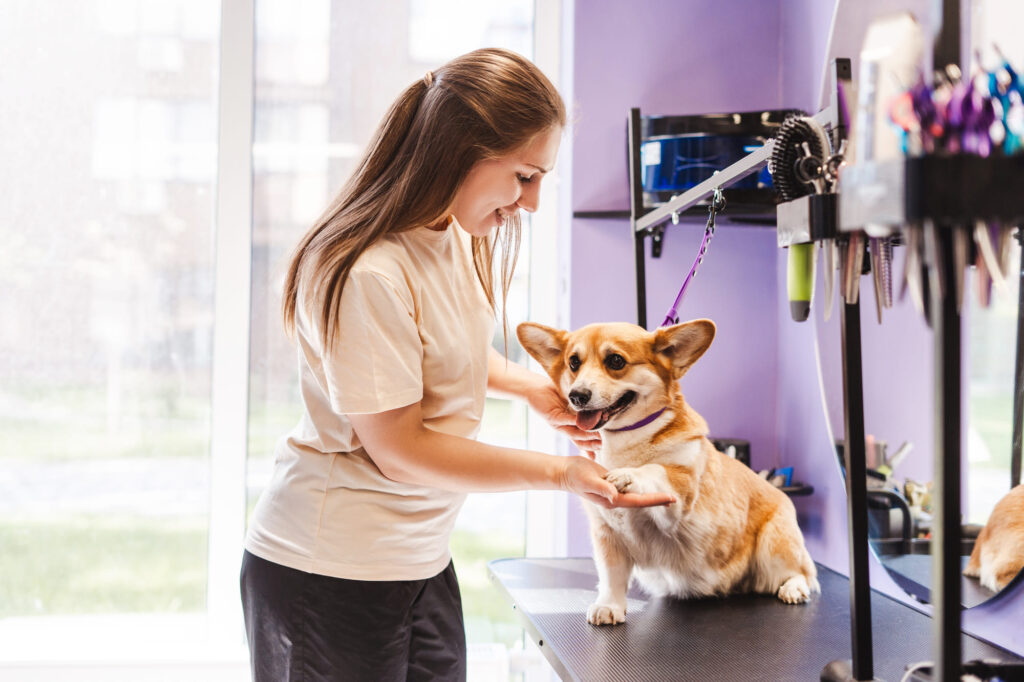
    At PetLux, our team of experienced groomers in West Vancouver and Downtown Vancouver don’t just wash and style pets — we actively monitor for early signs of skin issues that could affect your pet’s comfort, health, and long-term wellbeing. Whether you’re searching for dog grooming Vancouver, cat grooming Vancouver, or professional pet grooming Vancouver, understanding how groomers assess skin health can help you appreciate the true value of routine grooming.

    In this guide, we’ll walk you through exactly what groomers look for, how they assess different skin conditions, and why regular appointments can play a vital role in keeping your furry friend happy and healthy.


    Technical Comparison Table: Groomer Skin Assessments vs. At-Home Checks

    Assessment Area Professional Groomer Check Typical At-Home Check
    Coat & Skin Texture Hands-on evaluation during bathing and brushing Visual inspection only
    Redness & Irritation Identified under wet and dry coat conditions Often missed under thick fur
    Parasites (fleas, mites) Spotted using close-up inspection and specialized tools Hard to detect without grooming tools
    Hot Spots Detected early before hair loss becomes visible Usually noticed only when severe
    Lumps & Bumps Felt during full-body grooming and massage-style brushing Rarely checked thoroughly
    Ear & Paw Skin Cleaned and examined during service Often skipped or rushed
    Seasonal Allergies Monitored across visits for pattern changes Inconsistent tracking
    Hygiene-Related Issues Identified during drying and trimming Limited visibility at home

    Why Skin Health Matters for Pets in Vancouver

    Vancouver’s coastal climate brings unique challenges for pet skin. Frequent rain, humidity, and seasonal allergens can contribute to:

    • Itchy or flaky skin

    • Yeast infections

    • Allergic reactions

    • Matting that traps moisture

    • Bacterial growth in damp coats

    Regular Vancouver pet grooming appointments help reduce these risks while allowing trained professionals to monitor subtle changes that might indicate early health issues.


    How Groomers Examine Your Pet’s Skin

    1. Visual Inspection

    Before any bathing or trimming begins, groomers conduct a visual check of your pet’s coat and exposed skin. This helps them spot:

    • Redness

    • Bald patches

    • Discoloration

    • Scabs or sores

    • Signs of irritation

    In West Vancouver pet grooming and Downtown Vancouver pet grooming salons like PetLux, this first step sets the foundation for the rest of the grooming session.


    2. Hands-On Coat & Skin Evaluation

    As your pet is brushed and bathed, groomers use their hands to feel beneath the fur. This tactile check often reveals:

    • Dry or oily skin

    • Lumps or bumps

    • Sensitivity to touch

    • Changes in skin temperature

    • Hidden sores

    This is one of the biggest advantages of professional pet grooming Vancouver services — groomers can detect issues long before they become visible.


    3. Parasite Detection

    Fleas, ticks, and mites are easier to detect during grooming when fur is parted and washed. Groomers look for:

    • Flea dirt (tiny black specks)

    • Small bite marks

    • Patchy hair loss

    • Persistent scratching

    Early detection helps prevent infestations from spreading and causing discomfort.


    4. Ear & Paw Skin Checks

    Groomers also pay close attention to often-overlooked areas:

    Ears

    • Redness

    • Unusual odor

    • Excess wax buildup

    • Swelling or discharge

    Paws

    • Cracked pads

    • Licking-related irritation

    • Embedded debris

    • Nail bed infections

    These areas are particularly vulnerable in Vancouver’s wet climate.


    5. Monitoring Seasonal Allergy Patterns

    Pets with allergies often show recurring skin symptoms at certain times of the year. Groomers track:

    • Repeated itchiness

    • Seasonal redness

    • Ear inflammation

    • Paw licking

    Over time, this helps groomers and pet owners recognize patterns and adjust grooming schedules or care routines accordingly.


    What Common Skin Issues Groomers Look For

    Professional groomers are trained to recognize early signs of:

    • Hot spots

    • Dry or flaky skin

    • Oily buildup

    • Fungal infections

    • Bacterial irritation

    • Allergic dermatitis

    • Parasite bites

    • Ingrown hairs

    • Matted fur trapping moisture

    Spotting these early helps prevent discomfort and more serious complications.


    How Groomers Support Senior Dogs & Puppies

    Grooming for Senior Dogs

    Older pets are more prone to:

    • Thin or fragile skin

    • Lumps and growths

    • Reduced immune response

    • Increased sensitivity

    Groomers adjust their techniques to be gentler while keeping a close eye on any new skin changes.


    Puppy First Grooming Visit Vancouver

    A puppy’s first grooming session isn’t just about getting used to the process — it’s also an important baseline health check. Groomers assess:

    • Skin texture

    • Coat condition

    • Sensitivity

    • Early signs of allergies

    Early grooming helps establish healthy habits and early detection routines.


    Grooming Tips for Anxious Pets

    Anxiety can affect skin health by increasing scratching and licking. At PetLux, our groomers:

    • Use calming handling techniques

    • Take breaks when needed

    • Offer gentle reassurance

    • Maintain consistent routines

    This reduces stress-related skin flare-ups and ensures a positive grooming experience.


    How Often Should Dogs Be Groomed for Skin Health?

    While every pet is different, most dogs benefit from regular grooming to maintain healthy skin. Groomers often recommend consistent appointments to:

    • Remove dead skin cells

    • Improve circulation

    • Prevent matting

    • Detect problems early

    Cats, especially long-haired breeds, also benefit from routine cat grooming Vancouver services to prevent matting and skin irritation.


    FAQs

    1. Can groomers diagnose skin conditions?
    Groomers can’t provide medical diagnoses, but they can identify early warning signs and recommend veterinary care when needed.

    2. Will my groomer tell me if something looks wrong?
    Yes. At PetLux, we always inform pet owners if we notice anything unusual about their pet’s skin or coat.

    3. Can grooming help with allergies?
    Regular grooming helps remove allergens, pollen, and irritants that collect in fur, supporting better skin comfort.

    4. Is grooming safe for sensitive skin pets?
    Absolutely. Professional groomers adjust products and techniques to suit sensitive or allergy-prone pets.

    5. Do indoor pets still need grooming?
    Yes. Even indoor pets can develop skin issues from dry air, allergies, or poor coat maintenance.


    Conclusion + Local Call to Action

    Your pet’s grooming appointment is more than a beauty session — it’s a vital wellness check. From detecting early skin issues to preventing moisture-related infections common in Vancouver’s climate, professional grooming plays a key role in keeping pets healthy and comfortable.

    If you’re searching for best dog groomers in Vancouver, dog grooming Vancouver, or reliable Vancouver pet grooming, PetLux is here to help. Our expert groomers provide attentive, compassionate care while keeping a close eye on your pet’s skin health during every visit.

    📍 PetLux West Vancouver
    1445 Marine Dr, West Vancouver, BC V7T 1B8
    📞 604-926-3020

    📍 PetLux Downtown Vancouver
    650 Pacific St, Vancouver, BC V6Z 0G5
    📞 604-571-9730

    Book your pet’s next grooming appointment today and experience the PetLux difference — where beauty meets wellness

  • Hypoallergenic Dog Coats: Grooming Requirements Explained

    Hypoallergenic Dog Coats: Grooming Requirements Explained

    Living in Vancouver means enjoying ocean air, forest trails, and plenty of outdoor adventures with your dog. But for many pet owners, allergies can turn that joy into sneezing fits and itchy eyes. If you or someone in your household is sensitive to pet dander, you’ve probably heard about “hypoallergenic” dog breeds. While no dog is truly 100% allergen-free, certain coat types shed less and produce fewer airborne allergens — making them easier to live with when paired with proper grooming.

    Understanding hypoallergenic dog coats and their grooming needs is key to keeping both your pet and your family comfortable. From curly Poodles to silky Maltese coats, each type has its own care routine. And in a climate like Vancouver’s, where moisture and mud are part of daily life, consistent grooming matters even more.

    In this guide, we’ll break down the most common hypoallergenic coat types, explain how often they should be groomed, and share expert tips from professional pet grooming Vancouver specialists. Whether you’re planning your puppy’s first grooming visit Vancouver-style or maintaining a senior dog’s coat, this article will help you make confident, healthy choices for your furry companion.


    Hypoallergenic Dog Coat Comparison Table

    Coat Type Common Breeds Shedding Level Grooming Frequency Special Care Needs Allergy-Friendliness
    Curly Poodle, Bichon Frise Very Low Every 4–6 weeks Regular brushing, professional trims High
    Wavy Labradoodle, Portuguese Water Dog Low Every 6–8 weeks Mat prevention, coat shaping High
    Silky/Single Maltese, Yorkshire Terrier Low Every 4–8 weeks Daily brushing, tear stain care Moderate–High
    Wire Schnauzer, Scottish Terrier Low Every 6–10 weeks Hand-stripping or clipping Moderate
    Hairless/Minimal Chinese Crested Very Low Every 2–4 weeks Skin moisturizing, sun protection High

    What Does “Hypoallergenic” Really Mean?

    Many Vancouver pet owners assume hypoallergenic dogs won’t trigger allergies at all. In reality, allergies are caused by proteins found in dander, saliva, and skin oils — not just fur. Hypoallergenic breeds tend to shed less and trap dander in their coats, reducing how much allergen becomes airborne.

    That’s why grooming plays such a critical role. Without regular brushing, bathing, and trimming, even low-shedding dogs can accumulate allergens in their coat. Professional pet grooming Vancouver services help control this buildup and keep your home environment cleaner.


    Curly Coats: Poodles and Bichon Frises

    Curly coats are some of the most allergy-friendly, but they also require the most maintenance.

    Why they’re great for allergy sufferers:

    • Tight curls trap loose hair and dander

    • Minimal shedding compared to double-coated breeds

    Grooming needs:

    • Brushing at least 3–4 times a week

    • Professional grooming every 4–6 weeks

    • Regular trimming to prevent matting

    In Vancouver’s damp climate, curly coats can mat quickly if left unattended. Scheduling consistent West Vancouver pet grooming or Downtown Vancouver pet grooming appointments helps keep these coats healthy and manageable.


    Wavy Coats: Doodles and Water Dogs

    Wavy-coated dogs like Labradoodles are popular among Vancouver families for good reason.

    Why they’re allergy-friendly:

    • Low to moderate shedding

    • Softer texture that traps dander

    Grooming needs:

    • Brushing 2–3 times a week

    • Professional grooming every 6–8 weeks

    • Regular ear cleaning (moisture can cause infections)

    These coats are prone to hidden mats near the ears and under the legs. A professional pet grooming Vancouver specialist can spot issues early and keep the coat balanced and breathable.


    Silky Single Coats: Maltese and Yorkies

    Silky-coated breeds don’t shed much, but their hair grows continuously like human hair.

    Why they’re allergy-friendly:

    • Minimal shedding

    • Lightweight dander spread

    Grooming needs:

    • Daily brushing to prevent tangles

    • Bathing every 3–4 weeks

    • Professional grooming every 4–8 weeks

    For busy Vancouver professionals, maintaining these coats at home can be tough. Booking routine Downtown Vancouver pet grooming sessions helps keep them polished and mat-free.


    Wire Coats: Schnauzers and Terriers

    Wire-coated dogs have a rough texture that reduces shedding but requires specific grooming techniques.

    Why they’re allergy-friendly:

    • Low shedding

    • Dense coat traps loose hair

    Grooming needs:

    • Weekly brushing

    • Professional grooming every 6–10 weeks

    • Hand-stripping or specialized clipping

    Improper grooming can damage wire coats, so choosing one of the best dog groomers in Vancouver is essential for long-term coat health.


    Hairless and Minimal Coats: Chinese Crested

    These breeds are often considered highly hypoallergenic but still need grooming.

    Why they’re allergy-friendly:

    • Almost no shedding

    • Minimal fur-related dander

    Grooming needs:

    • Regular skin cleansing

    • Moisturizing treatments

    • Sun protection for outdoor walks

    Even without fur, skin oils and allergens still build up. Professional grooming ensures healthy skin and fewer allergy triggers.


    How Often Should Hypoallergenic Dogs Be Groomed?

    One of the most common questions we hear is: how often should dogs be groomed?

    For hypoallergenic breeds:

    • Curly & silky coats: Every 4–6 weeks

    • Wavy coats: Every 6–8 weeks

    • Wire coats: Every 6–10 weeks

    • Hairless breeds: Every 2–4 weeks

    Consistency matters more than coat length. Regular grooming prevents matting, skin irritation, and allergen buildup — especially important in Vancouver’s wet seasons.


    Grooming Tips for Anxious or Senior Dogs

    Some dogs feel stressed during grooming, especially puppies or seniors.

    Helpful tips:

    • Schedule shorter, more frequent grooming sessions

    • Use calm, reassuring handling

    • Stick to the same groomer for familiarity

    • Ask about grooming for senior dogs services

    At PetLux, we specialize in grooming tips for anxious pets and tailor our approach to each dog’s comfort level.


    Puppy First Grooming Visit in Vancouver

    Introducing grooming early builds lifelong comfort.

    What to expect:

    • Gentle bathing and brushing

    • Light trimming around eyes and paws

    • Nail and ear care

    • Positive reinforcement

    A positive puppy first grooming visit Vancouver-style helps your dog associate grooming with calm, safe experiences.


    FAQs

    1. Are hypoallergenic dogs completely allergy-free?
    No dog is 100% allergy-free. Hypoallergenic breeds simply shed less and produce fewer airborne allergens.

    2. Can grooming reduce pet allergies?
    Yes. Regular professional grooming removes dander, saliva residue, and loose hair that trigger allergies.

    3. How often should dogs be groomed in Vancouver’s climate?
    Most hypoallergenic dogs benefit from grooming every 4–8 weeks due to moisture, mud, and seasonal shedding.

    4. Is cat grooming Vancouver services helpful for allergies too?
    Absolutely. Cats produce allergens as well, and regular grooming reduces airborne dander.

    5. Should I use mobile pet grooming Vancouver services?
    Mobile grooming can be helpful for anxious pets or busy owners, but in-salon services offer more specialized equipment and care.


    Conclusion: Expert Hypoallergenic Grooming in Vancouver

    Choosing a hypoallergenic dog is only the first step toward an allergy-friendly home. Proper grooming is what truly makes the difference. With the right schedule, professional care, and breed-specific techniques, your dog’s coat can stay healthy, clean, and comfortable year-round.

    At PetLux, we’re proud to be among the best dog groomers in Vancouver, offering gentle, expert care for all coat types. Whether you’re looking for West Vancouver pet grooming or Downtown Vancouver pet grooming, our experienced team is here to help.

    📍 PetLux West Vancouver
    1445 Marine Dr, West Vancouver, BC V7T 1B8
    📞 604-926-3020

    📍 PetLux Downtown Vancouver
    650 Pacific St, Vancouver, BC V6Z 0G5
    📞 604-571-9730

    Book your next professional pet grooming Vancouver appointment today and give your hypoallergenic dog the healthy, beautiful coat they deserve.