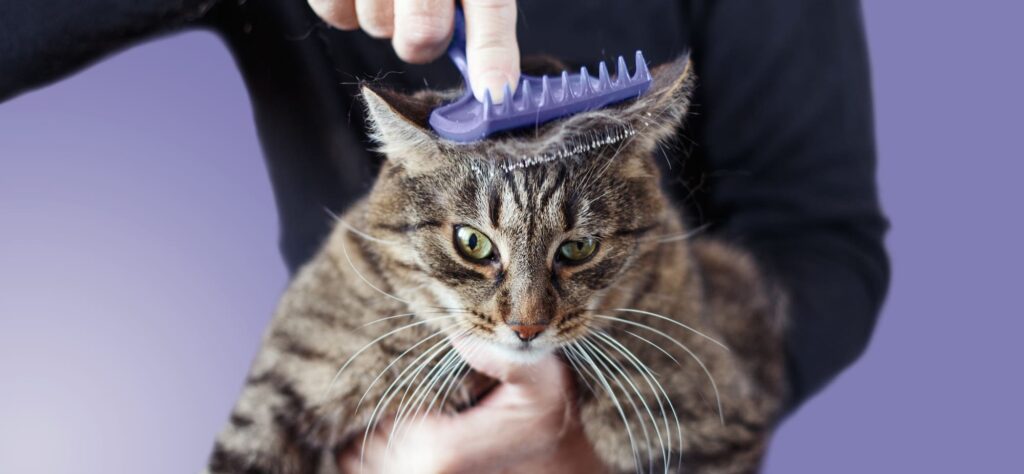
Tag: grooming for senior cats

  • Understanding Feline Stress Signals During Grooming

    Understanding Feline Stress Signals During Grooming

    Introduction

    If you’re a cat parent in Vancouver, you already know that grooming time can be a mixed experience. Some cats love the attention, while others become tense the moment a brush or clipper appears. Understanding feline stress signals during grooming isn’t just about making the process easier—it’s about keeping your cat safe, comfortable, and emotionally well.
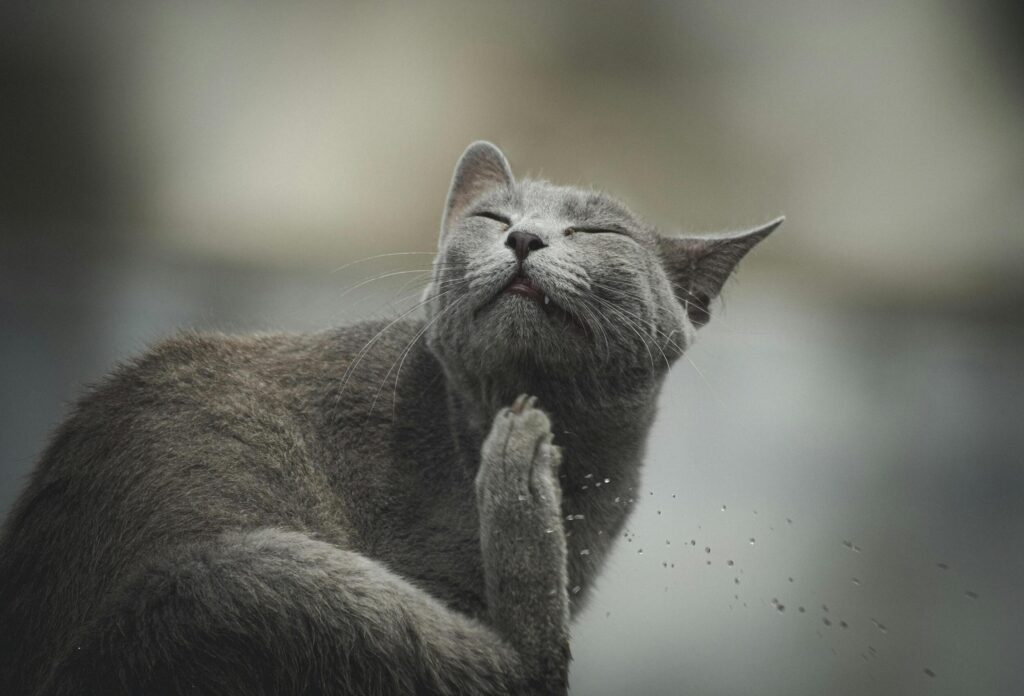
    In busy urban environments like Downtown Vancouver and West Vancouver, cats are often exposed to new sounds, smells, and routines that can heighten anxiety. Add grooming into the mix, and even a usually calm cat might start sending subtle signals of distress. The challenge is that many of these signals are easy to miss if you don’t know what to look for.

    At PetLux, our professional groomers work daily with cats of all temperaments. We’ve learned that recognizing early stress cues—and responding properly—can transform grooming from a stressful event into a positive, trust-building experience. Whether you groom at home or rely on professional pet grooming in Vancouver, this guide will help you read your cat’s body language and make informed, compassionate choices.


    Technical Comparison Table: Common Feline Stress Signals During Grooming

    Stress Signal What It Looks Like What It Means Groomer Response
    Flattened ears Ears pinned back against head Fear or irritation Pause grooming, reduce noise and touch
    Swishing or thumping tail Fast, sharp tail movements Agitation or overstimulation Stop brushing, give cat a short break
    Dilated pupils Very wide, dark pupils High anxiety or fear Dim lights, speak softly, slow movements
    Low growling or hissing Vocal warnings Defensive or overwhelmed End session briefly, reassess approach
    Body tensing Rigid posture, crouching Preparing to flee or lash out Create space, offer reassurance
    Excessive grooming Licking or biting self repeatedly Self-soothing due to stress Reduce stimulation, comfort the cat

    Why Cats Get Stressed During Grooming

    Cats are naturally sensitive creatures. Grooming introduces unfamiliar sensations—buzzing clippers, water spray, or firm brushing—that can trigger their instinctual fight-or-flight response.

    In Vancouver homes and grooming salons alike, common stress triggers include:

    • Loud dryers or street noise

    • Being handled in unfamiliar ways

    • Strong scents from shampoos

    • Separation from their owner

    • Previous negative grooming experiences

    For senior cats or those with arthritis, even gentle brushing can cause discomfort. This is why professional pet grooming in Vancouver requires specialized training in feline behavior and handling techniques.


    Subtle Signs Many Cat Owners Miss

    Not all stress signals are dramatic. Some cats express discomfort quietly, and these early signs are often overlooked.

    Watch for:

    • Slow blinking followed by sudden withdrawal

    • Ears rotating sideways instead of fully flattened

    • A stiff tail held low instead of swishing

    • Increased shedding or dandruff after grooming

    • Sudden avoidance of grooming tools

    Catching these early cues allows you—or your groomer—to adjust techniques before stress escalates into scratching or biting.


    How Professional Groomers Reduce Feline Stress

    At PetLux, we use fear-free grooming principles designed specifically for cats.

    Our approach includes:

    • Low-noise equipment to minimize auditory stress

    • Gentle handling techniques to maintain a sense of control

    • Short grooming sessions with frequent breaks

    • Calming scents and pheromone diffusers

    • Positive reinforcement using treats and soothing voices

    This is why many Vancouver pet grooming clients notice a dramatic improvement in their cat’s behavior after switching to a professional environment that prioritizes emotional well-being.


    At-Home Grooming Tips for Anxious Cats

    If you groom your cat at home between professional visits, these tips can help:

    • Choose a quiet room away from distractions

    • Groom in short sessions (5–10 minutes)

    • Let your cat sniff tools before using them

    • Use slow, predictable movements

    • Reward calm behavior with treats or affection

    • Stop immediately if stress signals appear

    Consistency is key. Over time, your cat can learn that grooming is safe and even enjoyable.


    When to Seek Professional Help

    Some cats experience severe grooming anxiety that requires expert care. You should consider professional cat grooming in Vancouver if:

    • Your cat becomes aggressive during grooming

    • Mats or tangles cause pain

    • Your cat has mobility issues or sensitive skin

    • You feel unsafe handling grooming tools

    • Stress symptoms worsen over time

    Professional groomers are trained to manage these situations safely and compassionately, reducing risk for both you and your pet.


    Why Vancouver Cat Owners Trust PetLux

    PetLux is known for combining technical grooming expertise with behavioral awareness. Our groomers understand that feline grooming isn’t just about appearance—it’s about mental comfort and trust.

    We proudly serve:

    • West Vancouver pet grooming clients

    • Downtown Vancouver pet grooming clients

    • Cat owners seeking gentle, professional care

    • Pet parents searching for the best dog groomers in Vancouver who also specialize in cats

    Our personalized approach makes grooming a positive experience for even the most sensitive felines.


    FAQs

    1. How can I tell if my cat is stressed during grooming?
    Look for flattened ears, tail swishing, dilated pupils, and body tension. These signals indicate discomfort or fear.

    2. Is professional grooming better for anxious cats?
    Yes. Professional pet grooming in Vancouver offers trained handling techniques and calming environments designed to reduce stress.

    3. How often should cats be groomed?
    This depends on coat length, shedding levels, and lifestyle. Long-haired cats usually require more frequent grooming.

    4. Can grooming stress cause health problems?
    Chronic stress can weaken the immune system and increase behavioral issues. Gentle grooming helps prevent long-term effects.

    5. What should I do if my cat becomes aggressive during grooming?
    Stop immediately, give your cat space, and consider booking a professional grooming session for safer handling.


    Conclusion + Local Call to Action

    Understanding feline stress signals during grooming is one of the most important skills a cat owner can develop. By learning to recognize subtle cues and responding with patience, you can protect your cat’s emotional health while maintaining a clean, healthy coat.

    If you’re looking for gentle, professional cat grooming in Vancouver, PetLux is here to help. Our experienced groomers specialize in stress-free grooming for cats of all temperaments.

    📍 PetLux West Vancouver
    1445 Marine Dr, West Vancouver, BC V7T 1B8
    📞 604-926-3020

    📍 PetLux Downtown Vancouver
    650 Pacific St, Vancouver, BC V6Z 0G5
    📞 604-571-9730

    Book your appointment today and give your cat the calm, compassionate grooming experience they deserve.

  • Managing Matting in Long-Haired Cats

    Managing Matting in Long-Haired Cats

    A Vancouver Pet Owner’s Guide to Healthy, Tangle-Free Fur

    If you share your home with a long-haired cat in Vancouver, you already know how beautiful their coats can be—and how challenging they are to maintain. From Maine Coons and Ragdolls to Persians and Himalayan mixes, long-haired cats are prone to matting, especially in our coastal climate where moisture, shedding cycles, and indoor heating can dry out the coat.
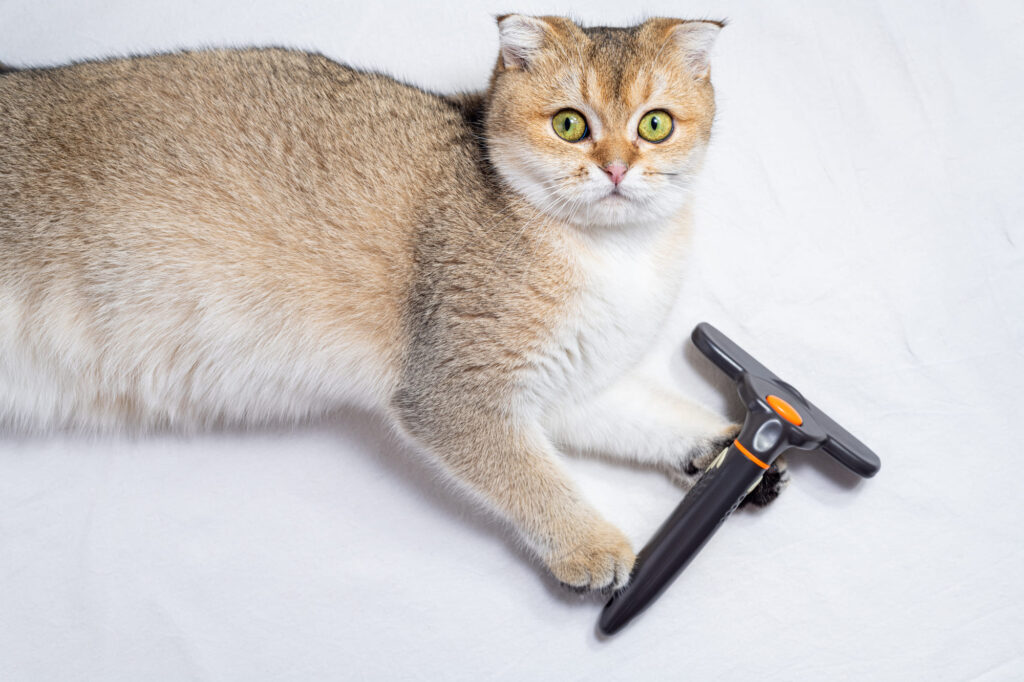
    Matting isn’t just a cosmetic issue. Tight knots can pull painfully on the skin, trap moisture and bacteria, restrict airflow, and even hide sores or parasites. Left unmanaged, mats can lead to skin infections, behavioral changes, and serious discomfort.

    That’s why proactive grooming—both at home and with professional pet grooming in Vancouver—is essential. In this guide, we’ll walk you through what causes matting, how to prevent it, when it becomes a health concern, and how professional cat grooming in Vancouver can help keep your feline companion comfortable, healthy, and looking their best.


    Common Coat Conditions in Long-Haired Cats

    Coat Condition Description Risk Level Recommended Action
    Light Tangles Small knots forming in soft fur areas Low Daily brushing, detangling spray
    Moderate Matting Dense knots near armpits, belly, or collar Medium Professional grooming assistance
    Severe Matting Tight mats pulling skin and trapping debris High Veterinary-safe shaving & coat reset
    Oily or Greasy Fur Build-up from poor grooming or diet Medium Deep cleaning + grooming schedule
    Dry or Brittle Coat Often due to low humidity or nutrition Low-Medium Conditioning treatment + brushing plan

    What Causes Matting in Long-Haired Cats?

    Matting doesn’t happen overnight. It’s usually the result of several small issues adding up over time.

    1. Shedding Cycles

    Cats shed seasonally, and loose fur can tangle into mats if not brushed out regularly—especially during spring and fall.

    2. Moisture & Humidity

    Vancouver’s coastal humidity can cause fur to clump together more easily, particularly in dense undercoats.

    3. Friction Areas

    Mats form most often where there’s movement or rubbing:

    • Behind the ears

    • Under the chin

    • In the armpits

    • Along the belly

    • Around the hindquarters

    4. Reduced Self-Grooming

    Senior cats, overweight cats, or cats with arthritis may struggle to groom themselves effectively.

    5. Stress or Anxiety

    Anxious or shy cats may avoid grooming or resist brushing, leading to faster mat buildup.


    Why Matting Is a Health Concern (Not Just a Cosmetic One)

    Many pet owners underestimate how painful and dangerous matting can be.

    Mats can:

    • Pull tightly on the skin, causing inflammation

    • Trap moisture, leading to bacterial or fungal infections

    • Restrict airflow, overheating the skin

    • Hide cuts, sores, or parasites

    • Limit movement, especially near joints

    • Trigger aggression or fear due to discomfort

    For these reasons, professional cat grooming in Vancouver isn’t just about appearance—it’s about your cat’s health and wellbeing.


    How to Prevent Matting at Home

    You don’t need a full grooming salon at home, but consistency is key.

    Daily or Near-Daily Brushing

    Use a wide-tooth metal comb followed by a slicker brush. Always brush gently from the tips inward.

    Focus on High-Risk Areas

    Spend extra time on:

    • Armpits

    • Belly

    • Behind the ears

    • Collar line

    Use Detangling Sprays

    Pet-safe detangling sprays can reduce friction and make brushing more comfortable.

    Keep a Grooming Routine

    Short, calm sessions (5–10 minutes) work better than long stressful ones.

    Watch for Behavior Changes

    If your cat starts hiding, growling, or avoiding touch, mats may already be painful.


    When Home Grooming Isn’t Enough

    Some mats simply shouldn’t be removed at home. Trying to cut tight mats with scissors can result in serious injuries because cat skin is extremely thin and elastic.

    Signs It’s Time for Professional Help:

    • Mats feel hard or tight to the skin

    • Your cat reacts aggressively when touched

    • The fur smells musty or looks oily

    • You can’t separate the mat with your fingers

    • The mat is near sensitive areas (groin, neck, armpits)

    Professional pet grooming in Vancouver ensures mats are removed safely using proper tools, techniques, and stress-reduction handling.


    What Happens During a Professional Cat Dematting Session?

    At PetLux, we take a gentle, feline-focused approach to grooming.

    1. Coat Assessment

    Your groomer evaluates the severity of matting and your cat’s temperament.

    2. Controlled Dematting or Clipping

    Depending on the condition:

    • Light mats are brushed out safely

    • Moderate mats are loosened with professional tools

    • Severe mats are shaved using veterinary-safe clippers

    3. Skin Health Check

    We check for redness, irritation, sores, or parasites under the mats.

    4. Coat Reset

    After dematting, we apply conditioning treatments and reshape the coat for easier future maintenance.

    5. Preventative Guidance

    You’ll receive personalized grooming tips to reduce future matting at home.


    Special Considerations for Senior & Anxious Cats

    Grooming for Senior Cats

    Older cats are more prone to matting due to reduced flexibility and arthritis. They benefit from:

    • Shorter grooming sessions

    • More frequent maintenance

    • Gentle handling

    • Professional coat resets

    Grooming Tips for Anxious Pets

    Nervous cats need a calm environment and experienced handlers. A professional grooming salon offers:

    • Quiet grooming areas

    • Slow introduction to tools

    • Low-stress restraint techniques

    • Familiar routines


    FAQs: Managing Matting in Long-Haired Cats

    1. How often should I brush my long-haired cat?
    Daily brushing is ideal. At minimum, brush 3–4 times per week to prevent tangles.

    2. Can I cut mats out at home?
    It’s risky. Tight mats should be handled by professional groomers to avoid skin injuries.

    3. Does shaving harm my cat’s coat?
    No. A professional shave resets the coat and improves comfort. The fur grows back normally.

    4. Are certain breeds more prone to matting?
    Yes. Persians, Ragdolls, Maine Coons, and Himalayans mat more easily due to dense undercoats.

    5. How can professional grooming help long-term?
    Regular grooming reduces shedding, improves skin health, and prevents painful mat buildup.


    Conclusion: Keep Your Cat Comfortable, Healthy & Mat-Free

    Managing matting in long-haired cats isn’t just about looks—it’s about comfort, hygiene, and long-term health. With Vancouver’s climate and indoor lifestyles, even well-groomed cats need regular maintenance and professional support.

    Whether your cat needs light dematting, a full coat reset, or a gentle grooming routine tailored to anxious or senior pets, PetLux offers expert cat grooming in Vancouver with care you can trust.

    📍 PetLux West Vancouver
    1445 Marine Dr, West Vancouver, BC V7T 1B8
    📞 604-926-3020

    📍 PetLux Downtown Vancouver
    650 Pacific St, Vancouver, BC V6Z 0G5
    📞 604-571-9730

    Book a professional grooming session today and give your long-haired cat the comfort they deserve.

  • Cat Grooming Explained: Managing Feline Stress Responses

    Cat Grooming Explained: Managing Feline Stress Responses

    Introduction

    If you’re a cat parent in Vancouver, you already know how sensitive our feline friends can be—especially when it comes to grooming. From the hum of clippers to unfamiliar scents and handling, even the calmest cat can feel overwhelmed during a grooming session. Yet regular grooming is essential for your cat’s health, comfort, and overall wellbeing.

    Understanding feline stress responses is the key to making grooming a positive experience instead of a battle. Whether you’re brushing at home or booking professional pet grooming Vancouver services, knowing what your cat is feeling—and why—can help reduce anxiety and improve outcomes. At PetLux, we work with cats of all temperaments every day, from playful kittens in Downtown Vancouver to senior cats in West Vancouver who need gentle, specialized care.

    In this guide, we’ll explain how cats experience stress during grooming, how to recognize early warning signs, and what you can do to keep your cat calm and safe. We’ll also share how professional cat grooming Vancouver services can support anxious pets with low-stress handling techniques and a peaceful environment tailored for feline comfort.


    Technical Comparison Table: Common Feline Stress Responses During Grooming

    Stress Signal What It Looks Like What It Means Recommended Response
    Flattened ears Ears pinned back against the head Fear or irritation Pause grooming, give space
    Tail flicking Rapid or forceful tail movements Rising agitation Slow down, switch to gentle strokes
    Growling or hissing Vocal warnings Defensive stress response Stop immediately, calm environment
    Dilated pupils Large, dark pupils Heightened anxiety or overstimulation Reduce stimulation, speak softly
    Sudden biting or swatting Aggressive reaction Over-threshold stress End session, allow cool-down time

    Why Cats Get Stressed During Grooming

    Cats are creatures of habit. Any change to their routine, environment, or physical handling can trigger a stress response. Grooming involves close contact, unfamiliar tools, and sensations they can’t always predict.

    Common stress triggers include:

    • Loud noises like dryers or clippers

    • Being restrained or lifted unexpectedly

    • Sensitive areas such as the belly, tail, or paws

    • Previous negative grooming experiences

    • Underlying pain or skin conditions

    For many cats, stress isn’t about the grooming itself—it’s about feeling out of control. This is why professional pet grooming Vancouver providers use calm handling techniques and structured routines to help cats feel safe.


    Signs Your Cat Is Feeling Anxious

    Recognizing stress early can prevent grooming sessions from escalating into fear-based behavior. Cats rarely go from calm to aggressive without warning—they give subtle signals first.

    Watch for:

    • Ears rotating backward

    • Whiskers pulled flat against the face

    • Rapid breathing

    • Excessive grooming or freezing in place

    • Low growls or soft yowls

    If you notice these signs, pause the grooming session and allow your cat to relax before continuing. Short, positive sessions are far more effective than forcing a full groom all at once.


    How Professional Cat Grooming Helps Reduce Stress

    Many Vancouver pet owners assume grooming at home is less stressful—but for some cats, a professional setting actually provides better results.

    Here’s why professional cat grooming Vancouver services can be beneficial:

    • Experienced Handling
      Trained groomers understand feline body language and know when to pause or adjust their technique.

    • Specialized Tools
      Professional grooming equipment is quieter, gentler, and designed to minimize pulling or discomfort.

    • Calm Environment
      Dedicated grooming spaces reduce noise, visual distractions, and environmental stressors.

    • Efficient Sessions
      A skilled groomer can complete grooming faster, reducing total stress exposure.

    At PetLux, we tailor every grooming session to your cat’s personality, coat type, and tolerance level—whether they’re a relaxed longhair or an anxious rescue cat.


    Grooming Tips for Anxious Cats at Home

    If your cat becomes stressed easily, try these low-stress grooming strategies:

    Start Small

    Begin with just a few minutes of brushing at a time. Gradually increase session length as your cat becomes more comfortable.

    Use Positive Reinforcement

    Reward calm behavior with treats, gentle praise, or a favorite toy.

    Pick the Right Time

    Groom when your cat is naturally relaxed—after a meal or play session works well.

    Choose Gentle Tools

    Soft brushes, rubber grooming gloves, and quiet clippers reduce sensory overload.

    Create a Routine

    Consistency helps cats feel secure. Groom at the same time and place each session.

    These techniques also support grooming for senior cats and kittens who may be more sensitive to touch.


    Special Considerations for Senior Cats and Kittens

    Grooming for Senior Cats

    Older cats often struggle with self-grooming due to arthritis, weight changes, or reduced flexibility. They may also have thinner skin and heightened sensitivity.

    Tips:

    • Use ultra-soft brushes

    • Avoid excessive pressure

    • Focus on high-mat areas like underarms and behind ears

    • Keep sessions short and gentle

    Puppy First Grooming Visit Vancouver — But for Cats!

    While the phrase is often used for dogs, the same concept applies to kittens. Early exposure to grooming helps kittens develop lifelong tolerance.

    Start with:

    • Light brushing

    • Gentle paw handling

    • Calm, quiet environments

    • Positive reinforcement

    Early grooming builds trust and prevents future stress.


    How Often Should Cats Be Groomed?

    The answer depends on coat type, age, and lifestyle.

    General guidelines:

    • Short-haired cats: Light brushing 1–2 times per week

    • Long-haired cats: Daily brushing or professional grooming every 4–8 weeks

    • Senior cats: Gentle grooming as needed

    • Indoor cats: Less frequent grooming but regular coat checks

    • Outdoor cats: More frequent grooming to remove debris and parasites

    If you’re unsure, a professional pet grooming Vancouver provider can assess your cat’s needs.


    Why Vancouver Cats Need Extra Grooming Care

    Living in Vancouver brings unique environmental challenges for cats:

    • Higher humidity contributes to matting

    • Seasonal shedding increases coat buildup

    • Pollen and outdoor debris stick to fur

    • Urban noise raises baseline stress levels

    That’s why cat grooming Vancouver services are more than cosmetic—they’re preventative care.


    FAQs

    1. Is professional cat grooming safe for anxious cats?
    Yes. Experienced groomers use low-stress techniques and monitor feline body language throughout the session.

    2. Can grooming reduce shedding?
    Absolutely. Regular brushing removes loose fur and prevents matting.

    3. What if my cat hates water?
    Many grooming services use dry grooming or waterless shampoos when appropriate.

    4. How long does a grooming session take?
    It depends on coat type and temperament, but sessions are kept as short and efficient as possible.

    5. Do long-haired cats need professional grooming?
    Yes. Long coats mat easily and benefit from regular trimming and detangling.


    Conclusion + Local Call to Action

    Understanding feline stress responses transforms grooming from a struggle into a supportive wellness routine. Whether your cat is shy, senior, or simply sensitive, professional grooming offers expert care, calm handling, and long-term coat health benefits.

    If you’re searching for trusted cat grooming Vancouver services, PetLux is here to help. Our experienced groomers provide gentle, customized care for cats of all temperaments in a calm, welcoming environment.

    📍 PetLux West Vancouver
    1445 Marine Dr, West Vancouver, BC V7T 1B8
    📞 604-926-3020

    📍 PetLux Downtown Vancouver
    650 Pacific St, Vancouver, BC V6Z 0G5
    📞 604-571-9730

    Book your cat’s stress-free grooming session today and give them the care they deserve.