Tag: Downtown Vancouver pet grooming

  • Understanding Feline Stress Signals During Grooming

    Understanding Feline Stress Signals During Grooming

    Introduction

    If you’re a cat parent in Vancouver, you already know that grooming time can be a mixed experience. Some cats love the attention, while others become tense the moment a brush or clipper appears. Understanding feline stress signals during grooming isn’t just about making the process easier—it’s about keeping your cat safe, comfortable, and emotionally well.

    In busy urban environments like Downtown Vancouver and West Vancouver, cats are often exposed to new sounds, smells, and routines that can heighten anxiety. Add grooming into the mix, and even a usually calm cat might start sending subtle signals of distress. The challenge is that many of these signals are easy to miss if you don’t know what to look for.

    At PetLux, our professional groomers work daily with cats of all temperaments. We’ve learned that recognizing early stress cues—and responding properly—can transform grooming from a stressful event into a positive, trust-building experience. Whether you groom at home or rely on professional pet grooming in Vancouver, this guide will help you read your cat’s body language and make informed, compassionate choices.


    Technical Comparison Table: Common Feline Stress Signals During Grooming

    Stress Signal What It Looks Like What It Means Groomer Response
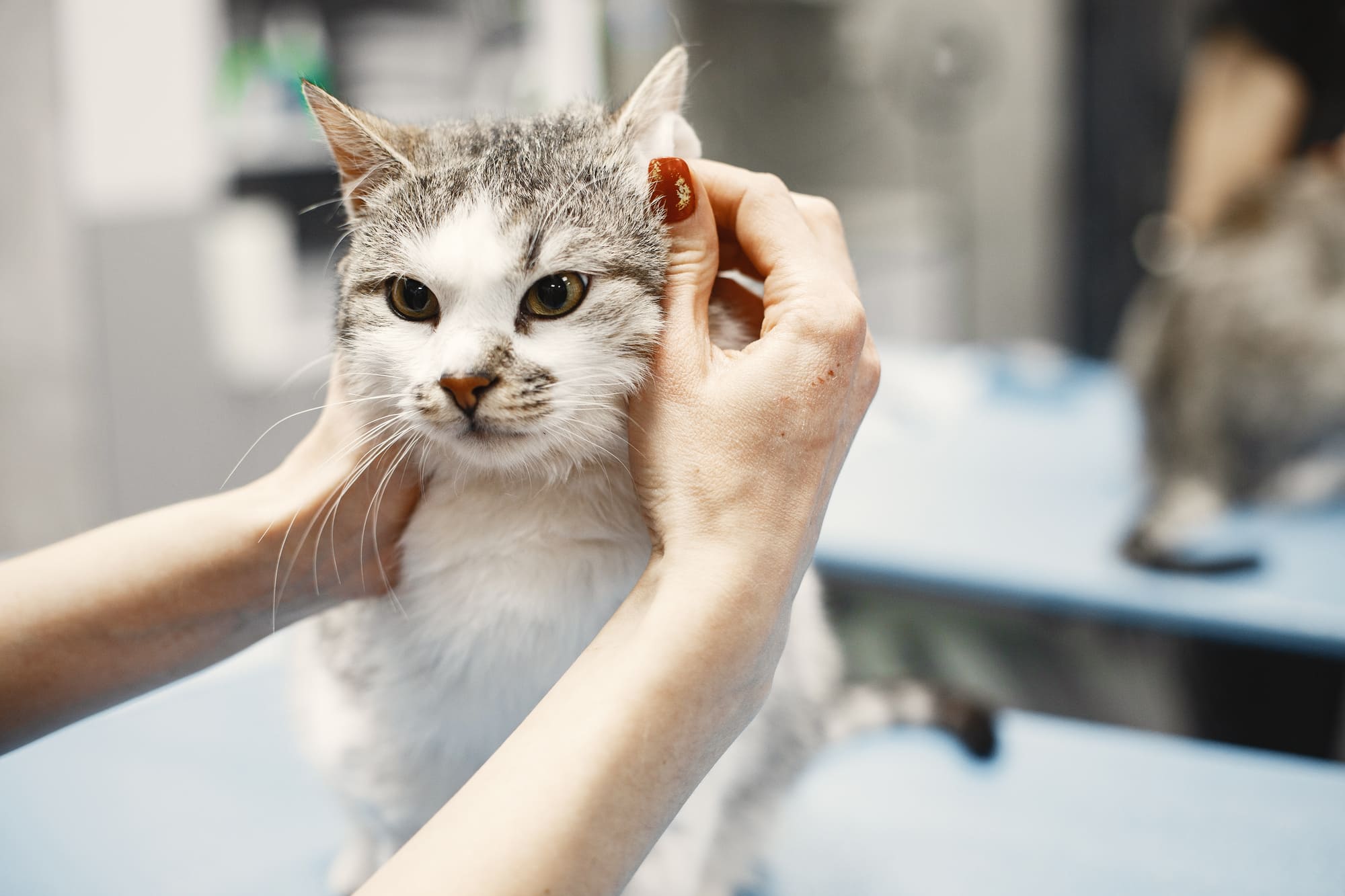
    Flattened ears Ears pinned back against head Fear or irritation Pause grooming, reduce noise and touch
    Swishing or thumping tail Fast, sharp tail movements Agitation or overstimulation Stop brushing, give cat a short break
    Dilated pupils Very wide, dark pupils High anxiety or fear Dim lights, speak softly, slow movements
    Low growling or hissing Vocal warnings Defensive or overwhelmed End session briefly, reassess approach
    Body tensing Rigid posture, crouching Preparing to flee or lash out Create space, offer reassurance
    Excessive grooming Licking or biting self repeatedly Self-soothing due to stress Reduce stimulation, comfort the cat

    Why Cats Get Stressed During Grooming

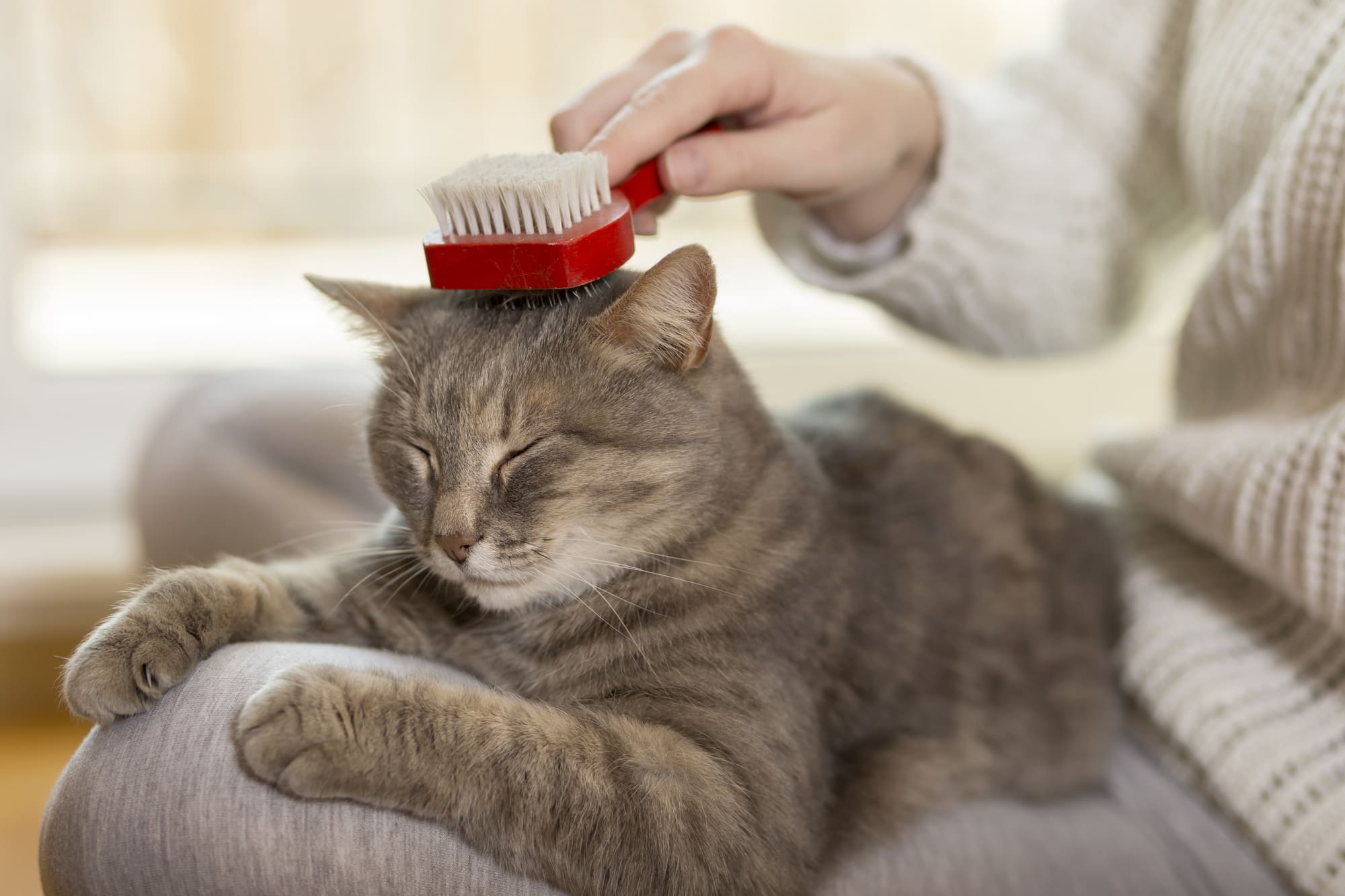
    Cats are naturally sensitive creatures. Grooming introduces unfamiliar sensations—buzzing clippers, water spray, or firm brushing—that can trigger their instinctual fight-or-flight response.

    In Vancouver homes and grooming salons alike, common stress triggers include:

    • Loud dryers or street noise

    • Being handled in unfamiliar ways

    • Strong scents from shampoos

    • Separation from their owner

    • Previous negative grooming experiences

    For senior cats or those with arthritis, even gentle brushing can cause discomfort. This is why professional pet grooming in Vancouver requires specialized training in feline behavior and handling techniques.


    Subtle Signs Many Cat Owners Miss

    Not all stress signals are dramatic. Some cats express discomfort quietly, and these early signs are often overlooked.

    Watch for:

    • Slow blinking followed by sudden withdrawal

    • Ears rotating sideways instead of fully flattened

    • A stiff tail held low instead of swishing

    • Increased shedding or dandruff after grooming

    • Sudden avoidance of grooming tools

    Catching these early cues allows you—or your groomer—to adjust techniques before stress escalates into scratching or biting.


    How Professional Groomers Reduce Feline Stress

    At PetLux, we use fear-free grooming principles designed specifically for cats.

    Our approach includes:

    • Low-noise equipment to minimize auditory stress

    • Gentle handling techniques to maintain a sense of control

    • Short grooming sessions with frequent breaks

    • Calming scents and pheromone diffusers

    • Positive reinforcement using treats and soothing voices

    This is why many Vancouver pet grooming clients notice a dramatic improvement in their cat’s behavior after switching to a professional environment that prioritizes emotional well-being.


    At-Home Grooming Tips for Anxious Cats

    If you groom your cat at home between professional visits, these tips can help:

    • Choose a quiet room away from distractions

    • Groom in short sessions (5–10 minutes)

    • Let your cat sniff tools before using them

    • Use slow, predictable movements

    • Reward calm behavior with treats or affection

    • Stop immediately if stress signals appear

    Consistency is key. Over time, your cat can learn that grooming is safe and even enjoyable.


    When to Seek Professional Help

    Some cats experience severe grooming anxiety that requires expert care. You should consider professional cat grooming in Vancouver if:

    • Your cat becomes aggressive during grooming

    • Mats or tangles cause pain

    • Your cat has mobility issues or sensitive skin

    • You feel unsafe handling grooming tools

    • Stress symptoms worsen over time

    Professional groomers are trained to manage these situations safely and compassionately, reducing risk for both you and your pet.


    Why Vancouver Cat Owners Trust PetLux

    PetLux is known for combining technical grooming expertise with behavioral awareness. Our groomers understand that feline grooming isn’t just about appearance—it’s about mental comfort and trust.

    We proudly serve:

    • West Vancouver pet grooming clients

    • Downtown Vancouver pet grooming clients

    • Cat owners seeking gentle, professional care

    • Pet parents searching for the best dog groomers in Vancouver who also specialize in cats

    Our personalized approach makes grooming a positive experience for even the most sensitive felines.


    FAQs

    1. How can I tell if my cat is stressed during grooming?
    Look for flattened ears, tail swishing, dilated pupils, and body tension. These signals indicate discomfort or fear.

    2. Is professional grooming better for anxious cats?
    Yes. Professional pet grooming in Vancouver offers trained handling techniques and calming environments designed to reduce stress.

    3. How often should cats be groomed?
    This depends on coat length, shedding levels, and lifestyle. Long-haired cats usually require more frequent grooming.

    4. Can grooming stress cause health problems?
    Chronic stress can weaken the immune system and increase behavioral issues. Gentle grooming helps prevent long-term effects.

    5. What should I do if my cat becomes aggressive during grooming?
    Stop immediately, give your cat space, and consider booking a professional grooming session for safer handling.


    Conclusion + Local Call to Action

    Understanding feline stress signals during grooming is one of the most important skills a cat owner can develop. By learning to recognize subtle cues and responding with patience, you can protect your cat’s emotional health while maintaining a clean, healthy coat.

    If you’re looking for gentle, professional cat grooming in Vancouver, PetLux is here to help. Our experienced groomers specialize in stress-free grooming for cats of all temperaments.

    📍 PetLux West Vancouver
    1445 Marine Dr, West Vancouver, BC V7T 1B8
    📞 604-926-3020

    📍 PetLux Downtown Vancouver
    650 Pacific St, Vancouver, BC V6Z 0G5
    📞 604-571-9730

    Book your appointment today and give your cat the calm, compassionate grooming experience they deserve.

  • Managing Matting in Long-Haired Cats

    Managing Matting in Long-Haired Cats

    A Vancouver Pet Owner’s Guide to Healthy, Tangle-Free Fur

    If you share your home with a long-haired cat in Vancouver, you already know how beautiful their coats can be—and how challenging they are to maintain. From Maine Coons and Ragdolls to Persians and Himalayan mixes, long-haired cats are prone to matting, especially in our coastal climate where moisture, shedding cycles, and indoor heating can dry out the coat.

    Matting isn’t just a cosmetic issue. Tight knots can pull painfully on the skin, trap moisture and bacteria, restrict airflow, and even hide sores or parasites. Left unmanaged, mats can lead to skin infections, behavioral changes, and serious discomfort.

    That’s why proactive grooming—both at home and with professional pet grooming in Vancouver—is essential. In this guide, we’ll walk you through what causes matting, how to prevent it, when it becomes a health concern, and how professional cat grooming in Vancouver can help keep your feline companion comfortable, healthy, and looking their best.


    Common Coat Conditions in Long-Haired Cats

    Coat Condition Description Risk Level Recommended Action
    Light Tangles Small knots forming in soft fur areas Low Daily brushing, detangling spray
    Moderate Matting Dense knots near armpits, belly, or collar Medium Professional grooming assistance
    Severe Matting Tight mats pulling skin and trapping debris High Veterinary-safe shaving & coat reset
    Oily or Greasy Fur Build-up from poor grooming or diet Medium Deep cleaning + grooming schedule
    Dry or Brittle Coat Often due to low humidity or nutrition Low-Medium Conditioning treatment + brushing plan

    What Causes Matting in Long-Haired Cats?

    Matting doesn’t happen overnight. It’s usually the result of several small issues adding up over time.

    1. Shedding Cycles

    Cats shed seasonally, and loose fur can tangle into mats if not brushed out regularly—especially during spring and fall.

    2. Moisture & Humidity

    Vancouver’s coastal humidity can cause fur to clump together more easily, particularly in dense undercoats.

    3. Friction Areas

    Mats form most often where there’s movement or rubbing:

    • Behind the ears

    • Under the chin

    • In the armpits

    • Along the belly

    • Around the hindquarters

    4. Reduced Self-Grooming

    Senior cats, overweight cats, or cats with arthritis may struggle to groom themselves effectively.

    5. Stress or Anxiety

    Anxious or shy cats may avoid grooming or resist brushing, leading to faster mat buildup.


    Why Matting Is a Health Concern (Not Just a Cosmetic One)

    Many pet owners underestimate how painful and dangerous matting can be.

    Mats can:

    • Pull tightly on the skin, causing inflammation

    • Trap moisture, leading to bacterial or fungal infections

    • Restrict airflow, overheating the skin

    • Hide cuts, sores, or parasites

    • Limit movement, especially near joints

    • Trigger aggression or fear due to discomfort

    For these reasons, professional cat grooming in Vancouver isn’t just about appearance—it’s about your cat’s health and wellbeing.


    How to Prevent Matting at Home

    You don’t need a full grooming salon at home, but consistency is key.

    Daily or Near-Daily Brushing

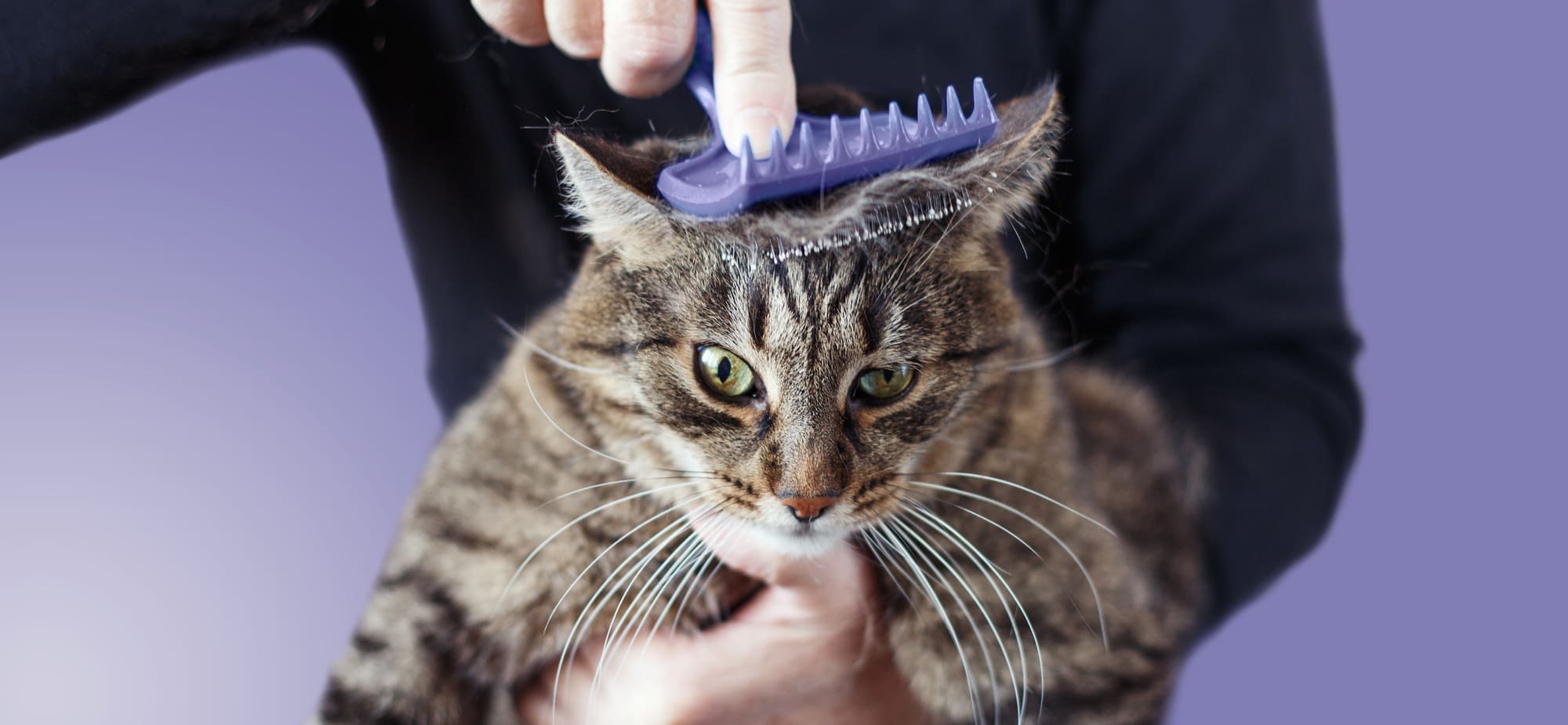
    Use a wide-tooth metal comb followed by a slicker brush. Always brush gently from the tips inward.

    Focus on High-Risk Areas

    Spend extra time on:

    • Armpits

    • Belly

    • Behind the ears

    • Collar line

    Use Detangling Sprays

    Pet-safe detangling sprays can reduce friction and make brushing more comfortable.

    Keep a Grooming Routine

    Short, calm sessions (5–10 minutes) work better than long stressful ones.

    Watch for Behavior Changes

    If your cat starts hiding, growling, or avoiding touch, mats may already be painful.


    When Home Grooming Isn’t Enough

    Some mats simply shouldn’t be removed at home. Trying to cut tight mats with scissors can result in serious injuries because cat skin is extremely thin and elastic.

    Signs It’s Time for Professional Help:

    • Mats feel hard or tight to the skin

    • Your cat reacts aggressively when touched

    • The fur smells musty or looks oily

    • You can’t separate the mat with your fingers

    • The mat is near sensitive areas (groin, neck, armpits)

    Professional pet grooming in Vancouver ensures mats are removed safely using proper tools, techniques, and stress-reduction handling.


    What Happens During a Professional Cat Dematting Session?

    At PetLux, we take a gentle, feline-focused approach to grooming.

    1. Coat Assessment

    Your groomer evaluates the severity of matting and your cat’s temperament.

    2. Controlled Dematting or Clipping

    Depending on the condition:

    • Light mats are brushed out safely

    • Moderate mats are loosened with professional tools

    • Severe mats are shaved using veterinary-safe clippers

    3. Skin Health Check

    We check for redness, irritation, sores, or parasites under the mats.

    4. Coat Reset

    After dematting, we apply conditioning treatments and reshape the coat for easier future maintenance.

    5. Preventative Guidance

    You’ll receive personalized grooming tips to reduce future matting at home.


    Special Considerations for Senior & Anxious Cats

    Grooming for Senior Cats

    Older cats are more prone to matting due to reduced flexibility and arthritis. They benefit from:

    • Shorter grooming sessions

    • More frequent maintenance

    • Gentle handling

    • Professional coat resets

    Grooming Tips for Anxious Pets

    Nervous cats need a calm environment and experienced handlers. A professional grooming salon offers:

    • Quiet grooming areas

    • Slow introduction to tools

    • Low-stress restraint techniques

    • Familiar routines


    FAQs: Managing Matting in Long-Haired Cats

    1. How often should I brush my long-haired cat?
    Daily brushing is ideal. At minimum, brush 3–4 times per week to prevent tangles.

    2. Can I cut mats out at home?
    It’s risky. Tight mats should be handled by professional groomers to avoid skin injuries.

    3. Does shaving harm my cat’s coat?
    No. A professional shave resets the coat and improves comfort. The fur grows back normally.

    4. Are certain breeds more prone to matting?
    Yes. Persians, Ragdolls, Maine Coons, and Himalayans mat more easily due to dense undercoats.

    5. How can professional grooming help long-term?
    Regular grooming reduces shedding, improves skin health, and prevents painful mat buildup.


    Conclusion: Keep Your Cat Comfortable, Healthy & Mat-Free

    Managing matting in long-haired cats isn’t just about looks—it’s about comfort, hygiene, and long-term health. With Vancouver’s climate and indoor lifestyles, even well-groomed cats need regular maintenance and professional support.

    Whether your cat needs light dematting, a full coat reset, or a gentle grooming routine tailored to anxious or senior pets, PetLux offers expert cat grooming in Vancouver with care you can trust.

    📍 PetLux West Vancouver
    1445 Marine Dr, West Vancouver, BC V7T 1B8
    📞 604-926-3020

    📍 PetLux Downtown Vancouver
    650 Pacific St, Vancouver, BC V6Z 0G5
    📞 604-571-9730

    Book a professional grooming session today and give your long-haired cat the comfort they deserve.

  • Feline Coat Structure and Grooming Needs

    Feline Coat Structure and Grooming Needs

    Feline Coat Structure and Grooming Needs

    A Vancouver Pet Owner’s Guide to Healthy, Beautiful Cats

    Introduction (150–200 words)

    If you share your home with a cat in Vancouver, you’ve probably noticed how much time they spend grooming themselves. That tiny pink tongue is a powerful cleaning tool — but it’s not always enough. Our coastal climate, indoor heating, seasonal shedding, and even stress can all affect your cat’s coat health.

    Understanding your cat’s coat structure and grooming needs isn’t just about keeping them looking cute. It’s about skin health, comfort, shedding control, and early detection of issues like mats, parasites, or irritation. This is especially important for long-haired breeds, senior cats, and indoor cats who may not groom as effectively as they used to.

    At PetLux, our professional pet grooming Vancouver teams regularly meet cat parents from West Vancouver, Downtown Vancouver, and nearby neighbourhoods who are surprised to learn how different coat types require different care routines.

    In this guide, we’ll break down feline coat structure in simple terms, explain grooming needs by coat type, and share practical tips for keeping your cat comfortable and healthy — with support from trusted cat grooming Vancouver professionals when needed.


    Technical Comparison Table: Common Feline Coat Types

    Coat Type Typical Breeds Shedding Level Matting Risk Grooming Frequency Needed Common Issues
    Short Hair Domestic Shorthair, Siamese Low–Moderate Low Weekly brushing Dander buildup, dull coat
    Medium Hair Ragdoll, Maine Coon mix Moderate Medium 2–3x per week Tangles, shedding
    Long Hair Persian, Himalayan High High Daily brushing + pro care Mats, hairballs, skin sores
    Double Coat Norwegian Forest Cat Seasonal High Medium 3–5x per week Heavy shedding, undercoat
    Curly / Fine Devon Rex, Cornish Rex Low Low Gentle weekly grooming Sensitive skin, oil buildup

    Understanding Feline Coat Structure

    A cat’s coat isn’t just “fur.” It’s a layered system designed for protection, insulation, and sensory feedback.

    The Three Main Hair Types

    Guard hairs – The visible outer coat that protects against dirt and moisture
    Awn hairs – Provide thickness and insulation
    Down hairs – The soft undercoat that traps warmth

    Some cats have all three layers, while others (like Rex breeds) have only one or two.

    Why Coat Structure Matters

    Different coat structures mean different grooming needs. A fluffy Persian needs much more maintenance than a sleek Siamese. Without proper grooming, oils and dead hair build up, leading to mats, skin irritation, and excessive shedding.


    Grooming Needs by Coat Type

    Short-Haired Cats

    Short-haired cats still benefit from regular grooming.

    Why grooming helps:
    • Removes loose hair and dander
    • Distributes natural oils
    • Reduces hairballs
    • Keeps the coat shiny

    A weekly brush and occasional professional cat grooming Vancouver visit can keep their coat healthy.


    Medium- and Long-Haired Cats

    These cats need consistent care to prevent painful matting.

    Key needs:
    • Frequent brushing (daily for long coats)
    • Detangling sensitive areas like armpits and belly
    • Regular professional grooming for de-shedding and trimming

    Pet parents in West Vancouver pet grooming clinics often book routine appointments for long-haired cats to prevent emergency shave-downs.


    Double-Coated Cats

    These cats shed heavily during spring and fall — something Vancouver pet owners know well.

    Grooming benefits:
    • Removes dead undercoat
    • Reduces shedding in your home
    • Prevents heat stress
    • Improves air circulation to the skin

    Professional pet grooming Vancouver services use specialized tools to safely remove excess undercoat.


    Why Professional Cat Grooming Matters

    Even the most dedicated home groomer can’t do everything a trained groomer can.

    Benefits of Professional Pet Grooming Vancouver

    • Safe mat removal
    • Thorough de-shedding
    • Skin and coat health checks
    • Nail trimming
    • Ear and hygiene cleaning
    • Stress-aware handling techniques

    For anxious or senior cats, professional groomers trained in grooming tips for anxious pets and grooming for senior dogs (and cats) can make a huge difference in comfort and safety.


    Vancouver Climate and Coat Health

    Living in Vancouver comes with unique grooming challenges.

    Local Factors That Affect Cat Coats

    • Coastal humidity can increase matting
    • Indoor heating dries out skin
    • Seasonal shedding spikes in spring and fall
    • Outdoor allergens stick to fur

    That’s why many pet owners in Downtown Vancouver pet grooming clinics book regular maintenance grooming — even for indoor cats.


    At-Home Grooming Tips for Cat Owners

    Between professional visits, a little home care goes a long way.

    Simple Routine

    • Brush your cat regularly based on coat type
    • Use cat-safe grooming tools
    • Check behind ears, under arms, and belly for mats
    • Wipe paws and coat after outdoor walks
    • Watch for excessive shedding or skin flakes

    For Anxious Cats

    • Keep sessions short
    • Use calm, slow movements
    • Reward with treats
    • Groom in quiet spaces

    These grooming tips for anxious pets help prevent fear and resistance over time.


    How Often Should Cats Be Groomed?

    Although many owners ask how often should dogs be groomed, cats also need consistent care.

    General guideline:
    • Short hair: weekly brushing, pro grooming every few months
    • Medium hair: brushing 2–3x weekly, pro grooming every 6–8 weeks
    • Long hair: daily brushing, pro grooming every 4–6 weeks


    FAQs

    1. Do indoor cats really need grooming?

    Yes. Indoor cats shed, develop dander, and can still get mats — especially seniors.


    2. Is cat grooming safe?

    When done by trained professionals using cat-safe techniques, grooming is very safe and beneficial.


    3. What if my cat hates grooming?

    Look for professional pet grooming Vancouver providers experienced with anxious cats.


    4. Can grooming reduce hairballs?

    Absolutely. Removing loose fur significantly reduces swallowed hair.


    5. Should kittens be groomed?

    Yes. Puppy first grooming visit Vancouver principles also apply to kittens — early exposure builds positive habits.


    Conclusion + Local CTA

    Your cat’s coat is a window into their overall health. By understanding feline coat structure and providing proper grooming, you can prevent discomfort, reduce shedding, and help your cat look and feel their best year-round.

    Whether your cat needs gentle brushing, de-shedding, or mat removal, the expert teams at PetLux are here to help with compassionate, professional cat grooming Vancouver services.

    📍 PetLux West Vancouver
    1445 Marine Dr, West Vancouver, BC V7T 1B8
    📞 604-926-3020

    📍 PetLux Downtown Vancouver
    650 Pacific St, Vancouver, BC V6Z 0G5
    📞 604-571-9730

    Book a grooming visit today and give your cat the healthy, beautiful coat they deserve.

  • Why Cats Require Professional Grooming (Even Indoor Cats)

    Why Cats Require Professional Grooming (Even Indoor Cats)

    If you live in Vancouver and share your home with a cat, you’ve probably heard this before: “Cats groom themselves — they don’t need professional grooming.” It’s a common belief, and on the surface, it sounds reasonable. After all, cats spend a good part of their day licking their coats and keeping themselves tidy.

    But here’s the truth many local pet owners discover the hard way: even indoor cats benefit greatly from professional grooming. From hidden matting to excessive shedding, skin issues, and hairballs, self-grooming only goes so far. In fact, indoor cats often face unique grooming challenges due to drier indoor air, less natural abrasion, and limited physical activity.

    At PetLux, we work with cat owners across Vancouver, West Vancouver, and Downtown Vancouver who are surprised by how much healthier, calmer, and cleaner their cats feel after professional care. Grooming isn’t just about looks — it’s about comfort, hygiene, and long-term wellness.

    In this guide, we’ll explain why cat grooming in Vancouver is essential even for indoor-only cats, what professional grooming really does, and how it can improve your cat’s quality of life in our coastal climate.


    Technical Comparison Table: Self-Grooming vs. Professional Cat Grooming

    Grooming Aspect Cat Self-Grooming Professional Grooming
    Shedding Control Removes surface fur only Deep de-shedding removes loose undercoat
    Mat Detection Misses hidden mats Identifies and safely removes mats
    Skin Health Limited stimulation Improves circulation and skin condition
    Hairball Reduction Minimal impact Significantly reduces swallowed fur
    Nail Care Not addressed Proper trimming and paw inspection
    Ear & Eye Cleaning Not possible Gentle hygienic cleaning
    Stress Monitoring Not applicable Early detection of health or behavior changes
    Coat Finish Uneven Smooth, balanced, and healthy-looking

    Why Indoor Cats Still Need Grooming

    1. Indoor Air = Dry Skin and Dull Coats

    Vancouver’s indoor heating systems, especially during cooler months, dry out the air. This can cause flaky skin, excess shedding, and static-prone coats. While cats lick their fur, they can’t moisturize or exfoliate their skin properly. Professional grooming helps remove dry flakes and distribute natural oils evenly.

    2. Hidden Mats Form Easily

    Long-haired and even medium-haired cats can develop mats under their armpits, behind their ears, or along the belly. These mats tighten over time, pulling on the skin and causing discomfort. Many cats won’t tolerate brushing in sensitive areas at home, making professional grooming a safer and more thorough solution.

    3. Hairballs Become a Bigger Issue

    Indoor cats swallow fur during grooming just like outdoor cats. But with less natural abrasion from trees, fences, and rough surfaces, more loose fur stays in their coat — and ends up in their stomach. Regular professional grooming dramatically reduces hairball frequency.


    The Health Benefits of Professional Cat Grooming

    Improved Skin and Coat Health

    Professional grooming removes dead fur, dirt, and allergens while stimulating healthy blood circulation. This results in a shinier coat, less itching, and fewer dandruff issues — especially helpful in Vancouver’s variable humidity.

    Early Detection of Health Issues

    During grooming sessions, professionals often notice lumps, skin infections, parasites, or sore spots before they become serious. Many Vancouver pet owners have caught early health concerns thanks to routine grooming appointments.

    Reduced Shedding Around Your Home

    Even if your cat looks clean, they can still shed a surprising amount of fur. Professional de-shedding treatments help reduce loose hair on furniture, clothing, and bedding — a major win for condo and apartment living in Downtown Vancouver.


    Why Home Grooming Isn’t Always Enough

    Cats Don’t Like Certain Areas Touched

    Belly, tail base, and underarms are common mat zones — and also the spots cats protect the most. Groomers are trained in safe handling techniques to reduce stress and prevent injury.

    Proper Tools Make a Difference

    Many brushes sold in stores don’t remove undercoat effectively and may even damage fur. Professional groomers use specialized tools designed for different coat types and sensitivities.

    Stress-Free, Controlled Environment

    At PetLux, our calm grooming spaces in West Vancouver and Downtown Vancouver are designed to minimize noise, restraint, and fear. This controlled setting helps anxious or senior cats feel safer than at-home grooming attempts.


    How Often Should Cats Be Professionally Groomed?

    The ideal schedule depends on your cat’s coat type and lifestyle:

    • Short-haired cats: Every 8–12 weeks

    • Medium-haired cats: Every 6–8 weeks

    • Long-haired cats: Every 4–6 weeks

    • Senior cats: More frequent light grooming for comfort

    • Shedding-heavy breeds: Seasonal grooming during spring and fall

    Regular grooming helps prevent issues instead of reacting to problems after they appear.


    Grooming for Senior and Anxious Cats

    Older cats often struggle to groom themselves due to arthritis or reduced mobility. This leads to matting, greasy coats, and hygiene problems. Professional grooming keeps senior cats comfortable and reduces joint strain.

    For anxious cats, professional groomers trained in gentle handling and low-stress techniques make a world of difference. Many Vancouver pet owners are surprised by how calm their cats are after their first professional session.


    Common Myths About Cat Grooming

    “My cat hates grooming.”
    Most cats dislike unfamiliar handling, not grooming itself. With the right approach, they often become more relaxed over time.

    “My cat’s coat looks fine.”
    Many coat problems start underneath the surface. Professional groomers detect hidden issues early.

    “Indoor cats stay clean.”
    Indoor cats still shed, produce dander, and develop mats — especially in dry indoor environments.


    FAQs

    1. Is professional cat grooming safe?
    Yes. When performed by trained groomers using proper tools and techniques, grooming is safe and beneficial for cats of all ages.

    2. Will grooming stress my cat out?
    A calm, professional environment significantly reduces stress. Many cats actually become more relaxed after regular sessions.

    3. Do short-haired cats really need grooming?
    Yes. Short-haired cats still shed heavily and benefit from de-shedding, nail trims, and skin care.

    4. How long does a grooming session take?
    It varies based on coat condition and temperament, but most sessions are completed efficiently without rushing.

    5. What should I do before my cat’s first grooming visit?
    Avoid feeding right before the appointment and bring any medical or behavioral notes to help the groomer tailor care.


    Conclusion: Give Your Cat the Care They Deserve

    Professional cat grooming isn’t a luxury — it’s an essential part of responsible pet care. Even indoor cats in Vancouver face grooming challenges that self-cleaning can’t solve alone. From reducing hairballs to improving skin health and catching early issues, grooming plays a vital role in your cat’s comfort and long-term wellness.

    At PetLux, we specialize in gentle, expert cat grooming designed for Vancouver’s unique climate and lifestyle. Our experienced groomers treat every cat with patience, care, and respect.

    📍 PetLux West Vancouver
    1445 Marine Dr, West Vancouver, BC V7T 1B8
    📞 604-926-3020

    📍 PetLux Downtown Vancouver
    650 Pacific St, Vancouver, BC V6Z 0G5
    📞 604-571-9730

    Book your cat’s grooming appointment today and discover why PetLux is trusted for professional pet grooming Vancouver pet owners rely on.

  • Signs Your Dog’s Coat Needs Professional Attention

    Signs Your Dog’s Coat Needs Professional Attention

    Introduction

    If you’re a dog owner in Vancouver, you already know how much our coastal climate can affect your pet’s coat. Between rainy walks along the Seawall, muddy adventures in Stanley Park, and salty air in West Vancouver, your dog’s fur works overtime to protect them. While regular brushing at home helps, there are times when your pup’s coat is quietly asking for professional care.

    A dull shine, persistent shedding, or mysterious tangles aren’t just cosmetic issues—they can signal discomfort, skin irritation, or even hidden health concerns. Many Vancouver pet parents wait until grooming becomes “urgent,” but early attention can prevent painful matting, hot spots, and stress for your dog.

    Whether you’re caring for a fluffy doodle, a short-haired lab, or a senior companion who needs extra TLC, knowing when to book a grooming session can make a big difference. In this guide, we’ll walk through the most common signs your dog’s coat needs professional attention, how grooming supports long-term health, and where to find trusted Vancouver pet grooming services like PetLux.


    Coat Health Comparison Table

    Sign You Notice What It Means Home Care Limitations Why Professional Grooming Helps
    Excessive shedding Seasonal or stress-related coat turnover Brushing only removes surface fur Deep deshedding tools remove undercoat safely
    Matted fur Tangles pulling on skin Risk of painful pulling or cuts Safe detangling or humane mat removal
    Dull or greasy coat Oil imbalance or product buildup Shampoos may not fully cleanse Professional-grade coat-balancing wash
    Persistent odor Trapped moisture or bacteria Deodorizing sprays mask smell Antibacterial bathing and drying
    Red or flaky skin Possible irritation or allergies Home products may worsen it Hypoallergenic grooming and skin assessment
    Uneven coat growth Missed trims or breakage Hard to shape evenly Breed-standard or comfort-focused trims

    1. Excessive Shedding Beyond the Seasons

    Shedding is normal, especially in spring and fall. But if your home suddenly looks like it’s snowing fur year-round, it may be time for professional pet grooming Vancouver services.

    Heavy shedding can mean:

    • An overloaded undercoat

    • Poor circulation to hair follicles

    • Stress or environmental changes

    Professional groomers use specialized deshedding tools that reach deep layers of fur without irritating your dog’s skin. This is especially helpful for breeds common in Vancouver like Huskies, Golden Retrievers, and German Shepherds.


    2. Matted or Tangled Fur

    Mats aren’t just messy—they’re painful. When fur knots tightly, it pulls on the skin and traps moisture, which can lead to infections or hot spots.

    Warning signs include:

    • Hard clumps of fur behind ears or under legs

    • Your dog flinching when touched

    • Skin redness under tangled areas

    Trying to cut mats at home is risky. A professional groomer can safely remove mats while keeping your dog calm and comfortable. If you’re in West Vancouver pet grooming zones or downtown, PetLux specializes in gentle mat removal.


    3. A Dull, Greasy, or Smelly Coat

    If your dog’s coat looks flat, oily, or smells bad even after a bath, that’s a clear sign it needs professional attention.

    This can happen due to:

    • Product residue buildup

    • Natural oil imbalance

    • Trapped dirt from Vancouver’s wet weather

    Professional pet grooming Vancouver salons use coat-specific shampoos that restore shine and balance oils naturally—without harsh chemicals.


    4. Red, Flaky, or Itchy Skin

    Skin issues often start in the coat. Flaking, itching, or redness may indicate allergies, dryness, or fungal concerns.

    Professional groomers:

    • Use hypoallergenic products

    • Spot early skin issues

    • Avoid irritants that worsen sensitivity

    This is especially important for grooming for senior dogs or puppies with delicate skin.


    5. Uneven or Overgrown Fur

    If your dog’s coat grows unevenly or looks patchy, it’s more than a style issue. Overgrown fur can interfere with vision, trap debris, or cause overheating.

    Professional groomers:

    • Shape coats for comfort and function

    • Maintain breed standards

    • Improve mobility and cooling

    For active Vancouver dogs, regular trims help them stay comfortable year-round.


    6. Behavioral Changes During Brushing

    Does your dog growl, hide, or whimper when you brush them? This could mean brushing is painful due to knots or skin irritation.

    Professional groomers are trained in:

    • Grooming tips for anxious pets

    • Gentle handling techniques

    • Stress-free environments

    This is especially helpful for a puppy first grooming visit Vancouver or rescue dogs with past grooming trauma.


    7. Increased Scratching or Licking

    Excessive scratching often points to something wrong beneath the coat. Dirt, allergens, or parasites can hide in dense fur.

    Professional grooming includes:

    • Thorough coat inspection

    • Flea and tick checks

    • Deep cleansing baths

    This keeps your dog healthier and prevents bigger problems later.


    How Often Should Dogs Be Groomed?

    The answer depends on your dog’s breed, coat type, and lifestyle.

    General guidelines:

    • Short-haired breeds: every 6–8 weeks

    • Medium coats: every 4–6 weeks

    • Long or curly coats: every 3–5 weeks

    If your dog hikes often, swims, or spends time outdoors in Vancouver, more frequent grooming may be needed.


    Why Choose Professional Pet Grooming in Vancouver?

    Home grooming is helpful—but it can’t replace professional care.

    Benefits of professional grooming include:

    • Proper coat maintenance

    • Early detection of skin issues

    • Stress-free handling

    • Breed-appropriate styling

    • Safe tools and products

    For both dog grooming Vancouver and cat grooming Vancouver needs, a trusted groomer ensures your pet looks and feels their best.


    FAQs

    1. How do I know if my dog’s coat problem is serious?
    If you notice persistent mats, skin redness, or behavior changes, it’s time to book a professional grooming appointment.

    2. Is professional grooming safe for senior dogs?
    Yes. Grooming for senior dogs is customized with gentle handling and comfort-focused techniques.

    3. Can grooming help with allergies?
    Regular grooming removes allergens and reduces skin irritation.

    4. What if my dog is anxious about grooming?
    Look for groomers who specialize in calming techniques and grooming tips for anxious pets.

    5. Do puppies need professional grooming?
    Absolutely. A puppy first grooming visit Vancouver helps them get comfortable with the process early.


    Conclusion + Local CTA

    Your dog’s coat is a window into their overall health. From excessive shedding and matting to skin irritation and behavioral changes, these signs shouldn’t be ignored. Regular professional grooming keeps your pet comfortable, healthy, and looking their best—especially in Vancouver’s unique climate.

    If you’re searching for the best dog groomers in Vancouver, PetLux is here to help.

    📍 PetLux West Vancouver
    1445 Marine Dr, West Vancouver, BC V7T 1B8
    📞 604-926-3020

    📍 PetLux Downtown Vancouver
    650 Pacific St, Vancouver, BC V6Z 0G5
    📞 604-571-9730

    Book a grooming session today and give your dog the coat care they deserve

  • Breed-Specific Coat Care: Poodles, Doodles, Retrievers

    Breed-Specific Coat Care: Poodles, Doodles, Retrievers

    Introduction

    If you’ve ever tried brushing your dog only to find a knot the size of a tennis ball hiding behind their ear, you’re not alone. Vancouver’s damp coastal climate, frequent outdoor adventures, and active lifestyles make coat care a real challenge for many local pet owners. Whether you’re walking the seawall, hiking in Lynn Canyon, or letting your pup splash at Spanish Banks, your dog’s coat works hard—and it needs breed-specific care to stay healthy and comfortable.

    Poodles, Doodles, and Retrievers are among the most popular breeds in the Lower Mainland, and each has unique grooming needs. From curly coats that trap debris to thick double coats that shed seasonally, understanding what your dog’s fur requires can make grooming less stressful and more effective. In this guide, we’ll break down coat types, grooming routines, and professional tips to help your pet look and feel their best year-round.

    If you’re searching for dog grooming Vancouver, West Vancouver pet grooming, or Downtown Vancouver pet grooming, this local guide is written just for you—by the grooming experts at PetLux.


    Breed-Specific Coat Care Comparison

    Breed Type Coat Type Shedding Level Brushing Frequency Bathing Needs Professional Grooming Frequency
    Poodles Curly, dense, single Low Daily to 3x/week Every 4–6 weeks Every 4–6 weeks
    Doodles Wavy to curly hybrid Low–Moderate Daily Every 4–6 weeks Every 6–8 weeks
    Retrievers Thick, double coat High (seasonal) 2–3x/week Every 6–8 weeks Every 8–12 weeks

    Understanding Coat Types and Why They Matter

    Every dog’s coat serves a purpose: insulation, protection, and even temperature regulation. But not all coats behave the same.

    Poodles

    Poodles have a dense, curly single coat that grows continuously, much like human hair. While they shed very little, their curls easily trap dirt, moisture, and loose hair. Without regular brushing, mats can form quickly—especially around the ears, armpits, and tail.

    Doodles

    Doodles (like Goldendoodles and Labradoodles) inherit a mix of poodle curls and retriever waves. Their coats can vary widely even within the same litter. Most doodles require daily brushing to prevent tangles and benefit from routine trims to keep their coats manageable.

    Retrievers

    Golden Retrievers and Labrador Retrievers have thick double coats designed for outdoor work and water retrieval. They shed year-round, with heavy seasonal “blowouts” in spring and fall. Regular de-shedding is essential to control fur around your home and keep their skin healthy.


    Grooming Routines for Vancouver Dogs

    Living in Vancouver means dealing with rain, mud, and salt air. These environmental factors can accelerate matting, skin irritation, and odor if grooming routines aren’t tailored to your dog’s breed.

    Daily & Weekly Care

    • Poodles & Doodles

      • Light brushing daily or every other day

      • Focus on high-friction areas (collar line, legs, belly)

      • Use a slicker brush and metal comb for best results

    • Retrievers

      • Brush 2–3 times per week

      • Use an undercoat rake during shedding seasons

      • Wipe paws and belly after rainy walks

    Bathing Tips

    Bathing frequency depends on activity level, coat type, and skin sensitivity. For most dogs in Vancouver:

    • Poodles & Doodles: Every 4–6 weeks

    • Retrievers: Every 6–8 weeks

    Always use dog-safe shampoo and conditioner to maintain natural oils and prevent dryness.


    When to Book Professional Grooming

    Even the most diligent at-home routine can’t replace professional care. Booking professional pet grooming Vancouver services ensures your dog receives a deep clean, proper coat shaping, and expert skin checks.

    Benefits of Professional Grooming

    • Removes stubborn mats and undercoat

    • Improves skin circulation and coat health

    • Reduces shedding and allergens

    • Identifies early skin or ear issues

    At PetLux, our groomers are trained to handle everything from a puppy first grooming visit Vancouver to grooming for senior dogs who need extra patience and care.


    Grooming Tips for Anxious or Senior Pets

    Some dogs feel nervous during grooming, especially if they’ve had a bad experience or are sensitive to handling.

    Helpful tips:

    • Start with short grooming sessions at home

    • Use positive reinforcement and treats

    • Keep a calm, quiet environment

    • Book quieter appointment times

    For senior dogs, gentle handling and supportive equipment help reduce joint strain and anxiety. Our team specializes in grooming tips for anxious pets and adapts every session to your dog’s comfort level.


    How Often Should Dogs Be Groomed?

    A common question we hear from local pet owners is: how often should dogs be groomed? The answer depends on breed and lifestyle.

    • Poodles: Every 4–6 weeks

    • Doodles: Every 6–8 weeks

    • Retrievers: Every 8–12 weeks

    Dogs who swim frequently or spend lots of time outdoors may need more frequent visits.


    Why Local Grooming Matters in Vancouver

    Choosing a local grooming service means your groomer understands Vancouver’s climate, common allergens, and seasonal coat challenges. When you search for best dog groomers in Vancouver or cat grooming Vancouver, you want a team that combines technical skill with genuine care.

    PetLux offers personalized grooming plans tailored to your dog’s breed, coat type, and lifestyle. From routine maintenance to full spa packages, we help your pet look great and feel even better.


    FAQs

    1. Do doodles really need daily brushing?
    Yes. Doodle coats mat easily, especially when exposed to rain and moisture. Daily brushing prevents painful tangles.

    2. Can I shave my retriever in summer?
    Shaving a double-coated breed can disrupt temperature regulation and lead to skin issues. De-shedding treatments are a safer option.

    3. Is professional grooming safe for puppies?
    Absolutely. A puppy first grooming visit Vancouver should be gentle, short, and focused on positive exposure.

    4. How do I know if my dog has mats?
    If you can’t easily run a comb through your dog’s coat, mats may be forming beneath the surface.

    5. What’s the best grooming schedule for senior dogs?
    Senior dogs benefit from more frequent, shorter sessions with gentle handling and supportive equipment.


    Conclusion + Local Call to Action

    Breed-specific coat care isn’t just about looks—it’s about comfort, health, and happiness. Whether you have a curly-coated poodle, a fluffy doodle, or a shedding retriever, the right grooming routine can make all the difference.

    If you’re searching for Vancouver pet grooming, West Vancouver pet grooming, or Downtown Vancouver pet grooming, PetLux is here to help. Our experienced team provides professional pet grooming Vancouver services in a calm, caring environment.

    📍 PetLux West Vancouver
    1445 Marine Dr, West Vancouver, BC V7T 1B8
    📞 604-926-3020

    📍 PetLux Downtown Vancouver
    650 Pacific St, Vancouver, BC V6Z 0G5
    📞 604-571-9730

    Book your dog’s next grooming appointment today and give them the breed-specific care they deserve.

  • Understanding Clipper Alopecia and How Groomers Prevent It

    Understanding Clipper Alopecia and How Groomers Prevent It

    Introduction

    If you’ve ever noticed patchy hair loss or slow regrowth on your dog after a grooming session, you’re not alone—and you’re not imagining things. Many Vancouver pet owners search online for answers when their dog’s coat doesn’t bounce back the way they expect. One of the lesser-known causes of this issue is a condition called clipper alopecia.

    Clipper alopecia is not painful, contagious, or dangerous, but it can be frustrating and confusing for loving pet parents. It often shows up as bald or thin patches where clippers were used, and regrowth may take weeks—or even months. While it’s more common in certain coat types, any dog can be affected under the right conditions.

    At PetLux, a trusted name in professional pet grooming Vancouver families rely on, we believe education is just as important as great grooming. In this guide, we’ll explain what clipper alopecia is, why it happens, and—most importantly—how skilled groomers prevent it. Whether you’re booking your puppy’s first grooming visit in Vancouver or caring for a senior dog, understanding this topic helps you make confident, informed choices.


    Technical Comparison Table: Clipper Alopecia vs Normal Coat Regrowth

    Feature Clipper Alopecia Normal Coat Regrowth
    Hair Growth After Clipping Slow or absent Steady regrowth within 2–6 weeks
    Patch Appearance Bald, thin, or discolored patches Even coat texture and color
    Common in Coat Types Double-coated breeds, Nordic breeds All coat types
    Trigger Factors Dull blades, overheating, hormonal imbalance Regular grooming, proper technique
    Treatment Required Usually no medical treatment None needed
    Prevention Method Skilled grooming technique, proper equipment Standard grooming care
    Risk of Recurrence Moderate without preventive grooming Low

    What Is Clipper Alopecia?

    Clipper alopecia is a temporary condition where hair fails to regrow normally after being shaved or clipped. It’s most often seen in breeds with double coats, such as Huskies, Pomeranians, and Golden Retrievers, but it can occur in mixed breeds too.

    This isn’t an infection or injury. Instead, it’s a disruption to the hair growth cycle. The hair follicles enter a prolonged resting phase (telogen), which delays regrowth.

    It’s important to note that clipper alopecia is cosmetic, not medical. However, the emotional impact on pet owners can be significant—especially when a beloved dog suddenly looks very different.


    Why Does Clipper Alopecia Happen?

    Several factors contribute to this condition:

    1. Blade Heat and Friction

    If grooming clippers overheat or use dull blades, they can irritate the hair follicles and skin.

    2. Improper Clipping Technique

    Going against coat growth or shaving double-coated dogs too short increases the risk.

    3. Hormonal Sensitivity

    Some dogs have underlying hormonal imbalances that affect hair regrowth.

    4. Age and Health Factors

    Senior dogs and pets with thyroid or metabolic issues are more prone.

    5. Seasonal Coat Changes

    Clipping during heavy shedding seasons can interfere with natural regrowth.


    Breeds More Prone to Clipper Alopecia

    While any dog can experience it, higher-risk breeds include:

    • Pomeranians

    • Huskies

    • Alaskan Malamutes

    • Golden Retrievers

    • Chow Chows

    • Samoyeds

    • Mixed breeds with thick undercoats

    These breeds are common across Vancouver’s diverse dog population, making awareness especially important for local pet parents.


    How Professional Groomers Prevent Clipper Alopecia

    At PetLux, prevention starts long before a clipper touches your dog’s coat.

    1. Coat Assessment Before Grooming

    Every grooming session begins with a coat evaluation. Groomers check for:

    • Coat density

    • Matting

    • Skin condition

    • Shedding stage

    • Breed-specific needs

    This step is essential for Vancouver pet grooming services that prioritize coat health.


    2. Proper Equipment Maintenance

    High-quality grooming equipment makes a huge difference:

    • Sharp, sanitized blades

    • Temperature-controlled clippers

    • Multiple blade lengths

    • Regular cooling sprays

    Using well-maintained tools reduces friction and skin stress.


    3. Breed-Appropriate Styling

    Professional pet grooming Vancouver experts understand which breeds should not be shaved short. For double-coated dogs, techniques like:

    • Deshedding treatments

    • Hand scissoring

    • Undercoat raking

    are safer alternatives.


    4. Low-Stress Grooming Techniques

    Stress impacts hormonal balance. Groomers trained in grooming tips for anxious pets use:

    • Gentle handling

    • Breaks during sessions

    • Calm environments

    • Positive reinforcement

    This is especially helpful for senior dogs and puppies.


    5. Customized Grooming Schedules

    Many owners ask, “How often should dogs be groomed?” The answer varies by coat type, age, and lifestyle.

    Routine grooming prevents matting and allows for coat maintenance without aggressive clipping.


    What If Your Dog Already Has Clipper Alopecia?

    Don’t panic—most cases resolve on their own. Here’s what you can do:

    • Avoid further shaving in affected areas

    • Switch to brushing and scissoring

    • Maintain a balanced diet

    • Keep grooming sessions consistent

    • Consult a vet if regrowth doesn’t start within 3–6 months

    Professional groomers can also suggest coat-recovery treatments that support healthy regrowth.


    Grooming for Puppies, Seniors, and Sensitive Dogs

    Puppy First Grooming Visit Vancouver

    Early grooming experiences shape lifelong behavior. Gentle introductions reduce stress and hormonal fluctuations that may contribute to coat issues.

    Grooming for Senior Dogs

    Older dogs benefit from:

    • Shorter grooming sessions

    • Non-slip surfaces

    • Temperature monitoring

    • Extra skin hydration

    This minimizes the risk of coat cycle disruption.


    Why Choose Professional Pet Grooming Vancouver Services?

    DIY grooming increases the risk of clipper alopecia due to:

    • Improper tools

    • Inexperience

    • Overheating clippers

    • Inconsistent techniques

    The best dog groomers in Vancouver are trained to recognize early signs of coat sensitivity and adjust grooming styles accordingly.


    FAQs

    1. Is clipper alopecia painful for dogs?
    No. It’s a cosmetic condition that doesn’t cause pain or itching.

    2. How long does hair take to grow back?
    Anywhere from 6 weeks to several months, depending on the dog.

    3. Can clipper alopecia be permanent?
    Rarely. Most dogs experience full regrowth with proper care.

    4. Should I avoid shaving my dog completely?
    Not always—but double-coated breeds should rarely be shaved short.

    5. Does mobile pet grooming Vancouver increase the risk?
    Not if the groomer uses professional equipment and techniques.


    Conclusion + Local Call to Action

    Clipper alopecia can be surprising, but it’s entirely preventable with the right grooming approach. Skilled groomers understand coat biology, proper equipment use, and stress-reduction techniques that protect your dog’s appearance and comfort.

    At PetLux, we combine expertise, compassion, and Vancouver-specific grooming knowledge to keep your pet healthy and looking their best.

    Whether you’re searching for dog grooming Vancouver, cat grooming Vancouver, or professional pet grooming Vancouver services, our experienced team is here to help.

    Visit Us Today:

    📍 PetLux West Vancouver
    1445 Marine Dr, West Vancouver, BC V7T 1B8
    📞 604-926-3020

    📍 PetLux Downtown Vancouver
    650 Pacific St, Vancouver, BC V6Z 0G5
    📞 604-571-9730

    Book your appointment and experience why local pet owners trust PetLux as one of the best dog groomers in Vancouver

  • Why Shaving Double-Coated Dogs Can Cause Long-Term Damage

    Why Shaving Double-Coated Dogs Can Cause Long-Term Damage

    Introduction

    If you live in Vancouver, you’ve probably seen it all—warm summer days, muddy fall walks, and dogs shedding enough fur to fill a pillow. It’s no surprise that many local pet owners wonder if shaving their dog will make life easier or help them stay cool. For double-coated breeds like Huskies, Golden Retrievers, German Shepherds, and Pomeranians, shaving can feel like a tempting shortcut.

    But here’s the truth most people don’t hear: shaving a double-coated dog can cause long-term damage to their coat, skin, and natural temperature regulation system.

    At PetLux, our professional pet grooming Vancouver team sees this issue regularly. Well-meaning owners bring in dogs whose coats have never grown back the same after a shave, or who now struggle with matting, sunburn, and uneven shedding. Grooming isn’t just about looks—it’s about protecting your dog’s health and comfort, especially in Vancouver’s unique coastal climate.

    In this guide, we’ll explain how double coats work, why shaving can be harmful, and what safe grooming alternatives actually help your dog feel better year-round.


    Double-Coated Dogs: Shaving vs Proper Grooming

    Feature Shaving a Double Coat Professional Grooming (Deshed + Trim)
    Coat Regrowth Often patchy or uneven Natural growth cycle preserved
    Temperature Control Disrupted; higher risk of overheating Insulation and cooling remain balanced
    Skin Protection Increased sunburn and irritation risk Natural UV barrier maintained
    Shedding Control Can worsen shedding long-term Controlled, healthier shedding
    Coat Texture May grow back coarse or fuzzy Maintains original texture
    Matting Risk Higher after regrowth Reduced with proper brushing
    Overall Health Stressful to skin and follicles Supports skin and coat health

    What Is a Double Coat?

    Double-coated dogs have two distinct layers of fur:

    • Topcoat (guard hairs): The longer, weather-resistant outer layer that protects against sun, dirt, and moisture

    • Undercoat: A dense, soft layer that insulates against both heat and cold

    This natural system works like built-in climate control. In summer, the undercoat sheds to allow airflow and cooling. In winter, it thickens to retain warmth. Shaving disrupts this balance and can interfere with the coat’s ability to regulate temperature properly.


    Why Shaving Can Cause Long-Term Damage

    1. Patchy or Uneven Regrowth

    When a double coat is shaved, the soft undercoat often grows back faster than the guard hairs. This can lead to:

    • Uneven texture

    • Dull or fuzzy appearance

    • Increased matting

    • Permanent coat changes in some dogs

    We regularly see Vancouver pet grooming clients who regret shaving because their dog’s coat never fully returned to normal.


    2. Increased Risk of Overheating

    It’s a common myth that shaving keeps dogs cooler. In reality, the double coat insulates against heat. Without it:

    • Dogs absorb more direct heat

    • Airflow regulation is reduced

    • Dogs may pant more and tire faster

    • Heat stress becomes more likely during Vancouver’s summer heatwaves


    3. Sunburn and Skin Damage

    Guard hairs protect your dog’s skin from harmful UV rays. Shaving removes this barrier, increasing the risk of:

    • Sunburn

    • Skin irritation

    • Hot spots

    • Long-term pigmentation changes

    Light-colored dogs are especially vulnerable, particularly during sunny walks along the Seawall or local parks like Stanley Park and Ambleside.


    4. Increased Shedding Over Time

    Ironically, shaving often makes shedding worse. As the coat regrows unevenly, dead undercoat becomes trapped, leading to:

    • Heavier seasonal shedding

    • More fur around your home

    • Greater matting and tangling

    • More frequent grooming needs


    5. Long-Term Coat Follicle Damage

    Repeated shaving can weaken hair follicles. Over time, this may result in:

    • Thinner regrowth

    • Bald patches

    • Loss of natural shine

    • Chronic skin sensitivity


    Breeds Most Affected by Shaving

    Double-coated breeds include:

    • Golden Retrievers

    • Labrador Retrievers

    • Huskies

    • Samoyeds

    • German Shepherds

    • Border Collies

    • Pomeranians

    • Shetland Sheepdogs

    • Chow Chows

    • Australian Shepherds

    If your dog falls into one of these categories, shaving should almost never be part of routine grooming.


    What Should You Do Instead?

    1. Professional Deshedding Treatments

    At PetLux, our professional pet grooming Vancouver team offers specialized deshedding services that:

    • Remove loose undercoat safely

    • Improve airflow through the coat

    • Reduce shedding at home

    • Keep the coat healthy and shiny


    2. Regular Brushing at Home

    Consistent brushing is the best way to manage a double coat:

    • Use an undercoat rake or slicker brush

    • Brush 2–3 times per week

    • Increase frequency during shedding seasons

    • Always brush gently to avoid skin irritation


    3. Light Trimming (Not Shaving)

    Certain areas may benefit from careful trimming:

    • Paw pads

    • Sanitary areas

    • Feathering around ears or tail

    • Belly fur for hygiene

    This keeps your dog clean without damaging the coat structure.


    4. Cooling Strategies That Actually Work

    Instead of shaving, try:

    • Fresh water access

    • Shaded walking routes

    • Early morning or evening walks

    • Cooling mats at home

    • Proper grooming for airflow

    These solutions are far safer for Vancouver’s summer conditions.


    Grooming for Anxious or Senior Dogs

    If your dog feels stressed about grooming—or if you have an older pet—gentle handling is essential. At PetLux, we specialize in:

    • Grooming tips for anxious pets

    • Calm grooming environments

    • Shorter, stress-free sessions

    • Extra care for sensitive skin and joints

    • Grooming for senior dogs with tailored comfort techniques

    We also make puppy first grooming visits Vancouver families trust—helping young dogs build positive grooming experiences early.


    FAQs

    1. Will my dog’s coat grow back if it’s already been shaved?

    Sometimes yes—but it may grow back unevenly or with a different texture. In some cases, full recovery can take months or longer.


    2. Is shaving ever medically necessary?

    In rare medical situations (such as surgery or severe matting), shaving may be required. Always consult a veterinarian or professional groomer first.


    3. How often should dogs be groomed?

    It depends on breed and lifestyle, but most double-coated dogs benefit from grooming every 6–10 weeks, with regular brushing in between.


    4. Can shaving reduce allergies?

    Not effectively. Allergens are found in dander and saliva, not just fur. Proper grooming and bathing are far more helpful.


    5. Do double-coated dogs need different grooming in Vancouver?

    Yes. Vancouver’s humid climate can trap moisture in dense coats. Regular deshedding and proper drying help prevent skin infections and matting.


    Conclusion + Local CTA

    Shaving a double-coated dog may seem like a quick fix, but it can lead to long-term coat damage, skin problems, and temperature regulation issues. The safest way to keep your dog comfortable, healthy, and looking great is through professional grooming, regular brushing, and proper coat care.

    If you’re looking for best dog groomers in Vancouver, the PetLux team is here to help. We provide expert care for both dogs and cats, offering trusted Vancouver pet grooming, West Vancouver pet grooming, and Downtown Vancouver pet grooming services.

    📍 PetLux West Vancouver
    1445 Marine Dr, West Vancouver, BC V7T 1B8
    📞 604-926-3020

    📍 PetLux Downtown Vancouver
    650 Pacific St, Vancouver, BC V6Z 0G5
    📞 604-571-9730

    Book your next appointment today and give your pet the gentle, professional care they deserve.

  • The Role of Brushing in Preventing Follicle Blockage

    The Role of Brushing in Preventing Follicle Blockage

    Introduction

    If you’re a pet parent in Vancouver, you already know how much our coastal climate can affect your dog or cat’s coat. Between rainy walks, muddy parks, seasonal shedding, and indoor heating, your pet’s skin and fur are under constant stress. One of the most overlooked grooming issues we see at PetLux is follicle blockage—a condition where hair follicles become clogged with dirt, oils, dead skin, and loose hair.

    Blocked follicles aren’t just a cosmetic concern. They can lead to itching, hot spots, infections, painful mats, and even long-term skin damage. The good news? Regular brushing is one of the simplest and most effective ways to prevent these problems before they start.

    Whether you’re caring for a fluffy Samoyed in West Vancouver or a short-haired tabby in Downtown Vancouver, brushing plays a vital role in healthy grooming routines. In this guide, we’ll explain how brushing supports skin health, how often it should be done, and how professional pet grooming Vancouver services like PetLux can make a real difference in your pet’s comfort and wellbeing.


    Technical Comparison Table: Brushing Methods & Follicle Health

    Brushing Method Best For Coat Type Impact on Follicle Health Recommended Frequency Professional vs. At-Home
    Slicker Brush Long & curly coats Removes tangles, opens follicles 3–5x per week Both
    Undercoat Rake Double-coated breeds Prevents dense follicle blockage 2–3x per week Both
    Bristle Brush Short-haired pets Distributes oils, clears debris 2–4x per week Both
    Deshedding Tool Heavy shedders Reduces trapped dead hair Weekly during shedding Best with professionals
    Professional Blow-Out All coat types Deep follicle clearing Monthly or seasonal Professional only

    What Is Follicle Blockage in Pets?

    Hair follicles are tiny openings in your pet’s skin where each hair grows. Over time, these follicles can become clogged with:

    • Dead skin cells

    • Natural oils

    • Dirt and pollutants

    • Loose or shed fur

    • Product residue from shampoos

    When follicles are blocked, hair can’t grow properly, and bacteria can build up underneath the surface. This can cause inflammation, painful bumps, patchy hair loss, and infections. Many pets we see for Vancouver pet grooming already show early signs without their owners realizing it.


    How Brushing Prevents Follicle Blockage

    Brushing does far more than keep your pet looking tidy. It plays a direct role in skin health:

    1. Removes Loose Hair Before It Traps Dirt

    Dead hair clings to the coat and acts like a net for dust, pollen, and debris. Brushing lifts out this loose fur before it compresses into mats that block follicles.

    2. Stimulates Blood Flow

    Gentle brushing increases circulation to the skin. This delivers oxygen and nutrients to follicles, supporting healthy hair growth and faster skin renewal.

    3. Distributes Natural Oils

    Brushing spreads your pet’s natural skin oils evenly along the coat. This prevents oil buildup in one area and dryness in another, reducing clogging and irritation.

    4. Exfoliates Dead Skin Cells

    Dead skin accumulates naturally. Without brushing, it settles into follicles and traps bacteria. Regular grooming acts as gentle exfoliation for pets.


    Coat Types and Their Brushing Needs

    Different coats require different grooming approaches. This is why professional pet grooming Vancouver services tailor brushing routines for each pet.

    Double-Coated Dogs (e.g., Huskies, Golden Retrievers)

    These dogs have a dense undercoat that sheds heavily. Without proper brushing, undercoat buildup is a major cause of follicle blockage.

    Best tools: Undercoat rake, deshedding tool
    Frequency: 2–3 times per week (daily during shedding season)

    Long-Haired Breeds (e.g., Shih Tzus, Poodles)

    Tangles and mats form quickly and trap moisture and bacteria.

    Best tools: Slicker brush, comb
    Frequency: 4–5 times per week

    Short-Haired Dogs and Cats

    Even short coats shed and accumulate dead skin.

    Best tools: Bristle brush, rubber grooming mitt
    Frequency: 2–4 times per week


    Signs Your Pet May Have Follicle Blockage

    If you notice any of these symptoms, your pet may need more frequent brushing or professional grooming:

    • Persistent itching or licking

    • Dull or greasy coat

    • Small bumps or redness

    • Patchy hair loss

    • Unpleasant skin odor

    • Matted fur near joints or neck

    Early intervention can prevent costly veterinary visits and keep your pet more comfortable year-round.


    How Often Should Dogs Be Groomed?

    A common question we hear at PetLux is, “how often should dogs be groomed?” The answer depends on coat type, lifestyle, and health, but as a general guideline:

    • Short-haired dogs: Every 6–8 weeks

    • Medium-coated dogs: Every 4–6 weeks

    • Long-coated dogs: Every 3–4 weeks

    • Double-coated breeds: Every 4–8 weeks with seasonal shedding care

    Regular professional grooming ensures deep follicle cleansing that home brushing alone can’t always achieve.


    Why Professional Brushing Matters

    At-home brushing is essential, but professional pet grooming Vancouver services add extra layers of care:

    • High-powered blow-outs to remove trapped undercoat

    • Coat-specific tools for deep follicle access

    • Hypoallergenic products for sensitive skin

    • Mat removal without pulling or discomfort

    • Early detection of skin issues

    Our groomers at PetLux are trained to recognize early signs of follicle stress and adapt grooming techniques accordingly.


    Brushing Tips for Anxious Pets

    Some pets dislike brushing, especially if mats have already formed. If your pet is nervous:

    • Start with short, gentle sessions

    • Use treats and praise for positive reinforcement

    • Brush in quiet, familiar spaces

    • Avoid tugging or rushing

    • Schedule professional grooming for difficult areas

    For nervous pets, professional grooming Vancouver services provide calm, structured sessions that reduce stress.


    Grooming for Senior Dogs and Puppies

    Senior Pets

    Older pets have more sensitive skin and reduced oil production. Gentle brushing prevents follicle buildup while improving circulation and comfort.

    Puppy First Grooming Visit Vancouver

    Introducing puppies to brushing early builds lifelong grooming tolerance. Short sessions combined with professional puppy grooming services create positive habits and prevent future follicle issues.


    FAQs

    1. Can brushing alone prevent all skin problems?
    Brushing significantly reduces follicle blockage but should be combined with proper bathing and professional grooming for best results.

    2. How do I know if my brush is right for my pet?
    Your brush should glide smoothly without scratching. Our PetLux groomers can recommend tools based on your pet’s coat type.

    3. Is cat grooming Vancouver different from dog grooming?
    Yes. Cats require gentler tools and less frequent sessions but still benefit greatly from regular brushing.

    4. What happens if mats are already blocking follicles?
    Mats need professional removal to prevent skin tears and infections.

    5. Should I groom more often during Vancouver’s rainy season?
    Absolutely. Moisture increases dirt buildup, making brushing even more important.


    Conclusion + Local Call to Action

    Brushing is more than a beauty routine—it’s a cornerstone of your pet’s long-term skin and coat health. By preventing follicle blockage, you reduce discomfort, minimize shedding, and support healthier hair growth year-round. Whether you brush at home or rely on professional care, consistency is key.

    At PetLux, we provide expert dog grooming Vancouver and cat grooming Vancouver services tailored to your pet’s unique needs. Our experienced groomers use coat-specific techniques to ensure deep follicle cleansing and stress-free sessions.

    📍 PetLux West Vancouver
    1445 Marine Dr, West Vancouver, BC V7T 1B8
    📞 604-926-3020

    📍 PetLux Downtown Vancouver
    650 Pacific St, Vancouver, BC V6Z 0G5
    📞 604-571-9730

    Book your next grooming appointment today and give your pet the healthy coat they deserve.

  • Grooming for Dogs with Seborrheic Skin Conditions

    Grooming for Dogs with Seborrheic Skin Conditions

    Grooming for Dogs with Seborrheic Skin Conditions

    A Vancouver Pet Owner’s Guide to Healthy Skin & Comfortable Coats

    Introduction

    If your dog struggles with greasy fur, flaky patches, itchy skin, or a persistent “doggy odor,” you’re not alone. Many Vancouver pet owners deal with seborrheic skin conditions in their dogs, especially in our damp coastal climate where moisture, allergens, and seasonal changes can aggravate sensitive skin.

    Seborrhea in dogs isn’t just a cosmetic issue. It’s a medical skin condition that affects how your dog’s skin produces oils and sheds dead skin cells. When left unmanaged, it can lead to infections, discomfort, hair loss, and constant scratching that disrupts your dog’s quality of life.

    The good news? With the right grooming routine and professional care, seborrheic skin conditions can be safely managed. Specialized bathing, gentle handling, and skin-supportive products make a huge difference—especially when done consistently.

    At PetLux, a trusted name in Vancouver pet grooming, we work closely with pet owners to create safe, customized grooming plans for dogs with sensitive and seborrheic skin. Whether you visit our West Vancouver or Downtown Vancouver location, our goal is simple: help your dog feel comfortable, clean, and confident again.


    Seborrheic Skin Grooming Overview (Technical Comparison Table)

    Seborrhea Type Common Symptoms Coat Texture Grooming Frequency Recommended Bath Type Special Handling Needs
    Dry Seborrhea Flaky skin, dandruff, dull coat Brittle, coarse Every 2–4 weeks Moisturizing shampoo Gentle brushing, hydration support
    Oily Seborrhea Greasy coat, strong odor, waxy buildup Sticky, heavy Every 1–3 weeks Degreasing shampoo Thorough rinsing, ear cleaning
    Mixed Seborrhea Flakes + greasy patches Uneven texture Every 2–3 weeks Balanced medicated shampoo Customized product rotation
    Secondary Seborrhea Linked to allergies, infections, hormones Varies Vet-guided schedule Prescription shampoo Extra skin inspections
    Breed-Related Seborrhea Common in Cocker Spaniels, Basset Hounds, Westies Thick, oily Every 2–3 weeks Breed-specific formula Regular coat thinning

    What Is Seborrhea in Dogs?

    Seborrhea is a skin disorder that disrupts the normal production of skin oils and shedding of dead skin cells. It can be:

    • Primary seborrhea – Genetic and breed-related

    • Secondary seborrhea – Caused by allergies, infections, hormonal imbalances, or nutritional issues

    In Vancouver, we frequently see seborrhea flare-ups due to:

    • Seasonal pollen

    • Damp coastal weather

    • Mold exposure

    • Food sensitivities

    • Urban pollution


    Why Professional Grooming Matters for Seborrheic Dogs

    Regular grooming isn’t just about appearance—it’s essential therapy for dogs with skin conditions.

    Professional pet grooming Vancouver services provide:

    • Controlled exfoliation of flaky skin

    • Removal of excess oils and buildup

    • Even distribution of natural coat oils

    • Early detection of infections or sores

    • Relief from itchiness and discomfort

    At PetLux, our professional pet grooming Vancouver team uses skin-safe techniques designed specifically for dogs with chronic skin issues.


    Best Grooming Practices for Seborrheic Dogs

    1. Proper Bathing Frequency

    Over-bathing can worsen dry seborrhea, while under-bathing can trap oils in oily seborrhea.

    General guideline:

    • Dry seborrhea: Every 2–4 weeks

    • Oily seborrhea: Every 1–3 weeks

    • Mixed seborrhea: Every 2–3 weeks

    2. Use Skin-Specific Shampoos

    Not all shampoos are equal. Seborrheic dogs benefit from:

    • Medicated antifungal formulas

    • Moisturizing oatmeal blends

    • Hypoallergenic botanical shampoos

    • Sulfur- or salicylic-acid–based cleansers

    We rotate shampoo types at PetLux to prevent product fatigue and irritation.


    Brushing & Coat Maintenance

    Brushing removes dead skin and distributes oils more evenly.

    Recommended tools:

    • Soft-bristle brushes

    • Rubber curry brushes

    • Wide-tooth combs for thick coats

    Avoid metal slicker brushes on inflamed skin. Our best dog groomers in Vancouver select tools based on coat condition and skin sensitivity.


    Ear & Paw Care for Seborrheic Dogs

    Seborrhea often affects ears and paws.

    Professional grooming includes:

    • Gentle ear cleaning to remove wax buildup

    • Paw pad exfoliation

    • Nail trimming to prevent fungal trapping

    • Fur trimming between paw pads

    This reduces the risk of secondary infections.


    Grooming Tips for Anxious or Senior Dogs

    Dogs with skin discomfort are often sensitive to handling.

    Grooming tips for anxious pets:

    • Calm, quiet grooming spaces

    • Low-heat dryers

    • Shorter grooming sessions

    • Soft handling techniques

    Grooming for senior dogs:

    • Extra joint support

    • Slower brushing pace

    • Non-slip grooming tables

    • Temperature-controlled baths

    Our Downtown Vancouver pet grooming location specializes in gentle grooming for anxious and aging pets.


    Puppy Grooming & Seborrhea

    Some puppies develop seborrhea early in life.

    Puppy first grooming visit Vancouver tips:

    • Introduce grooming gradually

    • Use ultra-mild shampoos

    • Keep sessions short

    • Focus on positive reinforcement

    Early grooming builds lifelong comfort and prevents long-term skin complications.


    How Often Should Dogs Be Groomed with Seborrhea?

    There’s no one-size-fits-all answer, but consistency is key.

    Typical schedule:

    • Light seborrhea: Every 3–4 weeks

    • Moderate seborrhea: Every 2–3 weeks

    • Severe seborrhea: Every 1–2 weeks

    PetLux customizes grooming plans based on coat type, skin severity, and seasonal flare-ups.


    Vancouver Climate & Skin Conditions

    Our West Coast weather plays a big role in skin health.

    Common Vancouver skin triggers:

    • High humidity

    • Rain exposure

    • Mold spores

    • Seasonal allergies

    • Salt air near the waterfront

    That’s why Vancouver pet grooming requires climate-specific care routines—something our PetLux team understands deeply.


    FAQs

    1. Can grooming cure seborrhea in dogs?
    No, but it can manage symptoms, reduce flare-ups, and improve comfort significantly.

    2. Is seborrhea contagious?
    No. It’s a skin condition, not an infection.

    3. Should I groom my dog at home or professionally?
    Professional grooming Vancouver services are safer for seborrheic dogs due to proper tools, shampoos, and skin assessment.

    4. Can cats get seborrhea too?
    Yes. Cat grooming Vancouver services at PetLux also support feline skin conditions.

    5. What signs mean my dog needs urgent grooming care?
    Redness, foul odor, sores, hair loss, or nonstop scratching should be addressed promptly.


    Conclusion + Local Call to Action

    Seborrheic skin conditions don’t have to control your dog’s life. With consistent care, professional grooming, and gentle handling, your pup can enjoy healthier skin and a happier coat.

    At PetLux, we specialize in Vancouver pet grooming for dogs with sensitive and seborrheic skin. Our experienced team uses tailored grooming techniques to ensure your pet feels safe, soothed, and supported every step of the way.

    Whether you’re searching for the best dog groomers in Vancouver or need gentle grooming for a senior dog or anxious pet, we’re here to help.

    📍 PetLux West Vancouver
    1445 Marine Dr, West Vancouver, BC V7T 1B8
    📞 604-926-3020

    📍 PetLux Downtown Vancouver
    650 Pacific St, Vancouver, BC V6Z 0G5
    📞 604-571-9730

    Book your next grooming appointment today and give your dog the skin care they deserve.