Nail Trimming 101: Everything Pet Owners Should Know
Regular nail trimming is a crucial part of maintaining your dog or cat’s overall health and comfort. Overgrown nails not only cause pain and affect gait, but can also lead to infections, posture problems, or even skeletal damage over time. In both cats and dogs, proper nail care supports better hygiene, joint alignment, and traction. This guide provides a comprehensive overview of nail trimming essentials using a technical approach to help pet owners understand the procedures, tools, frequency, and professional services available. Whether you’re handling grooming at home or seeking Downtown Vancouver grooming services for dogs and cats, understanding nail anatomy and maintenance can make a significant difference in your pet’s quality of life.
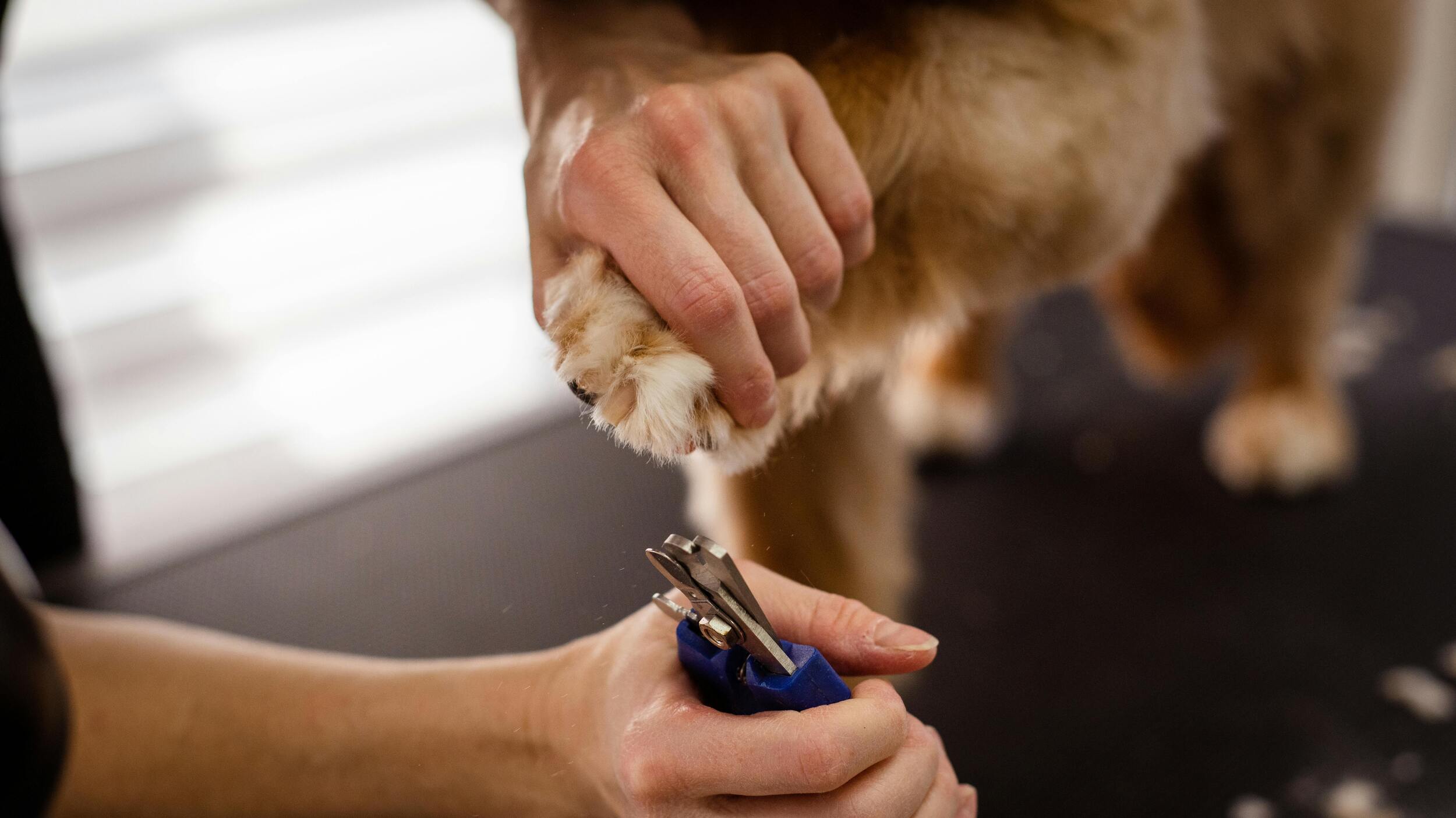
Nail trimming involves shortening the keratinized structures known as claws, typically using tools like guillotine-style clippers, scissor-style trimmers, or rotary grinders. For dogs, especially large breeds or active outdoor dogs, trimming every 3–4 weeks is recommended, while indoor cats may require clipping every 4–6 weeks depending on nail growth and scratching behavior. The anatomy of a dog’s or cat’s nail includes the outer shell and the inner “quick” – a blood vessel that, if cut, causes pain and bleeding. It is vital to trim gradually, especially for dark nails where the quick is less visible. Nail grinders can help smooth edges and minimize splintering, though they generate noise some pets dislike. Common mistakes include cutting too deep, using dull blades, and skipping dewclaws – the vestigial inner claws that don’t touch the ground and can curl into the skin if left unchecked. For pet owners in Ambleside or Dundarave, professional services like cat and dog grooming in West Vancouver offer safe nail trimming with precision tools and stress-free handling.
Here is a practical overview comparing tools and services for effective nail trimming:
| Feature/Tool | Guillotine Clippers | Scissor Clippers | Rotary Grinders | Professional Services |
|---|---|---|---|---|
| Best For | Small-medium pets | Large/thick nails | All nail types | All pets, especially anxious or senior animals |
| Precision | Medium | High | Very high | Very high |
| Noise Level | Low | Low | High | Low to none |
| Skill Required | Moderate | Moderate | High | None (done by groomer) |
| Risk of Quick Injury | Medium | Low | Low | Very low |
| Comfort for Pet | Moderate | Moderate | Depends on pet | High (trained staff) |
| Suggested Frequency | 3–4 weeks | 3–4 weeks | Weekly touch-ups | Monthly sessions |
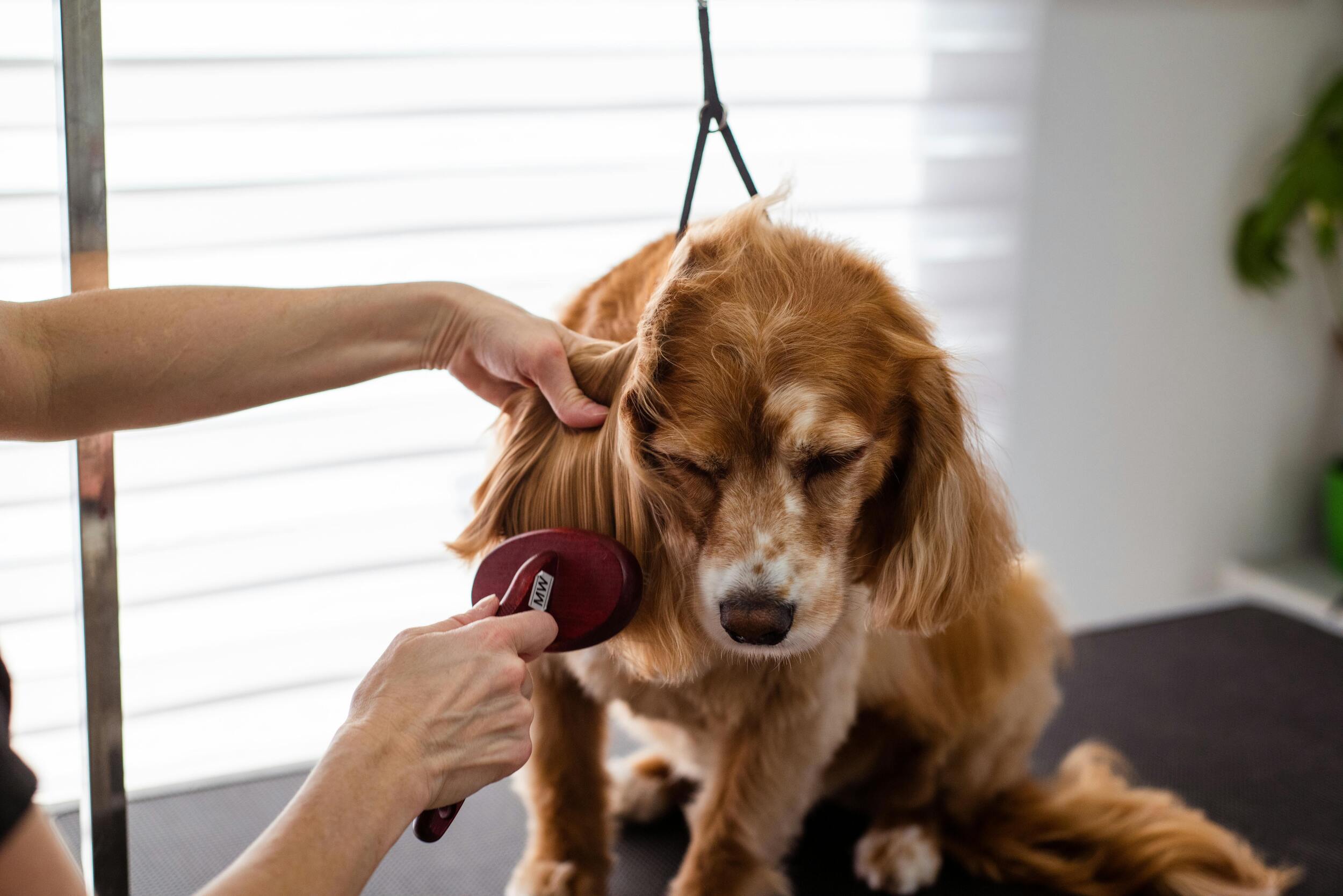
While at-home trimming can be effective with the right tools and confidence, it’s not always suitable for all pets. Dogs with black or thick nails, cats that dislike being handled, or senior pets with fragile limbs may require expert assistance. Facilities that provide pet nail trimming in the Lower Mainland often include other grooming services like ear cleaning, paw pad trimming, and coat brushing, ensuring a holistic grooming experience. Professional groomers in downtown grooming studios for pets are trained to identify the quick using specialized lighting and cutting angles, minimizing discomfort and improving the precision of each clip. If your pet experiences anxiety or has had a traumatic experience with nail trimming, Downtown Vancouver dog and cat care providers can use calming techniques like pheromone diffusers and gentle restraint methods to reduce stress.
For pet owners located near the Capilano area or British Properties, utilizing North Shore grooming professionals for cats and dogs provides convenient access to tailored grooming services without the hassle of doing it at home. Nail trimming is often bundled with full grooming packages, making it easier for busy owners to maintain regular appointments. Moreover, neglected nails can affect your pet’s posture and pressure distribution across their joints. In dogs, this may result in compensatory movements and arthritis over time. In cats, excessively long claws can snag in furniture or carpets, causing injury. A properly trimmed nail allows for smooth walking, proper foot placement, and overall paw health. Incorporating paw massages and desensitization exercises early in a pet’s life can ease the process. When in doubt, consult a veterinary groomer or opt for local grooming services in West Vancouver and Vancouver that include nail trimming in their standard offerings.
To conclude, nail trimming is not just a cosmetic routine – it’s a necessary aspect of preventative health care. From selecting the right clipping tools to knowing when to seek expert help, the key lies in staying consistent, informed, and attentive to your pet’s behavioral cues. For those who live in downtown condos or West Van homes, having access to Vancouver-based grooming salons for dogs and cats ensures your pet receives the safest and most professional care. Always reward pets with treats and praise after trimming to associate the experience with positive reinforcement. Whether you’re managing your pet’s grooming at home or relying on certified pet stylists in the West Vancouver region, prioritizing nail health can prevent injuries and improve your companion’s mobility and well-being. Make it a habit, track your schedule, and stay proactive with support from downtown pet grooming experts or your trusted local West Vancouver groomer.