Tag: dog shedding solutions

  • Understanding Canine Coat Types: Double Coat vs Single Coat

    Understanding Canine Coat Types: Double Coat vs Single Coat

    If you live in Vancouver, you already know how much our coastal climate can affect your dog’s coat. Between rainy winters, mild but damp temperatures, and active outdoor lifestyles—from Stanley Park walks to West Van trails—your dog’s fur works overtime. Yet many pet owners are surprised to learn that not all dog coats are the same, and grooming needs can vary dramatically depending on coat type.

    Understanding whether your dog has a double coat or a single coat is one of the most important steps in responsible dog grooming. It impacts how often your dog should be groomed, what tools should be used, and even what grooming mistakes to avoid. For example, a haircut that seems harmless on one dog can actually cause long-term coat damage on another.

    At PetLux, our professional pet grooming Vancouver teams regularly meet owners who want to do the best for their dogs but simply haven’t been given clear, trustworthy information. This guide breaks it all down in plain language—so you can feel confident about your dog’s grooming routine and make informed choices that support their comfort, health, and appearance year-round.


    Double Coat vs Single Coat: Technical Comparison

    Feature Double Coat Dogs Single Coat Dogs
    Coat Structure Two layers: dense undercoat + outer guard hairs One layer of hair or fur
    Primary Function Insulation, temperature regulation, protection Protection and basic insulation
    Shedding Pattern Seasonal shedding (“blowing coat”) Light to moderate, often year-round
    Sensitivity to Shaving High risk of coat damage if shaved Usually safe with breed-appropriate trims
    Common Breeds Huskies, Golden Retrievers, German Shepherds Poodles, Shih Tzus, Maltese
    Grooming Focus Deshedding, brushing, coat maintenance Haircuts, styling, mat prevention

    What Is a Double Coat?

    Double-coated dogs have two distinct layers of fur working together to protect them. The soft undercoat traps air for insulation, while the outer coat repels moisture, dirt, and UV rays. This natural system helps dogs stay warm in winter and cool in summer—yes, even in Vancouver’s mild climate.

    Common Double-Coated Breeds

    • Siberian Husky

    • Golden Retriever

    • Labrador Retriever

    • German Shepherd

    • Samoyed

    Grooming Needs for Double-Coated Dogs

    Double coats require regular brushing and professional deshedding, especially during seasonal shedding periods in spring and fall. Shaving is almost never recommended, as it can permanently disrupt how the coat grows back.

    At professional pet grooming Vancouver salons like PetLux, groomers use specialized tools and techniques to:

    • Remove loose undercoat safely

    • Reduce excessive shedding

    • Prevent matting and skin irritation

    • Maintain natural coat function

    Improper grooming—especially shaving—can lead to patchy regrowth, overheating, or chronic coat issues.


    What Is a Single Coat?

    Single-coated dogs have one layer of hair, which often grows continuously rather than shedding heavily. These coats are more similar to human hair and typically require regular trimming to stay neat and comfortable.

    Common Single-Coated Breeds

    • Poodle

    • Maltese

    • Yorkie

    • Shih Tzu

    • Bichon Frise

    Grooming Needs for Single-Coated Dogs

    Single coats benefit from:

    • Regular haircuts

    • Frequent brushing to prevent mats

    • Gentle bathing and conditioning

    Because their coats don’t shed as much, matting can happen quickly—especially around the ears, legs, and chest. This is why consistent dog grooming Vancouver services are essential for these breeds.


    Why Coat Type Matters in Vancouver’s Climate

    Vancouver’s moisture-rich environment plays a major role in coat health. Damp fur can trap moisture against the skin, leading to hot spots, odor, and irritation—especially if the coat isn’t properly maintained.

    For double-coated dogs, trapped undercoat combined with moisture can cause:

    • Skin infections

    • Increased shedding

    • Reduced temperature regulation

    For single-coated dogs, moisture can accelerate matting and tangling, making grooming more uncomfortable if delayed.

    This is where West Vancouver pet grooming and Downtown Vancouver pet grooming professionals make a difference. Experienced groomers adjust techniques based on coat type, activity level, and seasonal conditions.


    Grooming Frequency: What Most Owners Get Wrong

    A common question we hear is: how often should dogs be groomed? The answer depends largely on coat type.

    Double Coat Dogs

    • Brushing: several times per week

    • Professional grooming: every 6–10 weeks

    Single Coat Dogs

    • Brushing: daily to several times per week

    • Professional grooming: every 4–8 weeks

    Skipping grooming doesn’t just affect appearance—it can impact skin health, comfort, and behavior. Dogs with neglected coats are more likely to become anxious or resistant during grooming sessions.


    Grooming Tips for Anxious, Senior, and First-Time Puppies

    Grooming Tips for Anxious Pets

    • Shorter, more frequent visits

    • Calm handling and positive reinforcement

    • Consistent grooming environment

    Grooming for Senior Dogs

    • Gentle brushing

    • Extra skin and joint care

    • Shorter standing times

    Puppy First Grooming Visit Vancouver

    Early grooming experiences shape a dog’s lifelong comfort with grooming. Puppy visits focus on:

    • Familiarization with tools and sounds

    • Light trimming and brushing

    • Positive, stress-free handling

    Professional pet grooming Vancouver teams are trained to tailor sessions for each life stage.


    Can Cats Have Double or Single Coats?

    Yes—many cats also have single or double coats, which is why cat grooming Vancouver services follow similar principles. Long-haired cats with dense undercoats benefit greatly from professional grooming to prevent painful matting and hairballs.


    FAQs

    1. How can I tell if my dog has a double or single coat?

    Look for a soft, fluffy underlayer beneath longer guard hairs. A groomer can confirm during an assessment.

    2. Is shaving ever okay for double-coated dogs?

    In most cases, no. Shaving can damage coat structure and reduce natural temperature control.

    3. Does frequent grooming reduce shedding?

    Yes—especially for double-coated dogs. Proper deshedding significantly reduces loose hair at home.

    4. Can grooming help with skin issues?

    Absolutely. Regular grooming improves airflow to the skin and allows early detection of issues.

    5. What’s better: home grooming or professional grooming?

    Both play a role, but professional grooming ensures coat-specific care and safety.


    Conclusion: Groom Smarter, Not Harder

    Understanding your dog’s coat type isn’t just helpful—it’s essential for their comfort, health, and happiness. Whether your dog has a dense double coat or a silky single coat, the right grooming approach makes all the difference, especially in Vancouver’s unique climate.

    At PetLux, our experienced teams specialize in Vancouver pet grooming tailored to your dog’s coat, age, and temperament. If you’re looking for the best dog groomers in Vancouver, we’re here to help—whether it’s a routine visit, grooming for senior dogs, or a puppy’s first grooming experience.

    📍 PetLux West Vancouver
    1445 Marine Dr, West Vancouver, BC V7T 1B8
    📞 604-926-3020

    📍 PetLux Downtown Vancouver
    650 Pacific St, Vancouver, BC V6Z 0G5
    📞 604-571-9730

    Book a visit and give your pet the expert care their coat deserves.
  • De-shedding Treatments: Are They Worth It?

    De-shedding Treatments: Are They Worth It?

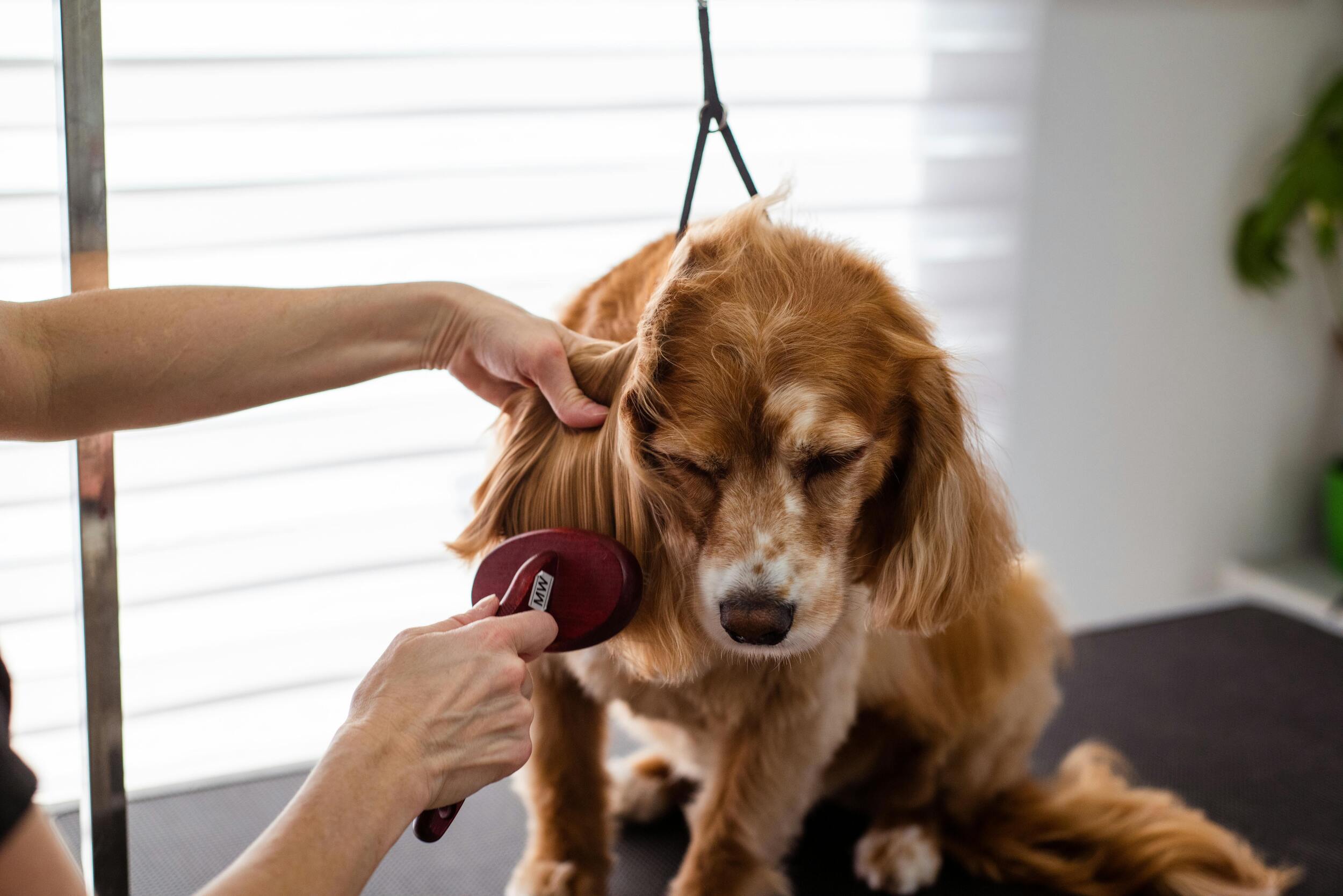
    For pet parents constantly battling fur tumbleweeds across floors and furniture, professional de-shedding treatments offer a scientifically backed solution that goes far beyond regular brushing. These treatments target the dense undercoat—especially prominent in double-coated breeds like Huskies, German Shepherds, and Maine Coons—using high-velocity drying systems, specialized de-shedding rakes, and coat-loosening shampoos. The primary goal is to remove dead hair from the undercoat before it sheds, minimizing loose fur, preventing matting, and improving overall coat and skin health. When performed by certified experts such as those at Downtown Vancouver Dog and Cat Grooming, the treatment also enhances thermal regulation, allowing pets to better cope with seasonal changes, particularly during coat-blow seasons. Cats, especially long-haired breeds like Ragdolls and Persians, benefit from reduced hairballs and matting, while dogs experience reduced fur buildup, fewer tangles, and improved hygiene.

    Deshedding Component Technical Purpose Ideal Application
    Degreasing Shampoo Breaks down oil buildup that traps shedding hair Prepares coat for effective undercoat lift
    High-Velocity Drying System Blasts away loose hairs without damaging topcoat Reduces drying time, removes dander
    Undercoat Rake & Blade Tools Extracts dense dead fur from the underlayer Used for double-coated or long-haired pets
    Coat Analysis & Skin Check Identifies irritations or hotspots before deshedding Ensures pet safety during deep grooming
    Hypoallergenic Coat Conditioners Rehydrates skin and strengthens remaining hair Prevents post-treatment itchiness

    The technical advantage of professional de-shedding lies in its layered approach to coat care. At advanced salons specializing in dog and cat grooming in the West Vancouver area, deshedding is more than a one-step solution. It begins with a detailed coat analysis, allowing groomers to determine whether the pet is in the anagen (growth), catagen (transitional), or telogen (resting/shedding) phase of the hair cycle. Once the phase is understood, groomers use tailored tools to remove fur effectively without compromising healthy strands. For breeds prone to seborrhea or dermatitis, such as Labrador Retrievers or Himalayan cats, deshedding can help prevent bacterial buildup beneath the coat by allowing the skin to breathe. Unlike home brushing, which may only skim the surface, professional deshedding addresses both the topcoat and the undercoat—removing up to 90% of loose hair in a single session. Groomers trained in downtown Vancouver grooming services also understand how to work around sensitive areas like the belly, behind the ears, and the tail base, where matting typically begins.

    One of the most overlooked benefits of professional de-shedding is its impact on indoor air quality and allergen control. With consistent visits to pet salons offering advanced coat care in West Vancouver, pet owners report less airborne fur, cleaner furniture, and reduced allergy flare-ups. Deshedding also supports temperature regulation, especially for pets living in climates with dramatic seasonal changes. By thinning out the dense undercoat, pets feel cooler in the summer and more comfortable in indoor heated environments during winter. Additionally, this treatment minimizes the frequency of hairballs in cats, as less fur is ingested during self-grooming. For those living in high-traffic areas like Coal Harbour or Ambleside, scheduling regular deshedding at nearby salons offering Vancouver grooming solutions helps maintain a pet’s hygiene and comfort between full grooming sessions. The treatment also allows groomers to detect early signs of skin infections, parasites, or abnormal lumps that would otherwise be hidden beneath a thick coat.

    While at-home maintenance remains important, it’s rarely a match for the power and technique offered by professional services. Tools like undercoat rakes or slicker brushes help, but they often fail to penetrate deep enough, especially in double-coated or long-haired breeds. In contrast, salons using industrial-grade dryers and coat analysis tools can remove undercoat buildup efficiently while maintaining coat integrity. For active breeds or pets who spend time outdoors, consistent deshedding can prevent painful matting and improve odor control. Pet grooming experts near the West Vancouver shoreline districts and in central Vancouver grooming salons often recommend integrating de-shedding into your pet’s schedule every 6 to 8 weeks, with higher frequency during peak shedding seasons like spring and fall. The result is a healthier pet, cleaner home, and a coat that not only looks better but also performs its protective function more effectively.

  • Grooming vs Shedding: Why It Matters

    Grooming vs Shedding: Why It Matters

    Grooming vs Shedding: Why It Matters

    Grooming and shedding are often misunderstood as interchangeable terms in pet care—but they’re not. Understanding the difference between the two can drastically improve your pet’s health, your home hygiene, and even your emotional bond with your furry companion. While shedding is a natural biological process, grooming is a proactive health regimen that goes beyond appearance, influencing everything from skin health to behavioral wellness. Whether you’re managing a double-coated breed or a hypoallergenic pet, proper care starts with distinguishing between what’s normal hair loss and what’s a call for professional grooming intervention.

    Quick Comparison Table: Grooming vs Shedding

    Feature Grooming Shedding
    Definition Routine cleaning and maintenance of your pet’s coat, skin, ears, nails Natural process of fur release due to seasonal change or breed type
    Frequency Every 4–6 weeks for most breeds (more for long-hair or high-maintenance) Varies by breed, season, and health—some pets shed year-round
    Tools Used Clippers, nail grinders, shampoos, dematting combs, ear cleaners Deshedding brushes, undercoat rakes, slicker brushes
    Health Benefits Prevents matting, infections, parasites; improves circulation No direct benefit unless managed—excessive shedding may signal issues
    Professional Involvement Performed by pet groomers; includes styling and hygiene services Managed at home; groomers can assist with de-shedding techniques
    Best for Dogs and cats with thick coats, allergies, behavioral concerns Seasonal shedders like Huskies, Retrievers, and some cat breeds

    The Science Behind Shedding

    Shedding is a biological mechanism that helps pets adapt to temperature fluctuations. Dogs and cats naturally shed old or damaged fur to make way for a new, healthier coat. This is especially common in double-coated breeds like Golden Retrievers and Siberian Huskies, which “blow” their coats twice a year. Cats like the Maine Coon or Persian also experience intense shedding cycles that can blanket your home in fur if not managed properly.

    However, excessive shedding can be a sign of underlying issues such as:

    • Nutritional deficiencies

    • Skin allergies

    • Parasites

    • Hormonal imbalances

    This is why regular cat and dog grooming in West Vancouver is more than cosmetic—it’s diagnostic. Skilled groomers can spot abnormal hair loss, detect skin problems early, and recommend specialized grooming treatments or vet consultations.

    Seasonal shedding is normal, but if your pet is losing fur in clumps or developing bald spots, professional grooming becomes critical. High-velocity dryers, undercoat removal tools, and hypoallergenic shampoos are commonly used in West Vancouver grooming salons to combat excessive shedding effectively. These tools and techniques remove loose fur before it ends up on your couch or in your HVAC filters.

    Grooming as Preventative Healthcare

    Grooming is not a luxury—it’s a preventative health care practice that promotes physical and mental well-being. In pet grooming facilities across West Vancouver, certified groomers go beyond brushing. They perform detailed checks for:

    • Ticks and fleas

    • Skin infections

    • Ear mites

    • Dental issues

    • Nail overgrowth (which can lead to joint problems)

    A neglected coat can lead to matting, which pulls on the skin and causes significant pain. Severe matting can restrict movement and hide infections or injuries. Regular grooming avoids these issues altogether.

    In fact, research shows that regular grooming reduces vet visits by up to 30%, thanks to early detection and routine maintenance. Dog breeds like Poodles, Bichon Frises, and Shih Tzus require meticulous coat care, while cats like Ragdolls or Himalayans need frequent brushing and ear cleaning. By using West Vancouver pet grooming services, you benefit from breed-specific expertise that home care can’t match.

    Beyond health, grooming reduces pet anxiety. Brushing, bathing, and drying—when done in a professional environment—can provide calming sensory stimulation. Dogs especially benefit from this structured environment, leading to improved behavior at home and in public. At our West Vancouver pet grooming spa, the team is trained to use fear-free techniques that lower cortisol levels in anxious pets.


    Integrating Grooming & Shedding into Your Pet’s Routine

    Understanding how grooming and shedding complement each other will elevate your pet care routine. Start by recognizing your pet’s breed-specific needs:

    • Short-haired breeds like Beagles shed year-round but need minimal grooming.

    • Long-haired breeds like Collies or Persians require brushing several times a week and monthly professional grooming.

    • Hypoallergenic breeds like Poodles don’t shed, but need routine haircuts and ear cleaning.

    Set a routine that includes:

    • Daily brushing during seasonal shedding

    • Monthly grooming appointments

    • Quarterly deep deshedding treatments

    • Regular ear and nail maintenance

    Using dog and cat grooming services in West Vancouver helps you stick to this schedule with ease. Facilities like PetLux offer tailored care plans that combine de-shedding, brushing, skin treatments, and hygiene checks—all under one roof.

    This integration matters because unmanaged shedding can trigger respiratory allergies in sensitive individuals, especially kids. Hair and dander buildup also attract dust mites. A clean pet equals a cleaner home and a healthier family.

    Moreover, dogs that receive regular grooming are easier to train, more social, and less prone to anxiety. That’s because grooming builds trust and routine—a win-win for pets and owners. At PetLux’s West Vancouver dog grooming boutique, these behavioral outcomes are part of the long-term care philosophy.

    Finally, always opt for professionals who specialize in your pet’s breed and needs. Our West Vancouver cat and dog grooming team is experienced in handling everything from de-matting senior pets to calming down nervous rescues. They use only eco-friendly shampoos, ergonomic brushes, and breed-specific tools—ensuring the best results with minimal stress.